
You planted flowers, avoided a bare lawn, and expected the garden to start buzzing. Instead, the blooms sit almost untouched.
That does not necessarily mean bees have disappeared. More often, the garden looks pollinator-friendly to a person but fails to provide what bees need: accessible food, continuous bloom, safe nesting space, shelter, and protection from harmful chemicals.
A pollinator garden not attracting bees usually has several small problems rather than one dramatic failure. This guide will help you identify those weak points and turn a quiet flower bed into a more useful habitat.
First, Make Sure You Are Looking for the Right Bees
Do not expect only honey bees. Your garden may attract bumblebees, mining bees, leafcutter bees, mason bees, sweat bees, hoverflies, and butterflies. Some native bees are tiny or active for only a short period, so they are easy to miss.
Watch one flower patch for ten minutes on a warm, dry day. If it remains empty during suitable weather, investigate the following problems.
1. Your Flowers Do Not Offer Accessible Nectar or Pollen
A flower can look impressive and still offer little value to bees.
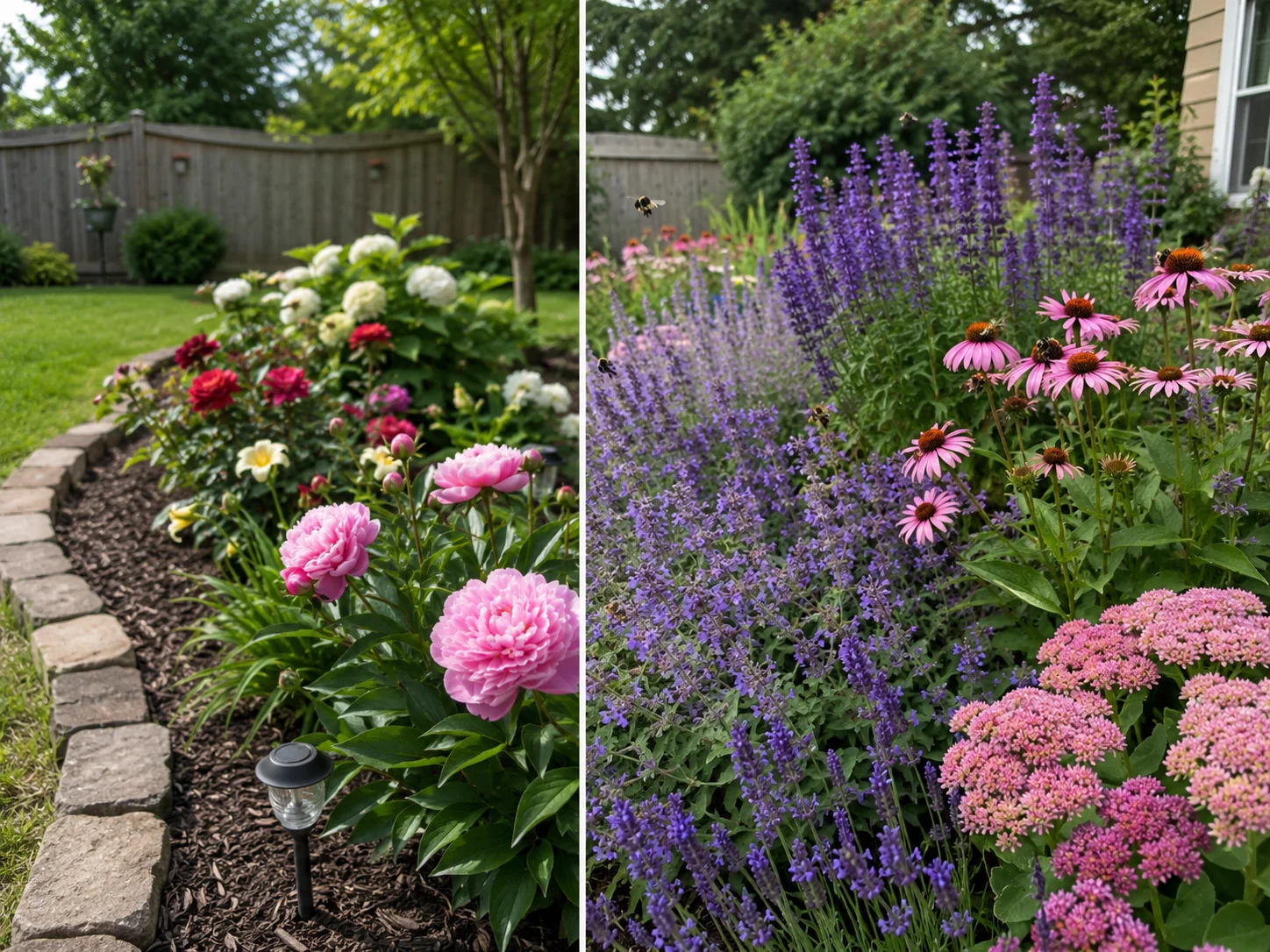
Highly bred double flowers often have extra petals covering or replacing the structures that produce pollen and nectar. Bees may struggle to reach the center, or the flower may provide almost no useful reward.
Useful flower forms include:
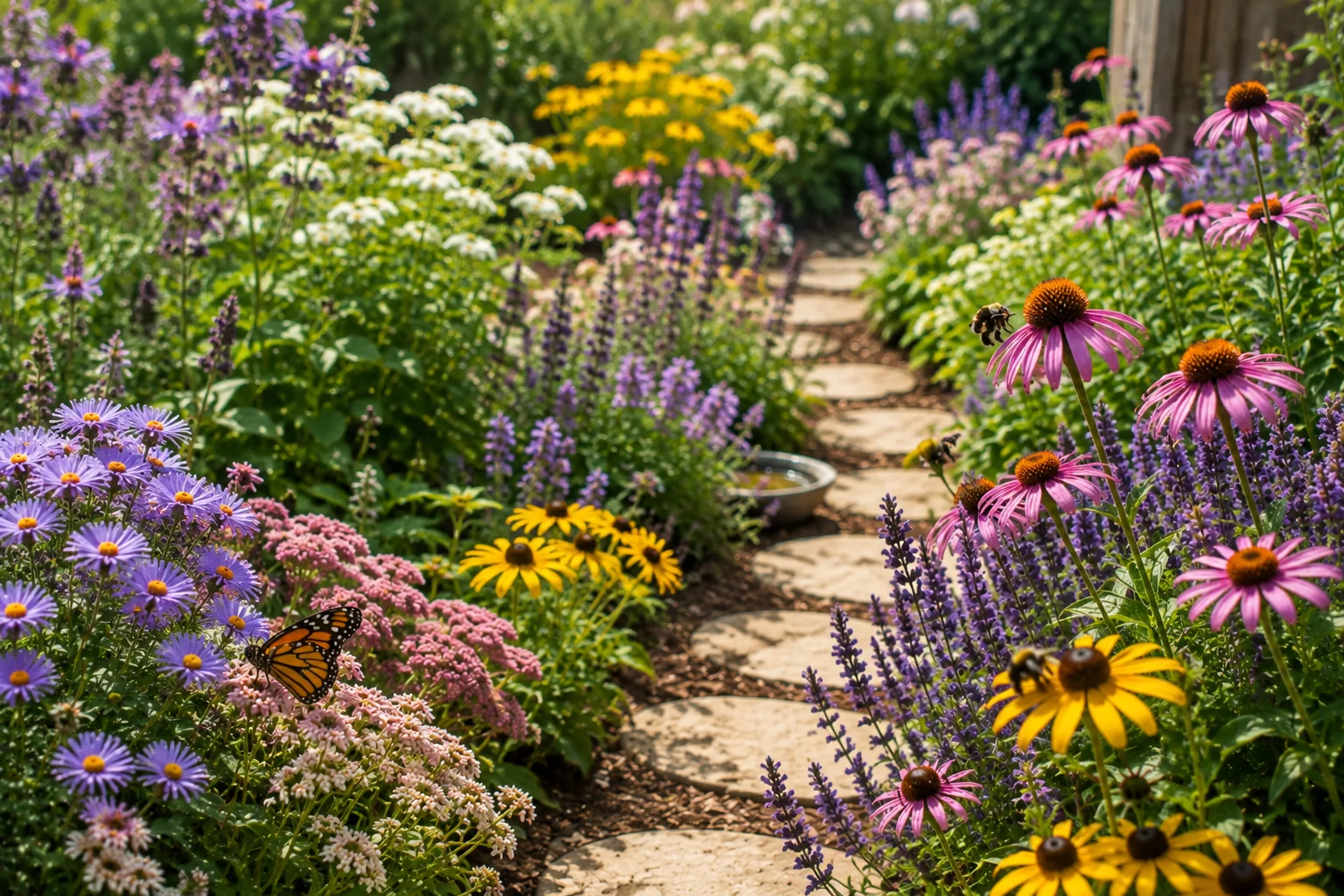
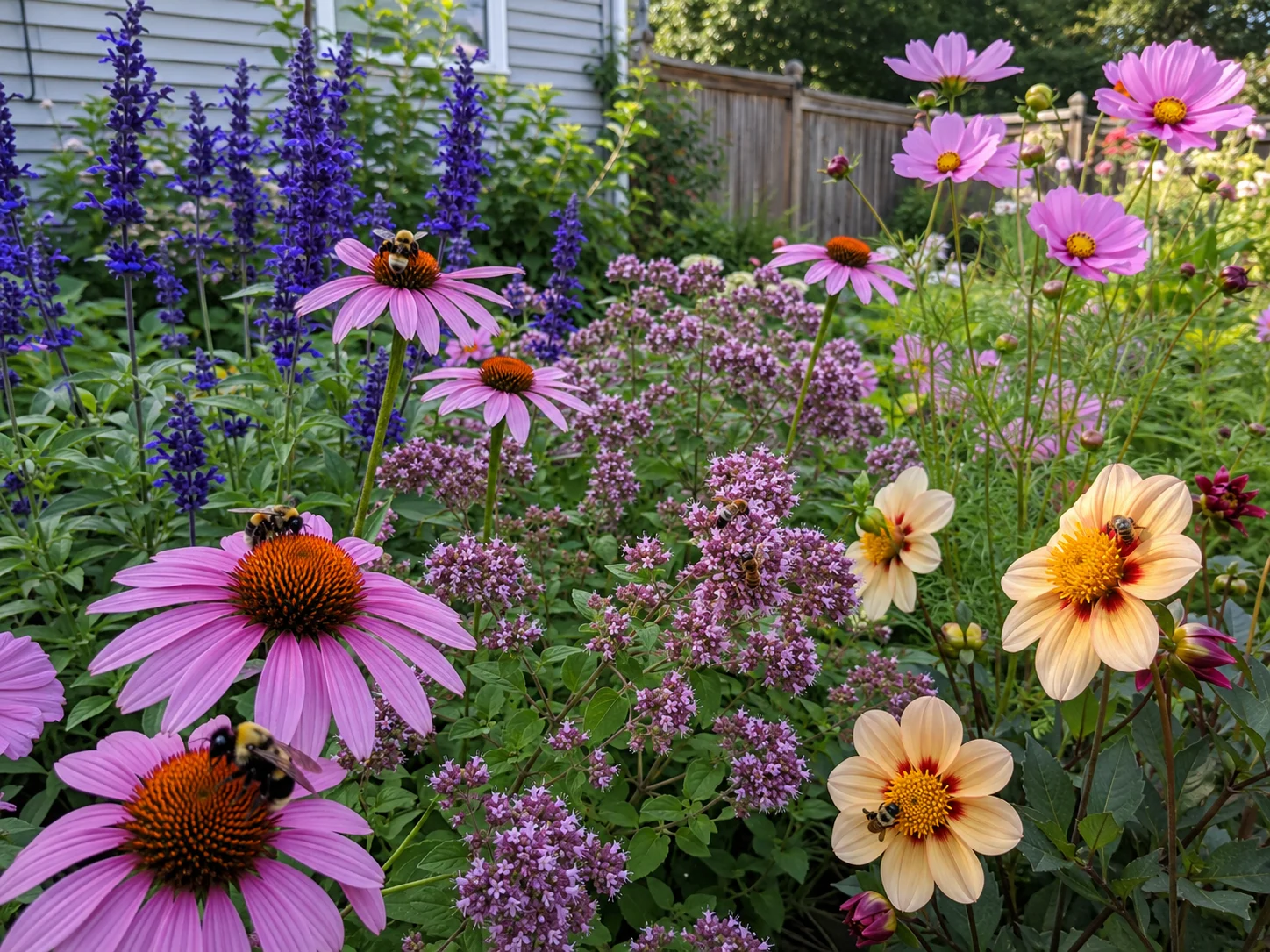
- Open daisies such as asters and coneflowers
- Flower spikes such as salvia and lavender
- Flat clusters such as sedum and yarrow
- Herb flowers such as oregano, thyme, and chives
- Open-centered dahlias and cosmos
The University of Minnesota Extension recommends plants that provide pollen and nectar while also creating habitat and reducing pesticide risks. Its pollinator planting guidance is a useful starting point.
How to Fix It
Keep decorative flowers you enjoy, but add reliable bee plants beside them. Start with three species suited to your climate, soil, and sunlight. Choose locally native plants where practical.
2. You Planted One of Everything
A border filled with single specimens may look diverse, but isolated blooms are harder for bees to locate and work through than a visible patch of the same flower.
Random planting also weakens the design, making the garden feel like a collection rather than a clear planting scheme.
How to Fix It
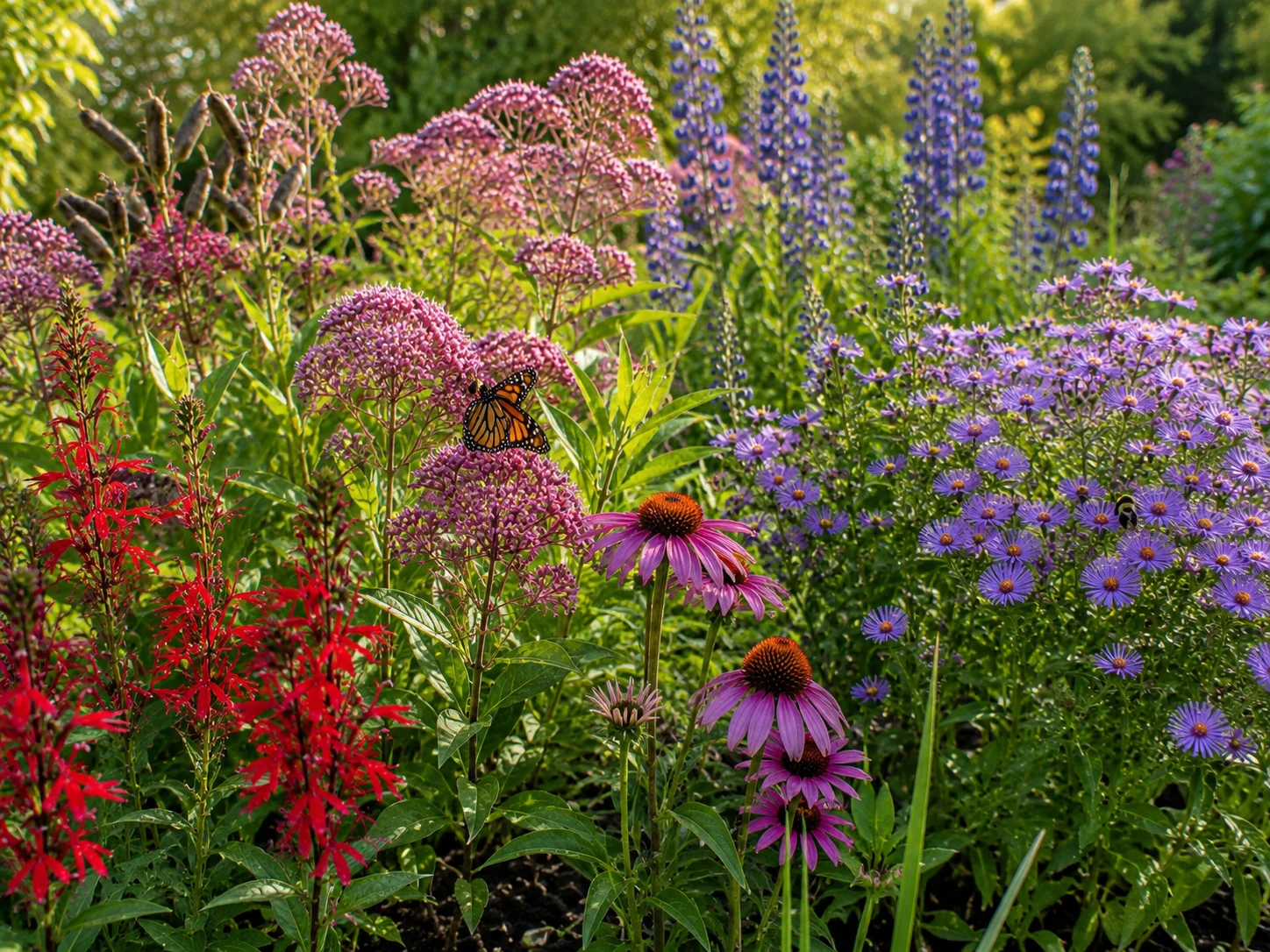
Plant flowers in repeated groups or drifts. In a small garden, even three to five plants create a stronger signal than one plant alone.
Try repeated patches of catmint, oregano, salvia, asters, or sedum. Do not crowd plants beyond their mature width. The goal is repetition, not poor airflow.
use plant repetition and layered borders to improve the entire yard.
3. Your Garden Has a Bloom Gap
A pollinator garden can be busy in May and empty in August.
If every plant blooms at once, the garden provides a short feast followed by weeks with little food. Create a bloom calendar showing what flowers in spring, summer, late summer, and autumn.
How to Fix It
Aim for dependable flowers in each part of the growing season:
- Early spring: Crocus, snowdrops, flowering currant, or suitable native spring flowers
- Late spring: Chives, catmint, foxglove, or fruit-tree blossom
- Summer: Lavender, salvia, oregano, thyme, and coneflower
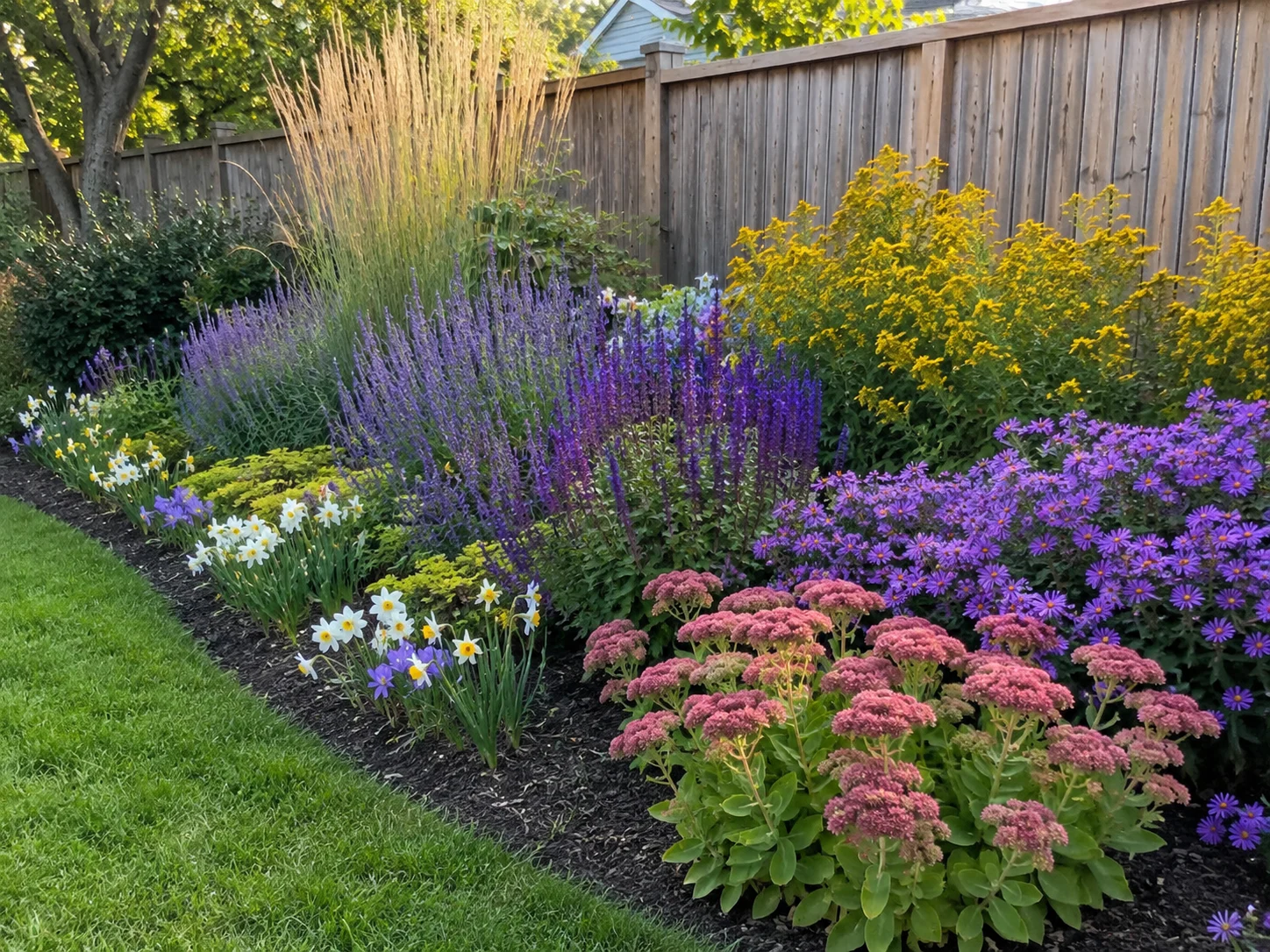
- Late summer and autumn: Asters, goldenrod, sedum, helenium, and single dahlias
Choose plants suitable for your region and avoid species considered invasive locally.
fill the late-season bloom gap with dependable flowers
4. Garden Chemicals Are Working Against You
A garden cannot function as safe pollinator habitat if flowering plants are regularly exposed to insecticides.
Broad-spectrum products do not distinguish between an insect chewing a leaf and a bee visiting a flower. Homemade sprays are not automatically harmless either.
How to Fix It
Use a targeted approach:
- Identify the pest correctly.
- Decide whether the damage truly requires action.
- Remove pests or affected leaves manually where practical.
- Try barriers, pruning, or biological controls first.
- If treatment is necessary, follow the label and avoid spraying open flowers or active bees.
A few holes in a leaf are not an emergency. A living garden contains insects that eat plants as well as insects that pollinate them.
5. You Provide Food but No Habitat
Flowers are only one part of a bee-friendly garden.
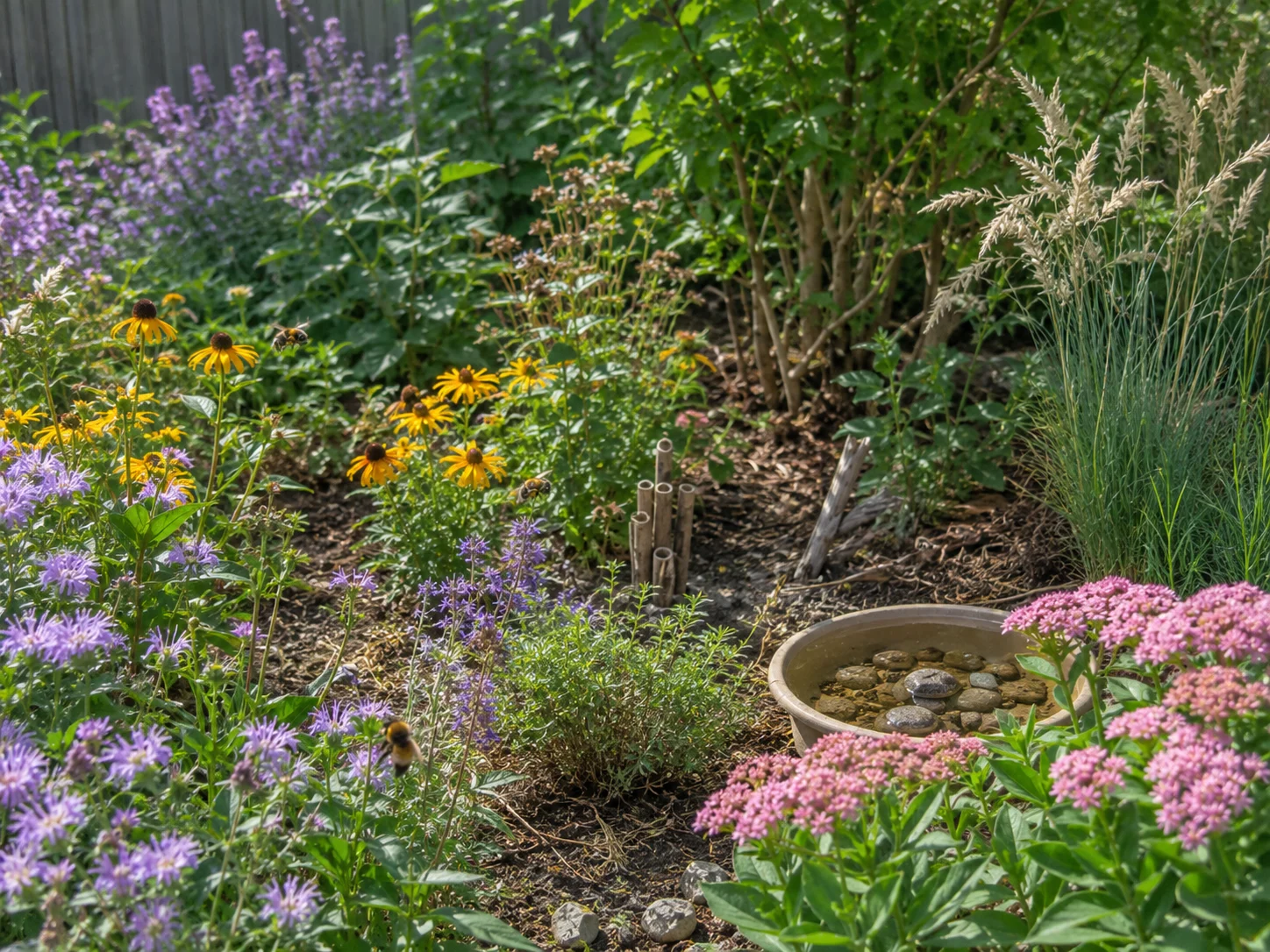
Many native bees nest in the ground, while others use hollow stems, dead wood, cavities, or sheltered vegetation. A yard covered with landscape fabric, deep mulch, paving, and closely cut lawn may provide food but nowhere to nest.
The Xerces Society notes that around 70 percent of native bee species in North America nest in the ground and benefit from undisturbed patches not covered by dense plants or thick mulch. Read its guidance on bare-ground nesting habitat.
How to Fix It
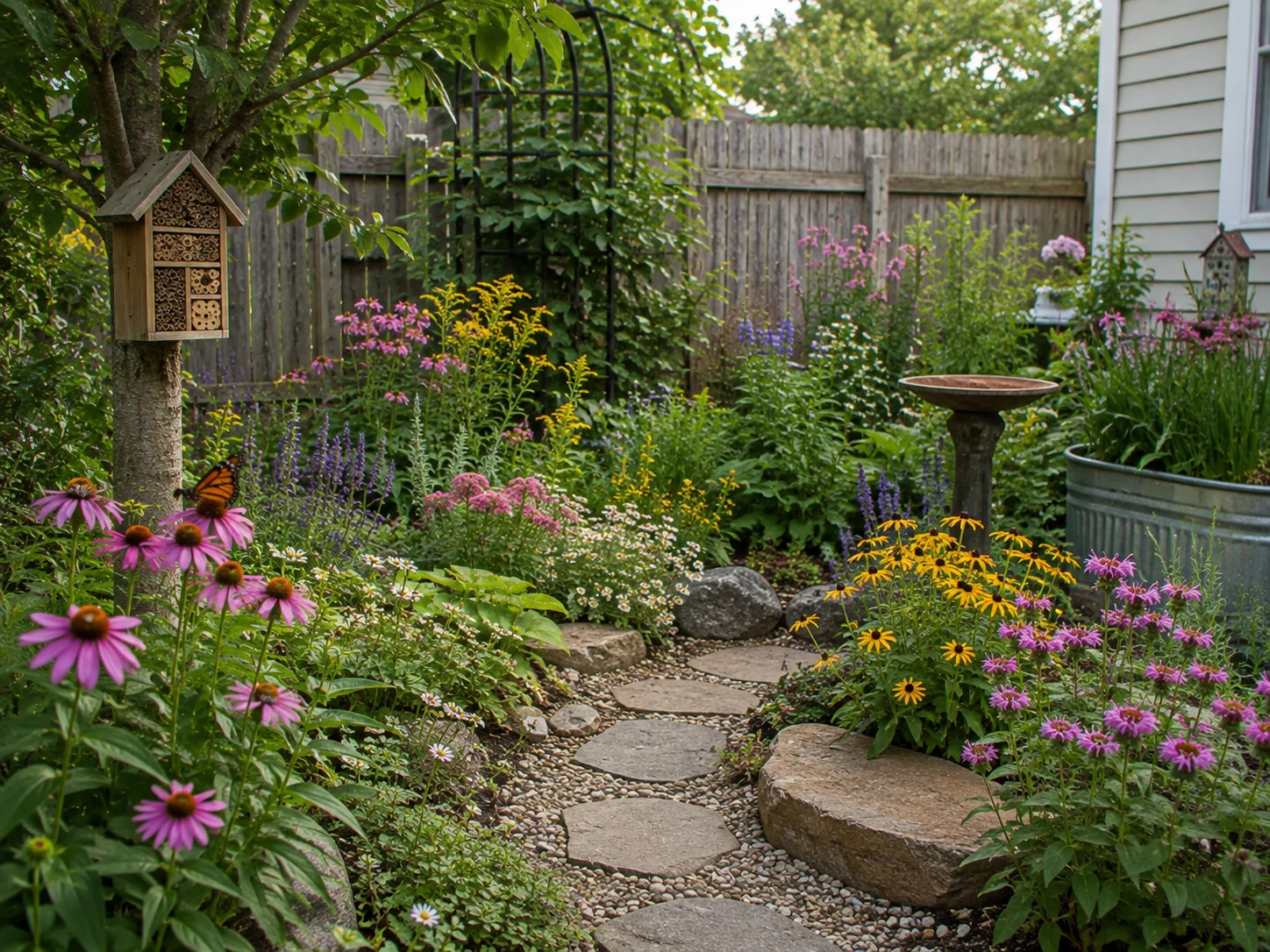
- Leave a few small, sunny patches of undisturbed soil
- Retain some hollow or pithy stems through winter
- Keep leaf litter beneath shrubs
- Include bunch-forming grasses
- Provide shallow water with safe landing points
Do not install a bee hotel and assume the job is finished. Natural nesting opportunities are often simpler and safer.
6. The Plants Are in the Wrong Conditions
Weak plants produce fewer flowers, which means less nectar and pollen.
Sun-loving lavender planted in wet shade will struggle. Moisture-loving plants in dry soil may stop flowering early. Containers that repeatedly dry out can lose blooms during the hottest weeks.
How to Fix It
Match each plant to the real site. Check:
- Daily hours of direct sun
- Soil drainage and summer moisture
- Mature plant size
- Wind exposure
- Container volume
Water new plants deeply while they establish. Divide overcrowded perennials when flowering declines, and avoid excessive nitrogen fertilizer, which can produce leaves instead of blooms.
7. The Garden Is Too New—or the Weather Is Wrong
A new garden may not attract heavy activity immediately. Small plants produce limited flowers, and local bees need time to discover them.
Bee activity also changes with temperature, rain, wind, season, and time of day. A garden that appears empty on a cool morning may become active during a warm afternoon.
How to Fix It
Track the garden across a full season. Add more of the plants that receive visits and replace ignored plants only after confirming they are healthy and flowering properly.
Record plant names, flowering dates, bee visits, weather conditions, and bloom gaps. This turns guesswork into a practical planting plan.
A Simple Rescue Plan for a Quiet Pollinator Garden
Do not tear everything out. Fix the biggest weaknesses first.
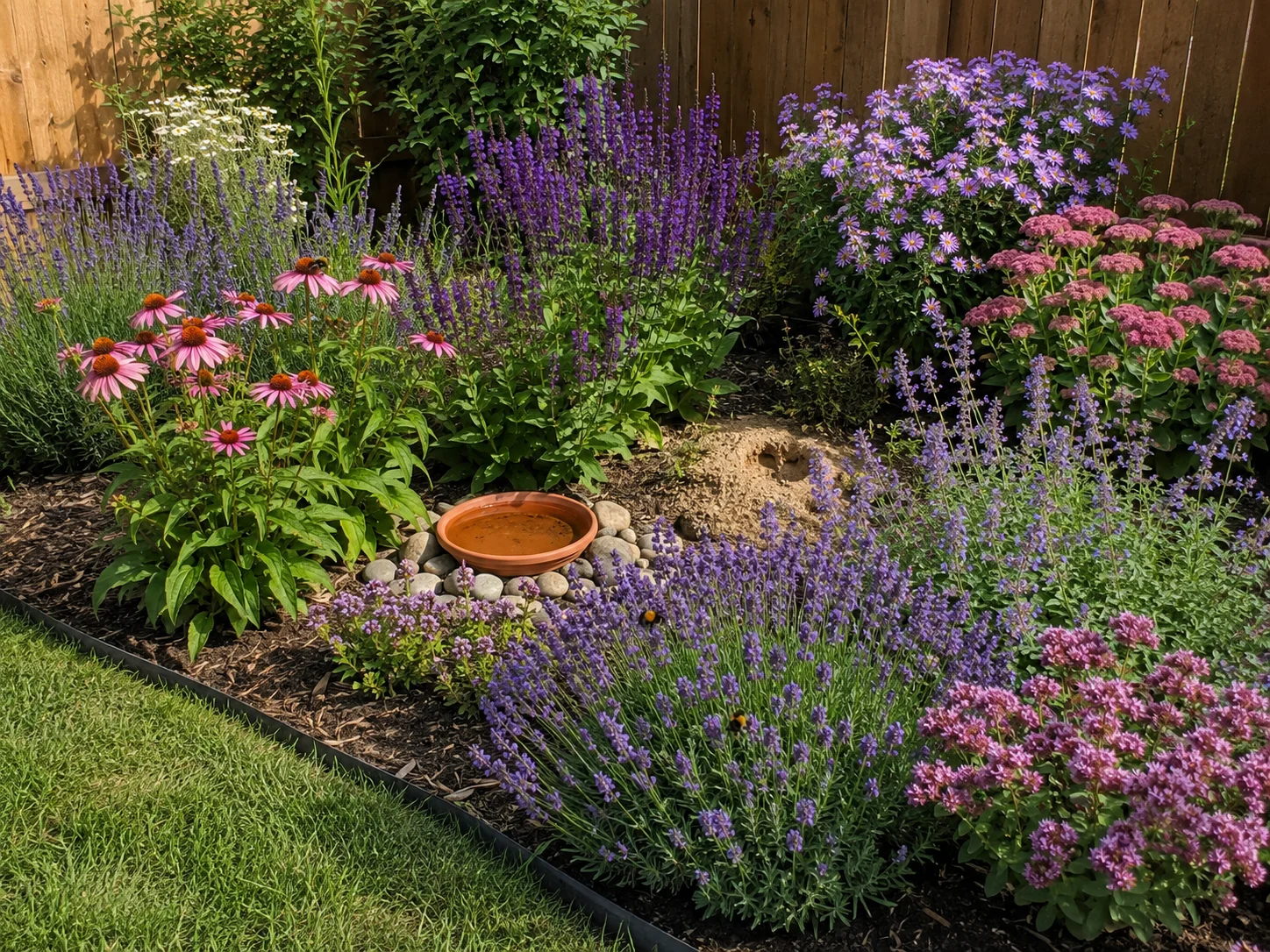
- Add three patches of accessible, open flowers.
- Ensure something blooms in spring, summer, and autumn.
- Stop routine insecticide use.
- Leave a nesting area with bare soil, stems, or leaf litter.
- Add shallow water and keep it clean.
- Improve struggling plants or move them.
- Observe the garden before buying more plants.
Conclusion
When a pollinator garden is not attracting bees, adding more random flowers is rarely the best solution.
First check whether the flowers offer accessible nectar and pollen. Then improve the planting groups, close seasonal bloom gaps, reduce pesticide exposure, and provide nesting habitat as well as food.
A successful pollinator garden is not measured by how many flower varieties it contains. It works because the right plants flower at the right times in a place where bees can feed, shelter, and nest safely.