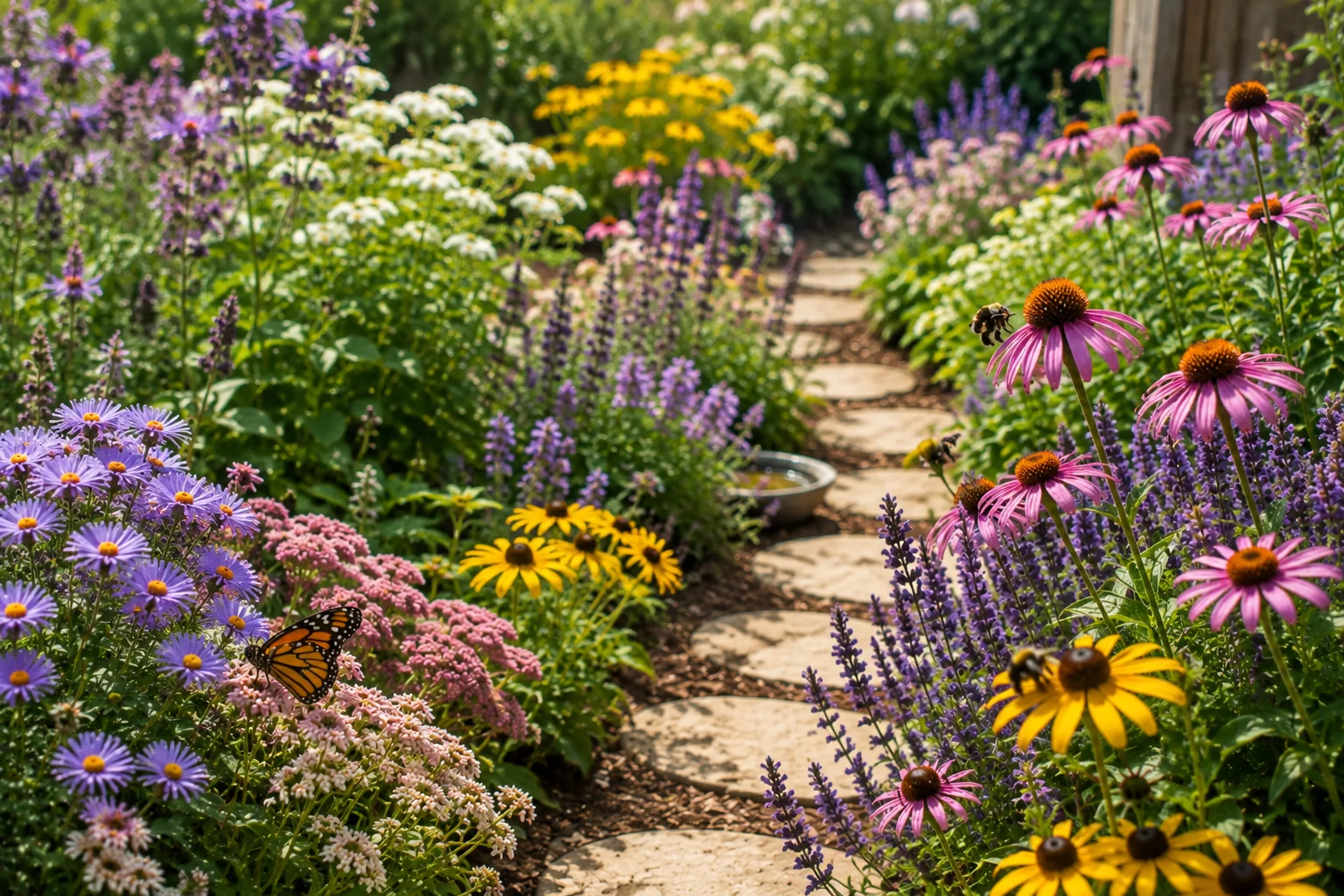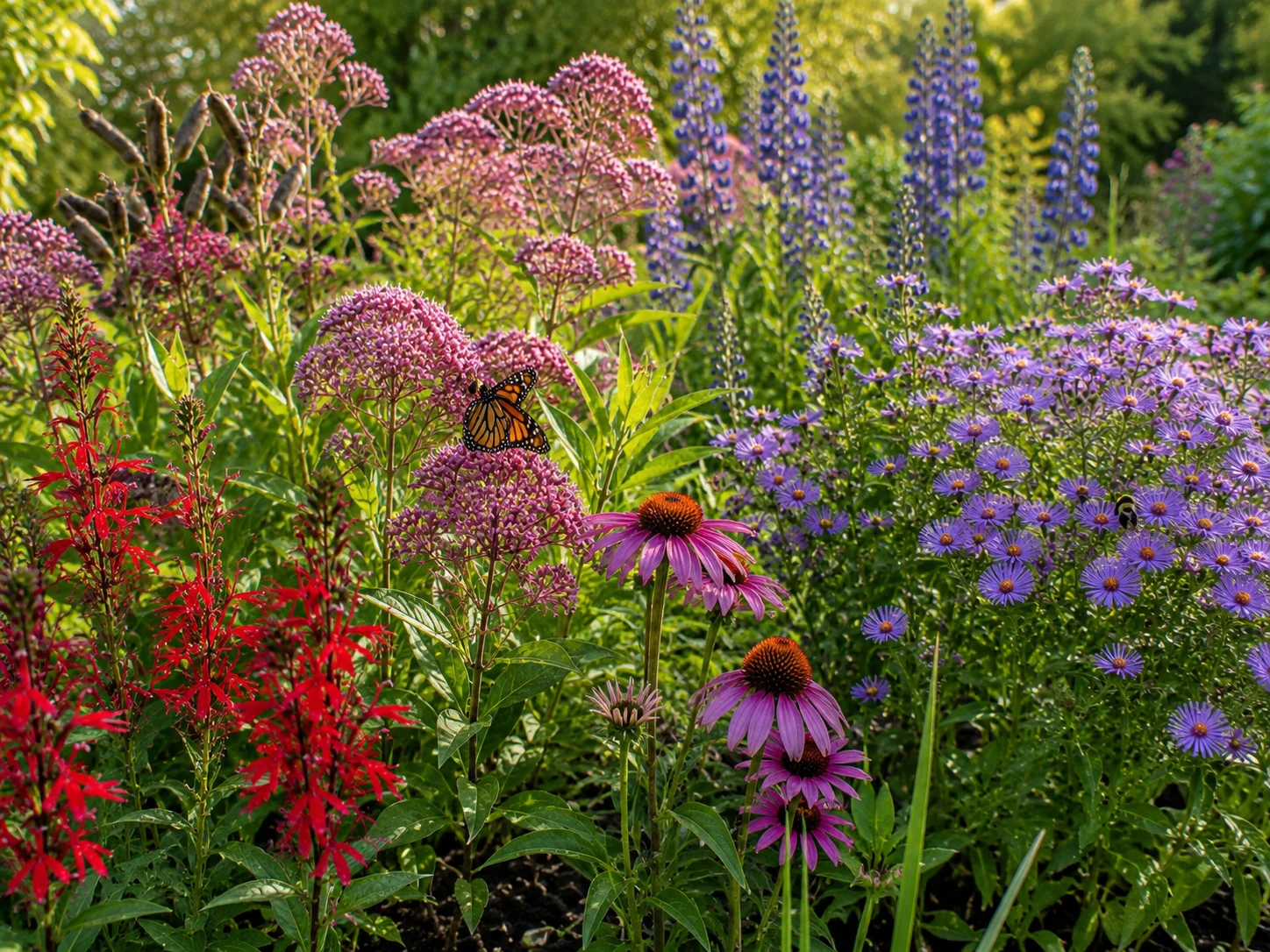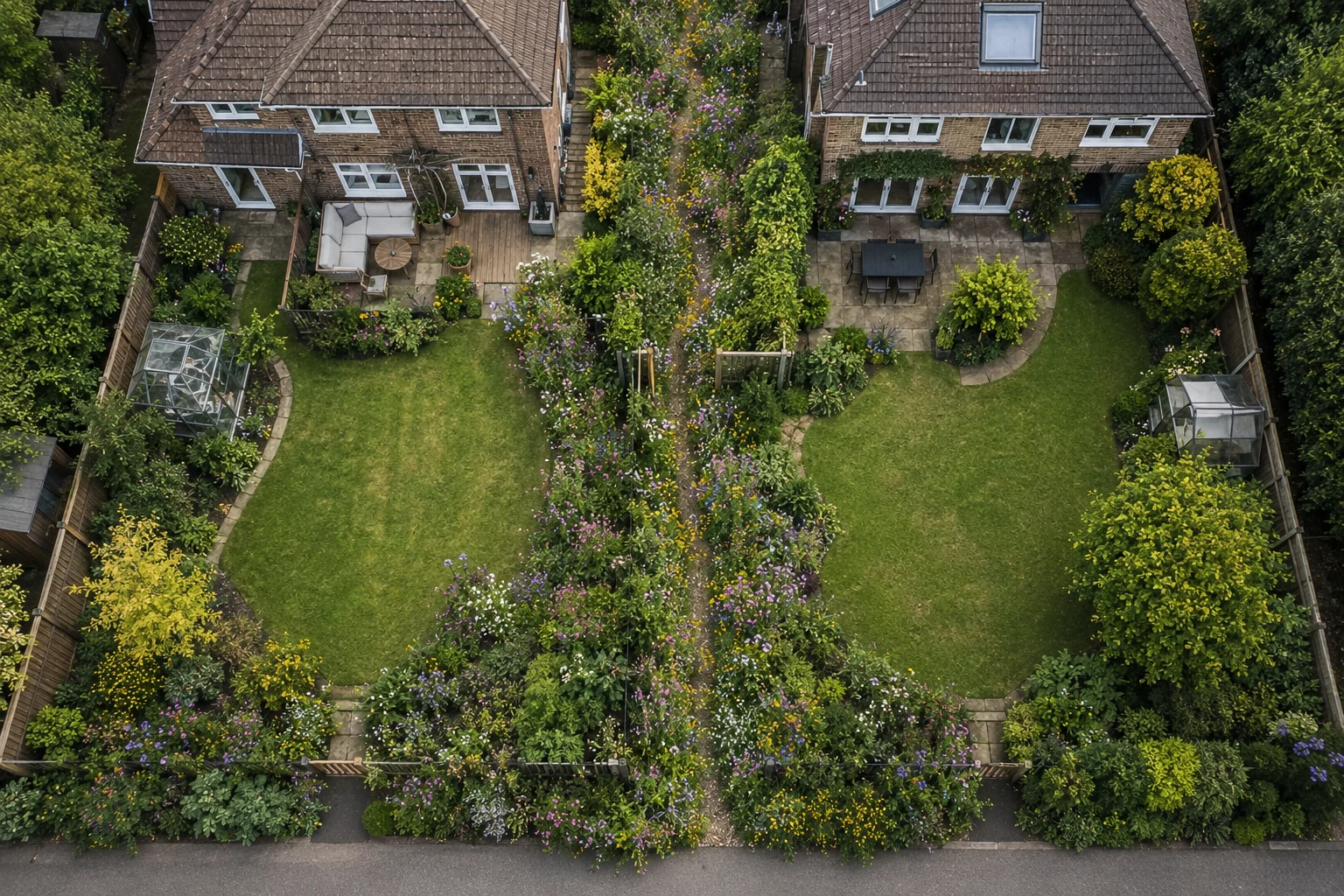

A pollinator garden is simply a planting that offers bees, butterflies, and other beneficial insects a reliable source of nectar, pollen, and shelter through the growing season. Homeowners like this style of gardening because it gives an ordinary backyard a real purpose beyond looking nice, and it tends to require less water and fertilizer than a traditional lawn or flower bed once established.
This is achievable in a small backyard because pollinators do not need acres of habitat to benefit from what you plant. According to the Xerces Society, even small, thoughtfully planted gardens scattered throughout neighborhoods can add up to meaningful habitat for declining pollinator populations. A single well-planted bed, a cluster of containers, or a narrow border along a fence can all make a measurable difference.
Read through the categories below, then pick a handful of ideas that match your yard’s size, sun exposure, and how much time you want to spend on upkeep.
Layout & Design for Small Spaces
1. Layered Border Along a Fence Line
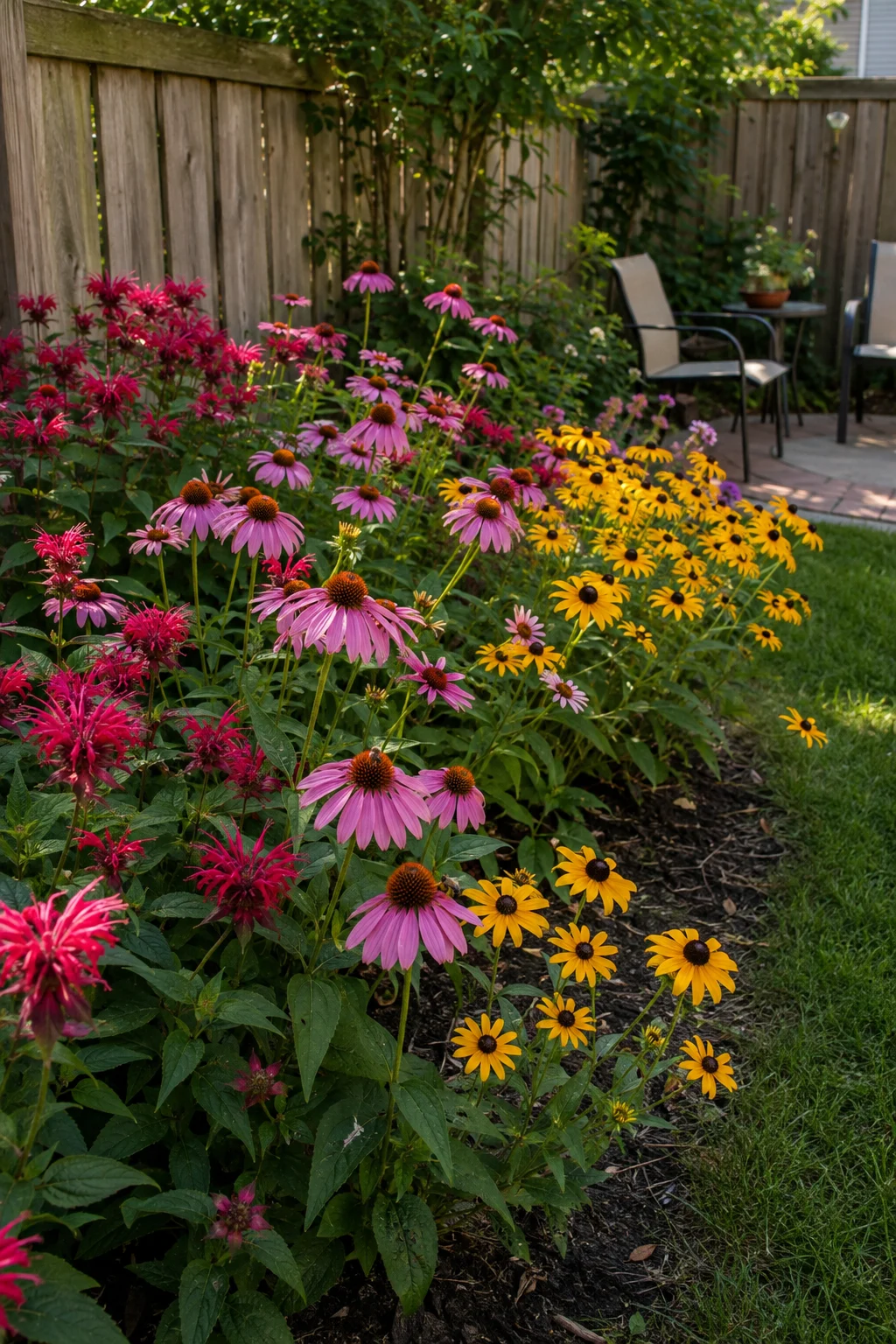
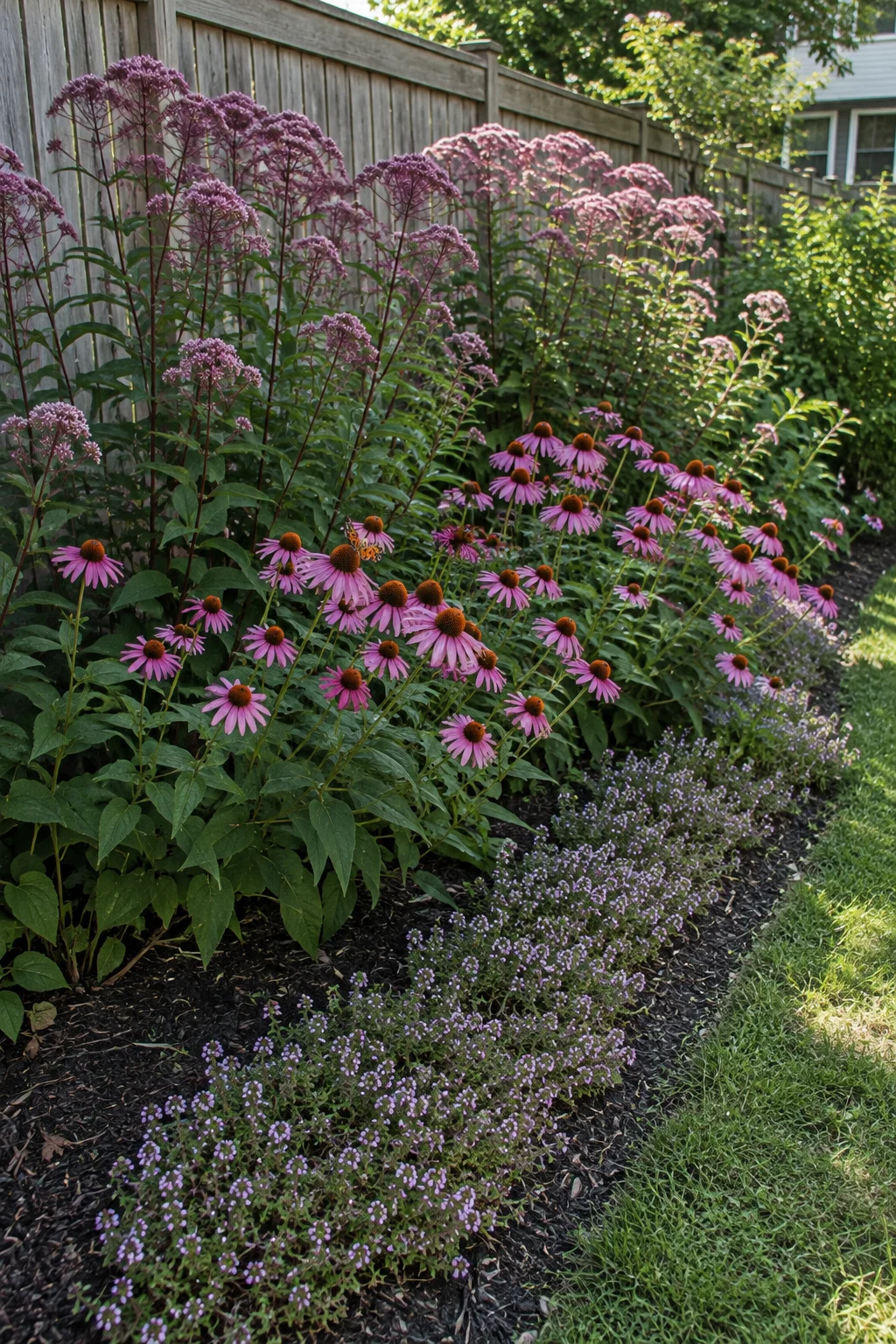
Planting a narrow bed along an existing fence turns unused edge space into a productive pollinator strip without taking over the yard’s center. This works because fences already define the space, so the border reads as intentional rather than like an overgrown patch. Layer taller plants like Joe Pye weed toward the fence, mid-height bloomers like coneflower in the middle, and low edging plants like creeping thyme along the front. A fence border as narrow as two feet deep can still support a meaningful variety of pollinator plants.
2. Pollinator Strip Instead of a Lawn Edge
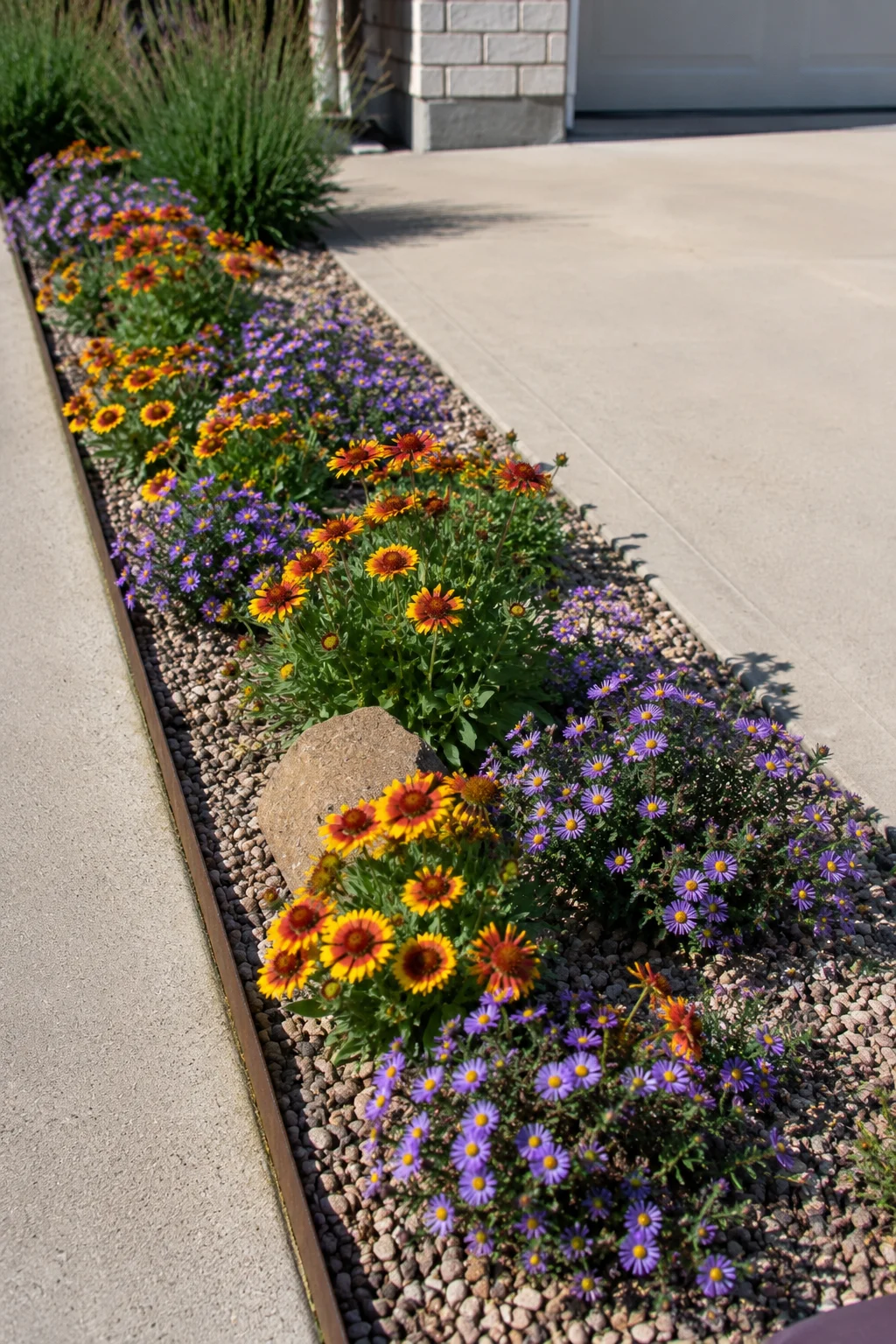
Replacing the mowed strip along a driveway or walkway with a low pollinator planting removes a maintenance chore while adding habitat in a spot that was previously just grass. This works because these edges are usually narrow enough to convert without disturbing the rest of the lawn, making it a low-commitment way to start. Choose compact, tidy-looking natives like blanket flower or dwarf aster so the strip still reads as maintained rather than overgrown. Edge the strip with a simple stone or steel border to keep it visually separate from the remaining lawn.
3. Grouped Drifts of Repeated Plants
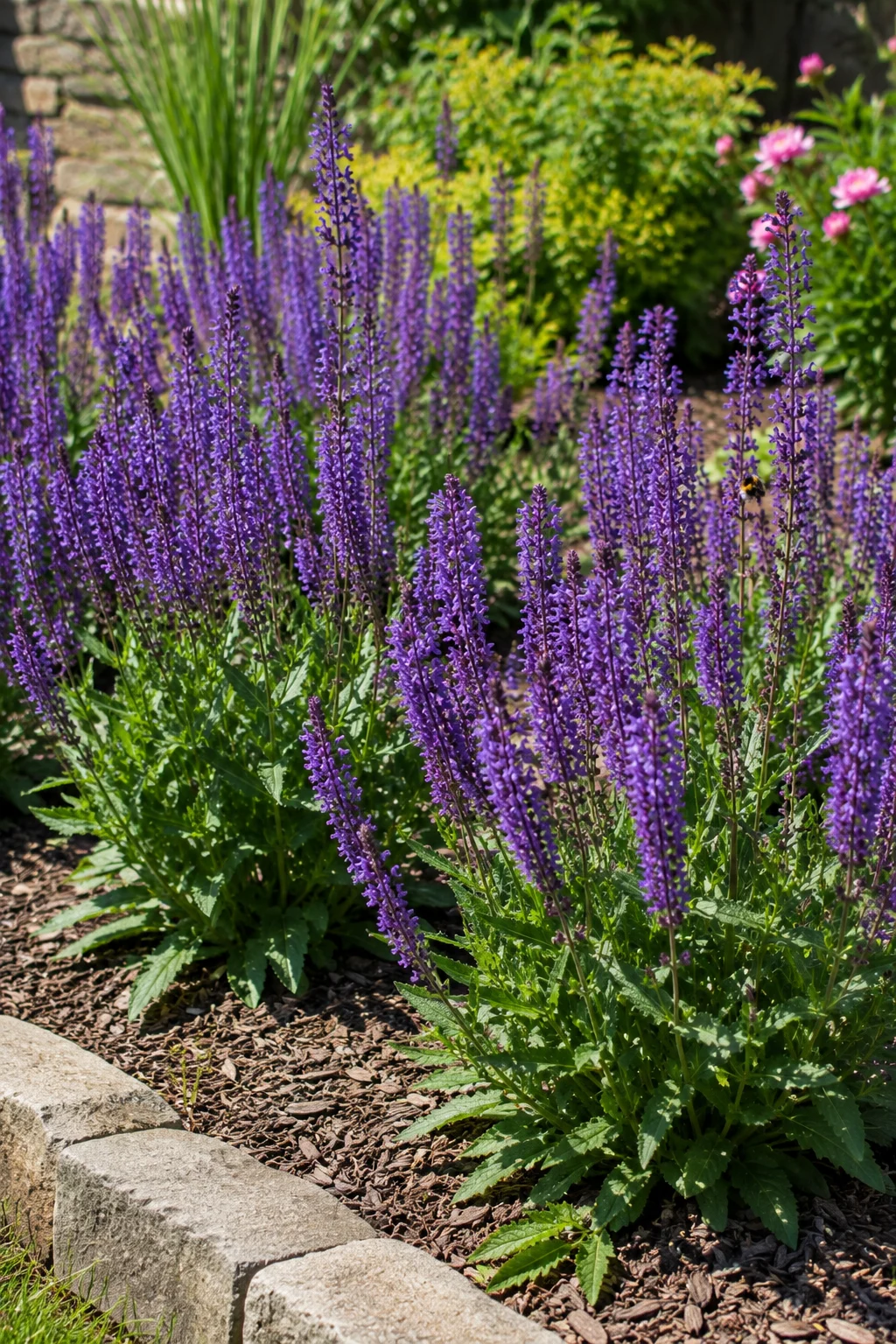
Planting the same species in clusters of five or more, rather than scattering single plants throughout the yard, makes it easier for pollinators to find and forage efficiently. This works because many bees are more efficient foragers when flowers of the same type are grouped together, rather than spread out and mixed with other species. In a small yard, plan two or three drifts rather than a dozen scattered single plants, which also simplifies the overall design. Repeat at least one drift near a seating area so you can actually watch the activity it attracts.
4. Stepping Stone Path Through Blooms
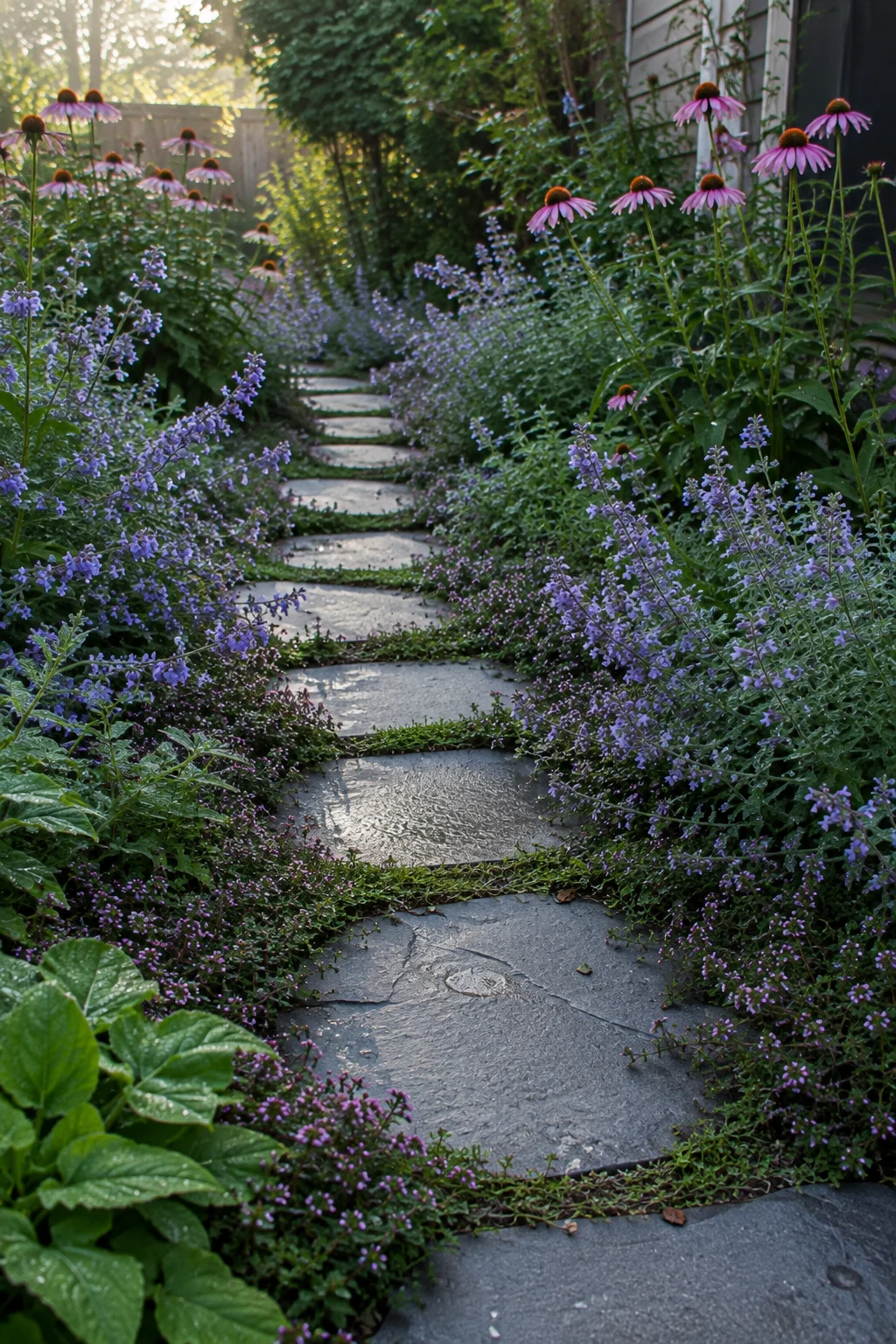
A narrow stepping stone path through a pollinator bed lets you get close enough to watch and maintain the plants without walking directly on the soil. This works especially well in small yards, since it makes a densely planted bed feel accessible rather than like an obstacle to walk around. Set flat stones with a few inches of gap on either side for low plants to spill over, and space the stones for a natural walking stride. Keep the tallest plants set back from the path edges so foliage does not block passage as it fills in.
5. Corner Bed Anchor Planting
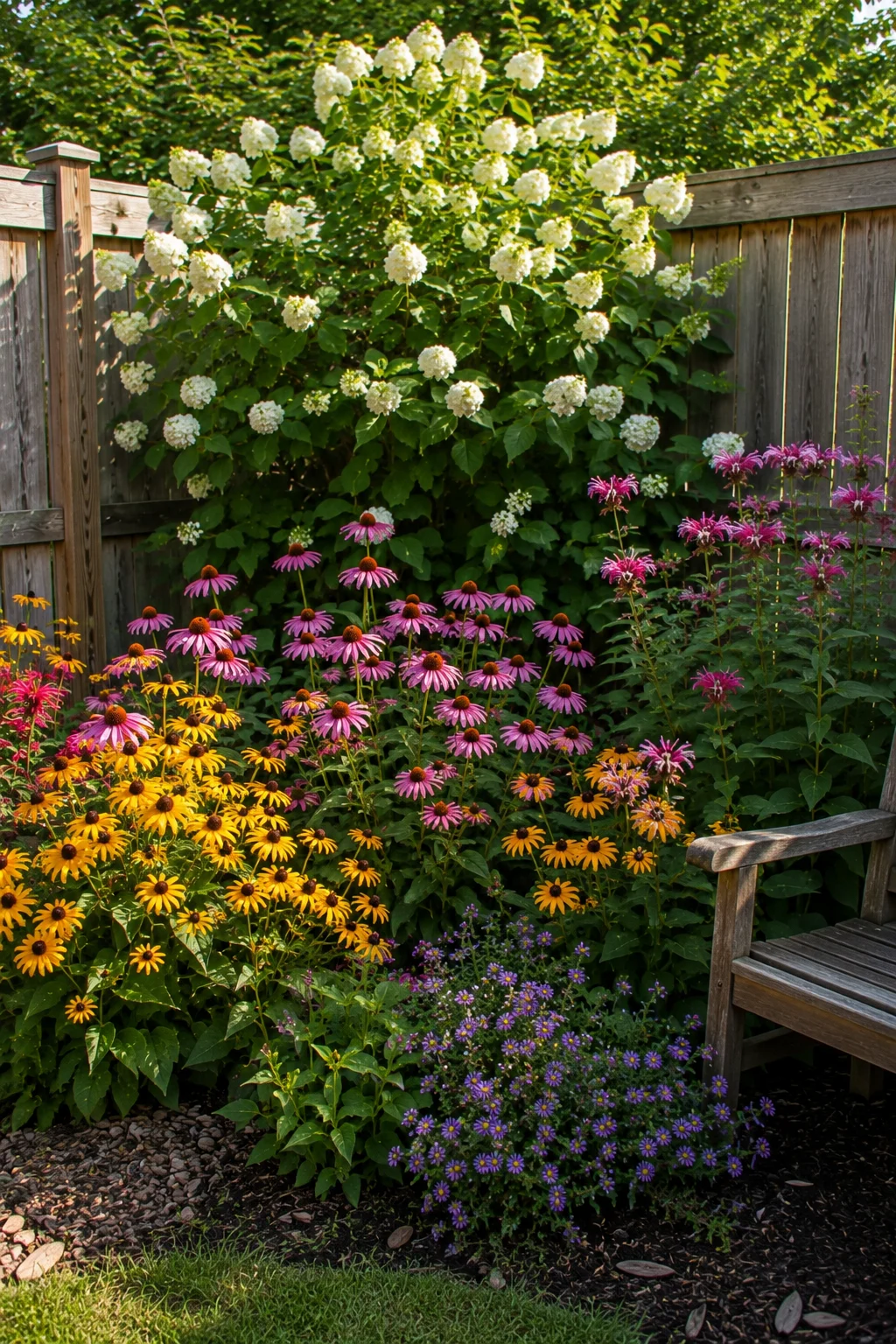
Filling an underused yard corner with a dense pollinator planting turns a typically wasted space into one of the garden’s most productive areas. This works because corners often get skipped during regular lawn mowing anyway, so converting them causes little disruption to how the rest of the yard is used. Anchor the corner with one taller shrub, like a native viburnum, then fill in around it with a mix of perennials at varying heights. This approach also softens hard right angles where two fences or walls meet, which can otherwise look stark and unfinished.
Plant Choices That Maximize a Small Footprint
6. Native Perennial Mix
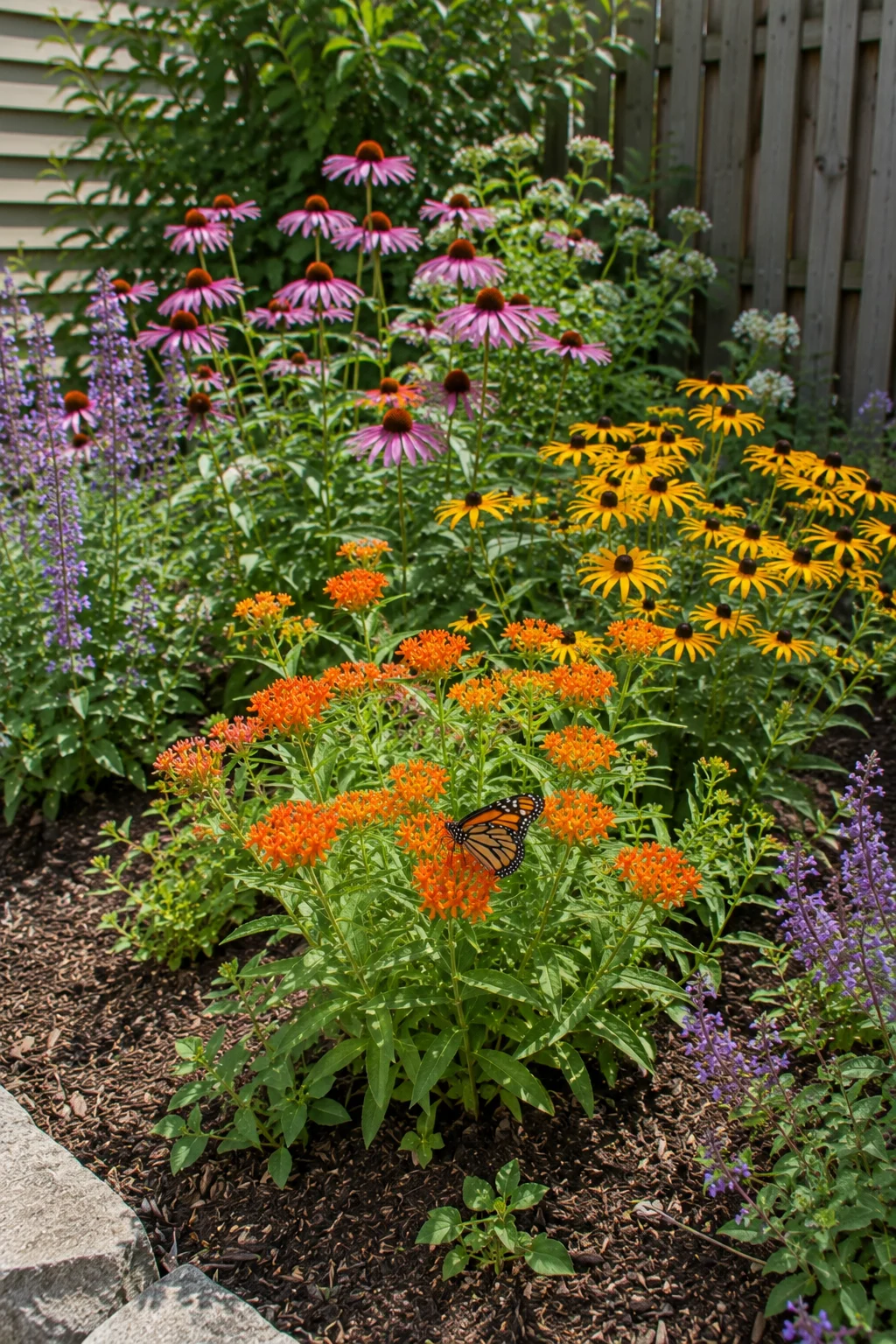
A mix of regionally native perennials, chosen for overlapping bloom times, gives pollinators reliable food while requiring less water and fertilizer than non-native ornamentals once established. This works because native plants and native pollinators evolved together, so the nectar and pollen they offer are typically more accessible and nutritious than many hybrid varieties. Start with three to five species suited to your specific region and soil type rather than a generic mix, since regional adaptation matters more than variety count. Local extension offices and native plant societies typically publish free regional plant lists to help with selection.
7. Single-Stem Flowering Shrub
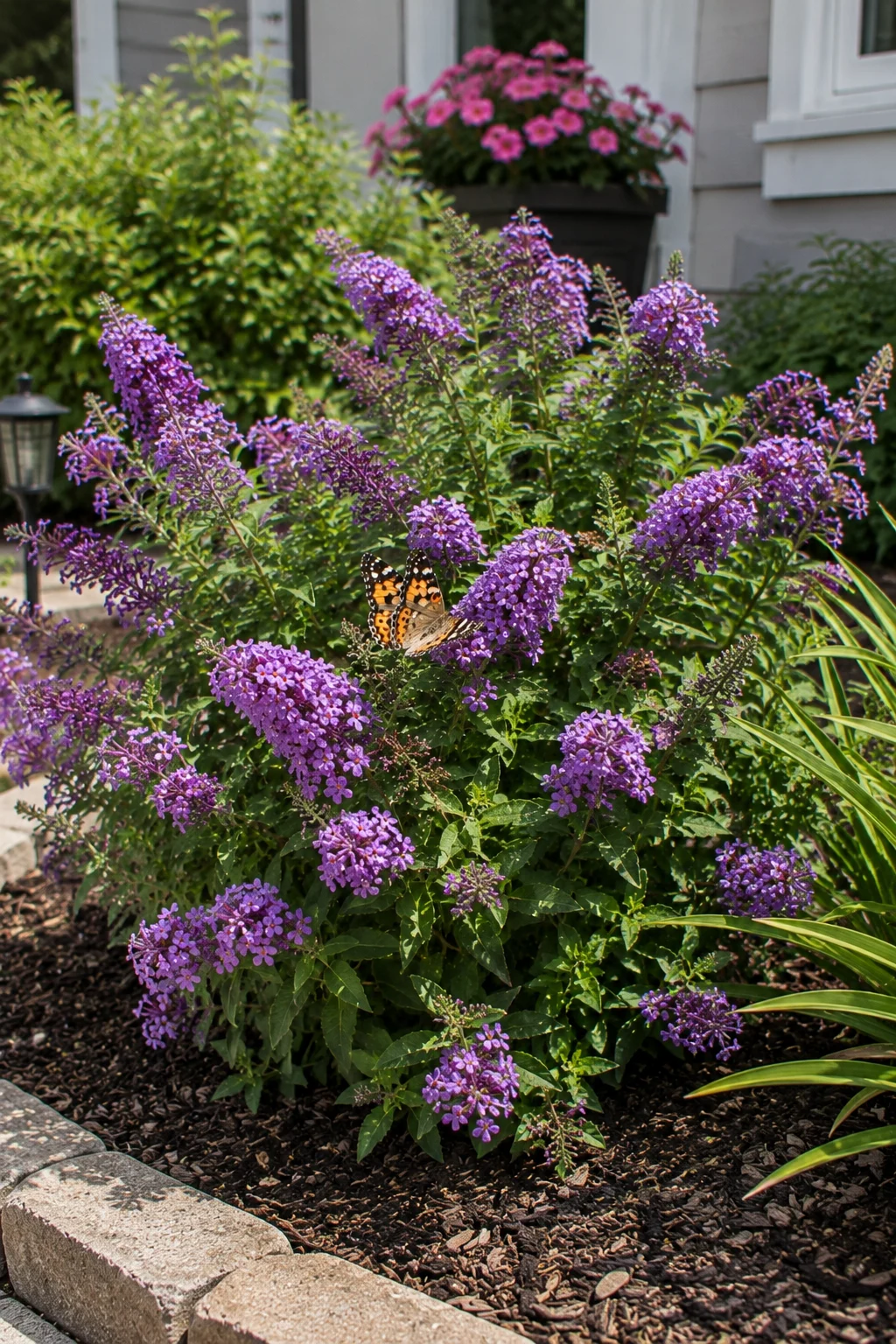
One well-chosen flowering shrub, like butterfly bush or ninebark, can anchor an entire small garden bed and provide a long bloom period without needing constant replanting. This works because shrubs offer more nectar volume per square foot than most annuals, and they establish a permanent structure the rest of the bed can build around. Choose a variety sized appropriately for a small yard, since many shrubs sold for pollinators can outgrow tight spaces within a few seasons. Prune according to the specific species’ needs, since timing affects both shape and next season’s bloom.
8. Vertical Climbing Vine Wall
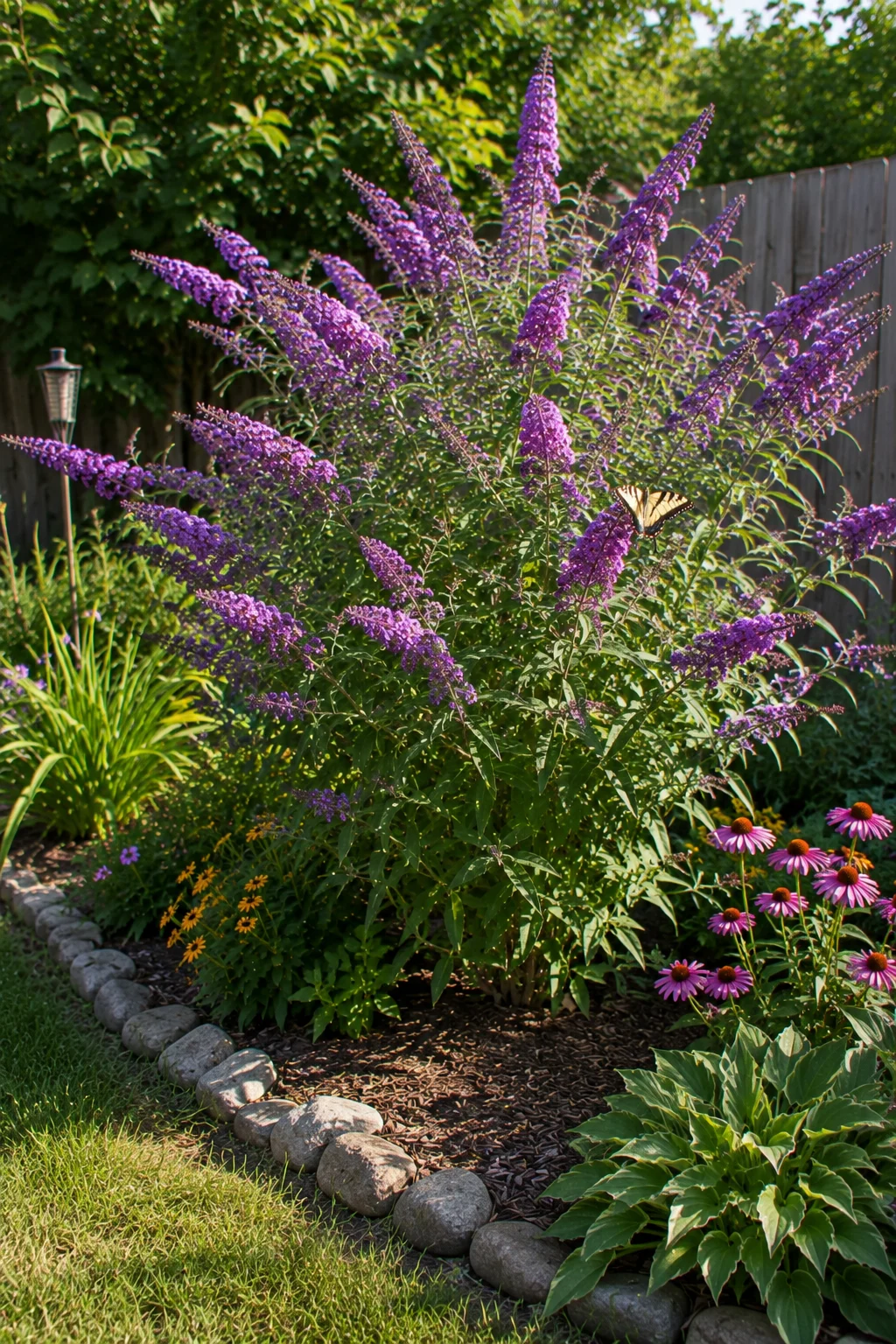
Training a flowering vine like trumpet vine or native honeysuckle up a trellis or fence adds pollinator habitat in vertical space that a small yard’s footprint cannot otherwise spare. This works because it lets you add significant bloom volume without expanding the garden bed itself, which matters most in tight yards. Install a sturdy trellis or horizontal wires before planting, and choose a vine suited to your climate’s growth habit, since some varieties spread more aggressively than others. Prune yearly to keep the vine within its intended space and to encourage fresh blooms.
9. Compact Butterfly Bush Variety
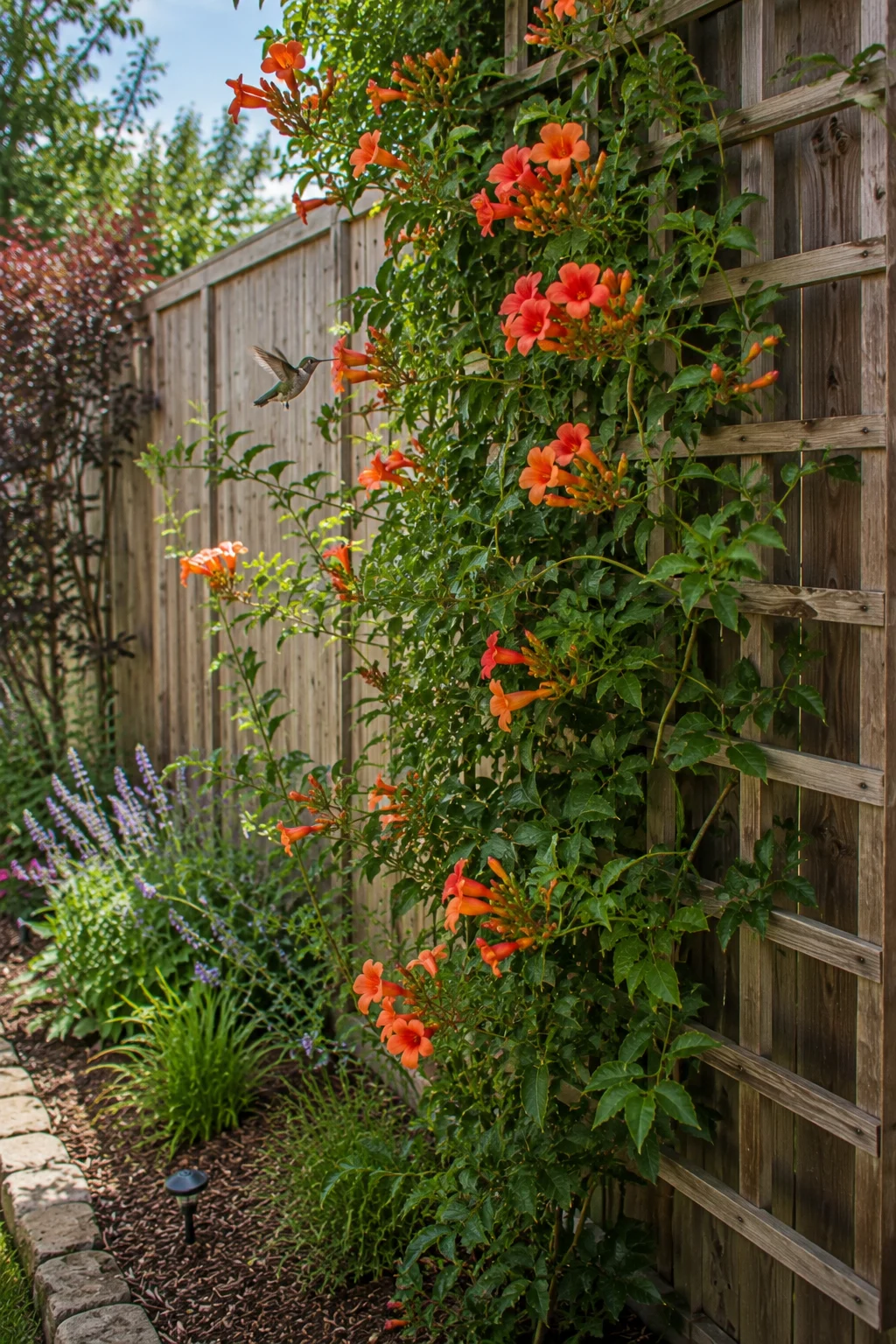
Newer dwarf cultivars of butterfly bush, bred to stay under four feet tall, give small yards the same long summer bloom without the space demands of older varieties. This works because it solves the most common complaint about butterfly bush in small gardens, that it quickly outgrows its spot and needs constant pruning to manage. Look specifically for dwarf or compact cultivar names on the plant tag rather than assuming all butterfly bush varieties stay small. Deadhead spent blooms through the season to keep new flowers coming and to prevent excessive self-seeding.
10. Herb Flowers Left to Bloom
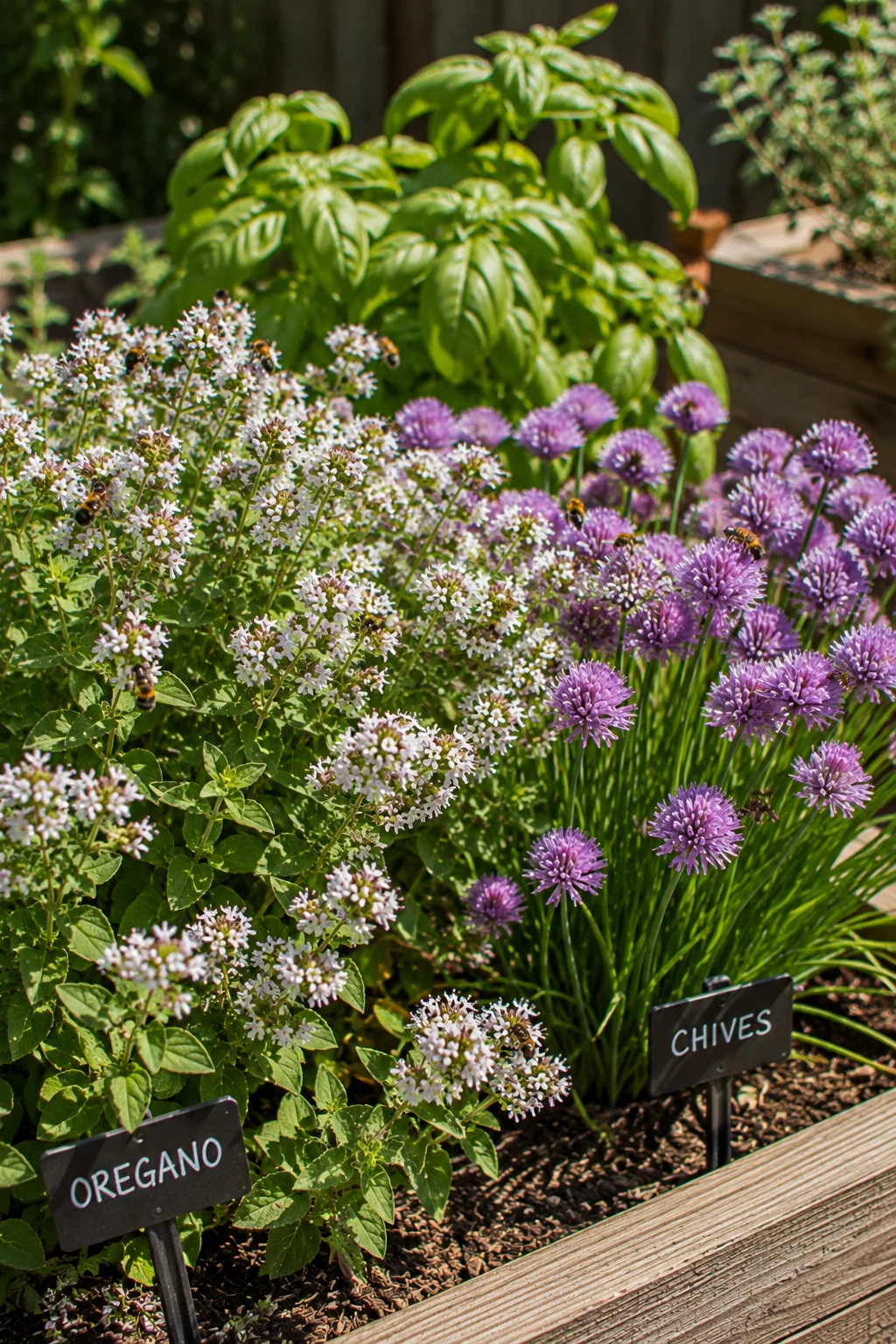
Letting kitchen herbs like oregano, chives, and thyme flower instead of harvesting every stem turns an existing herb bed into an unexpected pollinator resource. This works because herb flowers are often overlooked as a food source, yet many are highly attractive to small native bees in particular. Set aside a portion of your herb bed to flower fully rather than harvesting it, and continue harvesting from a separate patch for cooking. This idea requires no new planting at all if you already grow culinary herbs, just a change in how you manage them.
Container & Vertical Solutions
11. Balcony Container Cluster
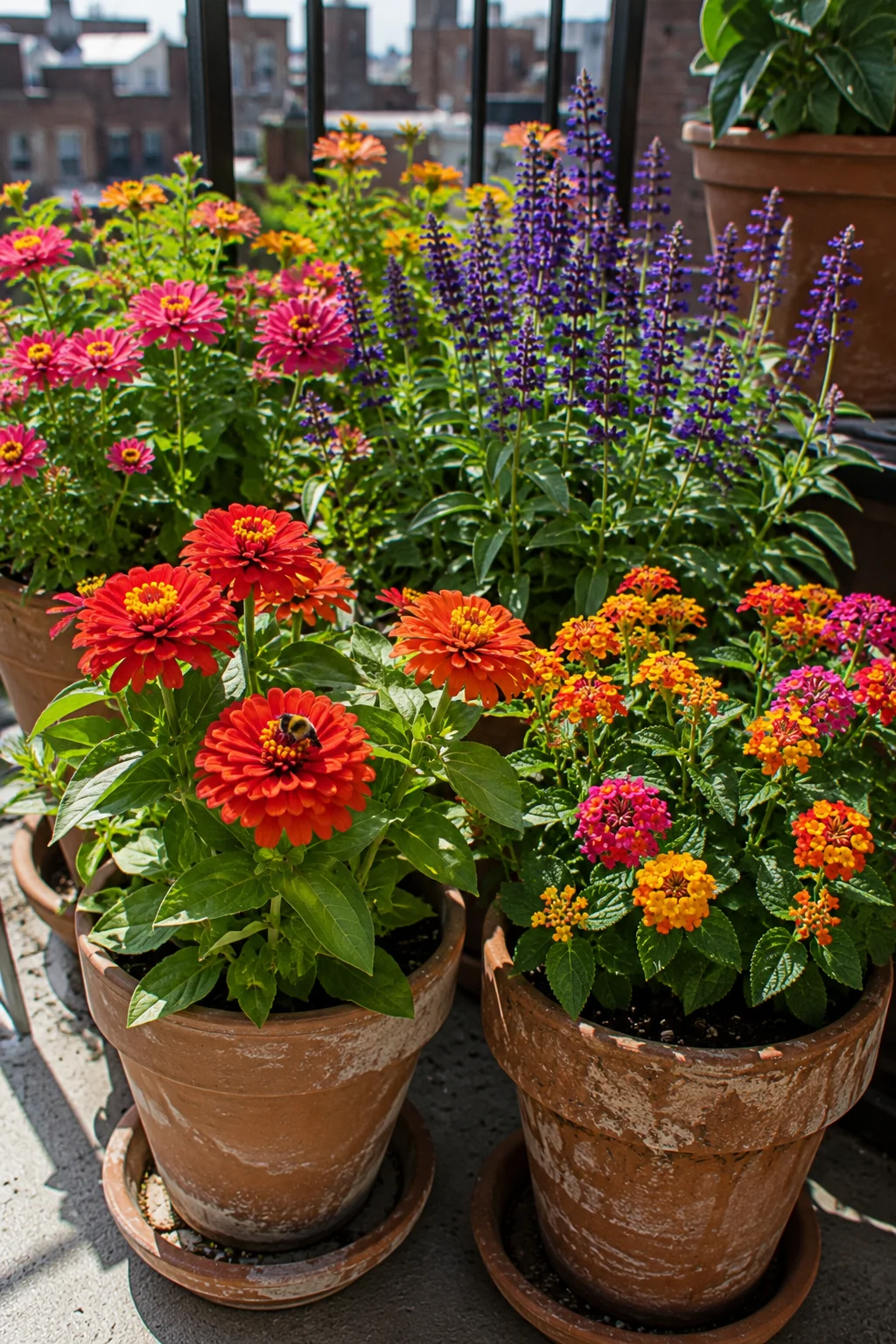
A grouped cluster of containers planted with nectar-rich annuals works as a full pollinator garden substitute for yards with little to no ground space, as covered in more depth in the container pollinator garden guide for balconies and patios. This works because pollinators will visit container plantings just as readily as garden beds when the flowers offer real nectar and pollen. Group at least three to five pots together rather than spacing them apart, since clustering makes the bloom volume more visible and worthwhile for foraging insects. Choose varieties like zinnia, salvia, and lantana that are known to be reliable pollinator draws in containers.
12. Hanging Basket Trio
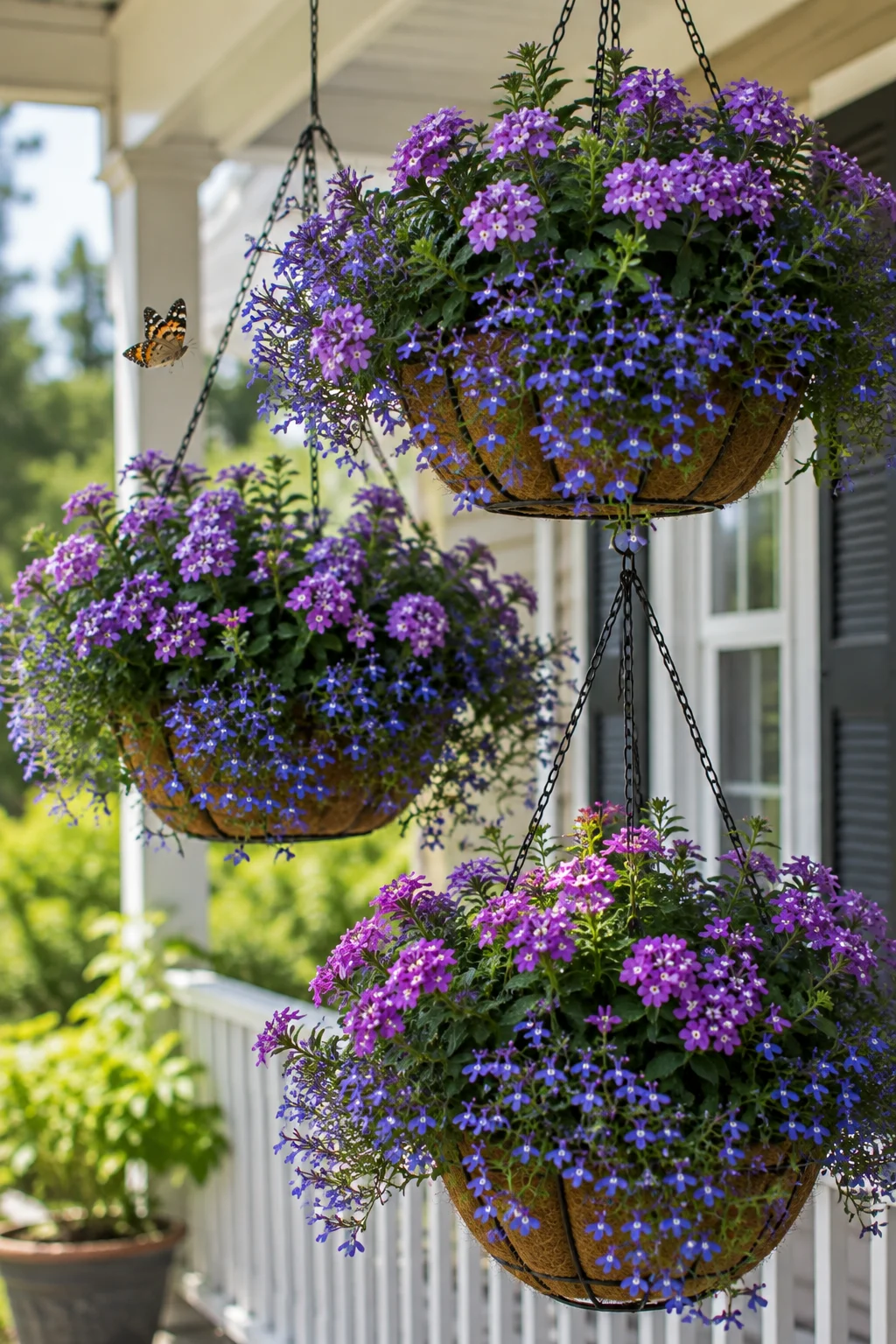
Three hanging baskets planted with trailing, nectar-rich flowers like lobelia or verbena add pollinator habitat at a height ground-level plantings cannot reach, which is useful for small patios and porches. This works because it uses vertical space efficiently while still offering real forage value, provided the flower varieties are chosen for pollinators rather than purely for looks. Hang the baskets at slightly different heights to create visual layering and give pollinators multiple landing points. Water hanging baskets more frequently than ground plantings, since they dry out faster with more air exposure on all sides.
13. Vertical Planting Wall
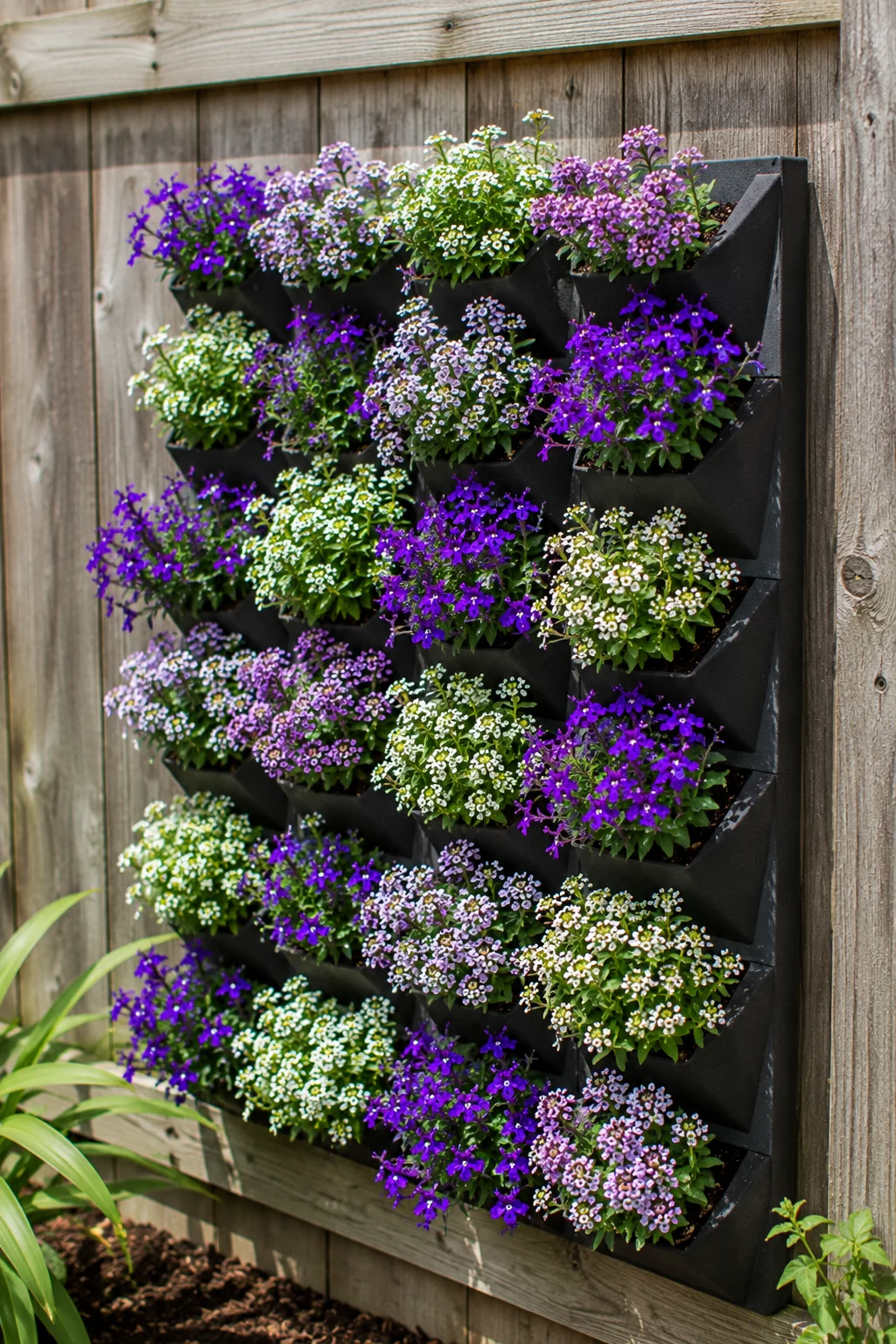
A modular vertical planter mounted on a fence or wall lets you fit a meaningful number of flowering plants into a footprint of just a few square feet. This works especially well for extremely small yards or courtyards, since it turns an otherwise blank vertical surface into growing space. Mount the panel frame securely into wall studs or fence posts, then plant with a mix of low-growing flowering annuals suited to shallow root depth. Check the watering needs closely, since vertical planters typically dry out faster than ground-level beds.
14. Window Box Pollinator Mix
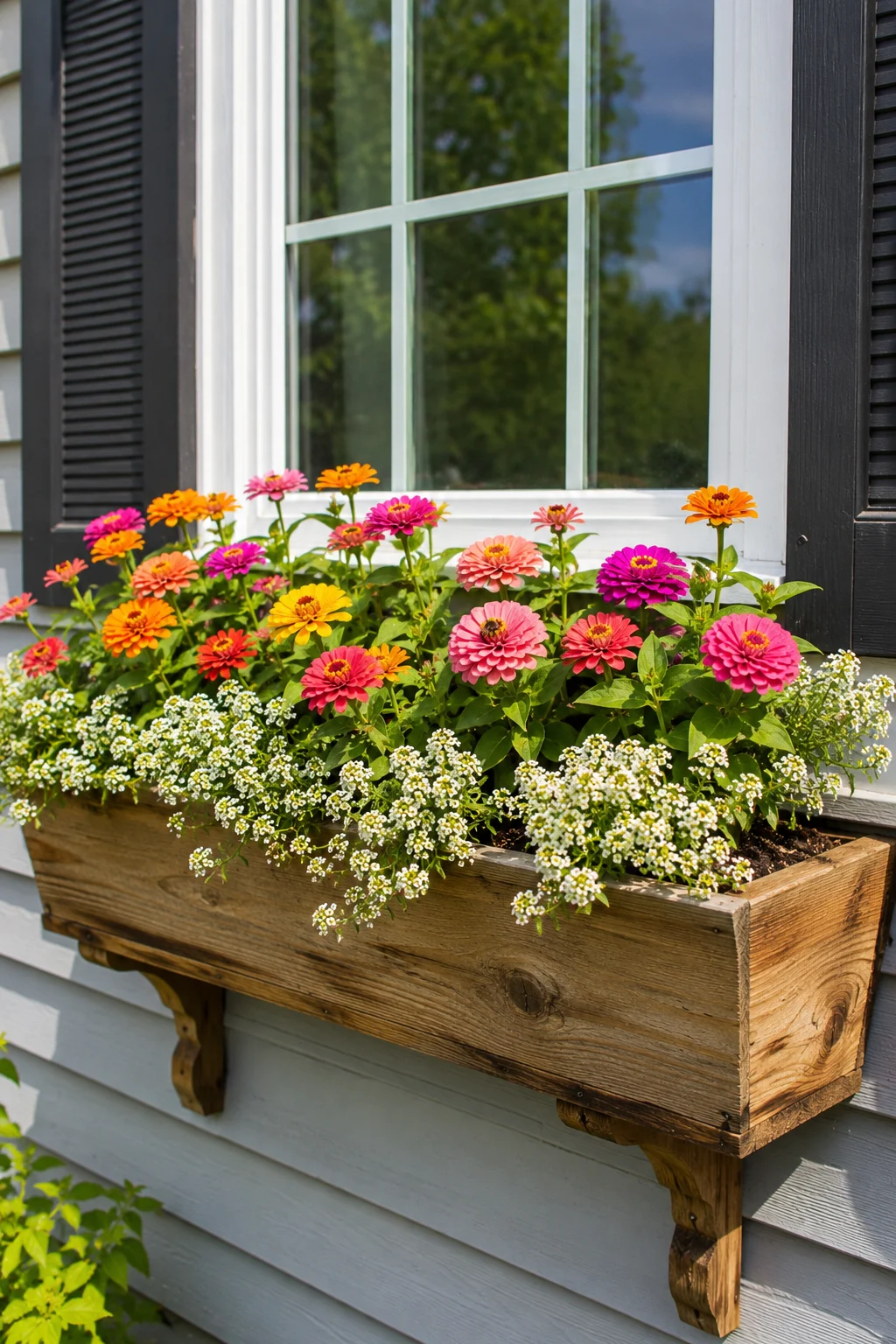
A window box planted with pollinator-friendly annuals brings bees and butterflies right up to the house, which is especially satisfying for anyone who wants to watch activity from indoors. This works because window boxes sit at a height that is easy to observe daily, unlike ground beds that may be farther from regular sightlines. Choose compact varieties like dwarf zinnia or sweet alyssum that will not outgrow the box’s shallow soil depth. Position boxes on sun-facing windows, since most reliable pollinator annuals need at least six hours of direct light.
15. Repurposed Ladder Plant Stand
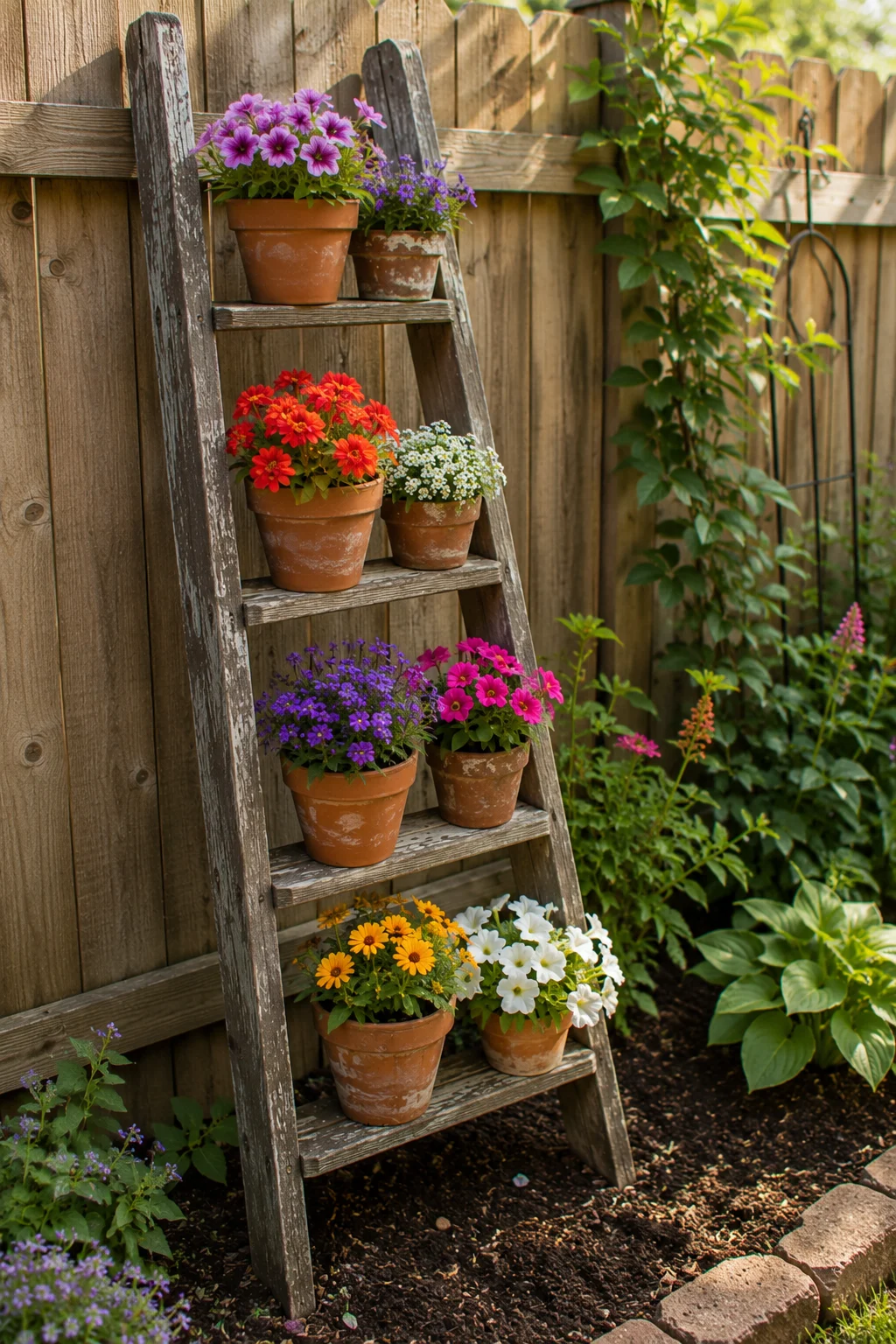
An old wooden ladder, laid on its side or leaned against a wall, makes a rustic tiered plant stand for displaying several small pollinator containers in a compact footprint. This works because it adds visual height and organization to a container grouping without buying a manufactured stand. Sand any rough or splintering wood and seal it with exterior varnish before use outdoors, then arrange pots of varying sizes across the rungs. This idea works well for repurposing a ladder that is no longer safe to climb but still structurally sound enough to hold potted plants.
Water & Shelter Features
16. Shallow Bee Bath
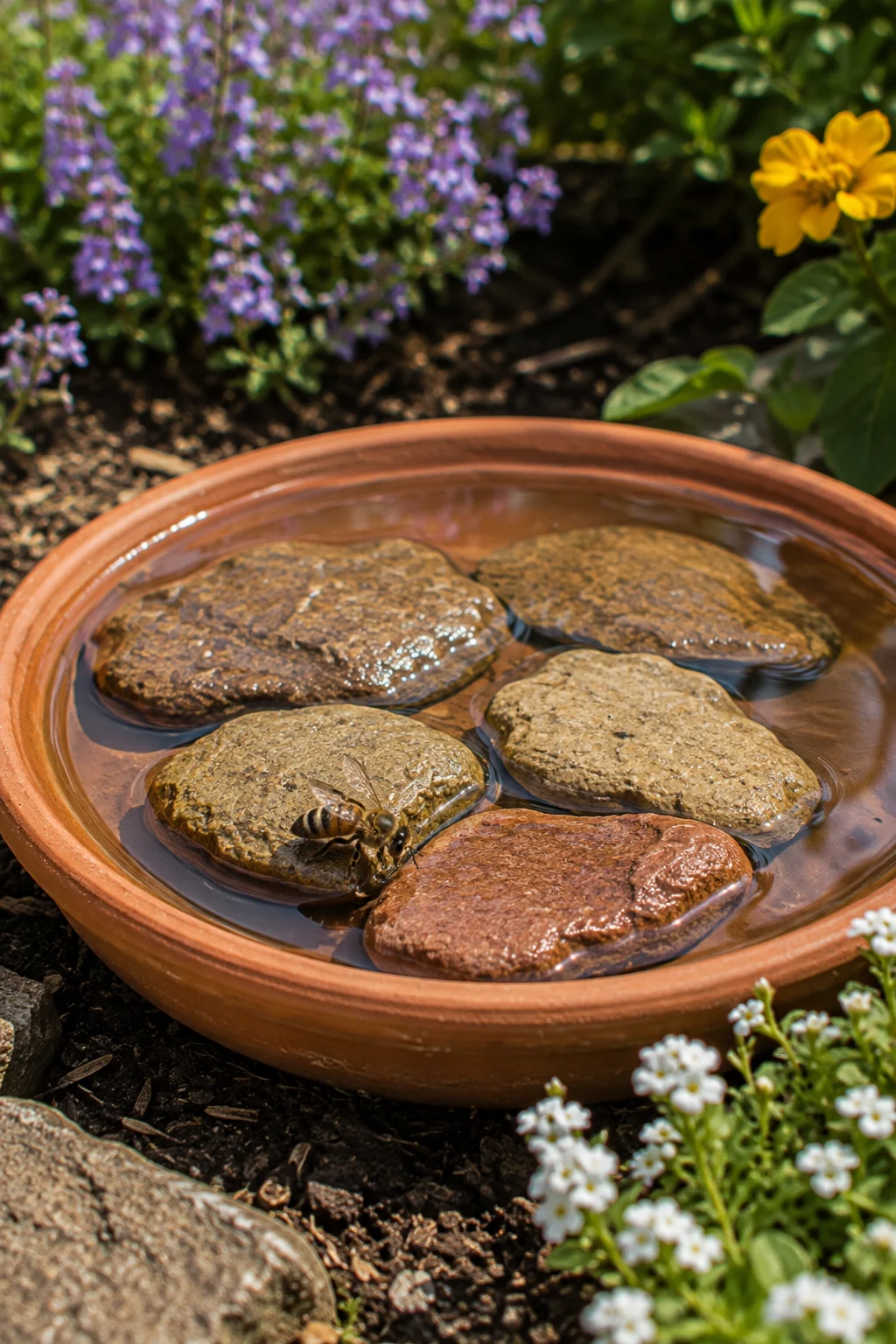
A shallow dish filled with water and a few flat stones gives bees and other pollinators a safe place to drink without the risk of drowning that deeper water sources present. This works because bees need water for hydration and to help regulate hive temperature, but most cannot swim, so they need a shallow landing spot. Fill a wide, shallow dish with water, add stones or marbles that break the surface so insects have somewhere to land, and refresh the water every few days to prevent mosquito breeding. Place the bath near your densest planting so pollinators find it easily while foraging.
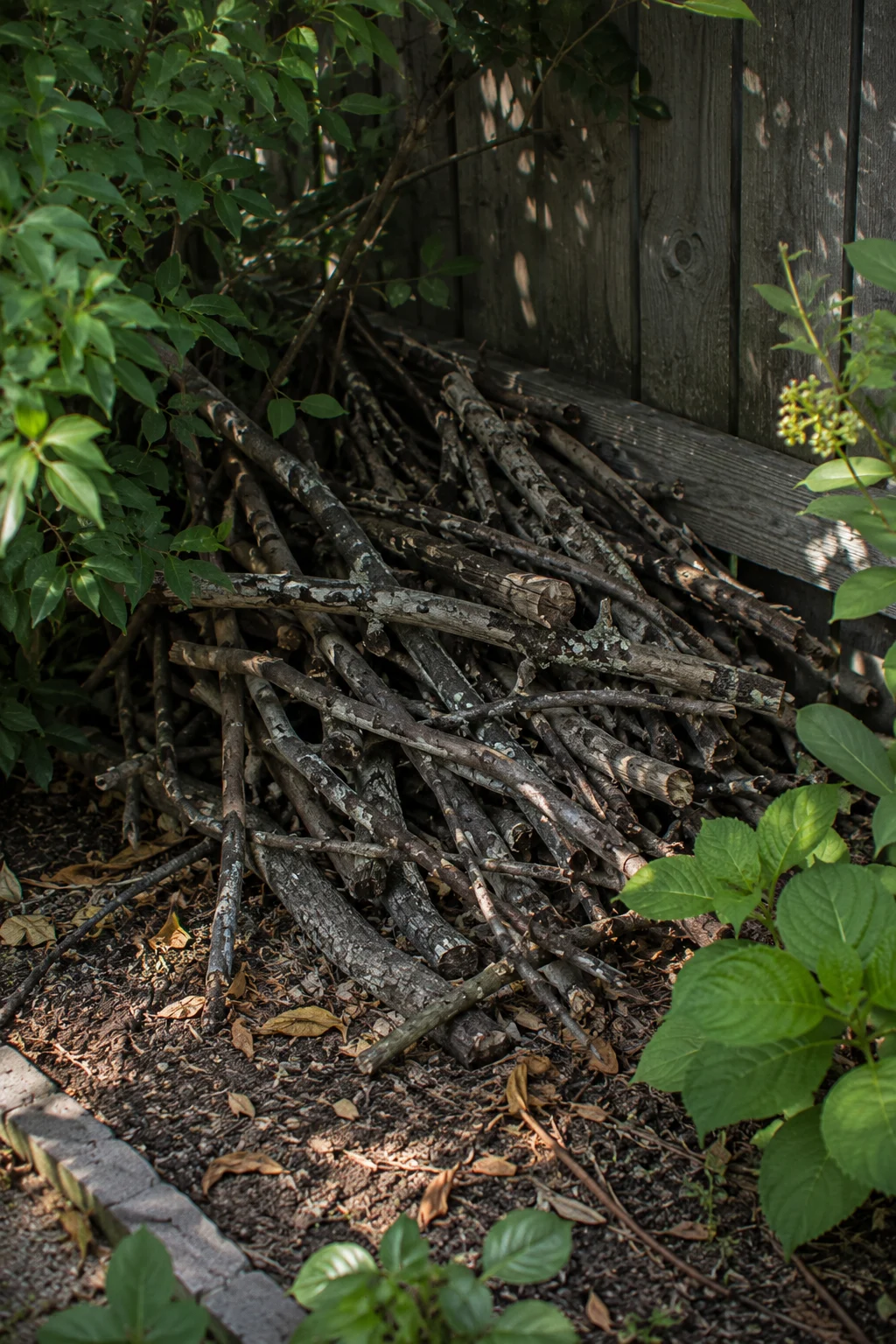
17. Small Brush Pile Corner
A modest pile of fallen branches and twigs tucked into an unused corner offers shelter and nesting habitat for a range of beneficial insects, something the Xerces Society specifically recommends alongside flower plantings. This works because many solitary bees and overwintering insects rely on brush and leaf litter rather than open ground, resources that are often removed during routine yard cleanup. Build the pile loosely rather than tightly packed, so gaps remain for insects to move through and nest in. Keep the pile small and tucked in a corner if a tidy look matters elsewhere in the yard.
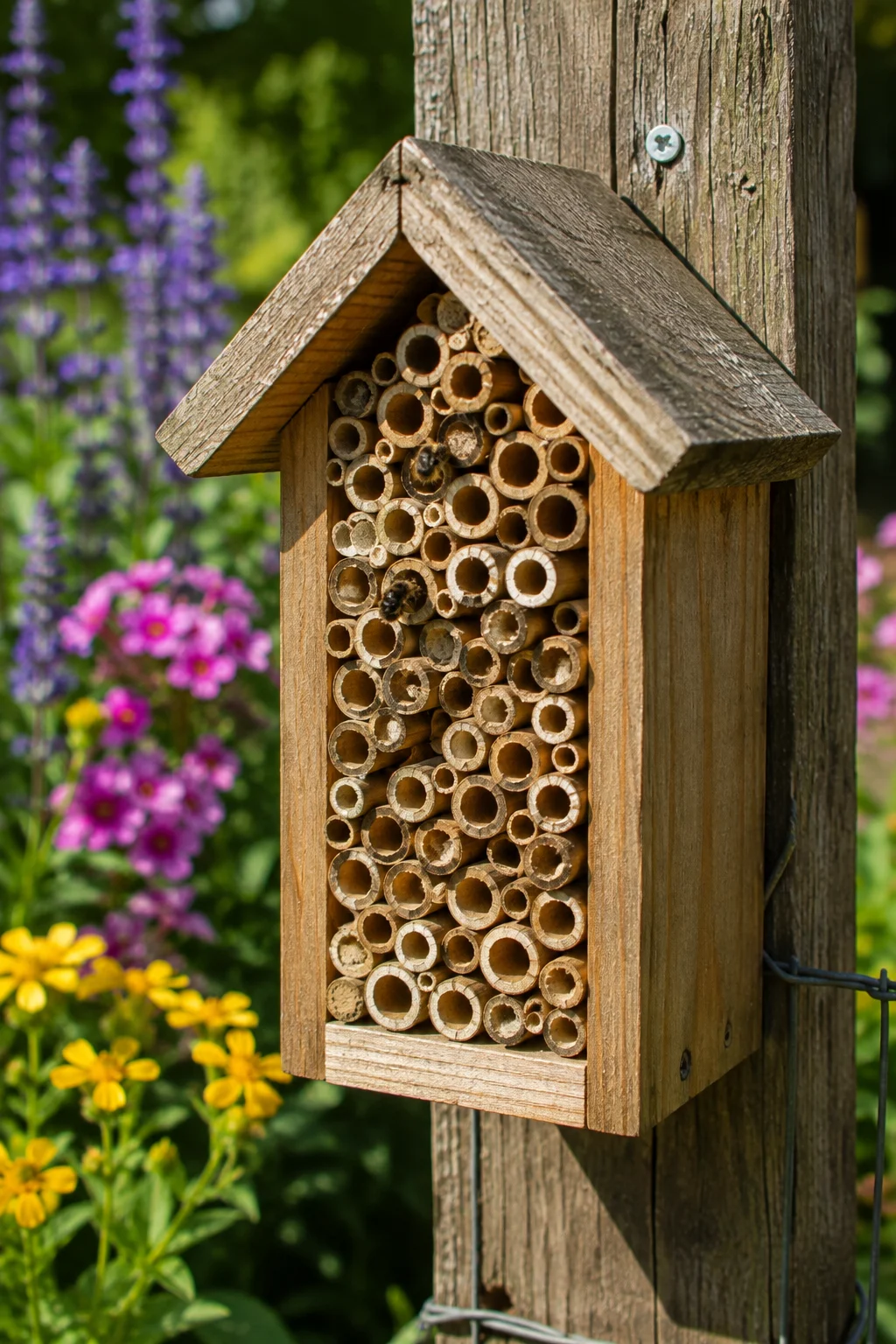
18. Mini Bee Hotel
A small wooden bee hotel, filled with hollow tubes or drilled blocks, provides nesting sites for solitary bees, which make up the majority of native bee species and do not live in hives. This works because most native bees need a hollow cavity to lay eggs in, unlike honeybees, so a bee hotel fills a habitat gap that flowers alone cannot address. Mount the hotel at least three feet off the ground, facing morning sun, and away from strong wind exposure. Replace or clean the nesting tubes every year or two to reduce the buildup of pests and disease.
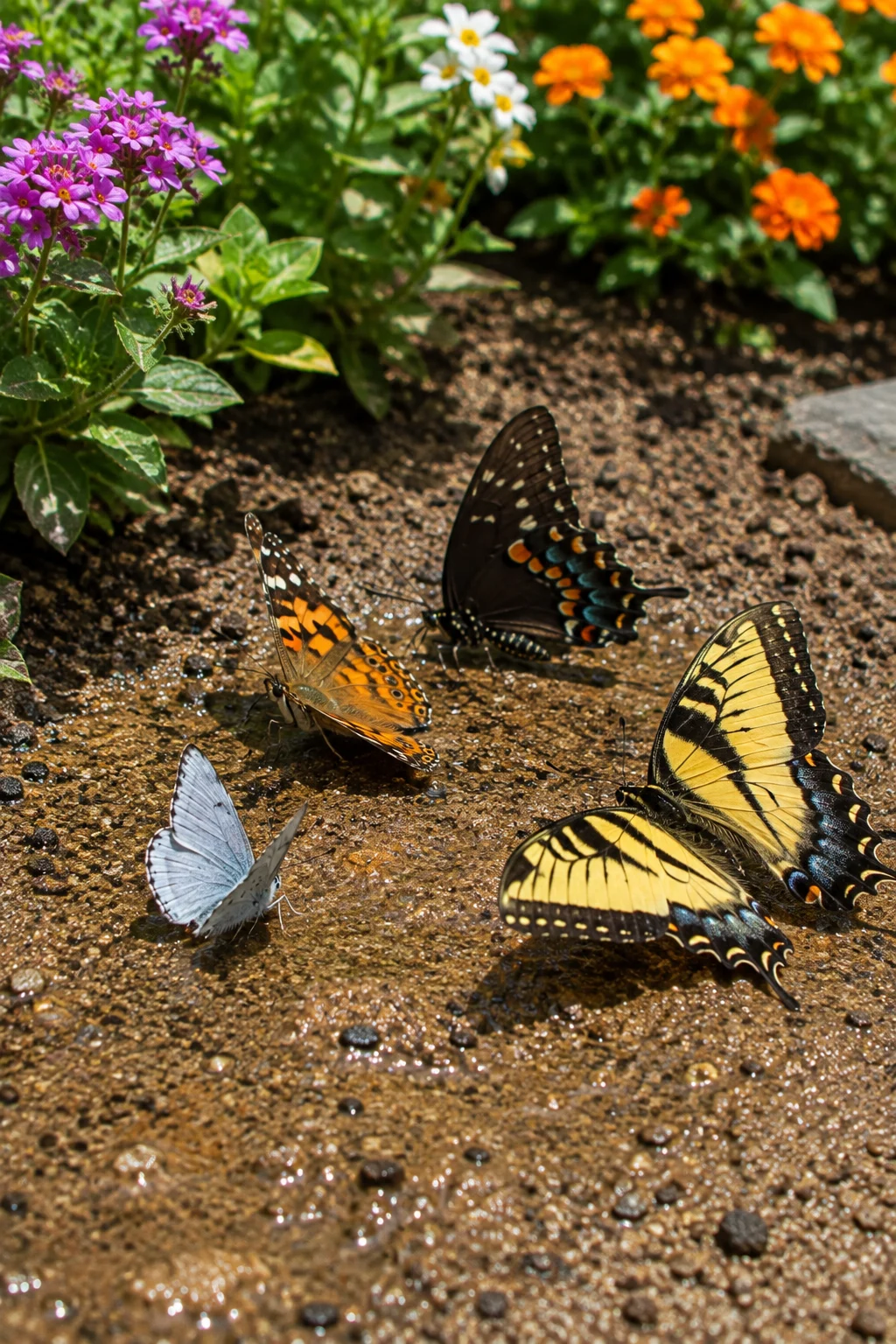
19. Mud Puddling Station
A shallow patch of damp sand or exposed soil gives butterflies a place to puddle, a behavior where they draw minerals and salts from moist ground, which flowers alone cannot provide. This works because puddling is a genuine nutritional need for many butterfly species, particularly males, and is often left out of pollinator garden planning entirely. Create the station by keeping a small patch of sandy soil consistently damp, sometimes with a bit of added compost for extra minerals. Position it in a sunny, sheltered spot near your densest flower plantings so butterflies encounter it naturally.
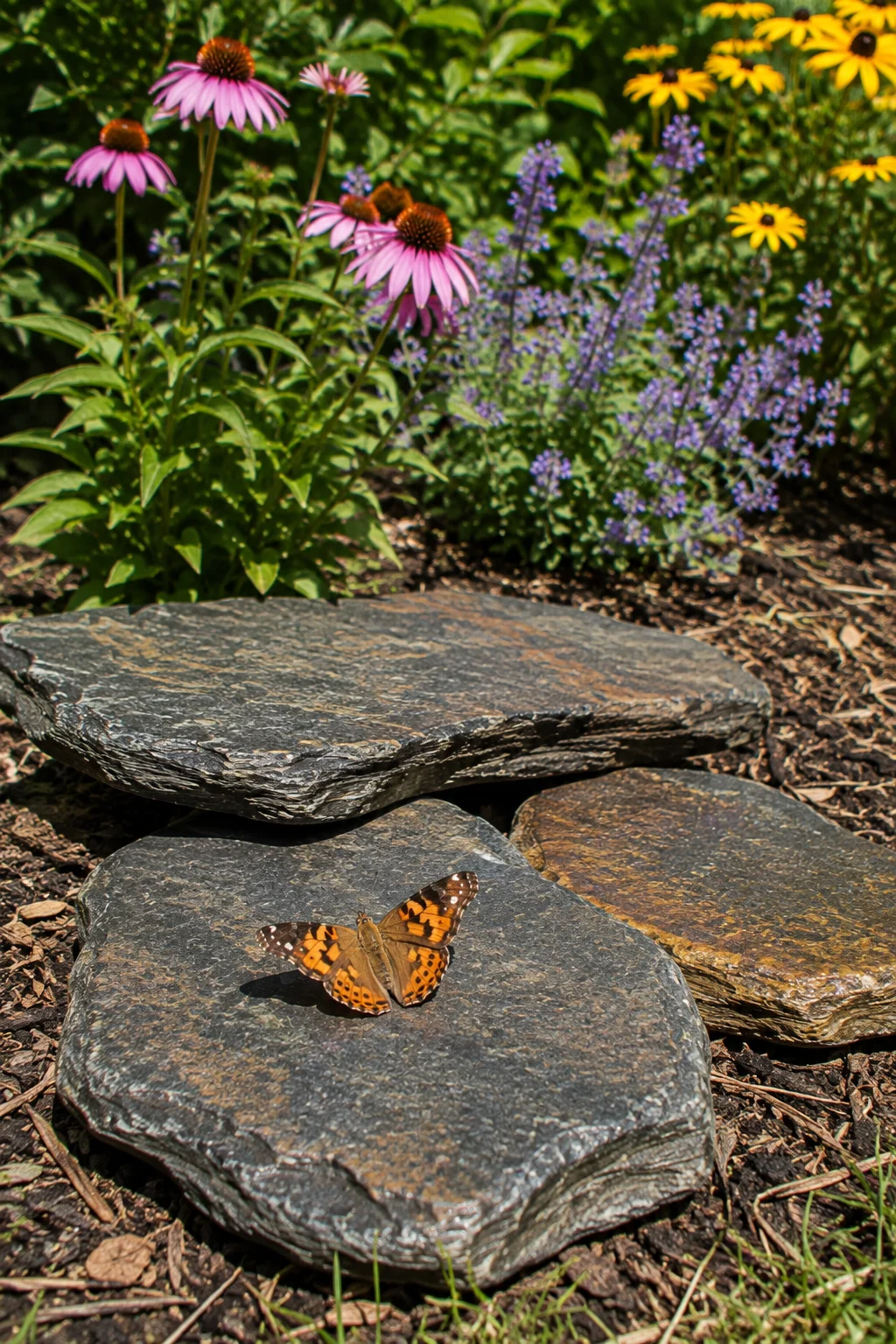
20. Rock Pile Basking Spot
A small cluster of flat rocks placed in a sunny spot gives butterflies and other cold-blooded pollinators a warm surface to bask on, which they need to raise their body temperature before flying. This works because butterflies are most active on warm, sunny surfaces, and a rock pile provides that consistently in a way that soil or mulch does not. Choose flat, dark-colored stones, since they absorb and hold heat more effectively than light-colored or rounded rocks. Position the rocks where they get full morning sun, since that is when most butterflies need to warm up before the day’s activity begins.
Seasonal Succession Planning
21. Spring Ephemeral Patch
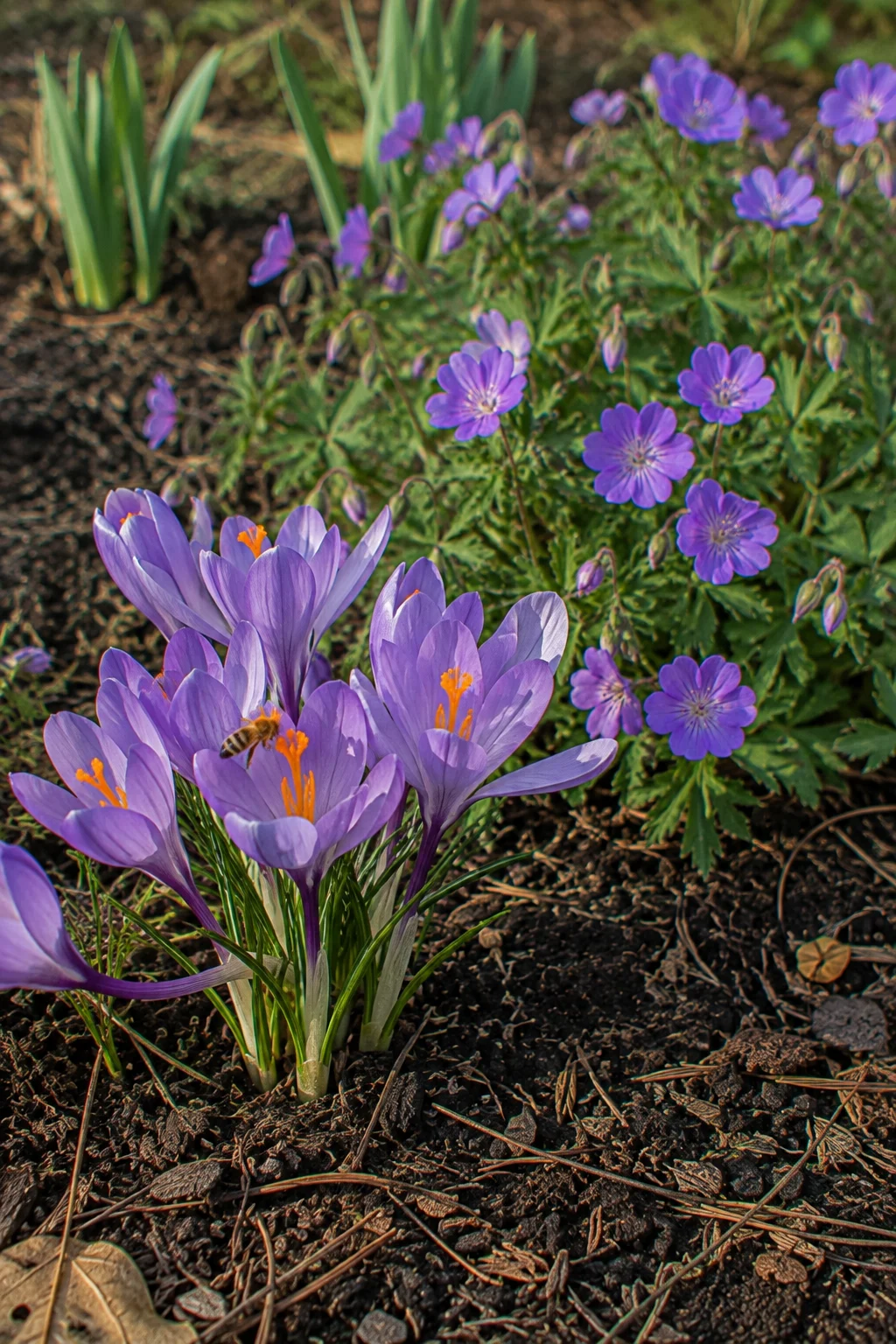
A small patch of early-blooming plants like crocus and wild geranium gives pollinators a food source in early spring, when very little else is in bloom and emerging bees need it most. This works because the gap between winter and full spring bloom is a genuinely difficult period for pollinators, and even a small patch of early flowers can make a real difference. Plant spring bulbs the previous fall in a spot that gets full sun before deciduous trees leaf out and shade the area. Let the foliage die back naturally after blooming, since it feeds the bulb for next year’s flowers.
22. Summer Peak Bloom Zone
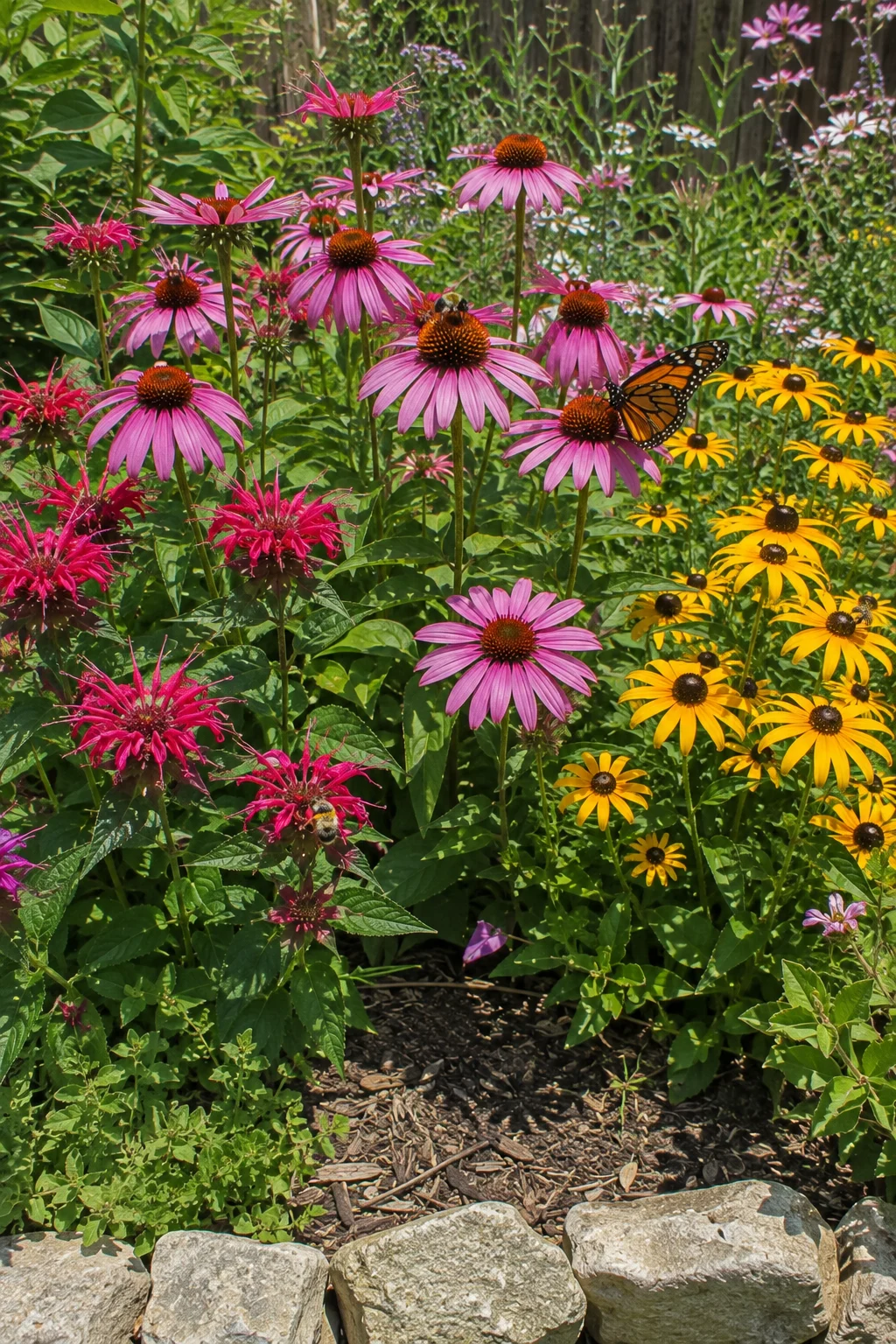
Designating one section of the garden specifically for high-volume summer bloomers like coneflower, bee balm, and black-eyed susan ensures there is always a dense concentration of nectar during the busiest pollinator months. This works because summer is when pollinator populations and activity peak, so concentrating bloom volume during this window has an outsized impact. Choose three or four reliable summer bloomers and plant them in generous drifts rather than single specimens scattered around. This zone will likely need the most regular deadheading and watering of any part of the garden through the hottest months.
23. Late-Season Aster and Goldenrod Patch
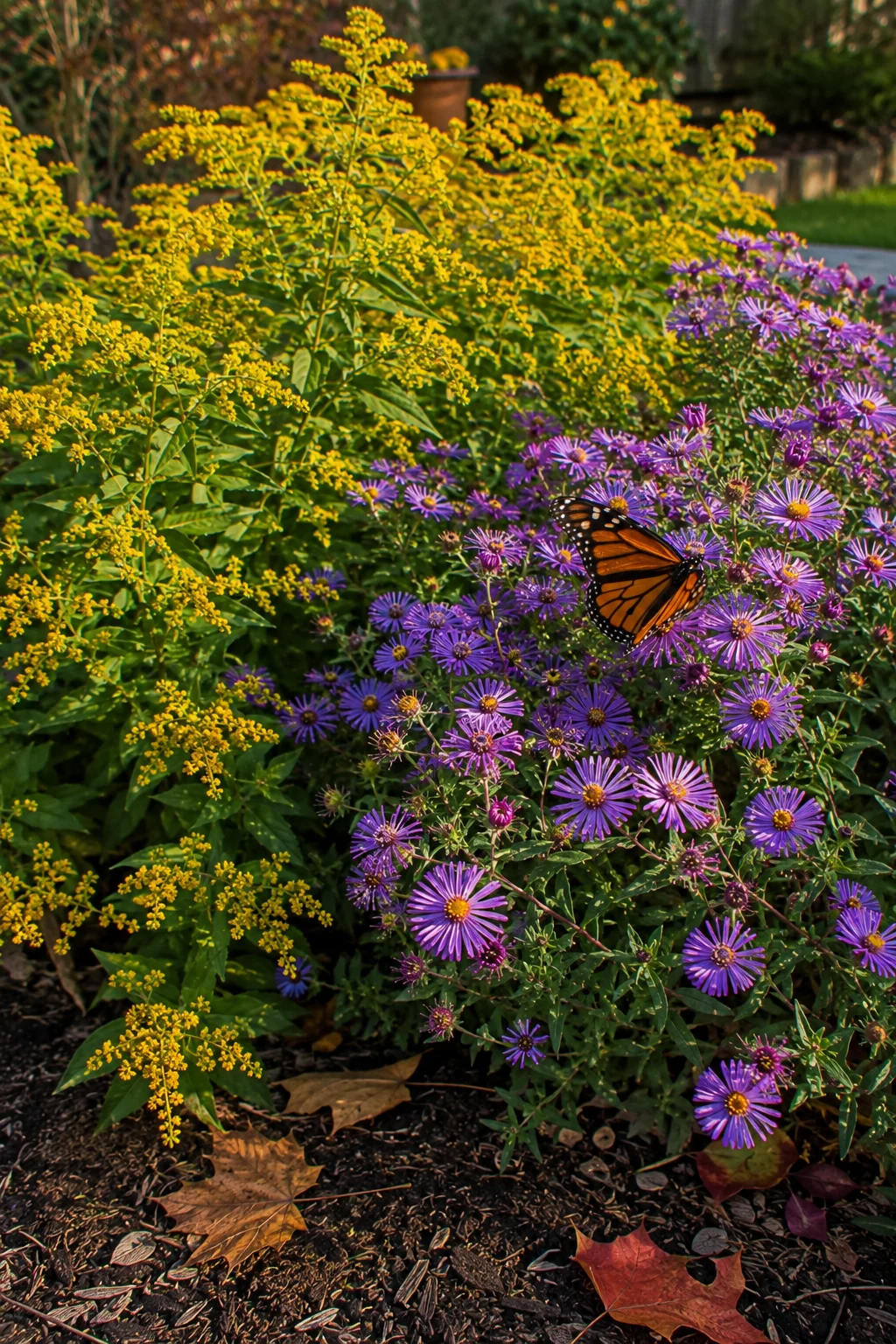
A dedicated patch of aster and goldenrod extends the garden’s bloom season into fall, providing crucial late-season nectar for pollinators preparing for winter or migrating south. This works because most gardens taper off in bloom by early fall, right when many pollinators, including monarch butterflies on their migration route, need food the most. Plant both species in a sunny spot with room to spread, since goldenrod in particular can form dense colonies over a few seasons. Despite common misconceptions, goldenrod’s heavier pollen does not cause allergies, unlike wind-pollinated ragweed that blooms at the same time.
24. Overwintering Seed Head Border
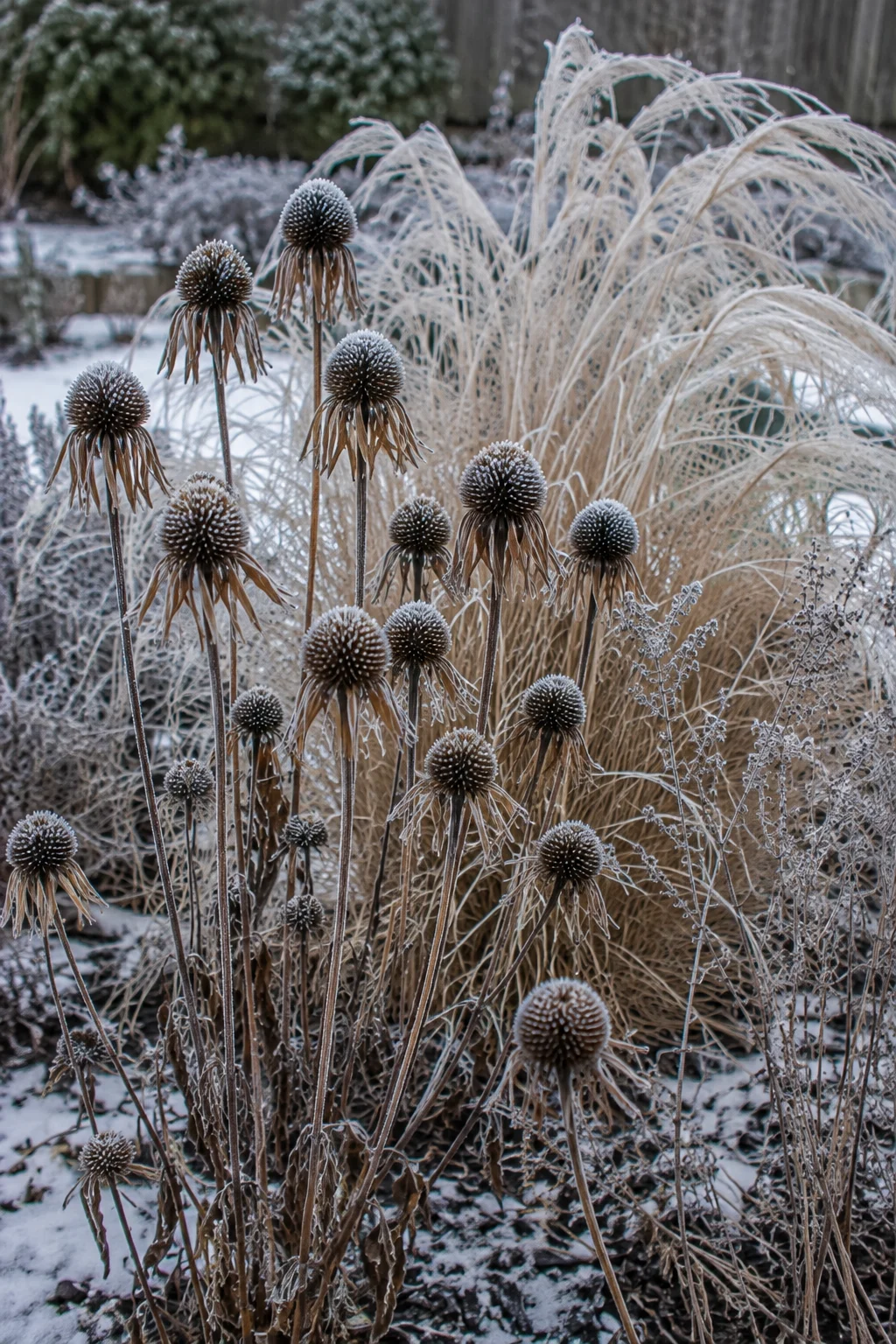
Leaving spent flower stalks and seed heads standing through winter instead of cutting the garden back in fall provides shelter for overwintering insects and food for birds. This works because many beneficial insects overwinter inside hollow plant stems, and cutting everything down in fall removes that habitat before it has been used. Choose one border or bed to leave fully standing through winter, then cut back gradually in spring once temperatures have warmed consistently, rather than all at once. This approach also adds visual interest to an otherwise bare winter garden, especially plants like coneflower and ornamental grasses that hold their shape well.
Low-Maintenance & Budget Ideas
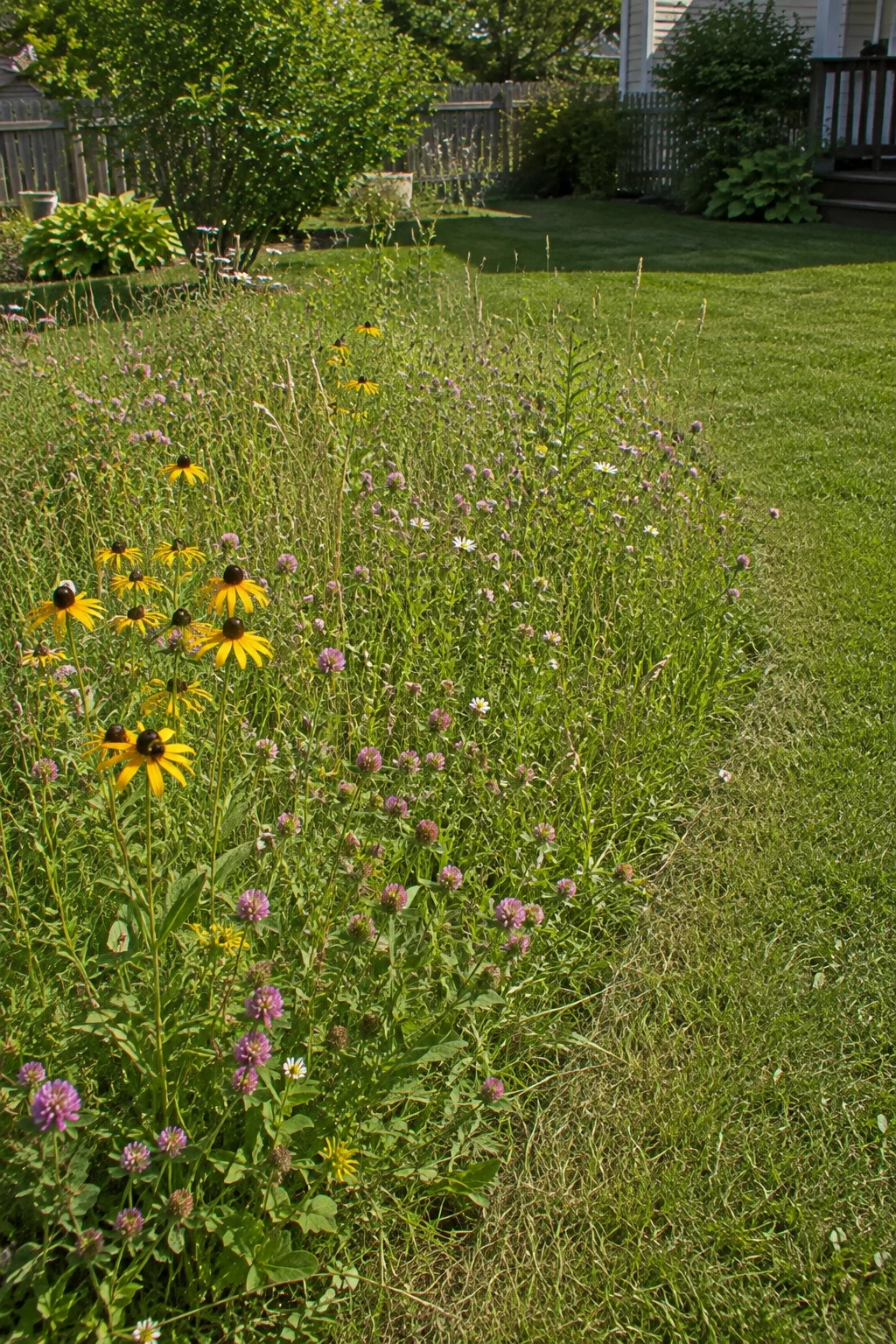
25. No-Mow Micro Meadow Patch
Converting a small section of lawn, even just a ten-by-ten-foot patch, into an unmowed meadow of native grasses and wildflowers reduces mowing while adding real pollinator habitat. This works because it requires no bed preparation beyond stopping mowing and overseeding with native wildflower seed, making it one of the lowest-effort ideas on this list. Mow the patch once in late fall or early spring to prevent woody growth from taking over, but otherwise leave it alone through the growing season. Choose a spot visible from a window or patio so the change feels intentional rather than like a neglected corner.
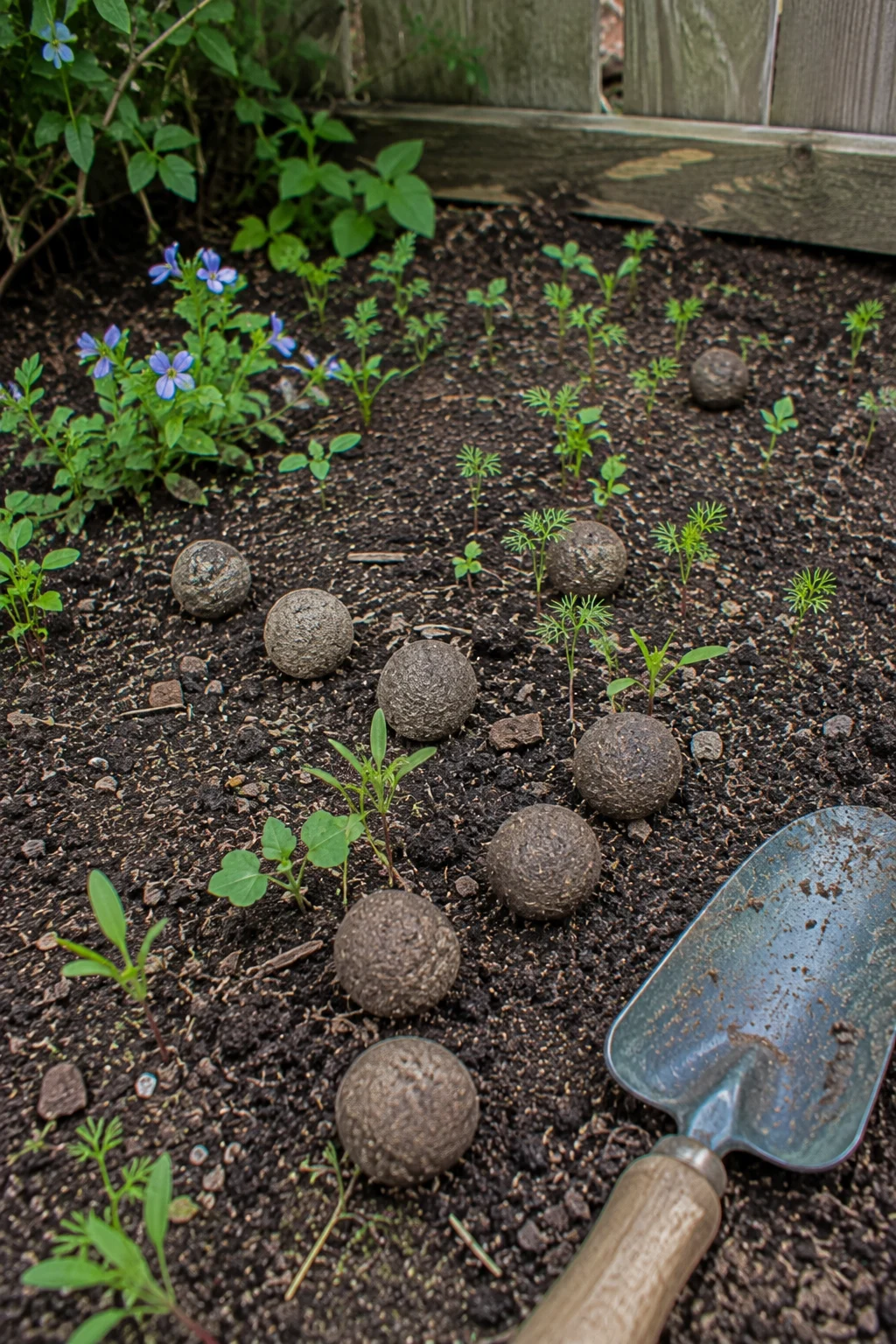
26. Seed Bomb Wildflower Corner
Scattering native wildflower seed bombs, small balls of seed mixed with clay and compost, into a bare or neglected corner is one of the least expensive ways to start a pollinator planting. This works because the clay coating protects the seed until rainfall breaks it down, making the method more forgiving than traditional seeding for beginners. Choose a seed mix specific to your region rather than a generic blend, since regional natives are more likely to establish successfully. Scatter the bombs in fall or early spring and keep the area lightly watered until seedlings are visible.
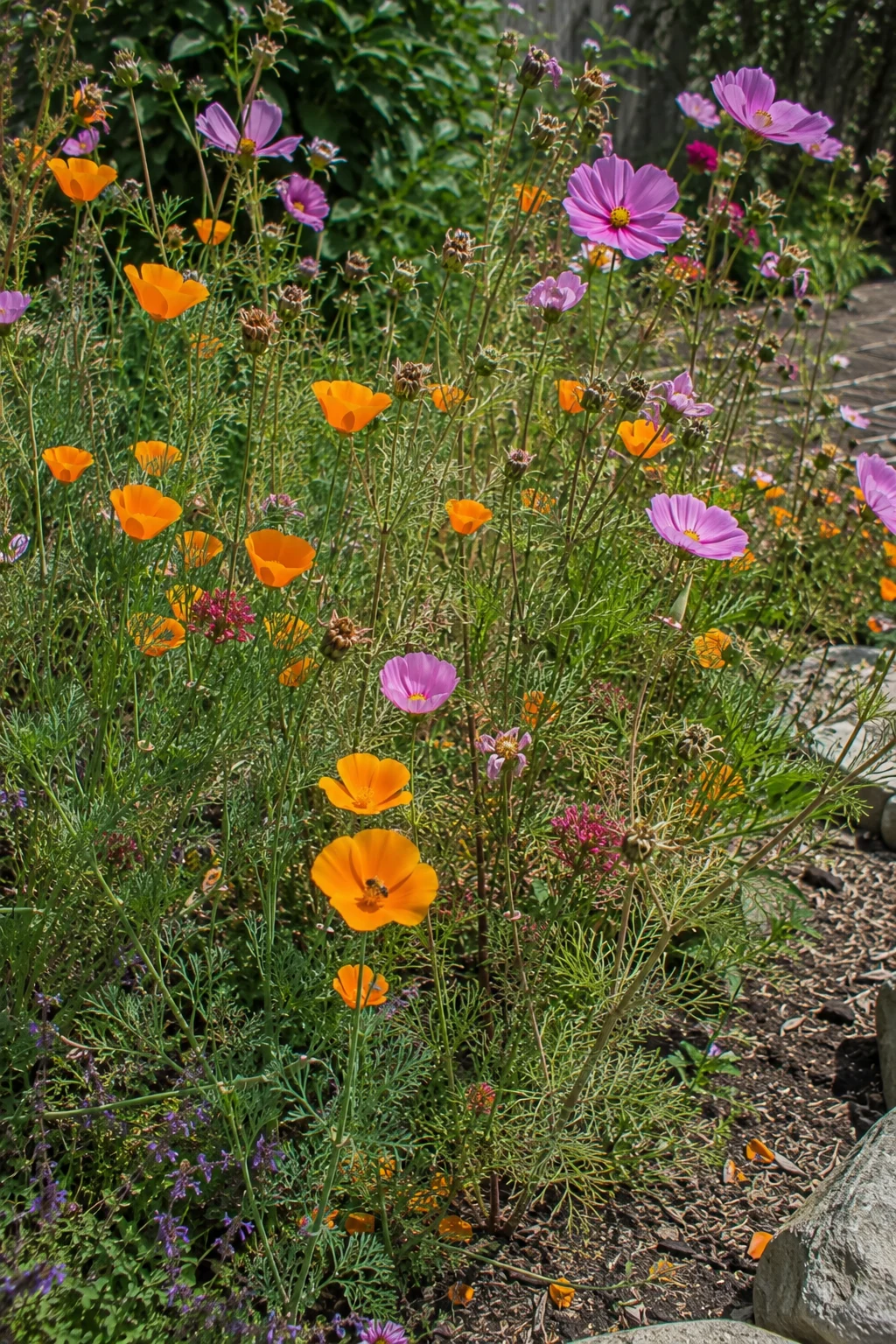
27. Volunteer Self-Seeder Zone
Designating a small area where self-seeding annuals like cosmos or California poppy can spread freely from year to year builds a low-maintenance pollinator patch that mostly replants itself. This works because once established, self-seeders return each year with minimal effort beyond occasional thinning, unlike annuals that must be replanted from scratch. Plant the initial seeds in a loosely defined bed, then let fallen seed from spent blooms fill in naturally the following season. Resist the urge to deadhead every spent flower in this zone, since some need to go to seed for the patch to regenerate.
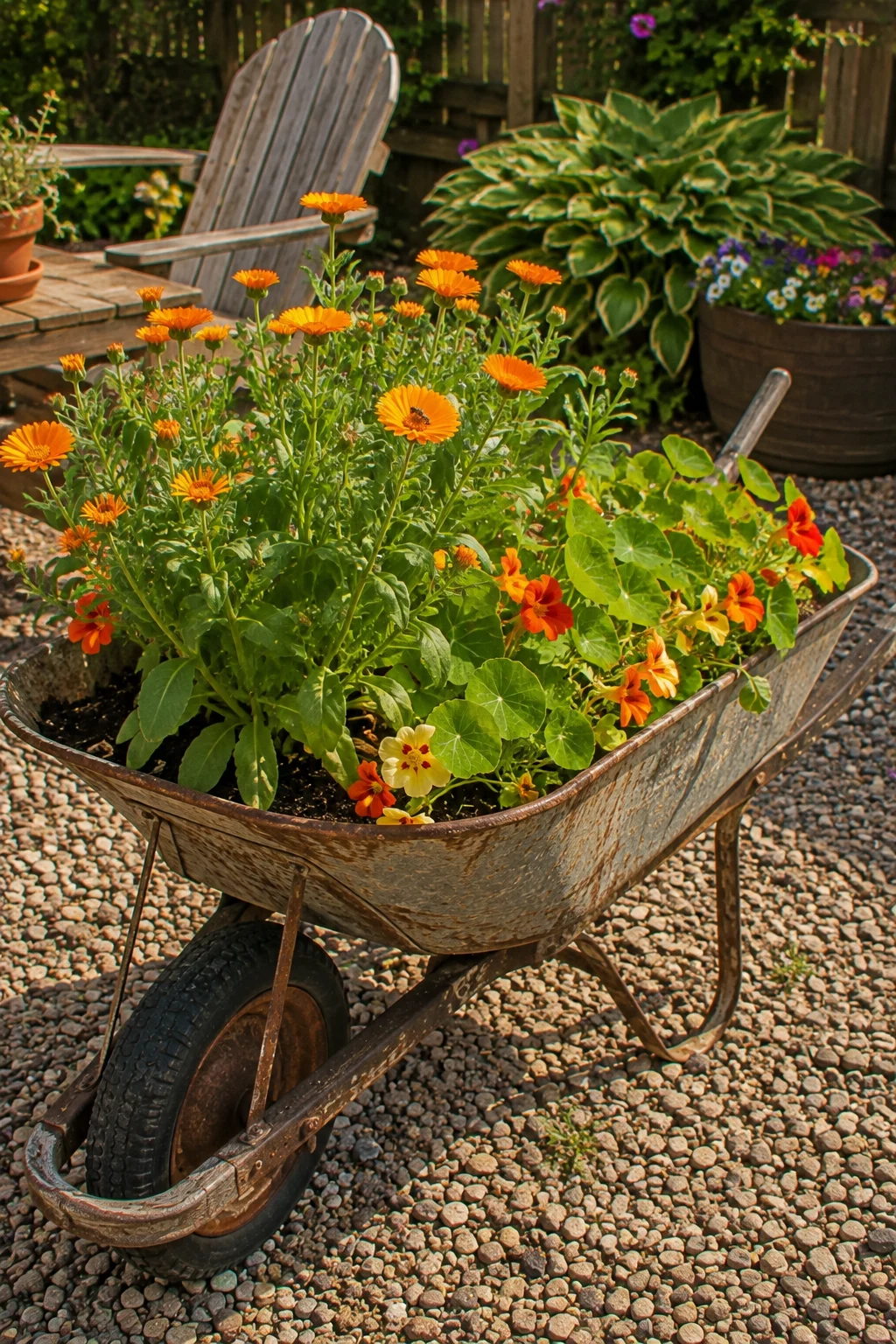
28. Repurposed Container Garden
Using items already on hand, like an old wheelbarrow, watering can, or wash basin, as planters for pollinator flowers keeps costs low while adding character to a small garden. This works because it avoids buying new containers altogether, and repurposed items often have a rustic charm that fits casual backyard styles well. Drill drainage holes in the bottom of any repurposed container before planting, since most were not originally designed to hold soil. Fill with a mix of pollinator-friendly annuals like calendula or nasturtium, both of which tolerate the shallower soil depth many repurposed containers offer.
How to Choose From This List
With 28 pollinator garden ideas spanning layout, plants, containers, shelter, and seasonal timing, the most effective approach is to build a small system rather than picking ideas at random. Start with one layout idea and one plant selection idea to establish your main bed, then add a water or shelter feature nearby, since pollinators need more than flowers alone to thrive. For a deeper dive into which specific plants perform best across a full season, see 23 best plants for pollinators to round out your final plant list. Avoid trying to fit every category into one small yard at once, since a few well-executed ideas outperform a scattered mix every time.
Final Thoughts
A small backyard can support a genuinely useful pollinator garden without needing to be converted entirely, and most of the ideas here can be layered in gradually as time and budget allow. The goal is not a perfectly tidy garden but a space that consistently offers food, water, and shelter across the whole growing season.
Start with one bed, one container cluster, or even just letting a patch of herbs flower this year, and build from there once you see what pollinators actually respond to in your specific yard. Small, consistent additions tend to add up to more habitat over time than one large project attempted all at once.