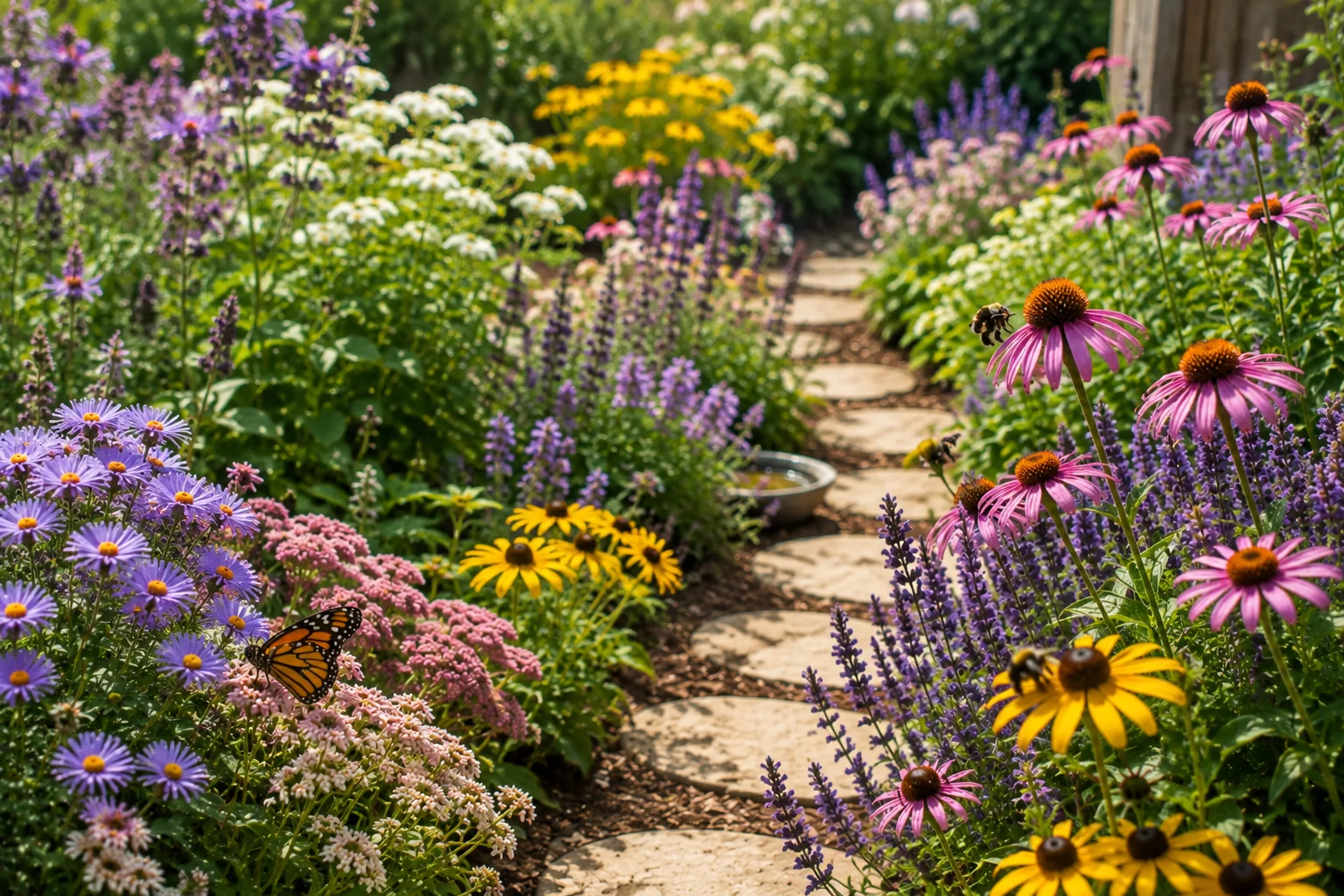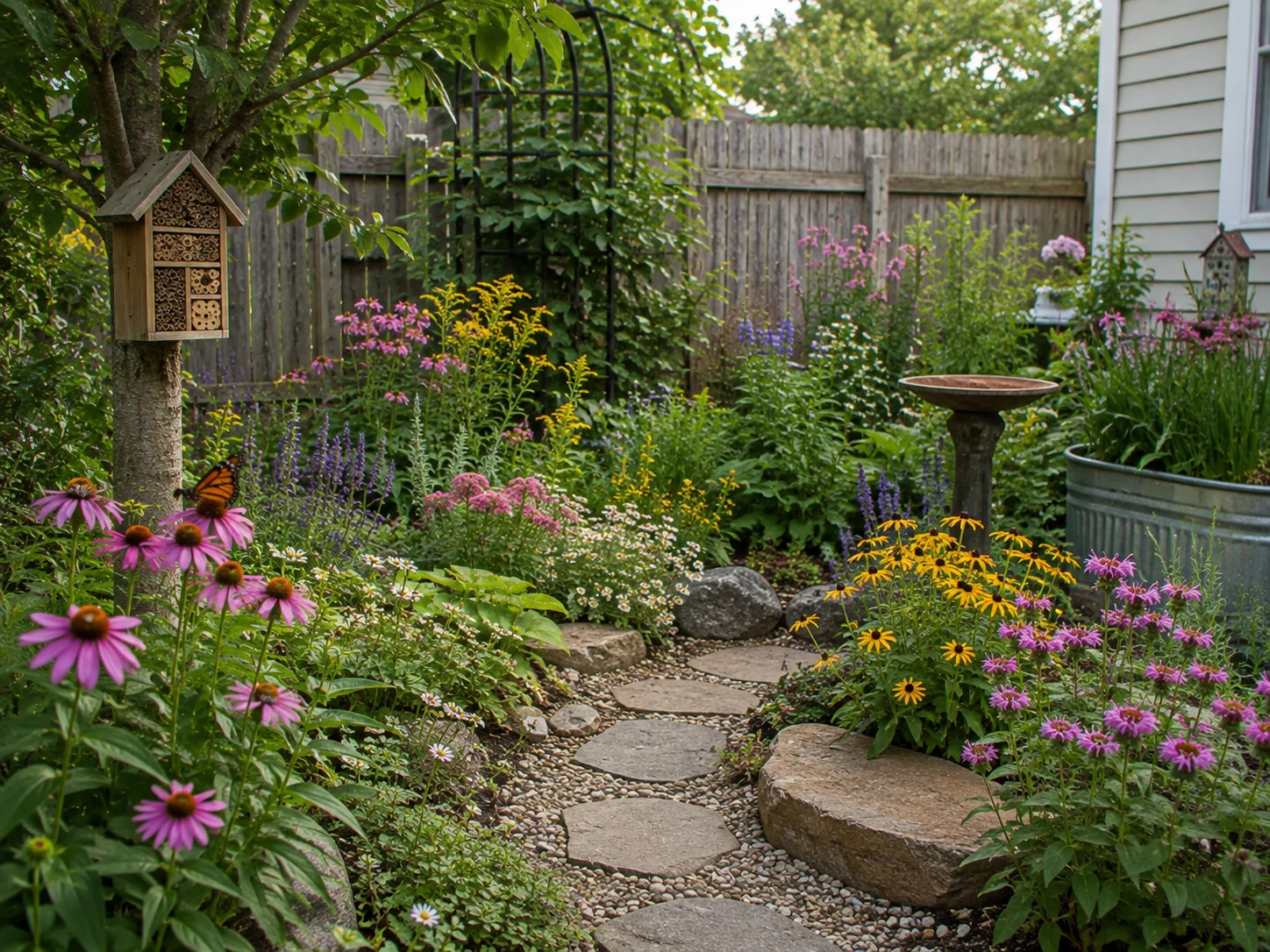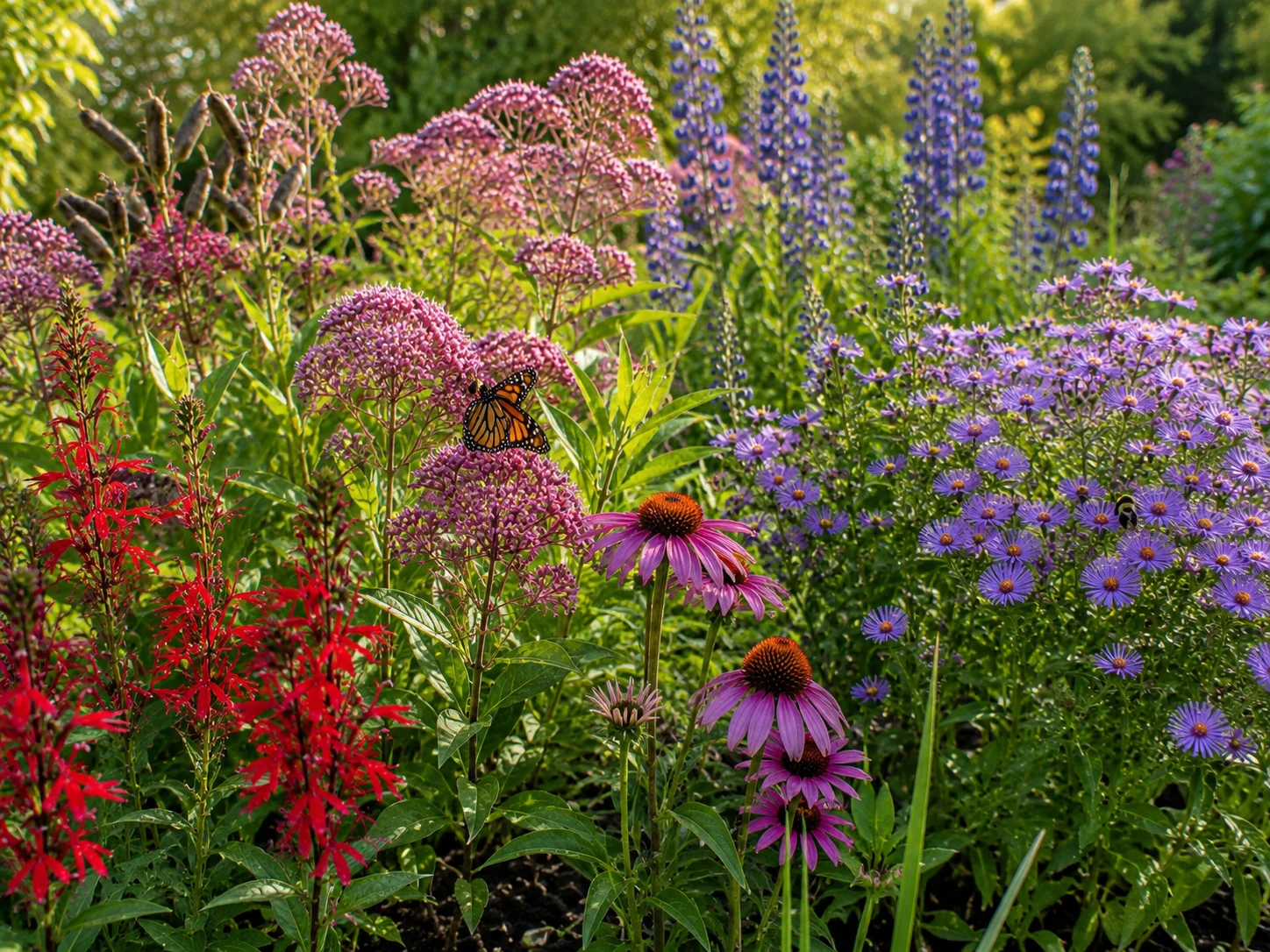

Creating a sanctuary for bees, butterflies, and beneficial insects is one of the most fulfilling projects a backyard gardener or beginner beekeeper can take on. However, there is a pervasive and damaging myth in the landscaping world regarding wildlife habitats. People tend to believe they only have two options: a sterile, heavily manicured lawn that requires endless chemical treatments, or a wild, chaotic, overgrown jungle that angers the neighbors and takes over the driveway.
When we attempt to bridge this gap, we often make mistakes. In a desperate bid to reduce garden chores, some well-meaning homeowners rely on heavy landscape fabric, generic “wildflower” seed bombs, or sterile double-bloom flowers. Unfortunately, these “shortcuts” often result in an ecological dead zone.
The good news? You absolutely do not have to spend every weekend pulling weeds or deadheading flowers to support your local apiary and wild pollinators. By implementing smart, ecologically sound design strategies from the very beginning, you can drastically reduce your labor while actively increasing the biodiversity of your yard.
This guide will teach you exactly how to keep a pollinator garden low maintenance, visually appealing, and highly functional for the insects that desperately need it.
The Myth of the “Zero Maintenance” Garden
Before we dive into the strategies, we need to set realistic expectations. There is no such thing as a “zero maintenance” garden. If you completely walk away from a patch of dirt, nature will eventually reclaim it, usually starting with the most aggressive, invasive weeds in your local area.
A truly successful low-maintenance pollinator garden shifts your labor. Instead of fighting nature with herbicides, synthetic fertilizers, and constant watering, you are simply guiding the ecosystem. You are creating a self-sustaining plant community that eventually does the heavy lifting for you.
1. Plant in Dense, Repeated Sweeps (The “Green Mulch” Strategy)
The absolute most time-consuming chore in any traditional garden is weeding. Weeds thrive on one thing: bare soil exposed to sunlight. Traditional landscaping spaces plants far apart, surrounded by an ocean of dyed wood chips, which inevitably invites weeds to sprout in the empty gaps.
The Fix:
To create a low-maintenance habitat, you must plant densely. Think of your plants as a “green mulch.” When you pack native perennials tightly together, their foliage naturally shades the soil, preventing weed seeds from germinating and locking in critical moisture.
- Plant in Drifts: Group three to five of the same plants together. Not only does this suppress weeds, but it also creates a highly visible target for foraging honeybees.
- Layer Vertically: Combine tall structural plants, medium flowering perennials, and creeping ground covers.
- Start Small: If designing a densely packed bed feels intimidating, try building the garden backbone with a few reliable plant roles before slowly expanding your footprint.
2. Embrace the “Right Plant, Right Place” Philosophy
You will spend an agonizing amount of time and money trying to force a plant to grow where it doesn’t want to be. Trying to keep a moisture-loving fern alive in a baked, sandy, full-sun yard requires endless watering. Trying to make a sun-loving lavender bloom in heavy clay shade requires constant soil amending.
The Fix:
Let your yard dictate your plant choices.
- Test Your Soil: Determine if you have clay, sand, or loam, and check your drainage.
- Map Your Sun: Track how many hours of direct sunlight your garden beds actually receive.
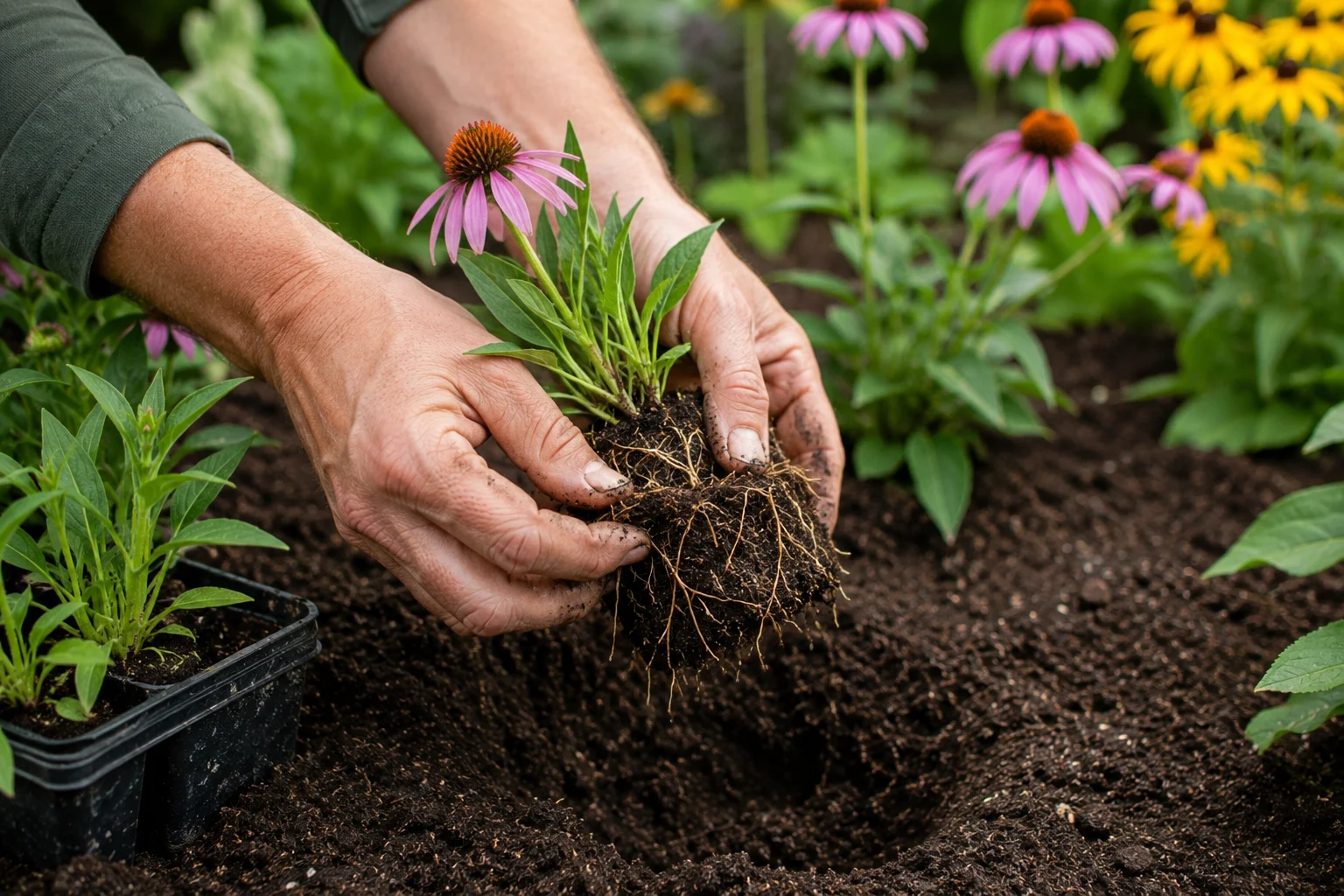
- Choose Natives: Native plants have evolved over thousands of years to thrive in your specific local conditions without synthetic fertilizers or daily watering. According to the University of Delaware’s research on native ecology led by Dr. Doug Tallamy, native plants are significantly more resilient to local weather extremes and support exponentially more native insects than introduced exotic species.
3. The “Tidy Border” Strategy
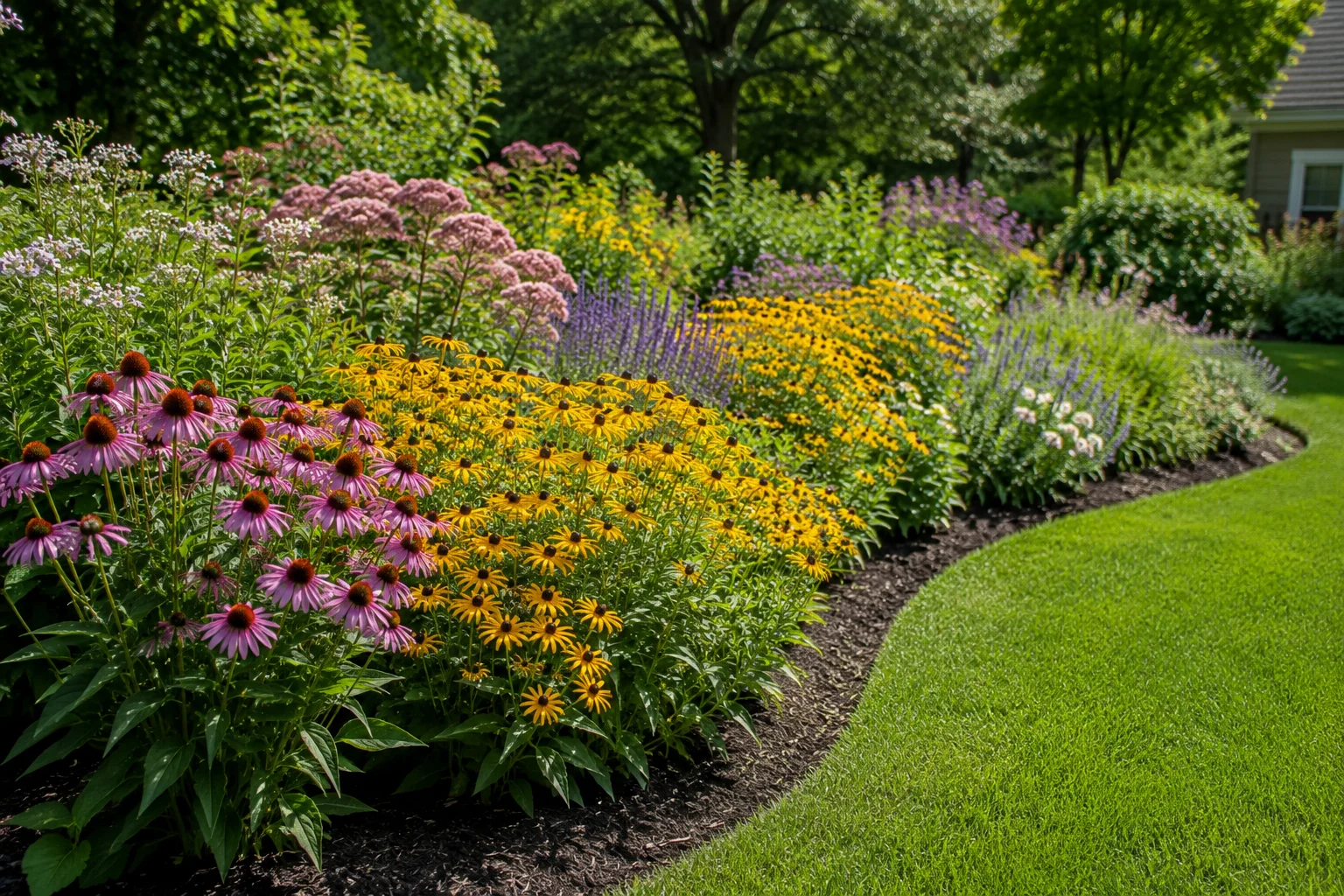
A low-maintenance native garden can quickly look unruly and neglected if you do not define its boundaries. When a garden looks messy, neighbors complain, and you feel pressured to aggressively prune everything back, which destroys the habitat.
The Fix:
You can let the interior of your garden be as wild and chaotic as the bees want, as long as you maintain strict, clean edges on the outside.
- Mow a Crisp Edge: Keep a clean, mown strip of turf grass between your flower beds and the sidewalk.
- Hardscaping: Use natural stone borders, low wooden fences, or permeable walking paths to box in the wildness.
- Controlled Wildness: When you are turning temporary no-mow areas into permanent habitat with clean edges, maintaining a tidy border is the secret to making your yard look managed and intentional rather than abandoned.
4. Rethink Your Fall Cleanup (Less Work = Better Habitat)
Traditional fall landscaping is exhausting. It involves cutting down every dead flower stalk, raking up every single leaf, bagging it all in plastic, and leaving the yard completely bare. This labor-intensive process is also the fastest way to kill the pollinators you spent all summer trying to attract.
The Fix:
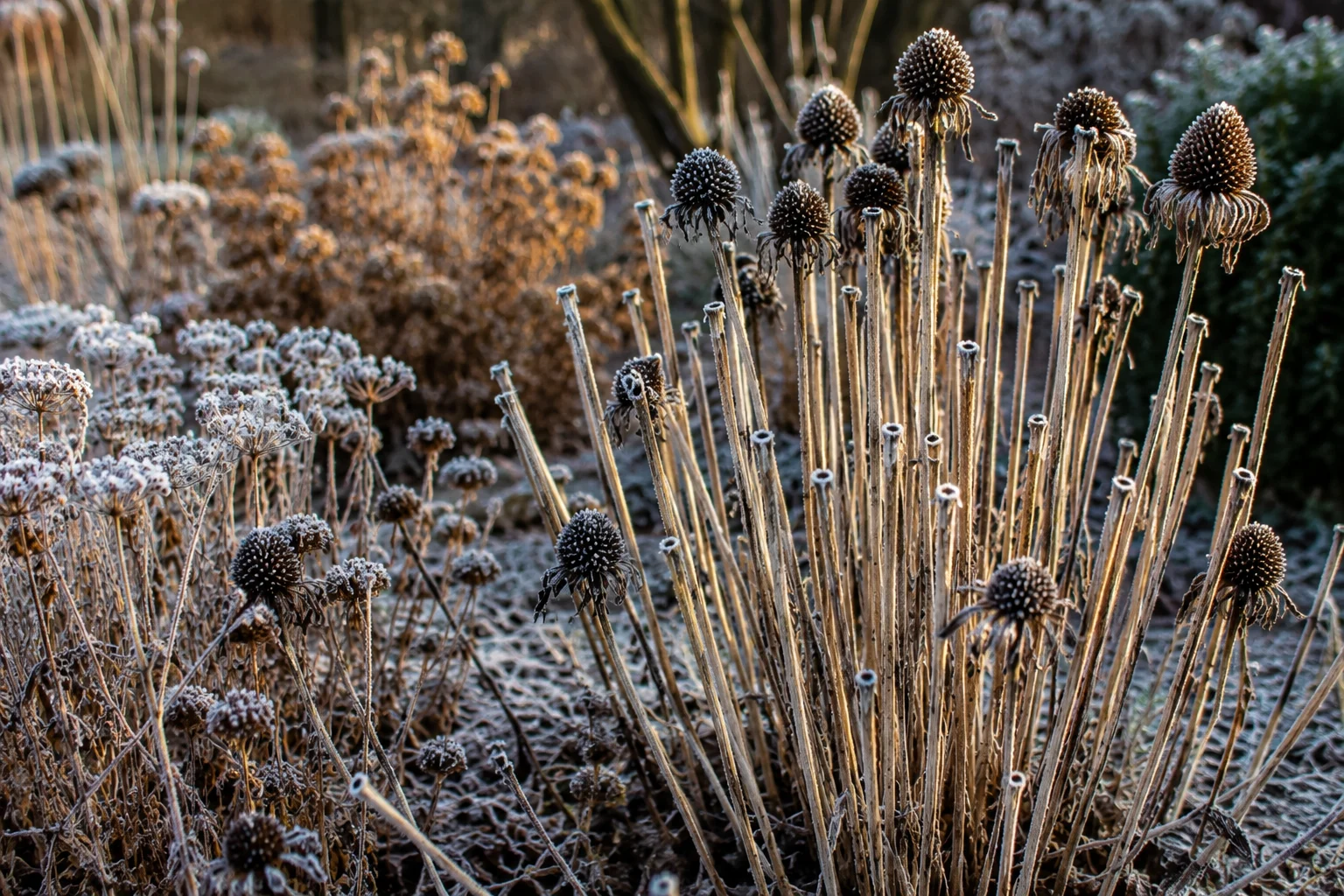
Be a “lazy” gardener in the autumn. The Xerces Society for Invertebrate Conservation strongly advocates for leaving leaf litter and dead stems in your yard over the winter.
- Leave the Stems: Hollow flower stalks from coneflowers, joe-pye weed, and sunflowers act as perfect, naturally insulated nesting tubes for solitary bees. Leave them standing until late spring.
- Keep the Leaves: Instead of bagging leaves, gently rake them directly into your garden beds. They act as a free, nutrient-rich mulch that suppresses spring weeds and provides a winter blanket for pupating butterfly caterpillars.
- By adopting a selective fall cleanup routine, you save yourself hours of back-breaking labor while preserving the overwintering insects that will pollinate your yard next year.
5. Rely Heavily on Flowering Shrubs and Small Trees
While perennial flowers are beautiful, planting an entire yard full of small herbaceous plants requires quite a bit of upfront planning and eventual dividing. If you want maximum pollinator impact for the absolute minimum amount of ongoing maintenance, you need to look up.
The Fix:
Allocate at least 40% of your pollinator garden to flowering, woody shrubs and small understory trees.
- Plant Once, Feed Forever: A single mature serviceberry tree or a large viburnum shrub provides more nectar and pollen in one spring flush than an entire garden bed of small flowers.
- Weed Suppression: Large shrubs cast dense shade directly beneath them, naturally killing off grass and weeds with zero effort from you.
- No Dividing Required: Unlike clumping perennials (like hostas or daylilies) that need to be dug up and split every few years to remain vigorous, a shrub simply requires occasional, light pruning.
6. Stop Deadheading (Let Them Go to Seed)
“Deadheading” is the gardening practice of cutting off faded, dead flowers to force the plant to produce a second flush of blooms. While this works beautifully in formal rose gardens or commercial hanging baskets, it is an unnecessary chore in a low-maintenance pollinator habitat.
The Fix:
Put the pruning shears away. When a native flower fades, it transitions into producing seeds.
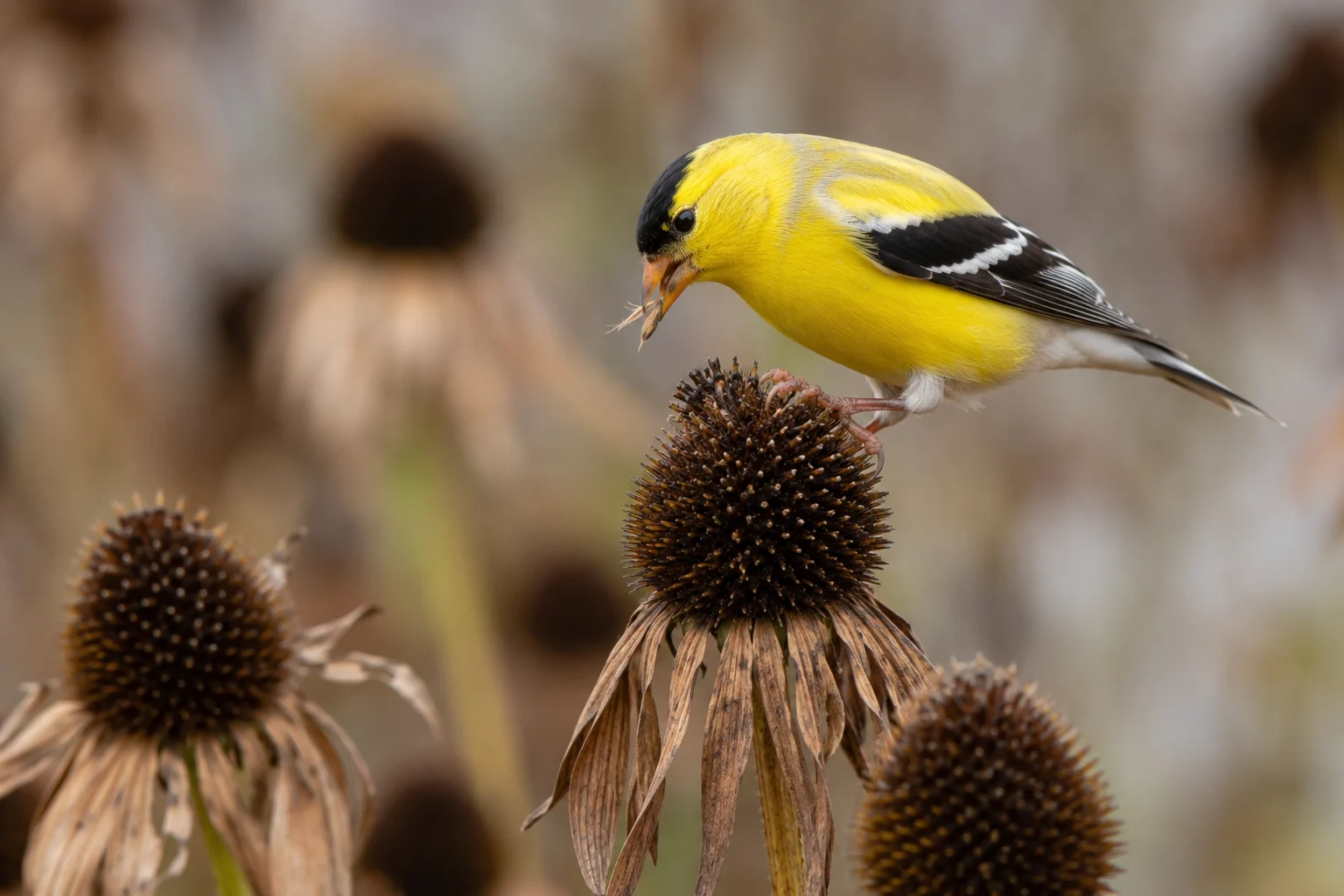
- Feed the Birds: Seedheads from plants like Echinacea, Rudbeckia, and Asters become crucial, high-protein food sources for overwintering songbirds like goldfinches.
- Self-Sowing: Allowing your plants to drop their seeds naturally ensures that your garden will automatically replenish itself next spring, filling in gaps without you having to buy or plant new plugs.
7. Build Permanent, Passive Water Stations
Pollinators, especially honeybees, consume massive amounts of water during the hot summer months to cool their hives. A common beginner mistake is placing a shallow birdbath in the sun and committing to scrubbing it out and refilling it every single day—a chore that quickly becomes annoying.
The Fix:
Create a passive, self-maintaining water source.
- The Pebble Dish: Place a heavy, wide terracotta saucer in a shaded area of the garden. Fill it entirely with flat river stones.
- Let Nature Work: When it rains, the dish will fill, and the rocks will provide safe, dry landing pads for the bees so they do not drown. Because it is in the shade, the water won’t evaporate immediately, and the stones will slow down mosquito breeding. You only need to top it off with a hose once a week during deep droughts.
Conclusion
A beautiful, functional pollinator garden does not require you to sacrifice your entire weekend to weeding, pruning, and watering. By shifting your mindset and working with your local ecosystem, you can create a thriving habitat that practically manages itself.
Pack your plants densely to suppress weeds, choose resilient native species, establish clean borders, and give yourself permission to skip the exhausting fall cleanup. When you step back and let the garden do what it was naturally designed to do, you will find you have much more free time to simply sit back, watch the bees, and enjoy the incredible sanctuary you have built.