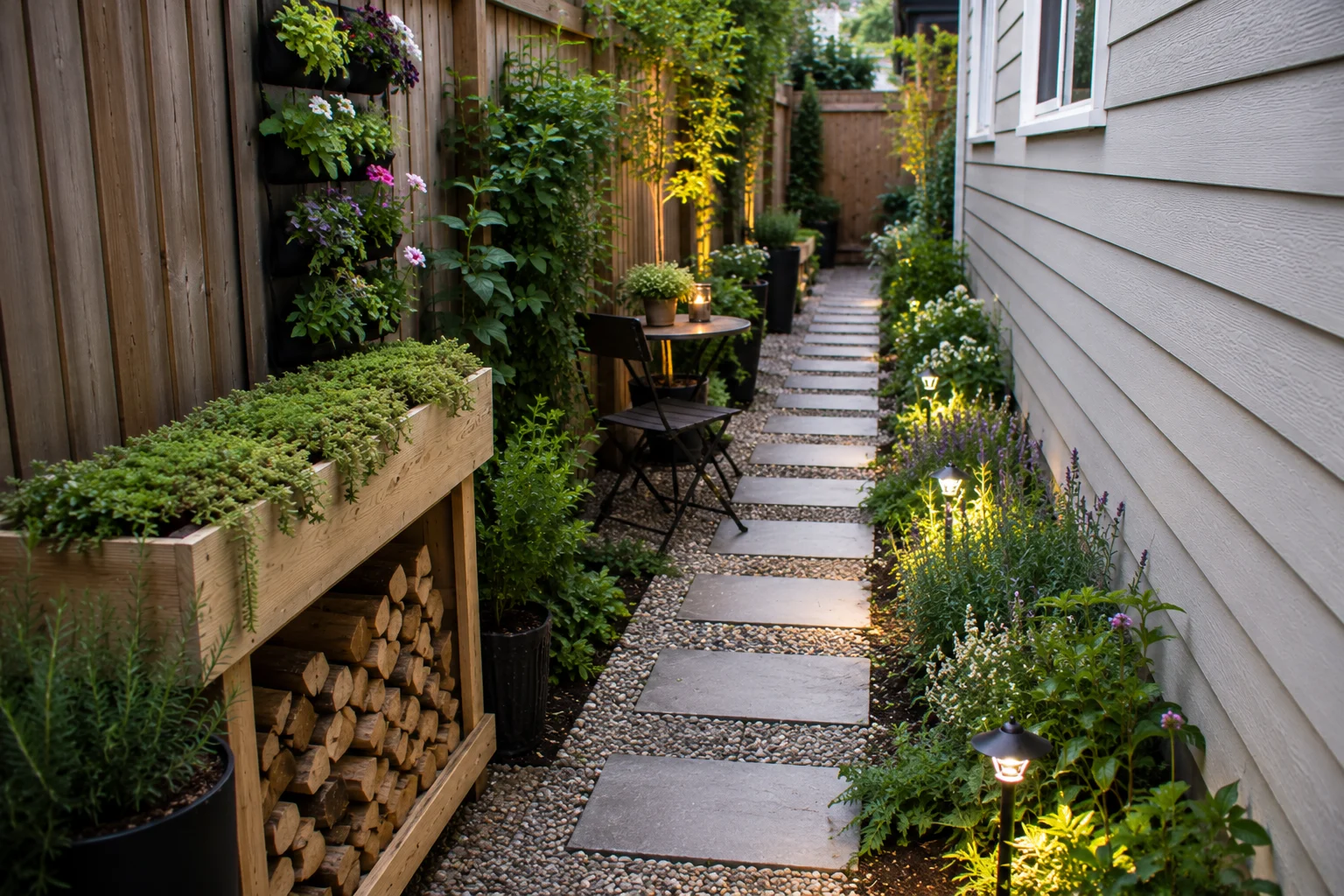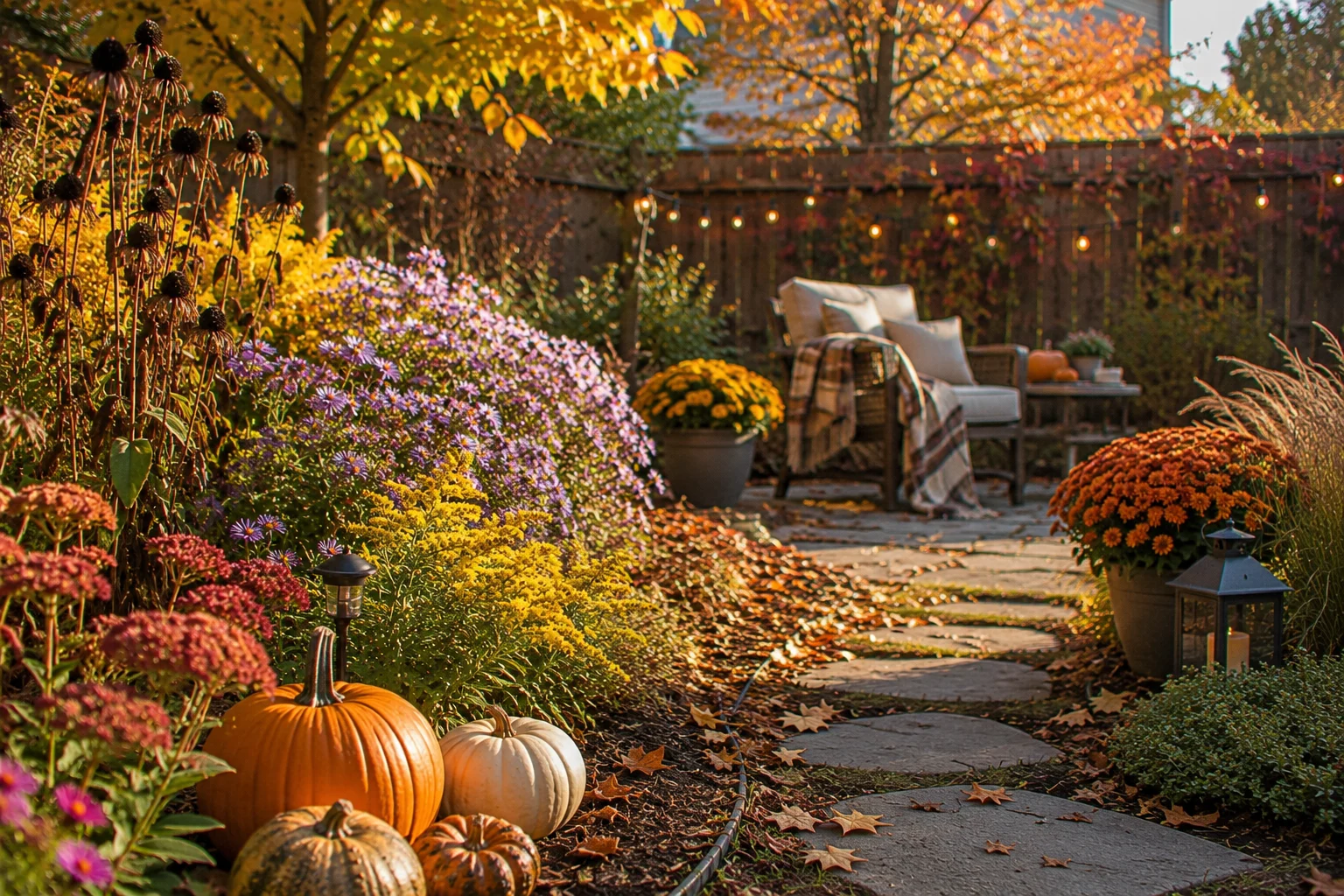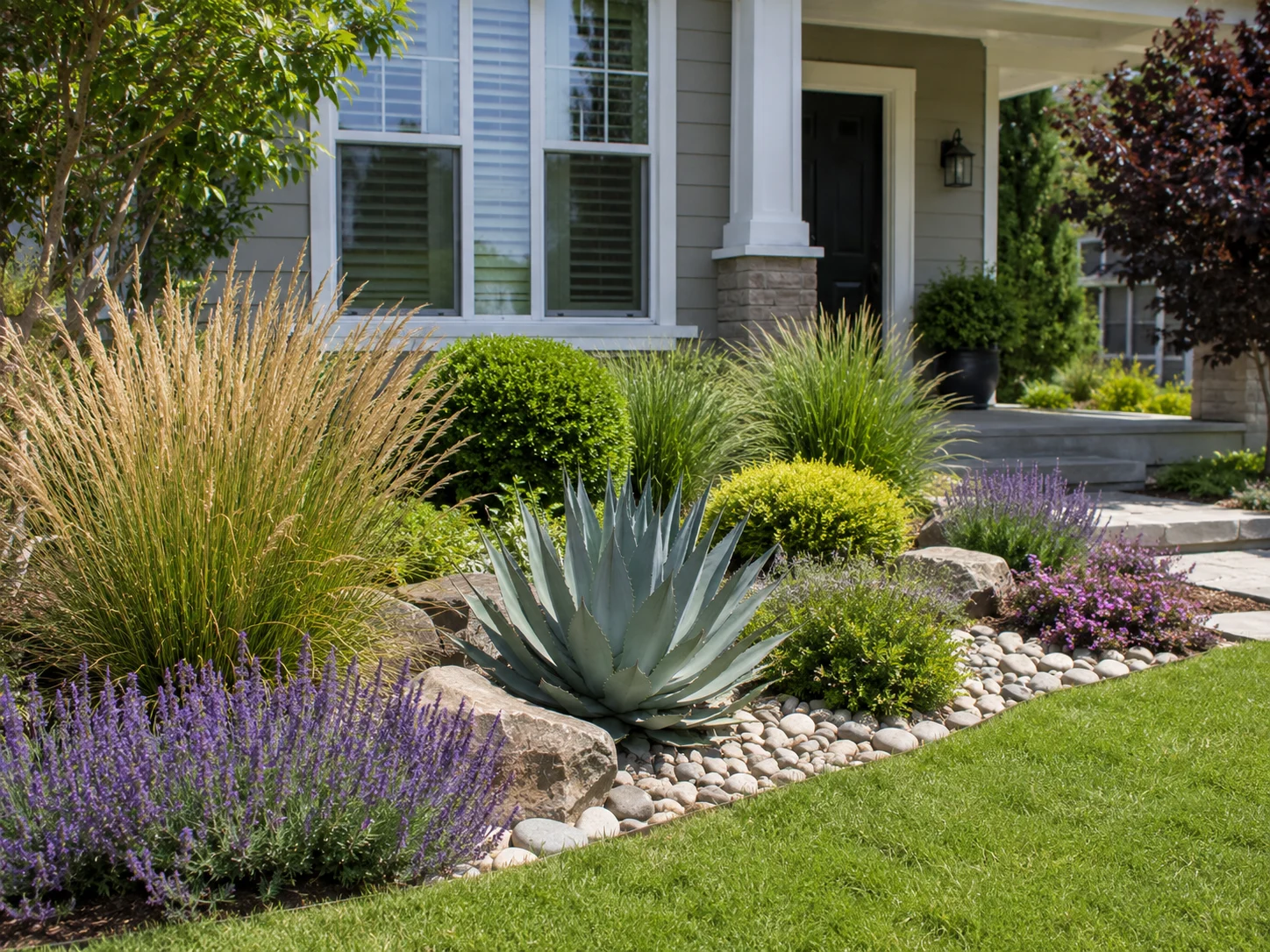

You stop mowing in May. The grass rises. Clover blooms. Dandelions appear. Bees begin visiting flowers you did not plant.
Then less charming plants arrive.
A thorny stem appears beside the walkway. Vines begin crawling through the flower bed. Tree seedlings emerge against the fence. Your neighbors start looking suspiciously at the property line. By the end of the month, you are no longer sure whether you created pollinator habitat or simply abandoned the yard.
That is where most No-Mow May advice becomes useless.
“Let everything grow” sounds wonderfully simple, but it is not a real management plan. Some spontaneous lawn flowers provide useful spring forage. Others are aggressive introduced plants, locally regulated weeds, hazardous species, or future problems preparing to spread thousands of seeds across your yard.
The smart version of No-Mow May is selective neglect.
You reduce mowing, observe what appears, protect useful flowers, remove invasive or hazardous plants, and keep paths and edges visibly maintained. The objective is not to prove that you can tolerate the tallest possible grass. It is to discover what your lawn could become with less aggressive management.
What No-Mow May Actually Does
No-Mow May encourages homeowners to pause or reduce mowing during spring so lawn flowers can bloom and provide food or shelter for insects. Plantlife promotes the campaign as a starting point for allowing wildflowers to emerge, while the Xerces Society describes it as a gateway to better long-term landscape management rather than a complete pollinator-conservation strategy. (Plantlife)
That distinction matters.
An unmown lawn does not automatically become a native meadow. In many yards, it becomes a mixture of turfgrass, useful low-growing flowers, introduced plants, invasive weeds and seedlings from whatever happens to be growing nearby.
The month is valuable because it allows you to observe:
- Which flowers already exist in the lawn
- Where grass grows poorly
- Which sections could become pollinator beds
- Which weeds need early control
- Which areas must remain short for access and safety
- How your household actually uses the yard
A month without mowing can reveal opportunities. It does not eliminate the need for plant identification or management.
Do Not Stop Mowing the Entire Property
Turning every square foot into tall grass is the lazy version of No-Mow May.
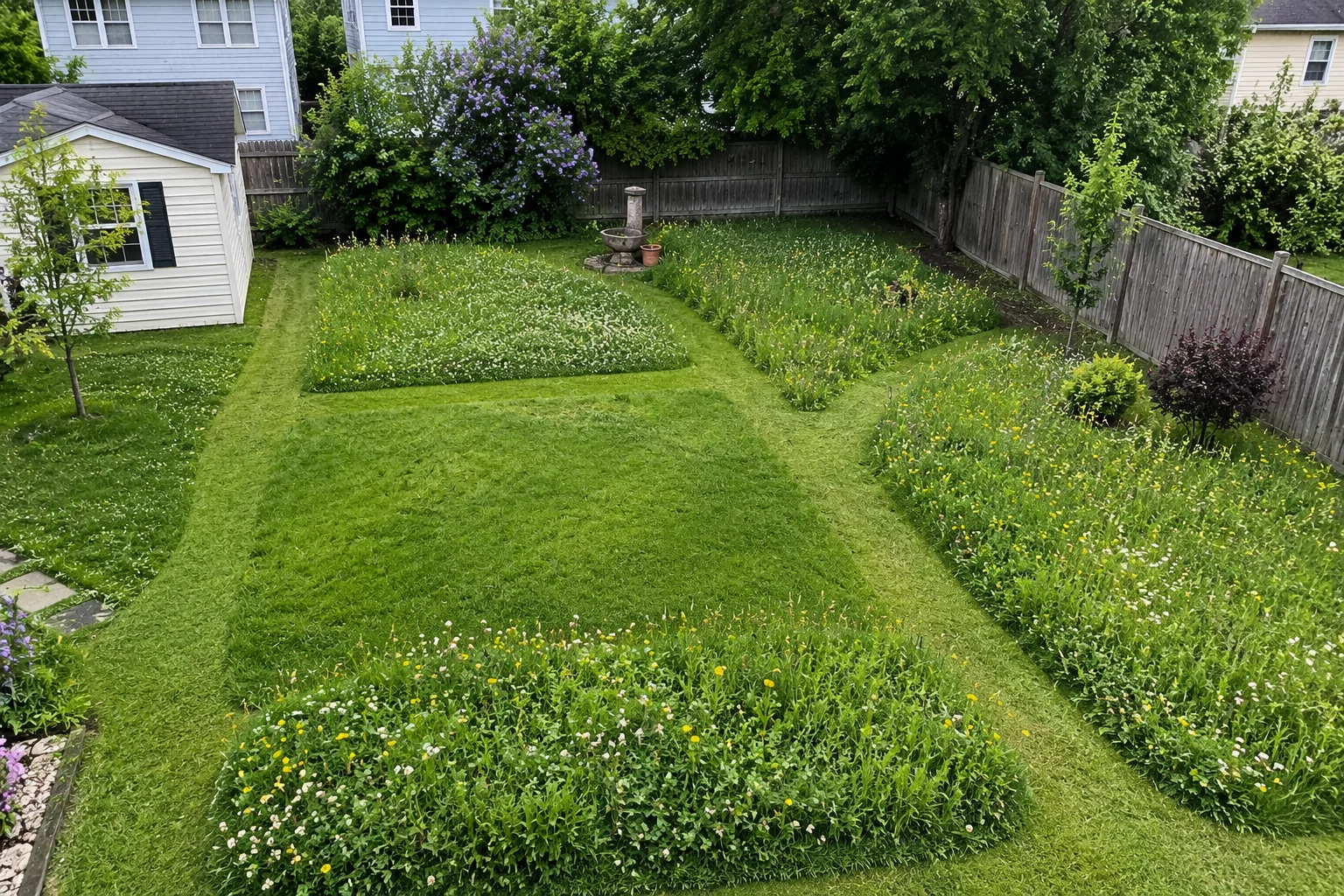
Instead, divide the yard into zones.
Keep these areas short
Continue mowing:
- Main walking routes
- Children’s play areas
- Areas used by pets
- Space around patios and seating
- Narrow strips beside roads and driveways
- Access around sheds, water taps and utilities
- The immediate working zone around a backyard beehive
- Areas required to remain short under local ordinances
Penn State Extension recommends checking municipal or community restrictions before changing lawn management. A maintained edge or mowed path also shows that the longer vegetation is intentional rather than forgotten. (Penn State Extension)
Let selected areas grow
Good candidates include:
- The back edge of the lawn
- A strip along a fence
- The base of a living hedge
- A difficult slope
- An unused corner
- The area beneath widely spaced trees
- A future pollinator bed
- A section visible from the house but away from heavy foot traffic
The University of Minnesota notes that low-use spaces and slopes can be good candidates for bee lawns and reduced mowing. (University of Minnesota Extension)
You do not need to sacrifice the entire yard. A deliberately managed patch is better than a chaotic lawn you hate so much that you scalp everything on June 1.
What to Let Grow During No-Mow May
Plant identity matters more than whether someone calls it a “weed.”
A weed is simply a plant growing where it is not wanted. Some common lawn plants can provide forage, ground cover or seasonal color without creating serious problems. Others should be removed immediately.
The following plants are often reasonable to tolerate, although native status and behavior vary by region.
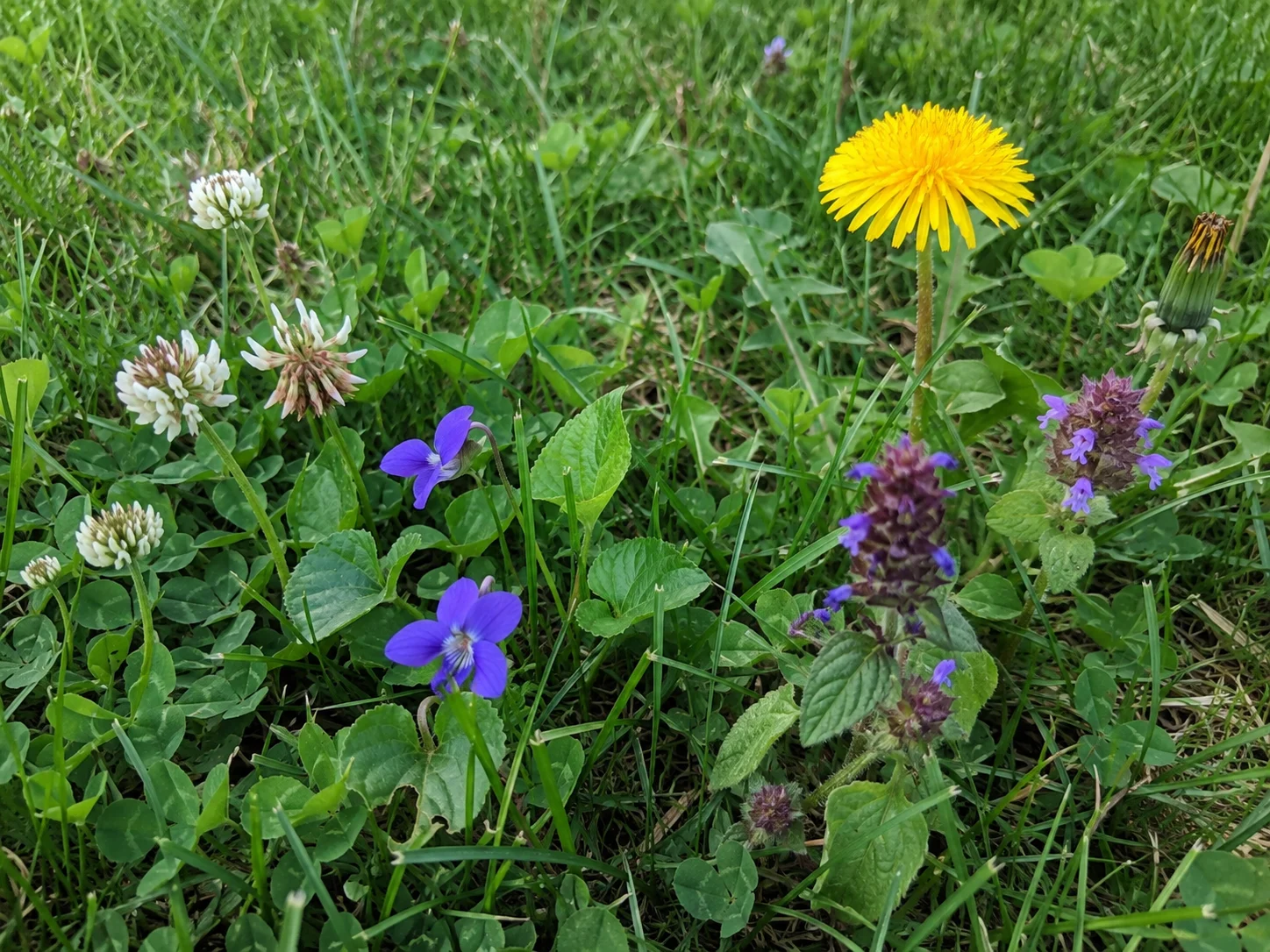
White Clover
White clover is one of the most useful plants commonly found in lawns.
It stays relatively low, tolerates mowing, remains green during dry weather and provides nectar that attracts honeybees and other pollinators. Penn State Extension specifically describes white clover as an important nectar source and suggests considering it as part of a lawn. (Penn State Extension)
Let it grow where:
- You are comfortable seeing bees
- Children are not playing barefoot
- It does not interfere with a formal planting bed
- You want a lower-input mixed lawn
Do not assume one clover patch can feed an entire honeybee colony. It cannot. Treat it as one component in a larger season-long forage plan.
Wild Violets
Wild violets produce low spring flowers and can function as a living ground cover in difficult lawn areas. Common blue violets are native in parts of North America, although they can spread through both seeds and rhizomes. (University of Minnesota Extension)
Keep violets in:
- Shaded or partly shaded lawn areas
- Woodland-style edges
- Damp sections where turf performs badly
- Areas where their spreading habit is acceptable
Pull them from:
- Formal beds where they overwhelm smaller plants
- Cracks and narrow edging where they are difficult to manage
- Areas where you want uniform turf
They are not precious museum pieces. Keep them where they work and remove them where they do not.
Dandelions
Dandelions offer accessible spring flowers and can provide forage when few other lawn plants are blooming. Penn State includes dandelion among common flowering lawn plants that may benefit pollinators. (Penn State Extension)
However, the internet frequently turns dandelions into something they are not: a complete ecological solution.
They are useful temporary flowers, not a replacement for diverse native trees, shrubs and perennials. Let some bloom if you enjoy them. Remove others before seed dispersal if you do not want them colonizing every open patch.
A sensible compromise is to tolerate dandelions in designated lawn zones while keeping paths, borders and vegetable beds clear.
Self-Heal
Self-heal forms low purple flowers and can fit well in a flowering lawn, especially where it is already established. It tolerates repeated mowing better than many taller wildflowers and works visually with clover and fine grasses.
Keep it where you want a low, informal lawn. Before deliberately introducing it, choose a locally appropriate or native form rather than buying a generic seed mix with no regional information.
Low-Growing Native Groundcovers
Some yards reveal small native plants that have survived years of mowing. These may include violets, pussytoes, native strawberries or locally occurring low-growing species.
Do not pull an unfamiliar plant because it fails to resemble turfgrass.
Photograph it, identify it through a regional extension service or native-plant organization, and then decide. Early identification is especially important because young native plants and invasive weeds can look frustratingly similar.
Henbit and Purple Dead Nettle
Henbit and purple dead nettle can flower early and are visited by insects, but both are introduced plants in much of North America. Penn State lists them among common lawn plants that may offer spring forage, while also providing guidance for their control when they become unwanted weeds. (Penn State Extension)
The sensible approach is not to panic over a few plants, but also not to deliberately spread them as if they were essential native habitat.
Let a limited patch flower if:
- They are already present
- They are not locally invasive or regulated
- They are not displacing better plants
- You plan to prevent excessive seeding
Pull them where they are expanding aggressively into garden beds.
Ground Ivy Requires a Decision
Ground ivy, also called creeping Charlie, is a perfect example of why “keep every flowering weed” is bad advice.
Its spring flowers are visited by bees, but it is introduced, spreads aggressively and offers nectar without accessible pollen. University of Minnesota Extension recommends diverse flowers and grasses as a better pollinator strategy than relying on ground ivy. (University of Minnesota Extension)
A small existing patch may be tolerated temporarily. A spreading mat headed toward flower beds should be controlled before it takes over.
What to Pull During No-Mow May
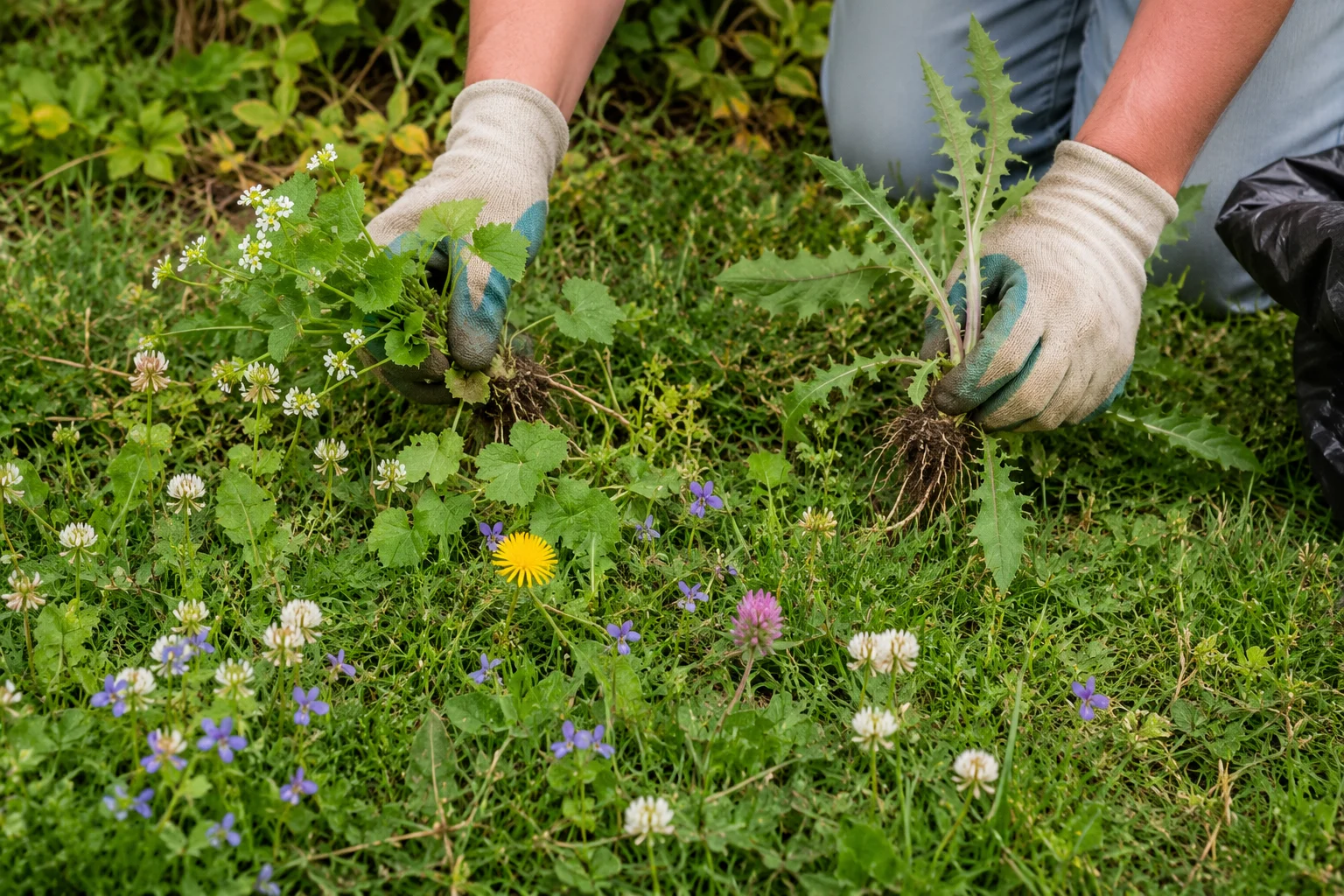
No-Mow May is not a legal pardon for invasive weeds.
Remove plants that threaten surrounding habitat, create safety problems or will become significantly harder to control after they flower and seed.
Locally Regulated or Invasive Plants
Invasive status is regional. A plant that is merely annoying in one state may be legally regulated in another.
Check your state agriculture department, extension service or invasive-species list before deciding what stays.
Common examples that may require control in parts of the United States include:
- Garlic mustard
- Canada thistle
- Field bindweed
- Japanese knotweed
- Japanese stiltgrass
- Purple loosestrife
- Spotted knapweed
- Multiflora rose
- Common buckthorn
Do not identify these from a vague internet photo and start ripping up everything nearby. Confirm the species first.
Garlic mustard
Garlic mustard should be removed before flowering and seed formation. Even pulled plants can continue developing seed, so flowering material may need to be bagged or disposed of according to local rules rather than thrown casually into compost. (University of Minnesota Extension)
Canada thistle
Canada thistle spreads through both seed and a persistent root system. Removing flower heads prevents seed production, but mowing alone may not stop underground spread. Small patches require repeated removal, and management should begin before seed is produced. (University of Minnesota Extension)
These plants do not become harmless because bees occasionally visit their flowers. A plant can provide nectar and still be an ecological or legal problem.
Aggressive Vines
Pull fast-growing vines when they begin climbing:
- Young trees
- Shrubs
- Fences belonging to neighbors
- Beehive stands
- Air-conditioning units
- Garden structures
Some vines can smother desirable vegetation or become extremely difficult to remove once established.
Confirm the species before pulling. Native vines can be valuable in the right place, but even a useful vine is badly placed when it is swallowing a young shrub or blocking access.
Woody Seedlings in the Wrong Place
Birds and wind constantly deliver tree seeds into lawns.
A tiny seedling beside a foundation may look harmless in May. It will not remain tiny.
Remove woody seedlings growing:
- Against foundations
- Inside drainage channels
- Beneath utility lines
- Against fences
- Inside established hedges
- Too close to hive stands
- Within narrow flower beds
University of Minnesota Extension notes that removing unwanted woody vegetation while plants are small and including the root crown is generally more effective than waiting until trunks develop. (University of Minnesota Extension)
Move desirable native seedlings to an appropriate location if practical. Do not let a future 40-foot tree establish six inches from the garage because it looked “natural.”
Hazardous Plants
Remove plants that create an unreasonable risk in the part of the yard where they are growing.
Examples may include:
- Poison ivy beside paths or seating
- Poison hemlock
- Thorny plants in play areas
- Stinging nettles beside entrances
- Plants known to be dangerous to local livestock or pets
This does not mean every defensive or toxic native plant is ecologically worthless. It means human and animal safety matters in a residential landscape.
Use gloves and appropriate protective clothing. Never burn plants such as poison ivy, because smoke exposure can be dangerous. Confirm hazardous species before handling them.
Plants About to Overrun Valuable Beds
A plant does not need to be officially invasive to be wrong for a particular location.
Pull volunteers that are:
- Smothering young native plants
- Blocking vegetable seedlings
- Taking over a newly planted pollinator bed
- Closing a drainage channel
- Obstructing hive access
- Spreading into a neighbor’s property
The objective is not maximum plant count. The objective is a functional, diverse yard.
Seed Heads You Do Not Want Next Year
If you dislike a plant now, allowing it to release hundreds or thousands of seeds is idiotic.
Remove or deadhead unwanted annual weeds before seeds mature. Early action is easier than dealing with a larger seed bank for years.
Do Not Spray the Entire Lawn
Blanket herbicide treatment after No-Mow May defeats the purpose.
If you discover a few unwanted plants, use targeted control:
- Confirm the plant identity.
- Pull small patches after rain when soil is soft.
- Remove as much root as the species requires.
- Bag seed-bearing invasive material where recommended.
- Replant bare soil so the weed does not immediately return.
- Use a targeted herbicide only when appropriate and according to the label.
University of Minnesota Extension recommends hand-weeding small areas as a way to avoid unnecessary whole-lawn herbicide applications. (University of Minnesota Extension)
Never spray blooming plants while bees are actively visiting them. Some lawn and garden insecticides are highly toxic to pollinators, and pesticide labels must be followed exactly. (University of Minnesota Extension)
How to Keep No-Mow May From Looking Abandoned
You can support wildlife without making the yard look like a foreclosure.
The trick is to contrast wild growth with visible maintenance.
Use:
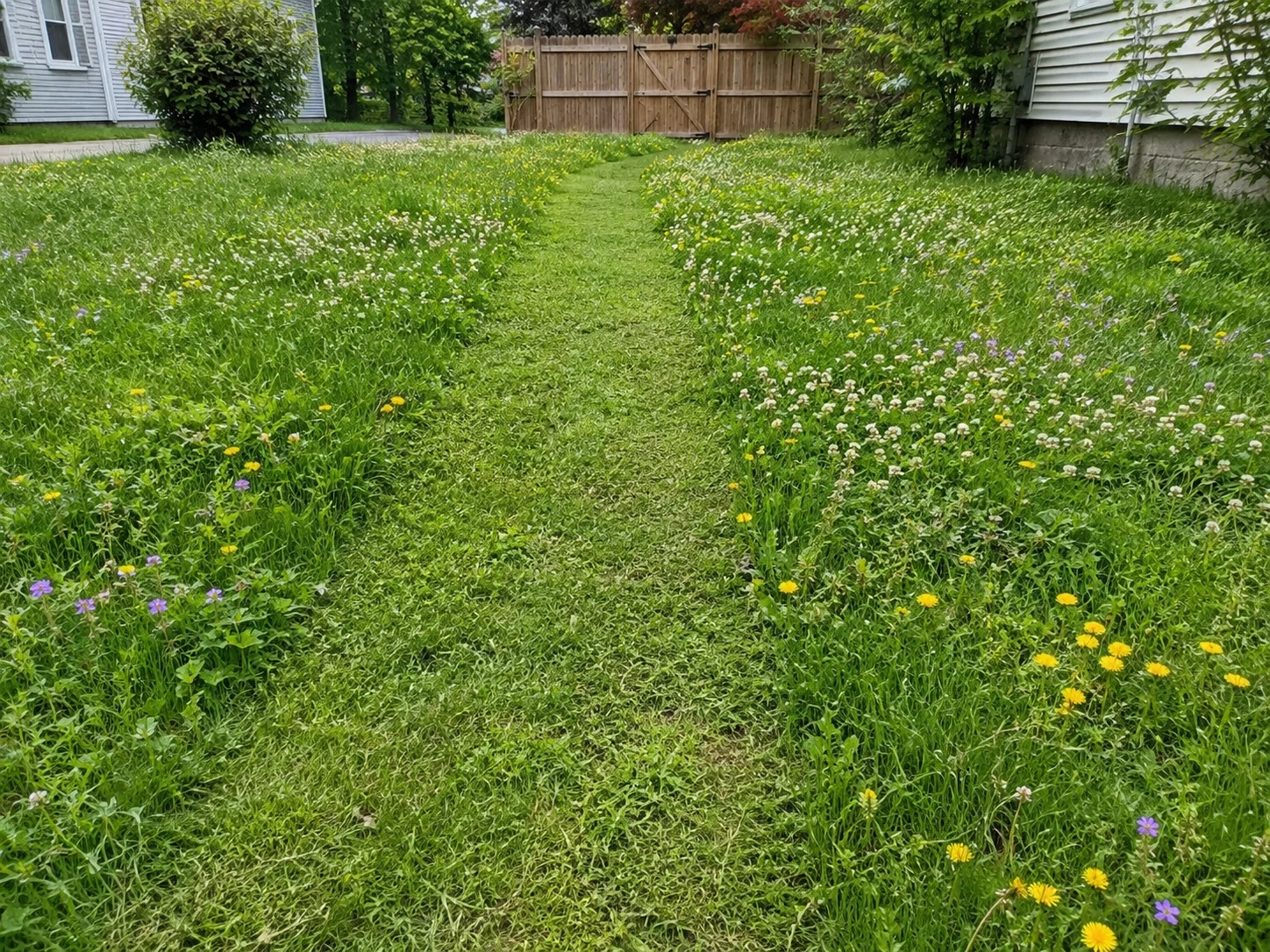
- Mowed paths through longer areas
- A clean strip along sidewalks
- Defined bed edges
- A small pollinator-habitat sign
- Repeated patches rather than random islands
- Taller growth concentrated near fences
- Short vegetation around seating and entrances
- A clear transition between lawn and meadow areas
This also reduces conflict with neighbors and makes the design easier to maintain.
A 3-foot-wide mowed path cutting through a flowering lawn transforms the visual message from “nobody owns a mower” to “this area is intentional.”
What About Ticks, Mosquitoes and Other Pests?
Longer vegetation can create different habitat conditions, so placement matters.
Keep heavily used areas, children’s play spaces and frequently walked routes short. Do not allow dense grass to close over narrow paths. Maintain clear zones around doors, patios and hive-working areas.
Mosquitoes require standing water for their aquatic life stages; tall grass alone does not produce mosquitoes. The more immediate yard risk is neglected buckets, blocked gutters, tarps, plant saucers and other containers holding water.
No-Mow May should not become No-Maintenance May. Continue checking drainage, removing standing water and managing unsafe vegetation.
What to Do When May Ends
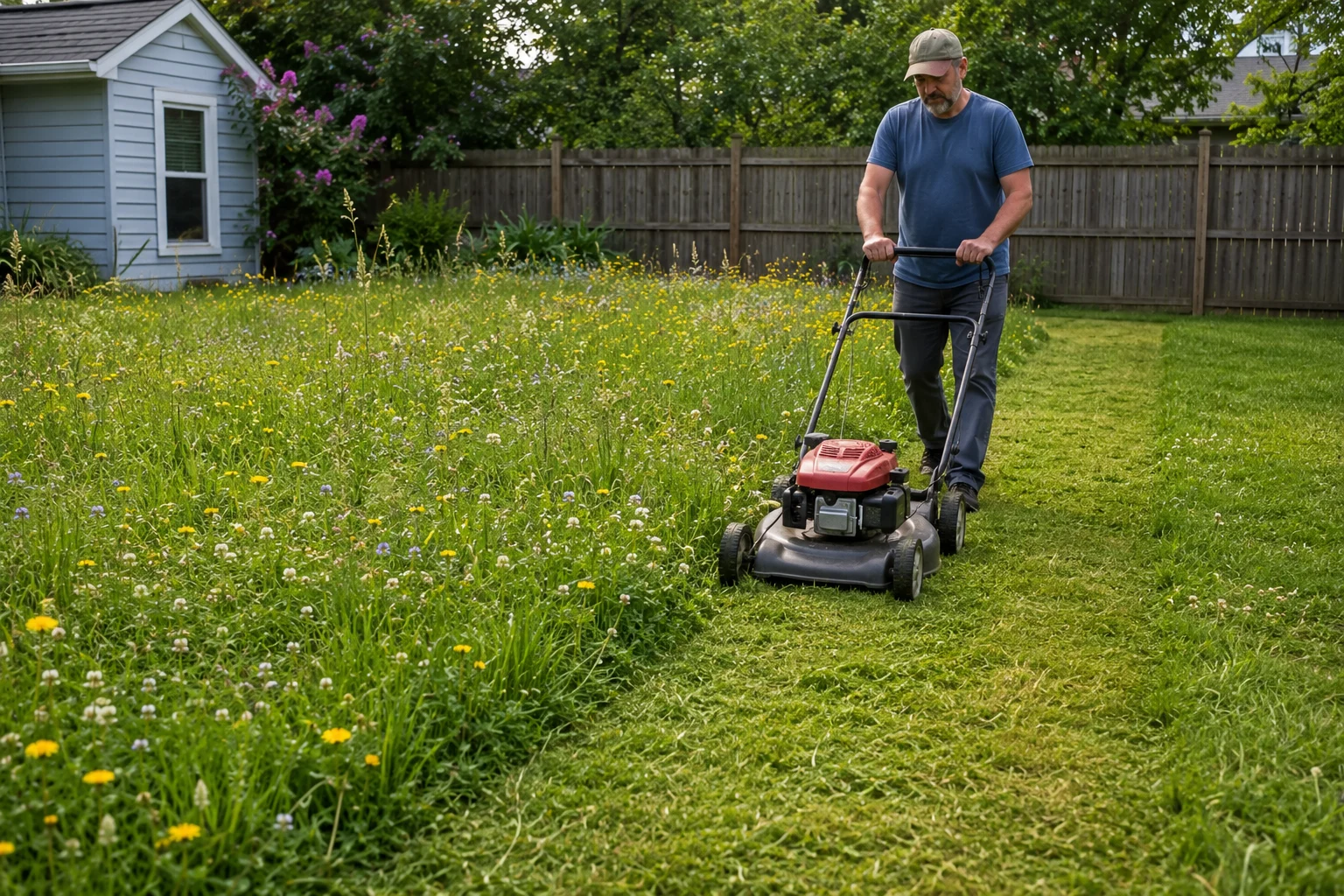
Do not wait until June 1 and then scalp 12-inch grass to the soil.
That creates a thick mess, stresses the turf and may kill insects sheltering in the vegetation.
Use a staged approach:
Step 1: Inspect before cutting
Walk the area slowly.
Look for:
- Active bees on flowers
- Butterfly caterpillars
- Ground nests
- Small mammals
- Hidden objects
- Woody stems
- Invasive plants that should be pulled separately
Many native bees nest in the ground, and Xerces estimates that roughly 70% of native bee species use underground nests. (xerces.org)
Step 2: Remove problem plants first
Pull invasive, woody or hazardous plants before mowing spreads seeds or stem fragments.
Do not run a mower through mature invasive plants and assume the problem has vanished.
Step 3: Cut gradually
Raise the mower to its highest practical setting and remove the growth in stages. A common turf guideline is to avoid removing more than one-third of the grass blade in a single mowing. (Penn State Extension)
Very tall areas may require a string trimmer or multiple cuts separated by several days.
Step 4: Leave refuge
Do not cut every long patch on the same day.
Xerces recommends mowing habitat in sections or mosaics because mowing can kill insects, eggs and larvae that cannot escape. (xerces.org)
Leave one strip or corner standing while you manage another. This preserves cover and allows insects to move.
Step 5: Remove excessive clippings
A heavy blanket of cut grass can smother low flowers and return nutrients that encourage vigorous grass to dominate. Plantlife recommends removing cuttings from longer meadow-style areas after mowing. (Plantlife)
Compost clean material. Keep seed-bearing invasive plants out of ordinary compost unless local guidance confirms safe disposal.
A Better Plan Than One Unmown Month
No-Mow May is useful only if it changes what you do afterward.
Returning immediately to weekly close mowing, herbicide treatments and a flowerless lawn erases most of the long-term benefit.
A stronger plan is:
Mow less frequently
Allow low flowers to bloom between cuts.
Mow higher
Taller turf generally develops deeper roots and is better able to compete with unwanted weeds than grass kept permanently scalped.
Convert one strip permanently
Turn a fence line, slope or unused corner into:
- A flowering bee lawn
- A native perennial border
- A mini meadow
- A living fence
- A shrub and groundcover bed
The University of Minnesota recommends replacing hard-to-mow lawn areas with flowering plants, shrubs or bee lawns as part of a pollinator-friendly landscape. (University of Minnesota Extension)
Add flowers that bloom after spring
A lawn full of May flowers can still become useless in July.
Connect this project to Best Plants to Grow Near a Backyard Beehive and add midsummer and fall bloomers such as mountain mint, bee balm, coneflower, goldenrod and asters.
Protect nesting habitat
Leave selected bare-soil patches, hollow stems, leaf litter beneath shrubs and undisturbed corners where appropriate.
Stop chasing a perfect lawn
A lawn can remain neat, walkable and attractive without being a chemical-dependent carpet of one grass species.
That middle ground is where this project becomes sustainable.
The No-Mow May Keep-or-Pull Checklist
Before removing a plant, ask:
Let it grow when:
- You have positively identified it
- It is native or non-invasive in your region
- It provides useful bloom or ground cover
- It is growing in an appropriate location
- It does not threaten nearby desirable plants
- It does not create a safety issue
- You are willing to manage its spread
Pull it when:
- It is listed as invasive or noxious locally
- It is toxic or hazardous in that location
- It is moving toward neighboring property
- It is smothering more valuable plants
- It is blocking paths, drainage or hive access
- It is a woody seedling in a structurally dangerous location
- You do not want it producing seed
- You cannot confidently manage its future spread
When you cannot identify it, do nothing for the moment. Take clear photographs of the leaves, stem, flowers and overall form. Identification before removal is smarter than ripping out a useful native plant because an app made a bad guess.
Conclusion: Grow Less Lawn, Not More Problems
No-Mow May is not an excuse to abandon your yard for 31 days.
It is an opportunity to see what survives beneath an aggressive mowing schedule.
Keep the clover, violets and useful low flowers where they fit. Protect native plants once you have identified them. Pull invasive weeds before they seed. Remove hazardous vegetation from paths and play areas. Keep working zones and property edges maintained. When mowing resumes, cut gradually and leave part of the habitat standing.
Most importantly, do not treat June as a reset button.
Turn what you learned into permanent changes: fewer cuts, higher mowing, flowering lawn patches, native borders and sections that remain useful long after May ends.
The goal is not a taller lawn.
It is a better yard.
Keep Reading 🐝
- Best Plants to Grow Near a Backyard Beehive — replace weak lawn areas with season-long bee forage.
- The Living Fence: How to Build a Bee-Friendly Boundary That Doubles as Forage — turn an unmown boundary strip into permanent privacy and habitat.
- The July Nectar Crash: Why Your Hive Can Struggle in Midsummer — understand why May flowers alone cannot support bees through summer.
- How to Create a Bee-Friendly Backyard Without Letting It Look Abandoned — combine intentional design with lower-maintenance habitat.