
The June gap can make a strong hive look confusing.
Your bees are flying. The entrance looks active. Pollen may still be coming in. But when you check the colony, the stores are lighter than expected.
That is the danger.
The June gap is the awkward period after spring blossom fades but before summer nectar plants hit their stride. In the UK and Ireland, it is recognised as a forage shortage that can leave large, growing colonies under pressure. Weather can make it earlier, later, shorter, or worse. (Wikipedia)
This guide gives you 8 fast-growing June gap plants you can sow, plant, or buy now to help bridge the nectar dearth.
But here is the blunt truth: plants will not rescue a starving colony tomorrow. If your bees are short of food today, inspect the hive and feed if needed. Planting is the backup plan for the next few weeks, not an emergency substitute for proper beekeeping.
What to Do First: Check the Hive
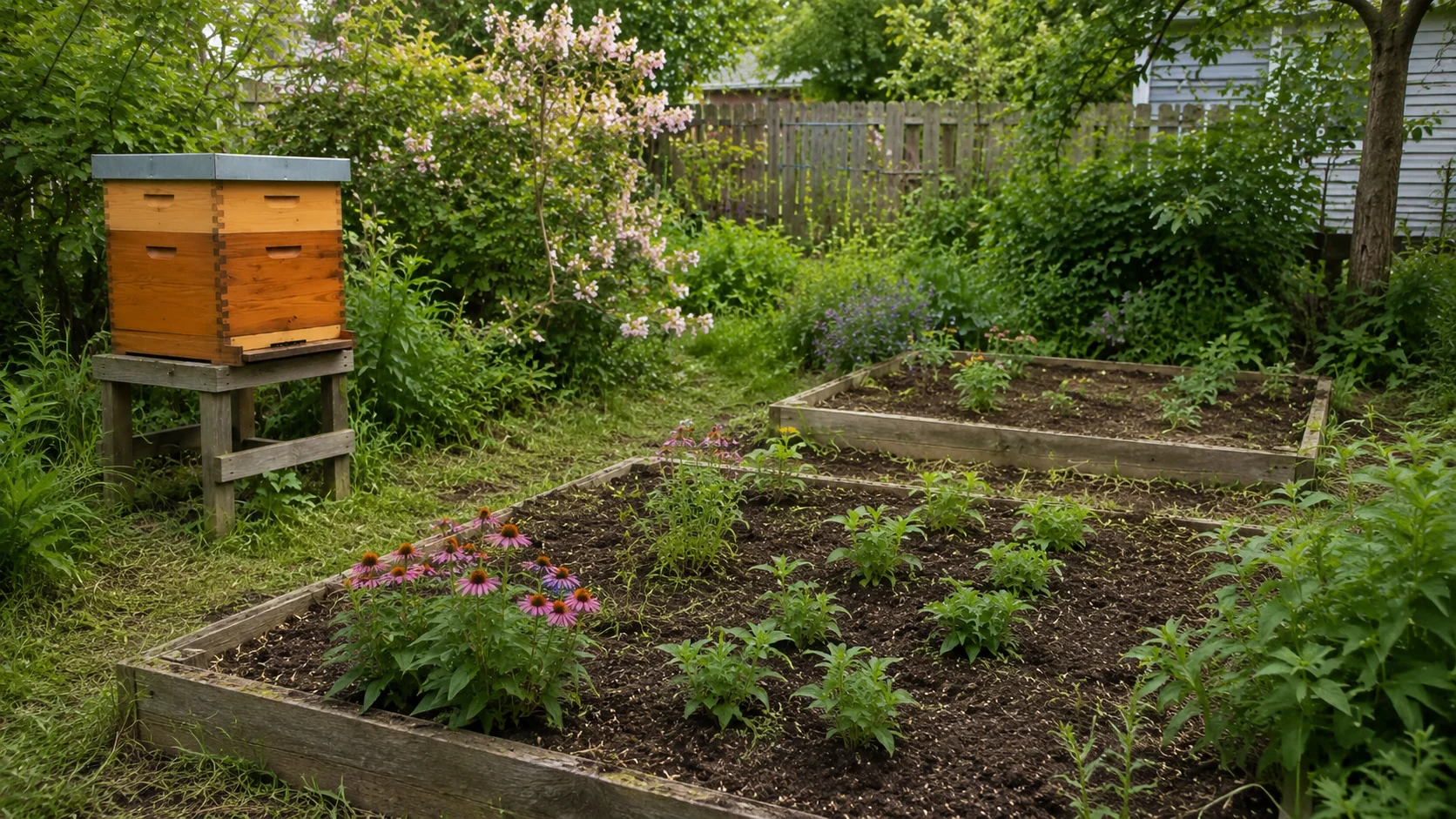
Before buying seeds, check the colony.
Look for:
- Low honey stores
- A hive that feels lighter than expected
- Bees robbing or investigating weak colonies
- Reduced nectar coming in
- Empty supers
- Defensive behaviour caused by forage stress
- Several poor weather days in the forecast
If stores are dangerously low, feeding may matter more than planting. Do not confuse gardening with colony management.
For a deeper seasonal beekeeping guide, add this internal link: why your hive can struggle during the July nectar crash.
What Makes a Good June Gap Plant?
A good emergency plant should be:
- Fast to grow
- Useful to bees and other pollinators
- Easy to sow or buy as young plants
- Suitable for beds, pots, or spare corners
- Open-flowered, not tight and double
- Cheap enough to plant in groups
The Royal Horticultural Society recommends avoiding pesticides, providing water, choosing open flowers with accessible pollen and nectar, and planting for pollinators across the year. (rhs.org.uk)
Do not plant one lonely flower and call it forage. Bees notice patches.
Better:
- A strip of annuals
- Three large pots
- A full raised bed
- A sunny corner planted densely
- A row of flowering herbs
Worse:
- One borage plant
- Two calendulas
- Random seed thrown into grass
- Tiny pots that dry out by lunch
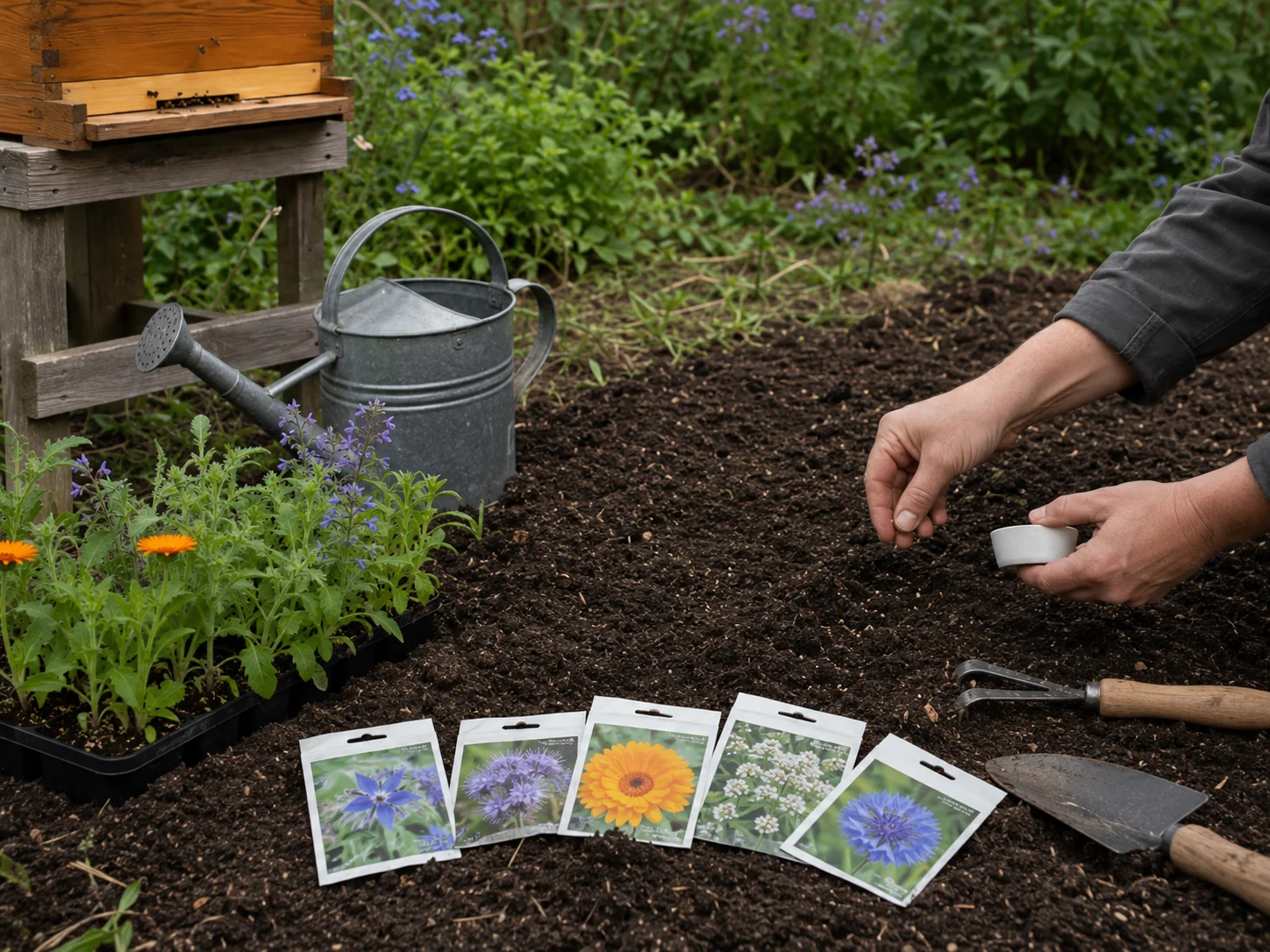
8 Fast-Growing Plants for the June Gap
1. Borage
Best for: Fast nectar, vegetable beds, sunny corners
Use: Sow seed or plant young plants
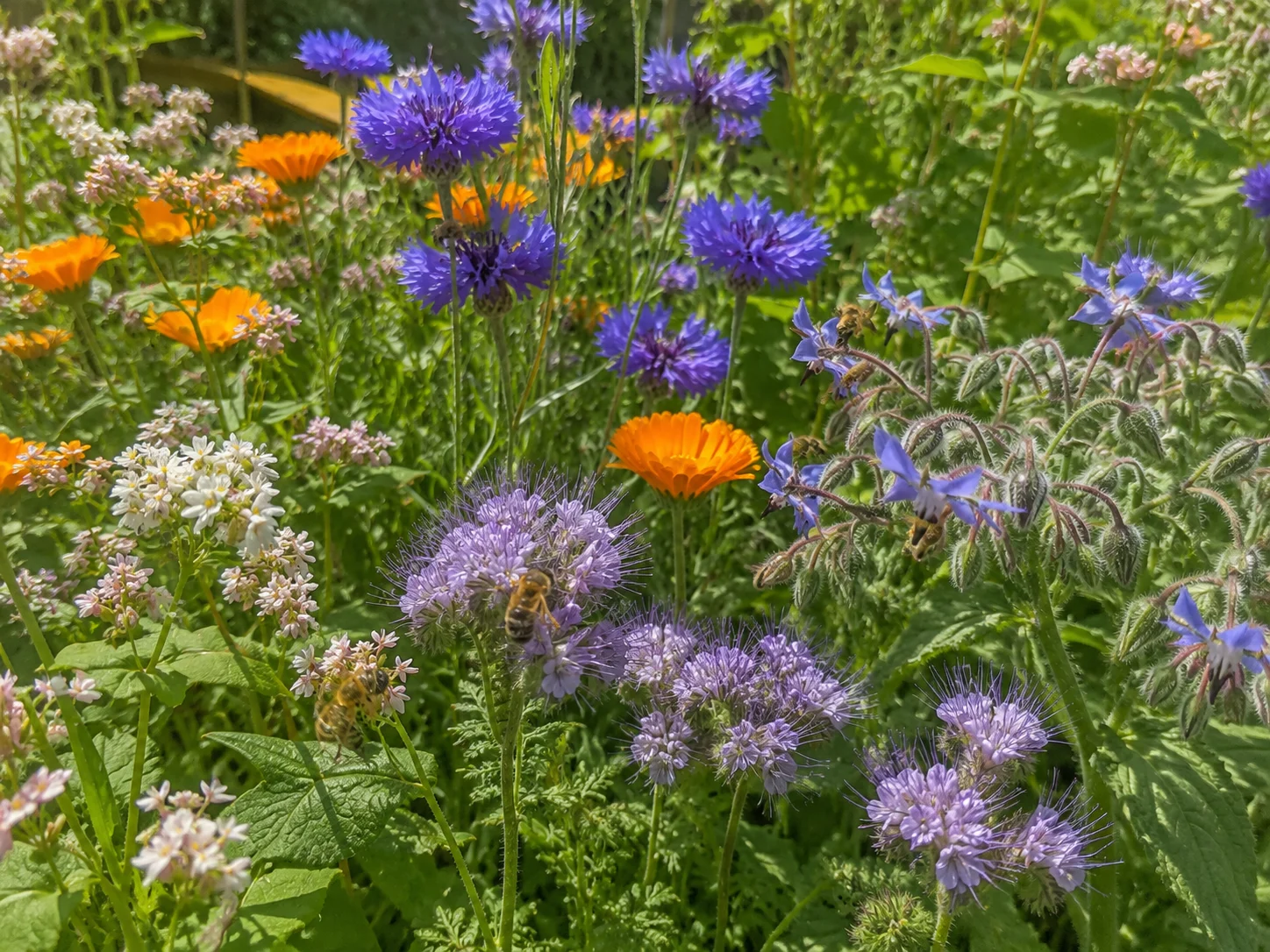
Borage is one of the best quick bee plants. It grows fast, flowers in the same season, and produces open blue flowers that bees work heavily.
Plant it in full sun or light shade. Give it space because it can sprawl.
Watch out: borage self-seeds. That is useful if you want free plants next year, annoying if you like tidy borders.
2. Phacelia
Best for: Bare soil, allotments, temporary bee strips
Use: Direct sow into prepared soil
Phacelia is excellent for filling empty ground quickly. It produces purple-blue flowers and is widely used as a green manure and pollinator plant. It attracts honey bees, bumblebees, hoverflies, and other beneficial insects. (Wikipedia)
Sow it in blocks or strips, not as a few scattered seeds.
Watch out: it needs exposed soil. Throwing it into thick grass is a waste of seed.
3. Buckwheat
Best for: Very fast temporary forage
Use: Direct sow after frost risk
Buckwheat is not fancy, but it is useful. It grows quickly in warm soil and can turn a bare patch into a working forage area.
Use it in spare vegetable beds, rough apiary strips, or areas you plan to rework later.
Watch out: it is frost-sensitive and temporary. Treat it as a quick bridge, not a long-term garden backbone.
4. Calendula
Best for: Containers, raised beds, beginner gardeners
Use: Sow seed or plant plugs
Calendula is cheap, tough, and easy. It can flower for a long time if you deadhead it.
Choose simple, open-flowered types. Avoid dense double varieties where bees struggle to reach the centre.
Best use: edge a vegetable bed or plant several in a large container near herbs.
5. Nasturtium
Best for: Pots, poor soil, trailing over bed edges
Use: Direct sow
Nasturtiums grow quickly and make emergency planting look intentional. They work well in pots, raised beds, and awkward sunny corners.
Do not overfeed them. Rich compost often gives you big leaves and fewer flowers.
Watch out: containers dry fast in June. If you plant nasturtiums in pots, water them properly.
6. Cornflower
Best for: Annual flower patches and meadow-style beds
Use: Direct sow or plant plugs
Cornflowers are easy, attractive, and accessible to pollinators. They work well mixed with calendula, poppies, and phacelia.
Plant them in groups. One plant is decoration. A patch is forage.
Watch out: they hate competition from grass. Prepare the soil first.
7. Annual Poppies
Best for: Pollen support and bare sunny soil
Use: Direct sow
Poppies are more useful for pollen than nectar, but pollen still matters. Bees need pollen to support brood rearing.
Scatter seeds onto fine soil and press them in lightly. Do not bury deeply.
Watch out: poppies dislike transplanting. Direct sowing is usually better.
8. Flowering Herbs
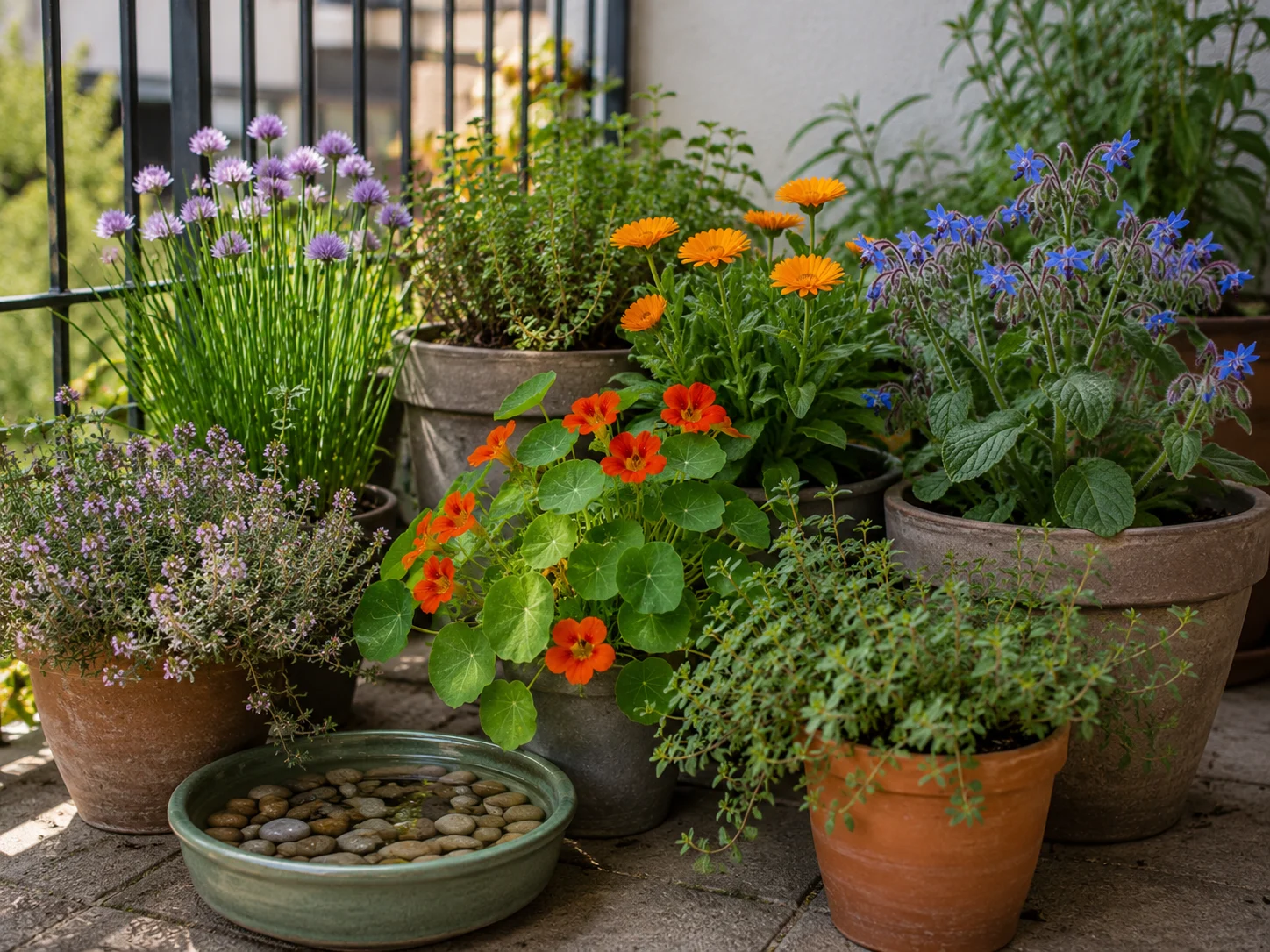
Best for: Small gardens, patios, balconies, containers
Use: Buy young plants for faster flowers
Flowering herbs are perfect if you do not have space for a full bee border.
Good choices include:
- Thyme
- Marjoram
- Chives
- Dill
- Coriander
- Basil
- Mint in pots only
The trick is simple: let some herbs flower. If you harvest every stem, bees get nothing.
For small spaces, add this internal link: how to feed bees from a balcony or patio
The Weekend June Gap Plan
Do not overthink this. Do this instead.
Step 1: Inspect the Colony
Check food stores first. If the hive is light, deal with that immediately.
Step 2: Buy Some Plants Already in Flower
Seeds help later. Flowering plants help sooner.
Look for:
- Thyme
- Marjoram
- Chives
- Calendula
- Borage
- Lavender, if already blooming locally
Step 3: Sow the Fast Annuals
Sow:
- Borage
- Phacelia
- Buckwheat
- Calendula
- Cornflower
- Poppies
- Nasturtium
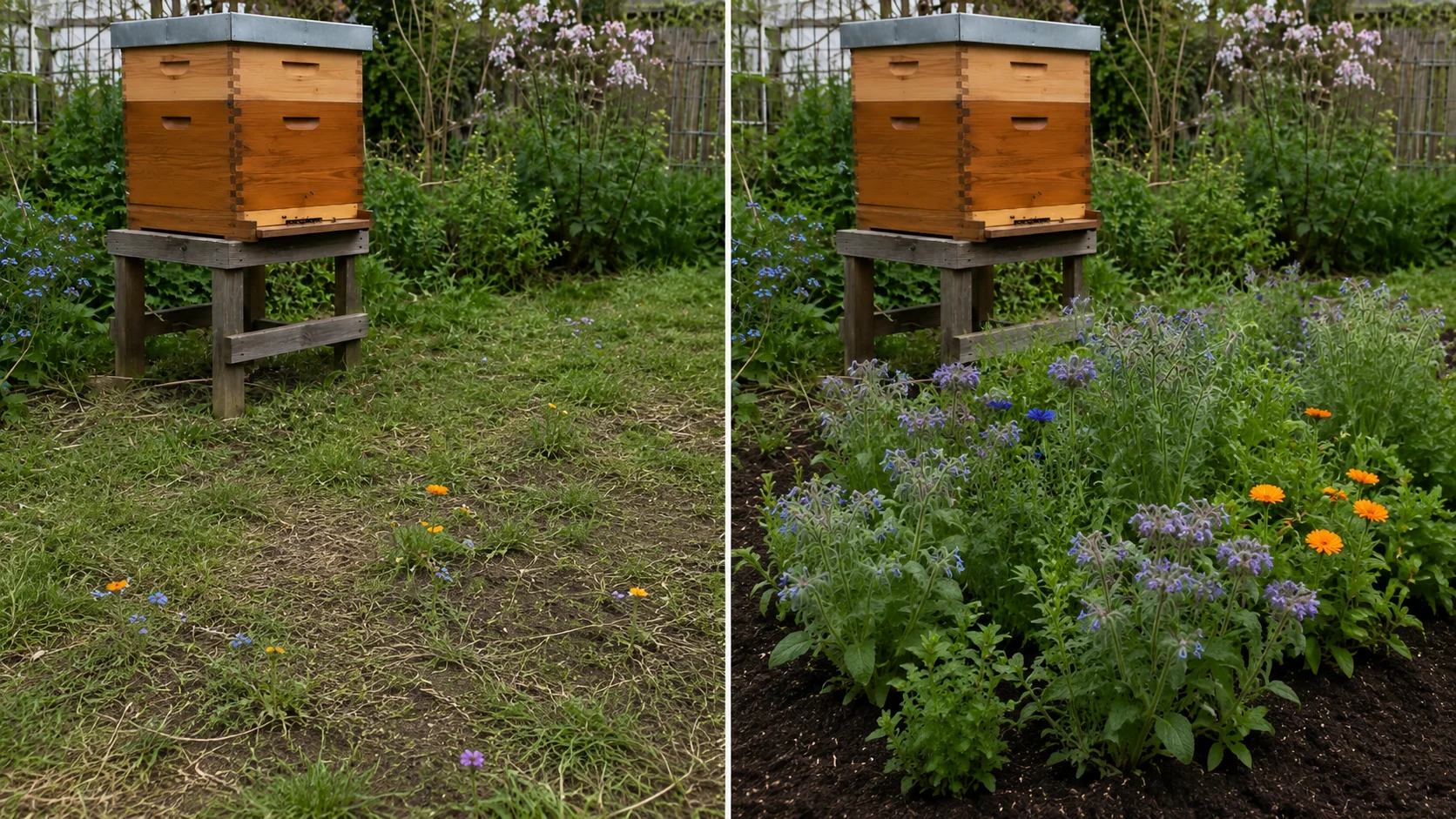
Step 4: Plant in Blocks
A messy sprinkle of seed is weak. A clear patch is better.
Aim for:
- One 1m x 2m flower strip
- Three large containers
- A row of herbs
- One dense sunny corner
Step 5: Water Daily Until Established
This is where lazy gardeners fail. Seeds and young plants need moisture. A dry seedbed is dead effort.
What Not to Plant
Avoid wasting money on:
- Double bedding flowers with hidden centres
- Tiny single plants with no mass
- Slow shrubs sold as “bee friendly”
- Grass-heavy wildflower mixes
- Random seed thrown onto lawn
- Invasive plants you cannot control
- Anything treated with pesticides
Final Takeaway
The June gap is not fixed by panic-buying pretty flowers. Beekeepers need two actions:
First, check the hive. If the colony is short of food, manage that problem now.
Second, plant fast-growing forage to reduce pressure in the coming weeks. Start with borage, phacelia, buckwheat, calendula, nasturtiums, cornflowers, annual poppies, and flowering herbs.
Plant in blocks, water properly, avoid pesticides, and build a better bloom relay for next year.
Keep Reading
If the June gap is already putting pressure on your bees, this is only one part of the fix. Keep building a stronger backyard forage plan with these guides: