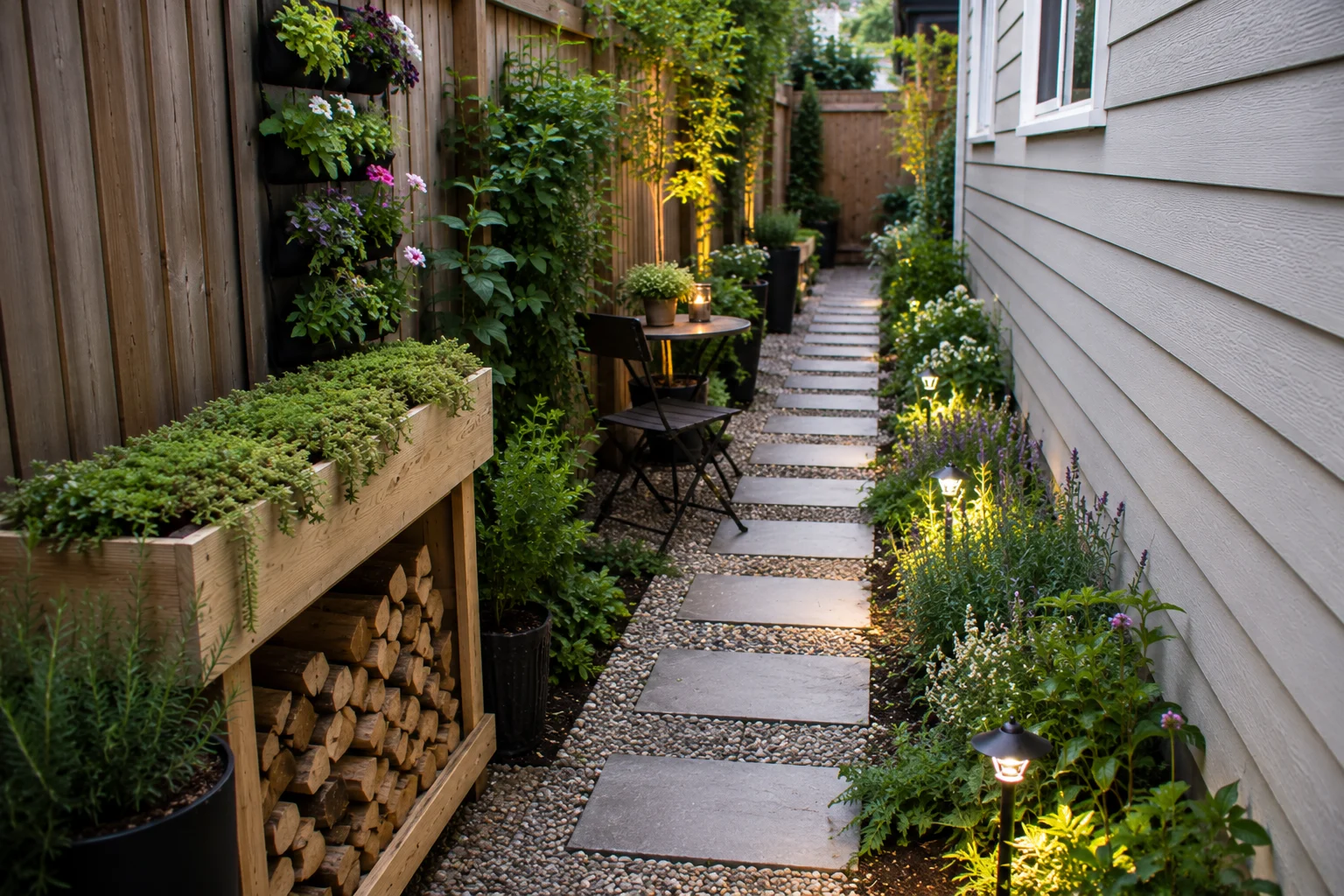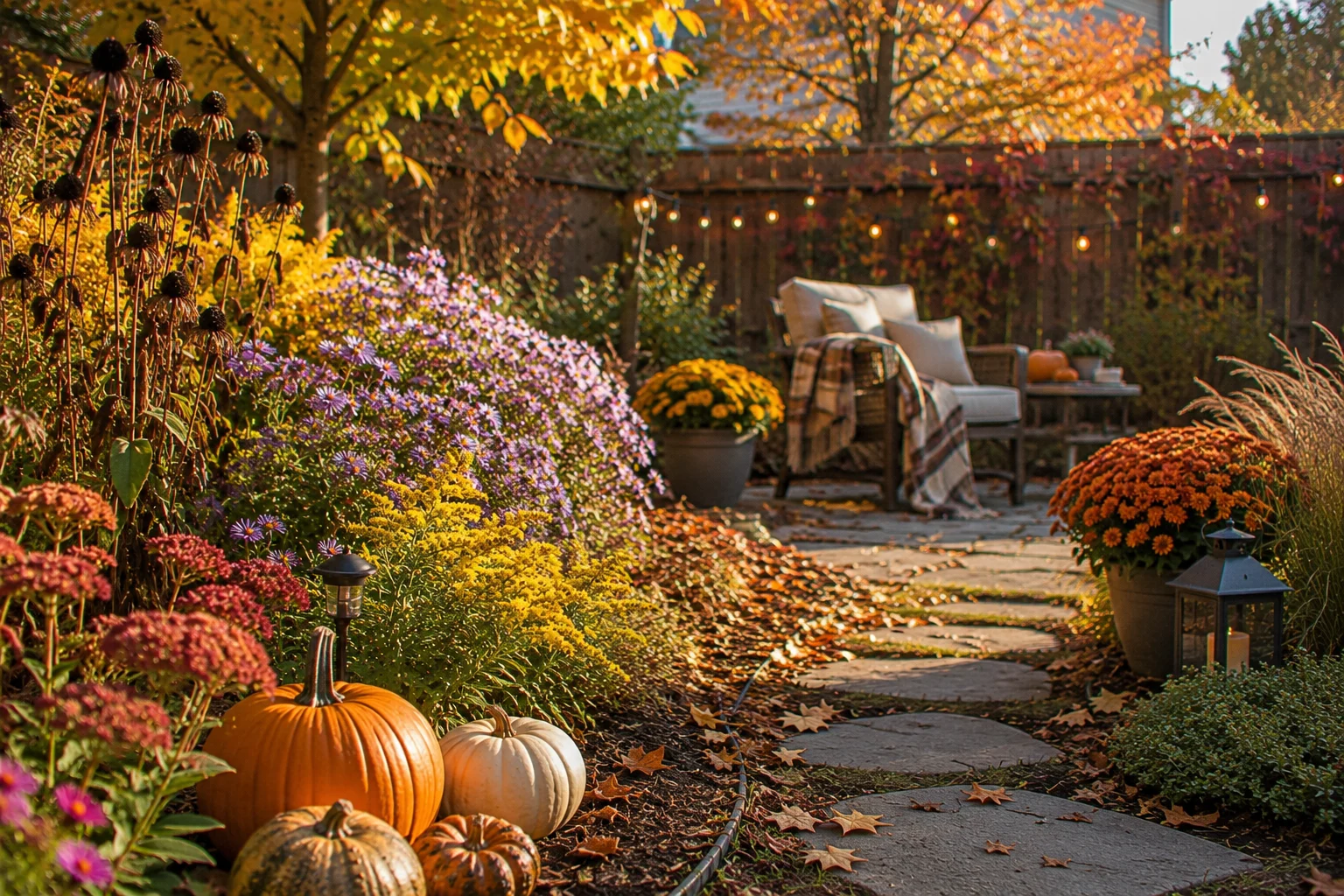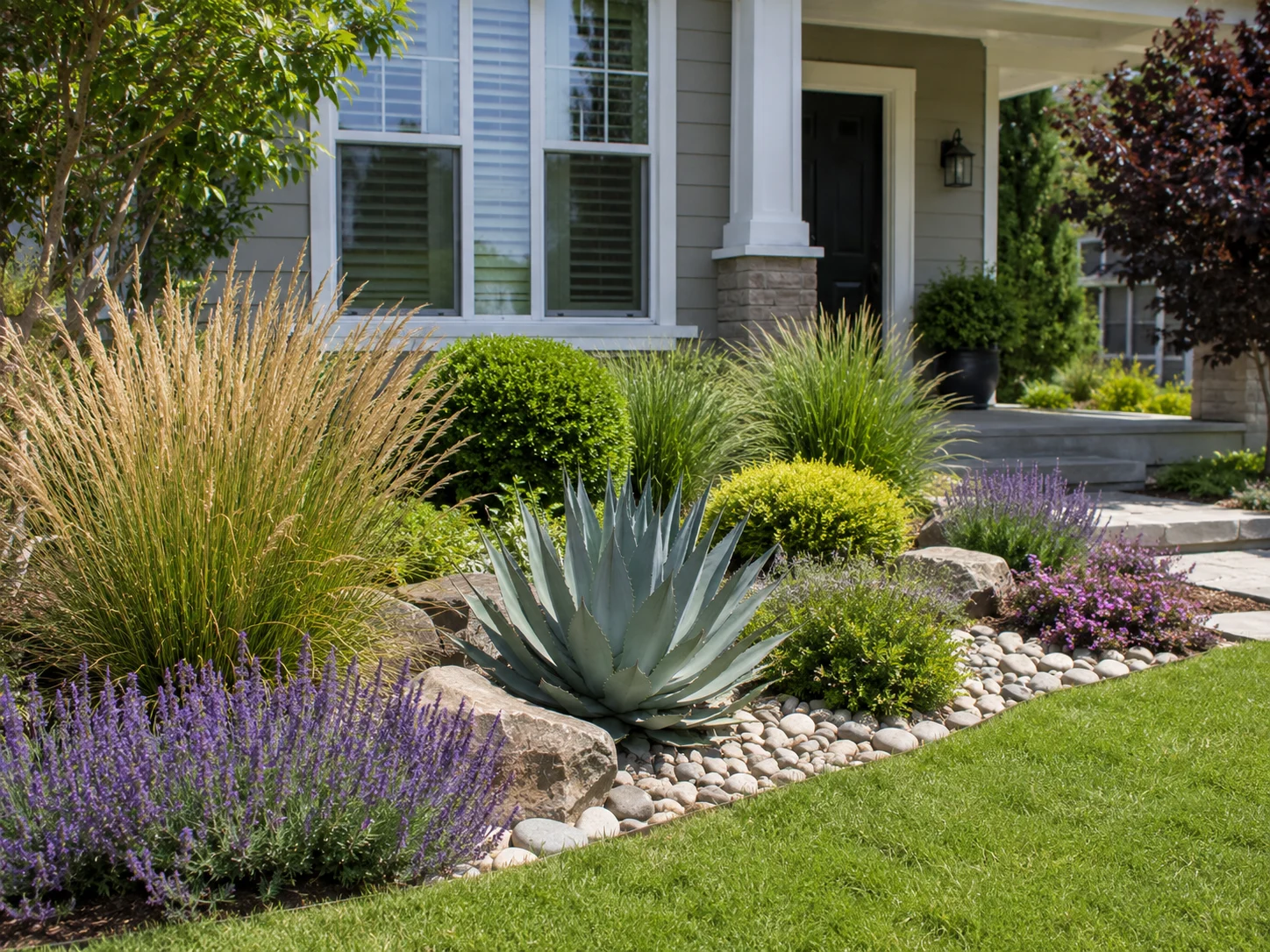

A pollinator garden does not become useless the moment the flowers fade.
That is the mistake too many gardeners make. As soon as autumn arrives, they grab pruners, clear every stem, rake every leaf, bag every seedhead, and leave behind a garden that looks “tidy” but has been stripped of winter habitat.
So, should you cut back a pollinator garden in fall?
The honest answer is: yes, but only selectively.
A pollinator garden still needs some maintenance. Diseased plants, aggressive weeds, collapsed mess near paths, and anything blocking hive access should be dealt with. But cutting everything to the ground in fall is usually a bad move if your goal is to support bees, butterflies, moths, beetles, birds, and other beneficial wildlife.
This guide will show you exactly what to cut back, what to leave standing, how to keep the garden looking intentional, and when to finish cleanup in spring without destroying the habitat you worked all season to create.
The Short Answer: Do Not Cut Everything Back in Fall
If your pollinator garden is healthy, the default should be:
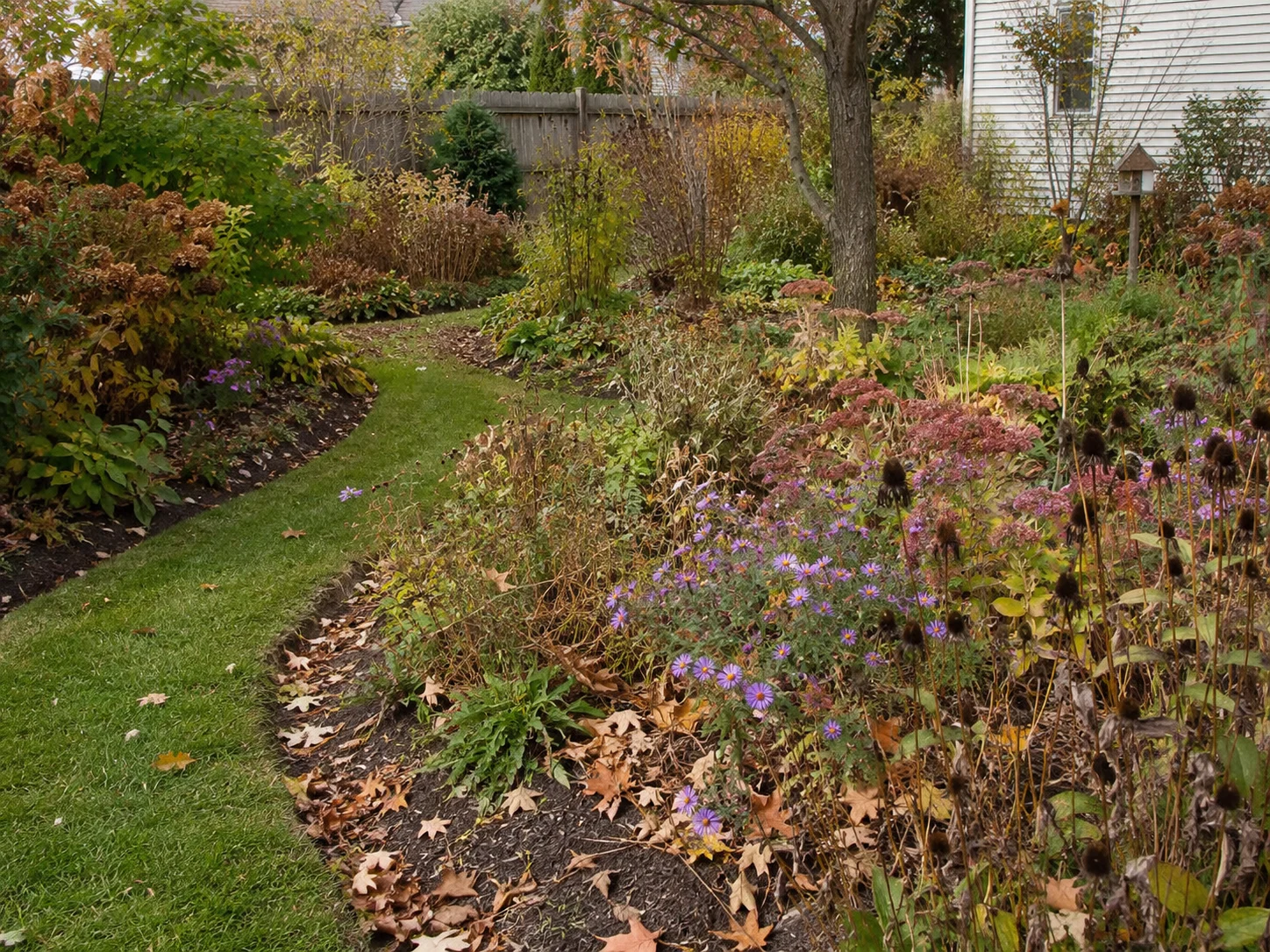
Leave most stems, seedheads, grasses, and leaf litter in place until spring.
That does not mean your garden has to look abandoned. It means you stop treating every dead stem like trash.
The Xerces Society explains that leaves, brush piles, fallen logs, plant stems, and flower heads provide winter shelter for insects and other wildlife. Many native bees nest in stems, flower heads, wood, or soil, and removing all that material in autumn can remove animals that have already settled in for winter. Xerces Society guide to leaving leaves and stems for wildlife
That is the core principle: fall cleanup should protect habitat, not erase it.
A useful fall routine looks more like editing than demolition:
- Cut back diseased or pest-ridden plants
- Remove invasive or aggressive weeds
- Clear paths, hive access, seating areas, and safety zones
- Leave healthy stems, seedheads, grasses, and leaf litter
- Move leaves into beds instead of bagging everything
- Save the bigger cleanup for late spring
If you cut your whole pollinator garden flat in October, you are not “preparing for next year.” You are deleting a lot of next year’s life before it gets a chance.
Why Leaving Stems Matters for Bees
Many people think bees only need flowers. That is beginner-level thinking.
Bees need two things:
- Food
- Shelter
Flowers provide nectar and pollen during the growing season. But once fall arrives, shelter becomes just as important. Some native bees use hollow or pithy stems. Others nest in bare or lightly covered soil. Some insects overwinter in leaf litter, under plant debris, or inside dead material that looks useless to the human eye.
Honey bees are different because managed colonies overwinter inside the hive, but your garden is not only serving honey bees. A strong pollinator garden should support native bees, solitary bees, bumblebee queens, butterflies, moths, hoverflies, beetles, and other beneficial insects too.
That means those dry stems matter.
Good stems to leave include:
- Coneflower
- Rudbeckia
- Joe-Pye weed
- Goldenrod
- Asters
- Bee balm
- Sunflowers
- Hollow or pithy native perennial stems
- Ornamental grasses
- Seedheads used by birds
The stems may look dead, but many are still functioning as shelter, structure, seed source, and winter cover.
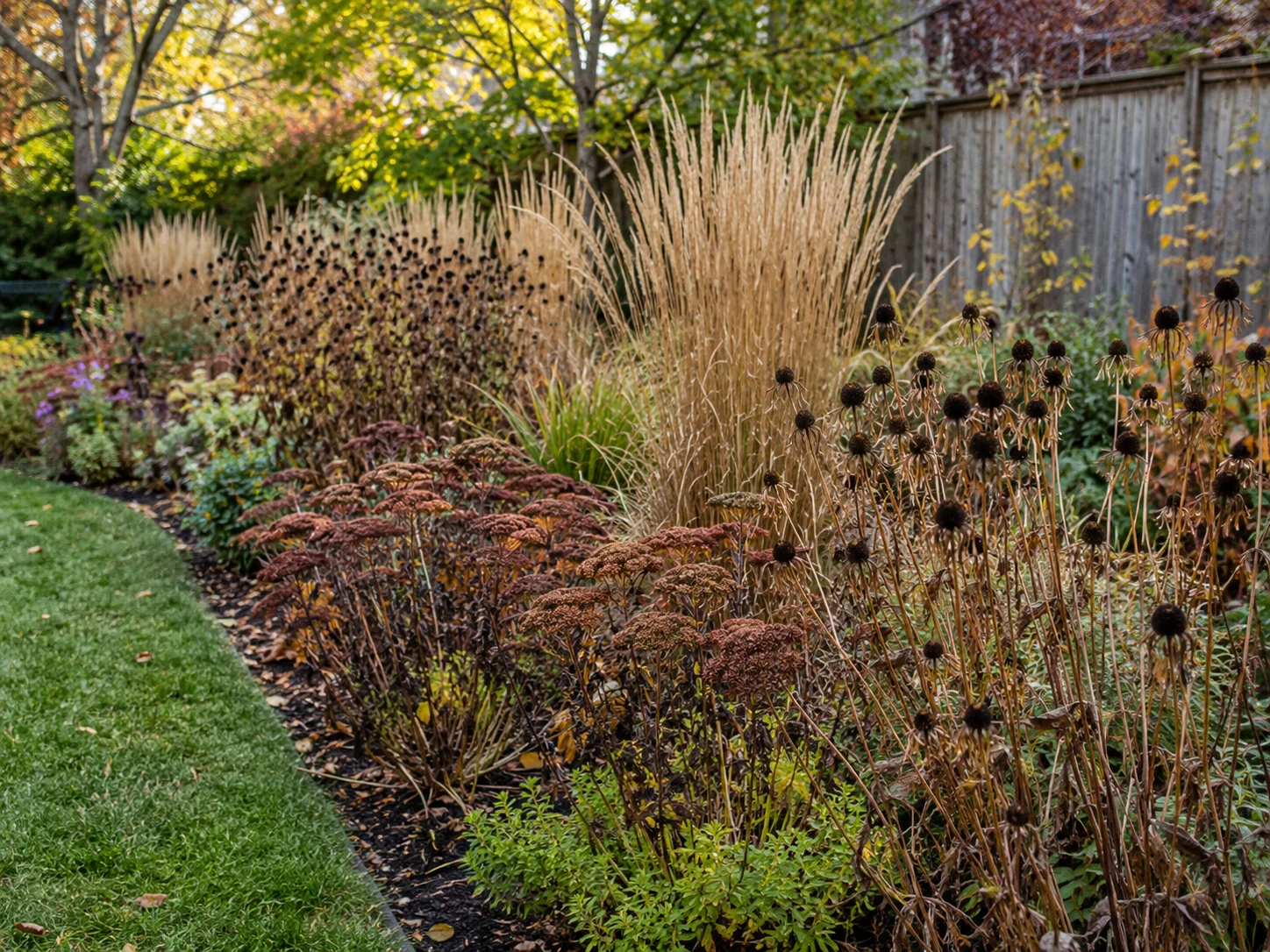
What You Should Cut Back in Fall
Selective cleanup is smart. Total cleanup is the trash strategy.
Here is what should usually be removed in fall.
1. Diseased Plant Material
If a plant had powdery mildew, rust, black spot, blight, or other obvious disease problems, cut it back and remove the material.
Do not compost diseased foliage unless you are running a proper hot compost system. Most backyard compost piles are not hot or consistent enough to destroy every problem. Bag it, dispose of it, or follow local garden waste guidance.
Cut back:
- Diseased phlox
- Mildewed bee balm
- Blackened or rotting foliage
- Plants with recurring fungal issues
- Any leaves or stems that could spread disease next year
This is not about being neat. It is about reducing disease pressure.
2. Aggressive Self-Seeders
Some pollinator plants are useful but pushy. If they seed everywhere and overwhelm weaker plants, you may need to cut the seedheads before they drop.
Examples may include:
- Overactive goldenrod in small gardens
- Certain asters
- Verbena bonariensis in mild climates
- Feverfew
- Some ornamental grasses
- Any plant already taking over your bed
Do not confuse “good for bees” with “let it dominate everything.” A chaotic monoculture is not a well-designed pollinator garden.
If a plant is useful but too aggressive, cut some seedheads and leave others. That gives wildlife some food while keeping the garden under control.
3. Anything Blocking Paths, Doors, or Hive Access
A bee-friendly garden still has to work for humans.
Cut back anything that:
- Falls across paths
- Blocks steps or gates
- Covers hive entrances
- Makes inspections awkward
- Creates trip hazards
- Smothers smaller plants
- Flops into lawns or driveways
For backyard beekeepers, this matters even more. You need clear access around hives for inspections, feeding, winter checks, and emergency work. keep hive access clear while still supporting pollinators.
The compromise is simple: clean the working zones and leave the habitat zones.
4. Rotten, Slimy, or Collapsed Material
Some plants collapse into wet mats after frost. If that material is smothering crowns, trapping too much moisture, or turning slimy, remove part of it.
Especially watch:
- Hostas
- Daylilies
- Soft annuals
- Frost-killed tender plants
- Large leaves covering small perennials
- Wet mats over crowns
Not all “mess” is useful habitat. Some of it is just rot.
What You Should Leave Standing
Now the important part.
If the plant is healthy, structurally useful, and not causing a problem, leave it.
Leave Seedheads
Seedheads feed birds and add winter structure. They also make the garden look intentional instead of empty.
Good seedheads to leave:
- Coneflower
- Rudbeckia
- Sunflower
- Teasel where appropriate
- Eryngium
- Alliums
- Sedum
- Ornamental grasses
Seedheads are one of the easiest ways to make a fall and winter pollinator garden look designed rather than neglected.
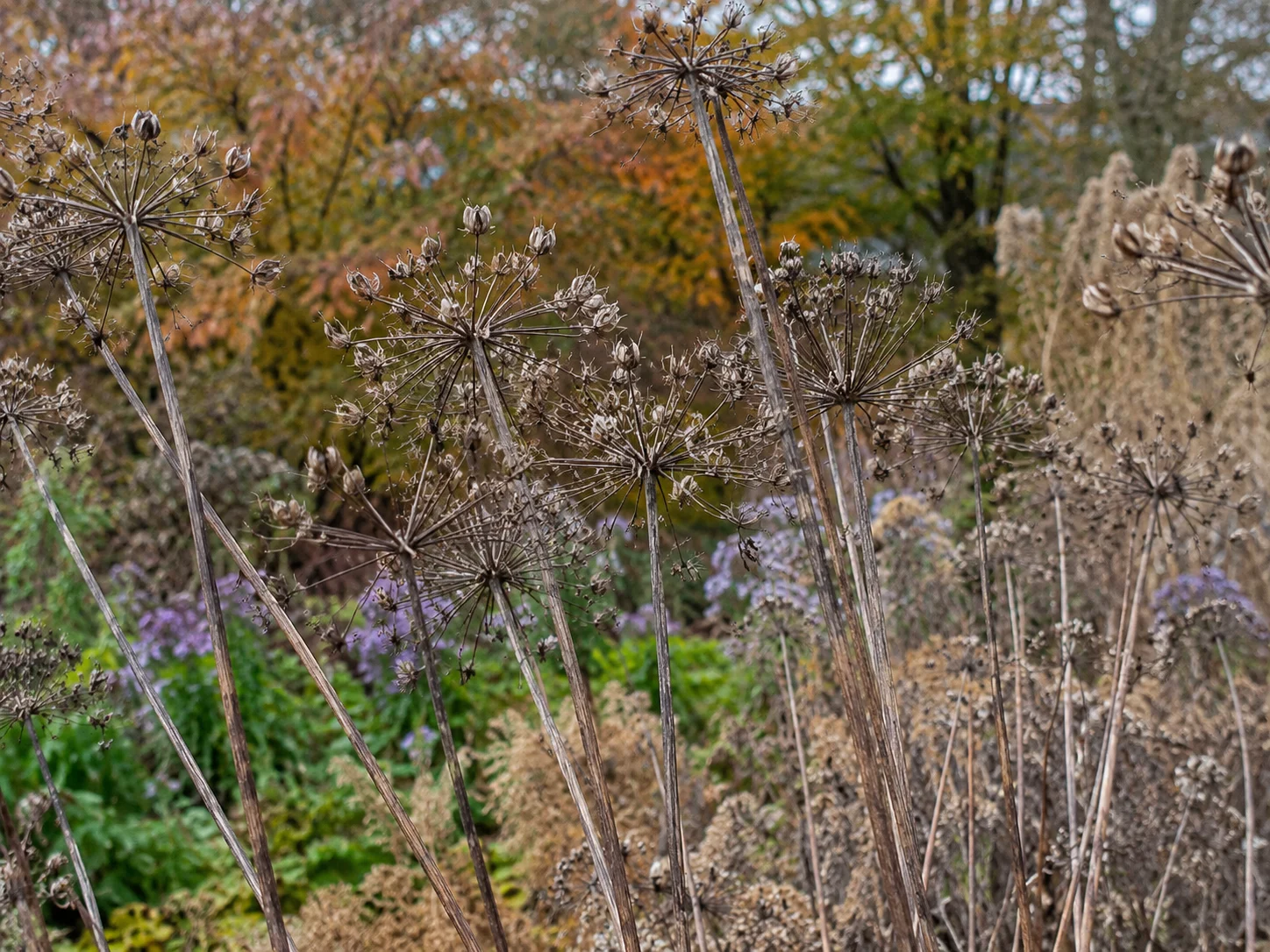
Leave Hollow and Pithy Stems
These can be used by stem-nesting bees and other insects. Do not cut them all to the ground in fall.
If you must reduce height, cut some stems high instead of low. Leaving stems at different heights creates more habitat variety.
A practical method:
- Leave many stems standing through winter.
- In spring, cut some to around 12–18 inches.
- Let new growth hide the old stems.
- Leave old stem bundles in a quiet corner if you remove them later.
This is not laziness. It is functional habitat management.
Leave Some Leaves
Leaves are not garbage. They are insulation, mulch, soil food, and overwintering cover.
The Xerces Society recommends that leaves do not have to stay exactly where they fall; they can be moved into garden beds, around tree bases, or into designated areas, where they help suppress weeds, retain moisture, improve soil, and insulate perennials. Xerces Society leave-the-leaves guidance.
Use leaves like free mulch:
- Rake them off paths
- Remove thick layers from lawns
- Move them into beds
- Tuck them under shrubs
- Keep them away from hive entrances
- Leave some whole instead of shredding everything
Do not bury delicate perennials under a soggy mountain of leaves. But do not bag the whole resource and send it away either. turn autumn leaves into useful bee-friendly garden cover.
How to Make an Uncut Pollinator Garden Look Tidy
This is where most advice online becomes weak. It says “leave everything,” then your garden looks like an abandoned lot. That will not work for most homeowners.
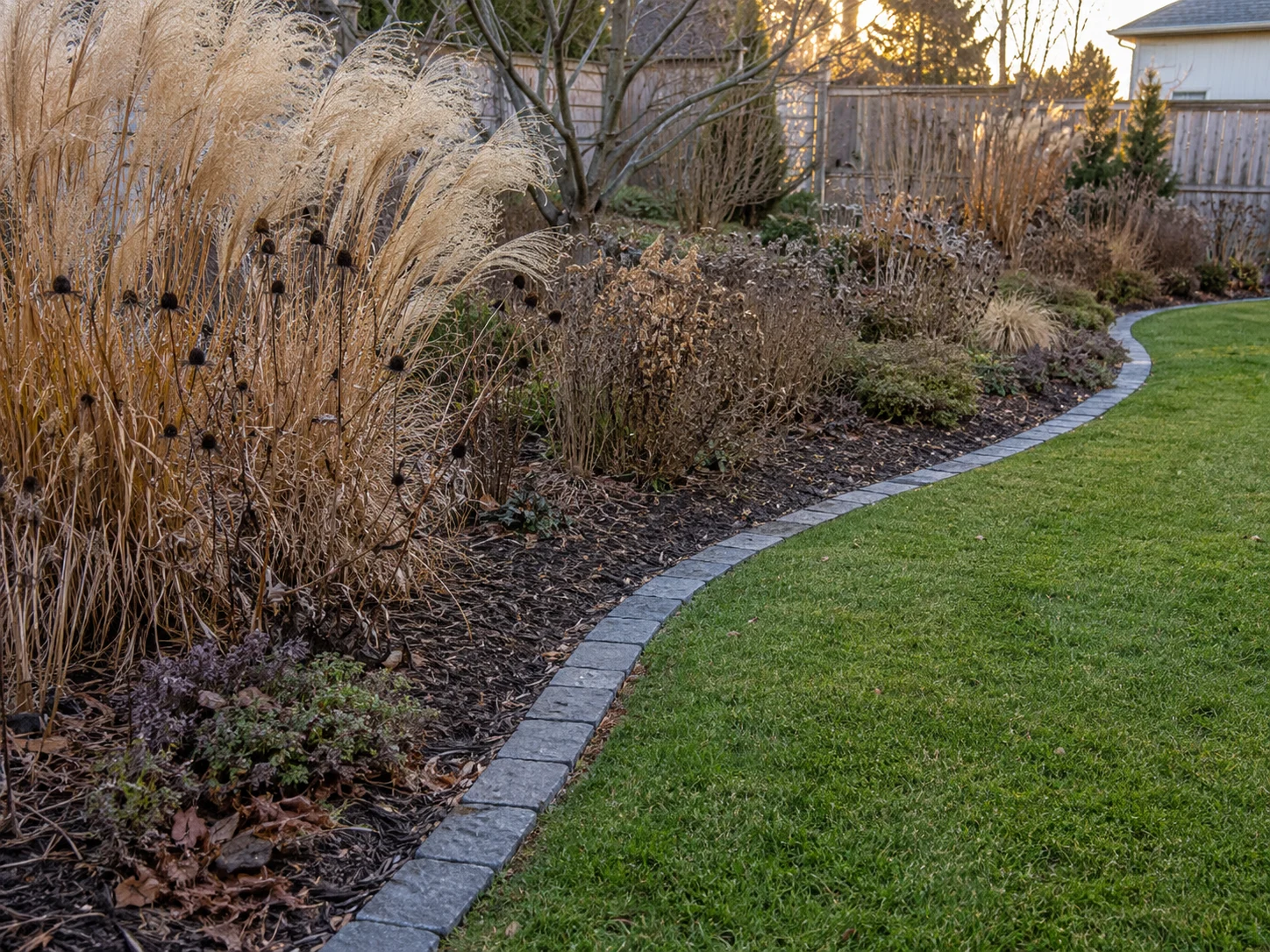
The solution is not to cut everything. The solution is to frame the wildness.
Use Clean Edges
Clean edges make a messy middle look intentional.
Do this:
- Mow or edge around the bed
- Clear paths
- Trim plants leaning into walkways
- Keep the front 12 inches neater
- Leave taller stems toward the back
- Use logs, low fencing, stones, or edging to define the bed
A crisp edge tells people the garden is managed. Without that, even a good pollinator garden can look neglected.
Create Habitat Corners
Instead of leaving debris everywhere, create quiet habitat pockets.
Good places:
- Behind shrubs
- Along fences
- Under hedges
- In the back corner of a bed
- Around tree bases
- Away from heavy foot traffic
- Away from hive entrances
This works especially well in small gardens where you need a balance between wildlife value and appearance. design a garden that feeds bees without looking messy.
Leave the Best-Looking Structure
Some plants look good all winter. Others collapse into mush.
Leave the strong ones:
- Grasses
- Sedum
- Coneflower
- Rudbeckia
- Allium seedheads
- Eryngium
- Asters with sturdy stems
- Joe-Pye weed
Cut or reduce the ugly, diseased, or collapsed material. This gives you a garden that still supports insects but does not look like you gave up.
When Should You Finish Cutting Back in Spring?
Do not rush spring cleanup.
That first warm weekend is a trap. Many overwintering insects are still hidden in stems, leaves, and soil even when the weather briefly feels pleasant.
A safer rule is to wait until spring is properly underway and temperatures are consistently mild. Better Homes & Gardens notes that some guidance uses air temperature, but soil temperature is often more meaningful because many overwintering insects and soil organisms become active when soil temperatures consistently rise. BHG explanation of spring cleanup timing and soil temperature
A practical spring cleanup plan:
- Wait until the garden is actively waking up.
- Watch for consistent mild weather, not one random warm day.
- Cut old stems high where possible.
- Leave some cut stems in a loose pile at the back of the garden.
- Avoid heavy mulching over bare soil where ground-nesting bees may emerge.
- Clean gradually instead of clearing everything in one afternoon.
If your garden must be cleaned earlier because of rules, neighbors, or property standards, cut stems and lay them gently in a quiet corner instead of bagging them immediately.
Special Advice for Beekeepers
If you keep honey bees, fall garden cleanup has one extra layer: hive practicality.
You should leave pollinator habitat, but not at the expense of hive safety or access.
Around the hive:
- Keep entrances clear
- Remove tall grass directly in front of landing boards
- Prevent wet leaves from piling against hive stands
- Keep inspection space open
- Avoid brush piles directly against equipment
- Keep water sources clean
- Remove rotting fruit or spilled syrup that may encourage robbing
Do not let “wildlife-friendly” become an excuse for a sloppy apiary. That is not ecological. That is careless.
The best setup is a managed hive zone surrounded by a more relaxed pollinator zone. Clean where you work. Leave habitat where insects can safely overwinter. plan useful plants around your backyard hive without creating access problems.
Quick Fall Cutback Checklist
Use this before you start cutting.
Cut Back or Remove
- Diseased foliage
- Pest-infested plants
- Invasive weeds
- Aggressive seedheads
- Rotten collapsed material
- Plants blocking paths
- Plants blocking hive access
- Tender annuals killed by frost
- Anything smothering crowns
Leave Standing
- Healthy perennial stems
- Hollow and pithy stems
- Coneflower seedheads
- Rudbeckia seedheads
- Sedum heads
- Ornamental grasses
- Allium seedheads
- Aster stems
- Goldenrod stems where controlled
- Leaf litter in beds
- Quiet habitat corners
Move, Do Not Bag
- Fallen leaves
- Small twigs
- Cut healthy stems
- Dry plant debris
- Brushy material that can become habitat
The goal is not zero cleanup. The goal is smart cleanup.
Conclusion: Cut Less in Fall, But Cut Smarter
So, should you cut back your pollinator garden in fall?
Yes, but not like a landscaper trying to erase the season.
Cut back what is diseased, dangerous, invasive, rotten, or blocking access. Leave healthy stems, seedheads, grasses, and leaf litter where they can protect insects, feed birds, insulate soil, and keep your garden useful through winter.
A good pollinator garden is not just a summer flower display. It is a year-round habitat system. If you strip it bare every fall, you break that system right when wildlife needs it most.
Clean the edges. Clear the paths. Protect the hive area. Then leave enough structure for life to survive until spring.
Ready to make your bee garden and apiary work better together? Explore the honeyroadblog.com shopping page for high-quality beekeeping supplies, whether you are starting your first hive, improving your backyard setup, or upgrading the tools that help you manage bees through every season.