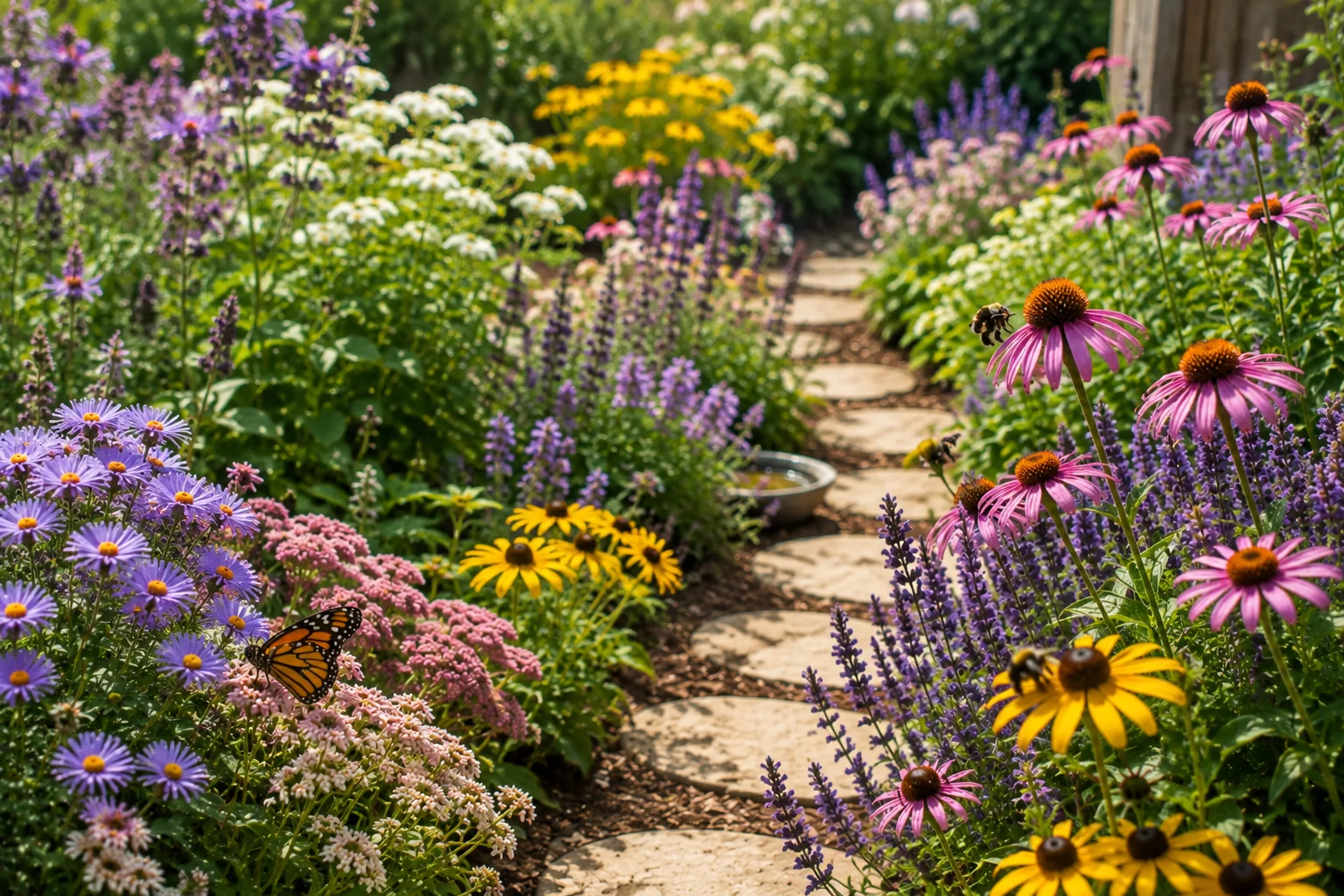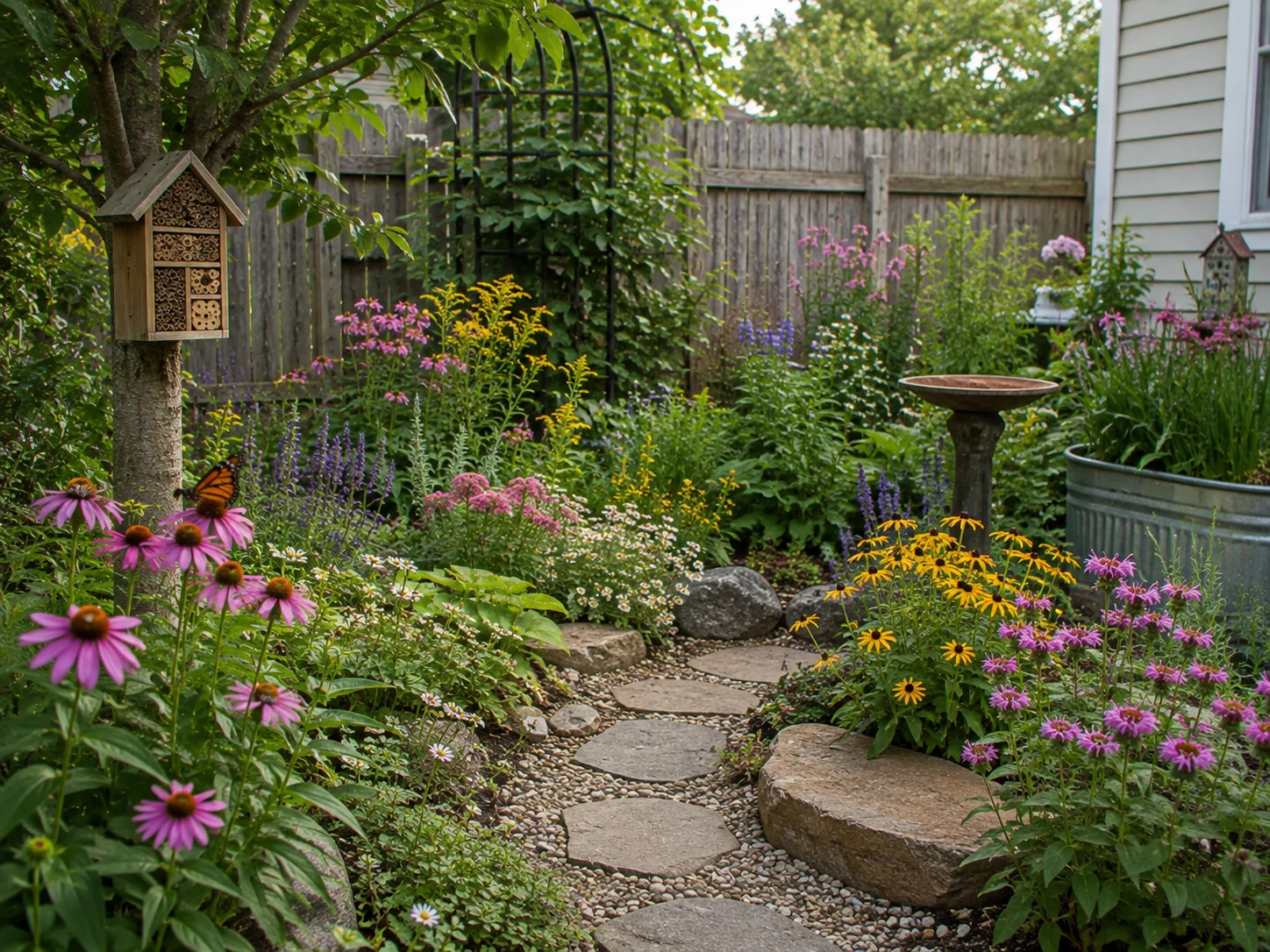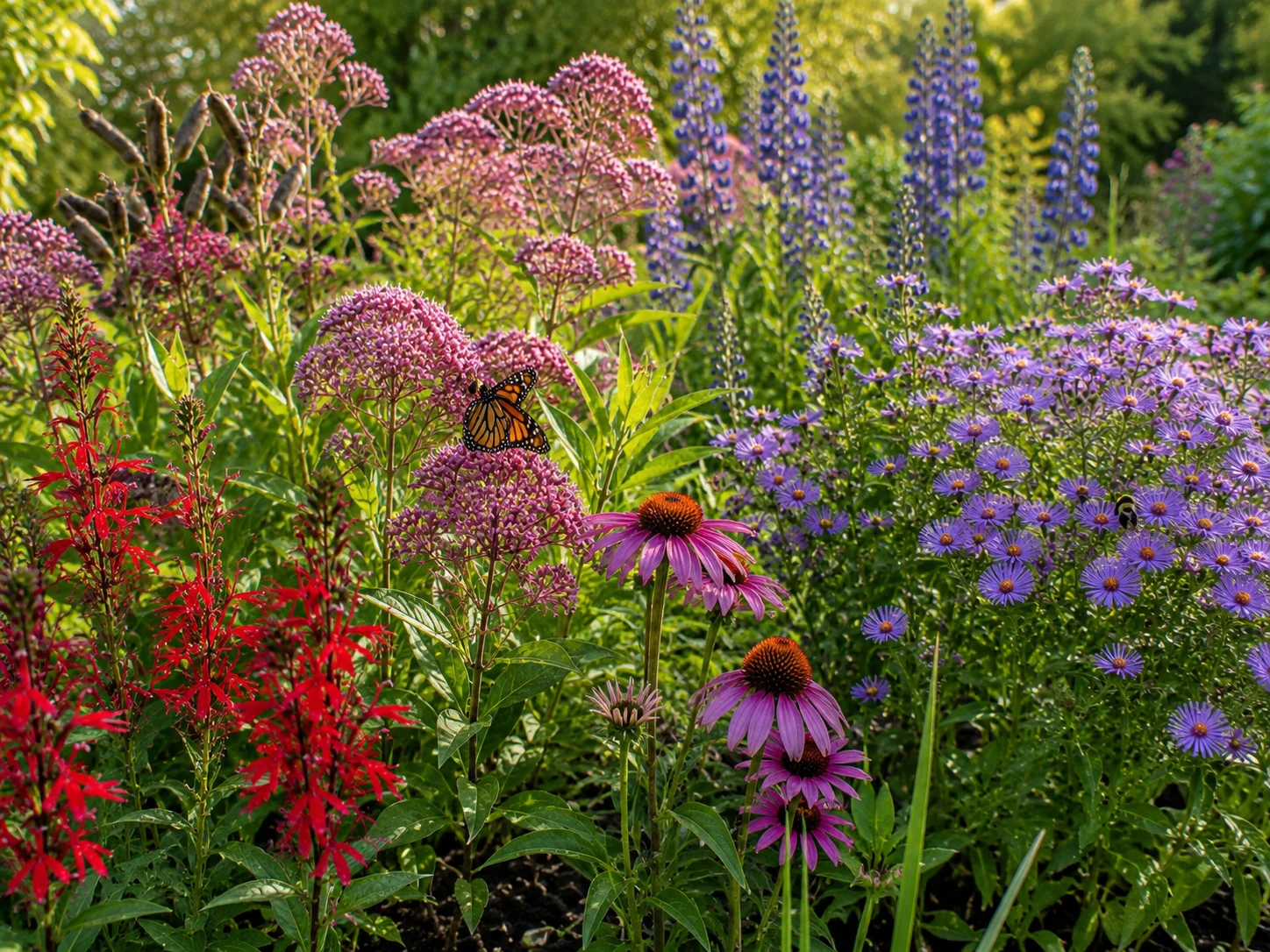

An autumn pollinator garden is an absolute necessity, because as the long, hot days of summer begin to fade, many backyard gardeners instinctively hang up their trowels. It is easy to look at the falling leaves and assume that the blooming season is officially over. However, for honeybees and native pollinators, September and October are not months of rest—they are a frantic race against the clock.
During the autumn transition, a honeybee colony is actively raising its “winter bees”—a specialized generation of bees with higher fat reserves designed to survive the freezing months ahead. To rear these bees and stockpile enough winter honey, the hive desperately needs late-season nectar and pollen.
Because the United States spans such a massive range of climates—from the freezing northern borders to the sweltering southern sunbelt—there is no such thing as a “one-size-fits-all” autumn gardening guide. What you should plant in Maine in September is vastly different from what you should plant in Texas.
This guide will break down exactly how to navigate your local temperatures, select the perfect regionally appropriate plants, and build a thriving autumn bee garden that keeps nectar and pollen available after summer flowers fade to ensure your apiary survives until spring.
Why Temperature Dictates Your Autumn Strategy
Before heading to the local nursery, you must understand what autumn actually means for your specific soil. In the landscaping world, the US is divided into different planting regions defined by the USDA Plant Hardiness Zone Map, which calculates the average annual extreme minimum winter temperature.
When you plant in September and October, you are generally aiming for one of two goals:
- Immediate Forage: Providing late-blooming flowers that are already budding or actively blooming to feed bees right now.
- Root Establishment: Planting perennials, shrubs, and bulbs while the soil is still warm so they can establish strong root systems to explode with blooms next spring.
Here is exactly what you should be planting based on your region’s temperature drops.
1. The Freezing North & Midwest (USDA Zones 3–5)
In regions like New England, the Upper Midwest, and the northern Rockies, September brings rapidly dropping temperatures. The first hard frost can hit as early as late September or mid-October.
Because the ground will freeze solid quickly, your goal here is to provide immediate, cold-hardy forage for desperate bees, and to get your spring bulbs into the ground before the soil becomes impenetrable.
What to Plant for Immediate Autumn Forage:
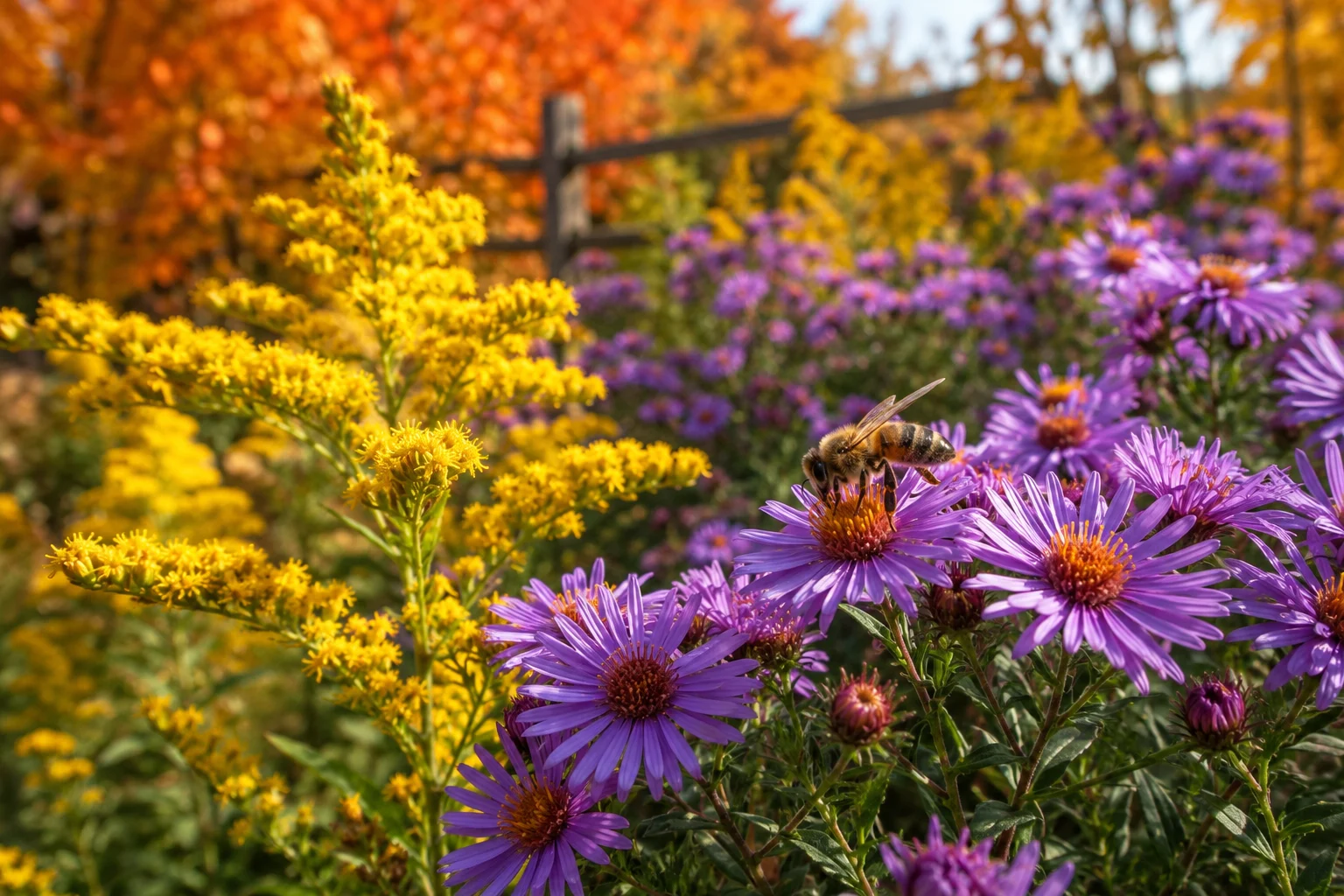
- New England Asters (Symphyotrichum novae-angliae): The undisputed kings of the northern fall garden. They can survive light frosts and continue to provide critical pollen long after other plants have died back.
- Stiff Goldenrod (Solidago rigida): Often unfairly blamed for allergies (that is actually ragweed!), goldenrod provides an incredibly rich, heavy nectar flow that northern bees rely on to top off their winter honey stores.
- Autumn Joy Sedum: A tough, succulent-like perennial that produces massive, flat pink flower heads. It is virtually indestructible and highly attractive to late-season bumblebees.
What to Plant Now for Spring Forage:
- Spring-Blooming Bulbs: September and October are the absolute best months to plant Crocus, Snowdrops, and Siberian Squill. These bulbs need the freezing winter temperatures to trigger their blooms, and they will be the very first flowers to feed your hungry bees when the snow melts next year.
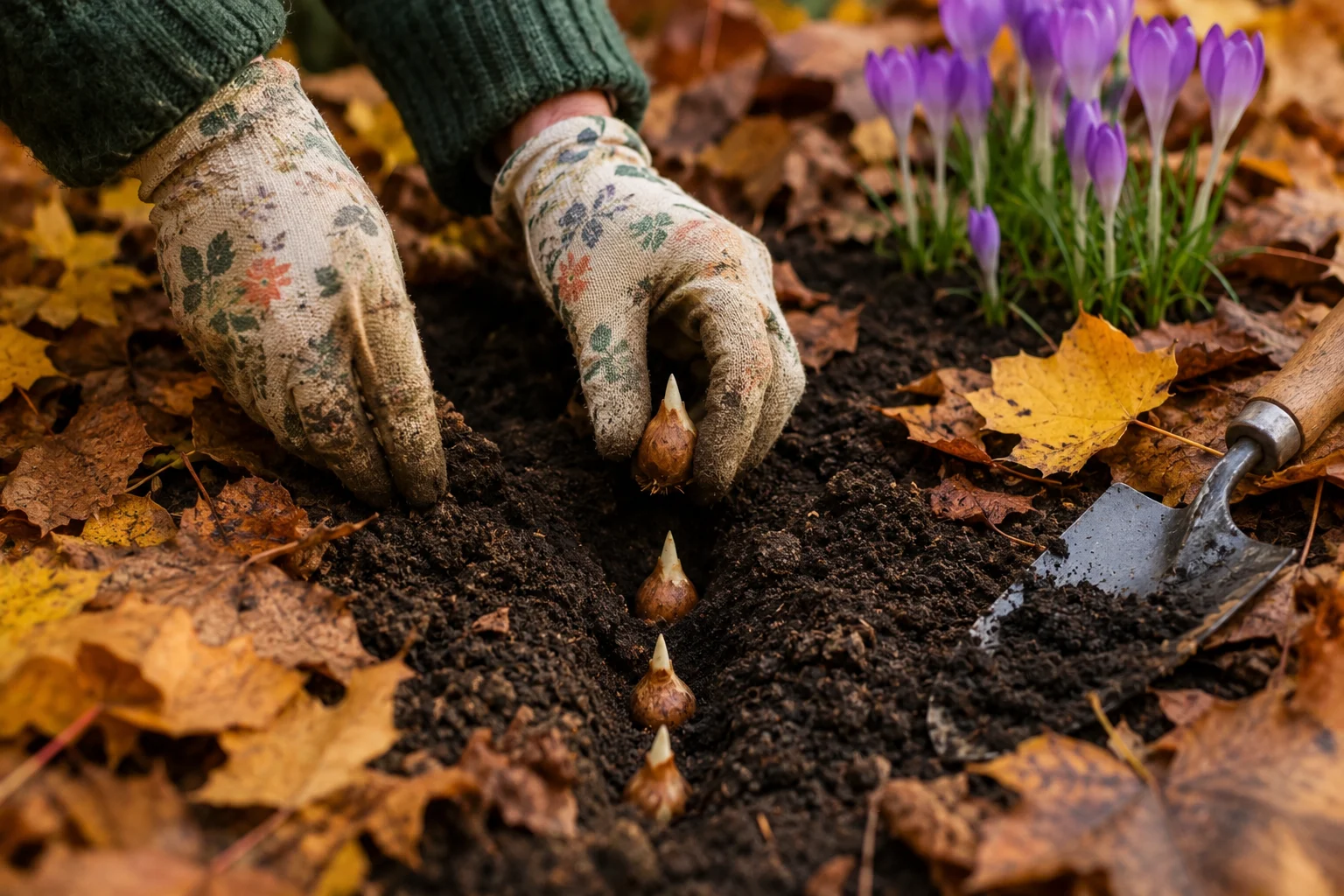
Northern Beekeeper Tip: As the freezing winds arrive, resist the urge to cut your dead flowers down. Avoiding the mistake of stripping the garden bare allows the hollow stems of your asters to become vital overwintering homes for solitary native bees.
2. The Mild Transition Zones (USDA Zones 6–8)
For the middle of the country—stretching from the Mid-Atlantic across the central plains to parts of the Pacific Northwest—autumn is arguably the best gardening season of the entire year. The days remain warm and pleasant, while the nights turn crisp. Hard frosts typically do not arrive until late November.
Because the soil remains warm for months, September and October are the perfect times to plant large structural shrubs and perennials that will anchor your pollinator garden.
What to Plant for Immediate Autumn Forage:
- Sweet Autumn Clematis (Clematis terniflora): A vigorous climbing vine that explodes with thousands of tiny, highly fragrant white flowers in late September. It is an absolute magnet for honeybees. (Note: Check local invasive lists, as it can spread aggressively in some states; native virgin’s bower is a great alternative).
- Joe-Pye Weed (Eutrochium purpureum): A towering, architectural plant that produces massive pinkish-purple flower heads. It thrives in the cooler, damp conditions of mid-autumn.
- Witch Hazel (Hamamelis virginiana): An incredible native shrub that produces spindly, bright yellow flowers in late October and November, just as everything else is going dormant.
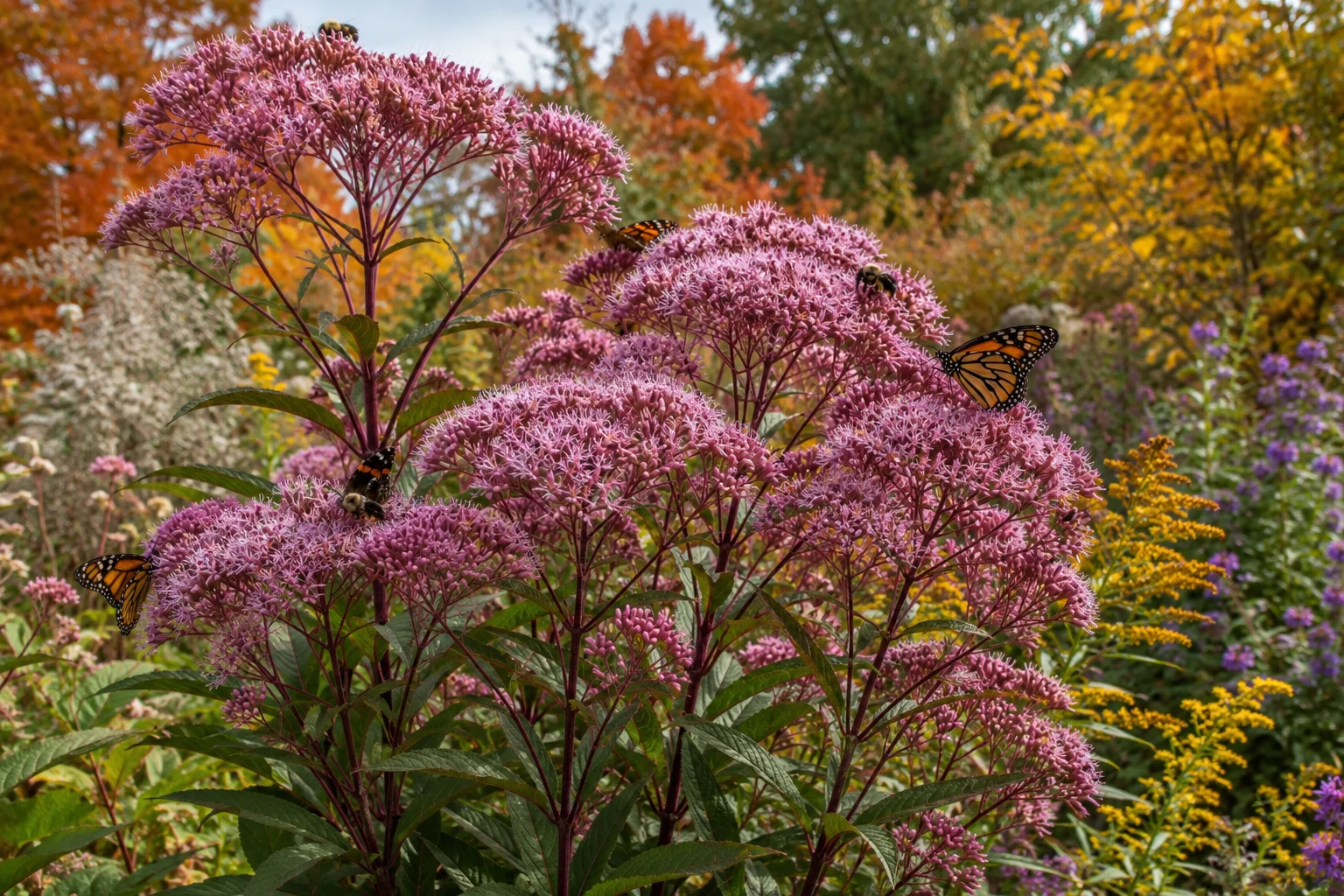
What to Plant Now for Spring Forage:
- Flowering Trees and Shrubs: Warm soil and cool air create the perfect environment for root growth without the stress of the summer sun. Plant Serviceberry, Eastern Redbud, and Native Viburnums now. They will establish roots all winter and provide a massive nectar flow next spring.
3. The Hot South & Sunbelt (USDA Zones 9–11)
In the deep South, Florida, Texas, and the Southwest, September is often just an extension of summer. Temperatures can easily remain in the 90s (32°C+), and a hard winter frost may never arrive at all.
For southern beekeepers, the autumn transition is actually a time of relief. When the extreme summer heat finally breaks in October, the bees experience a “second spring,” and foraging activity skyrockets.
What to Plant for Immediate Autumn Forage:
- African Blue Basil: One of the highest nectar-producing herbs available. In frost-free zones, it acts as a perennial shrub, blooming continuously through the autumn and winter.
- Mexican Sunflower (Tithonia rotundifolia): A massive, heat-loving annual that produces brilliant orange flowers. It thrives in the late-summer and early-autumn heat, providing endless nectar for migrating Monarch butterflies and local bees.
- Pineapple Sage (Salvia elegans): A stunning autumn bloomer that pushes bright red, tubular flowers starting in late September. It is highly drought-tolerant and perfect for the arid Southwest.
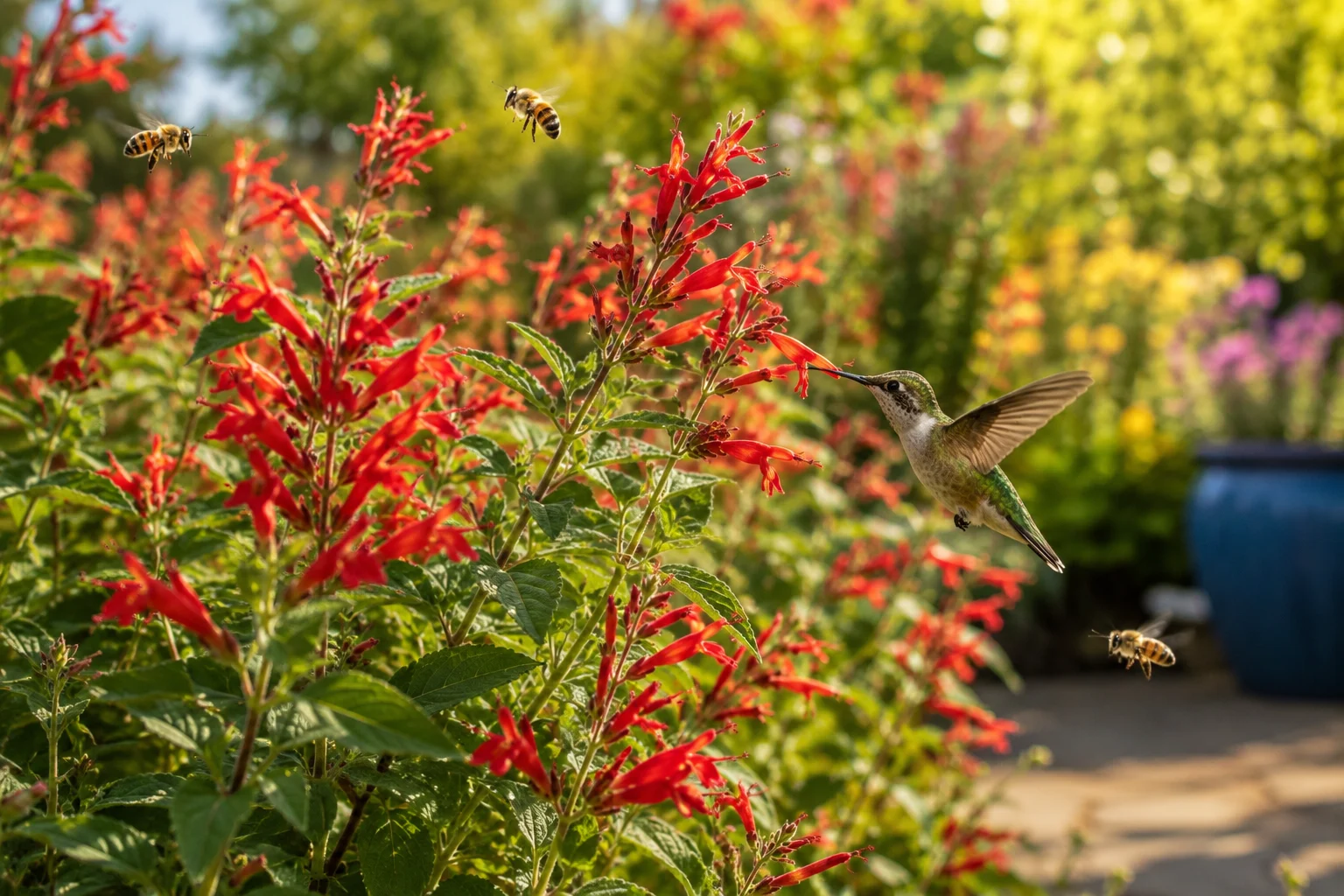
Southern Beekeeper Tip: Even with warm temperatures, sudden late-season nectar dearths can trigger aggressive behavior in your apiary. You must be vigilant about identifying and stopping robbing bees before a strong colony wipes out a weaker one during a dry spell.
Universal Rules for Autumn Pollinator Planting
Regardless of whether you are planting in the freezing mountains of Vermont or the sunny coasts of California, a few universal rules apply to autumn gardening:
- Water Deeply Until the Freeze: Just because the air is cool does not mean your plants are hydrated. Fall breezes can dry out the soil quickly. Continue to water newly planted perennials and shrubs deeply at least once a week until the ground physically freezes solid.
- Avoid Autumn Pesticides: According to the Xerces Society for Invertebrate Conservation, late-season pesticide applications are incredibly harmful to overwintering queens and migrating butterflies. Let natural predators handle any late-season aphids.
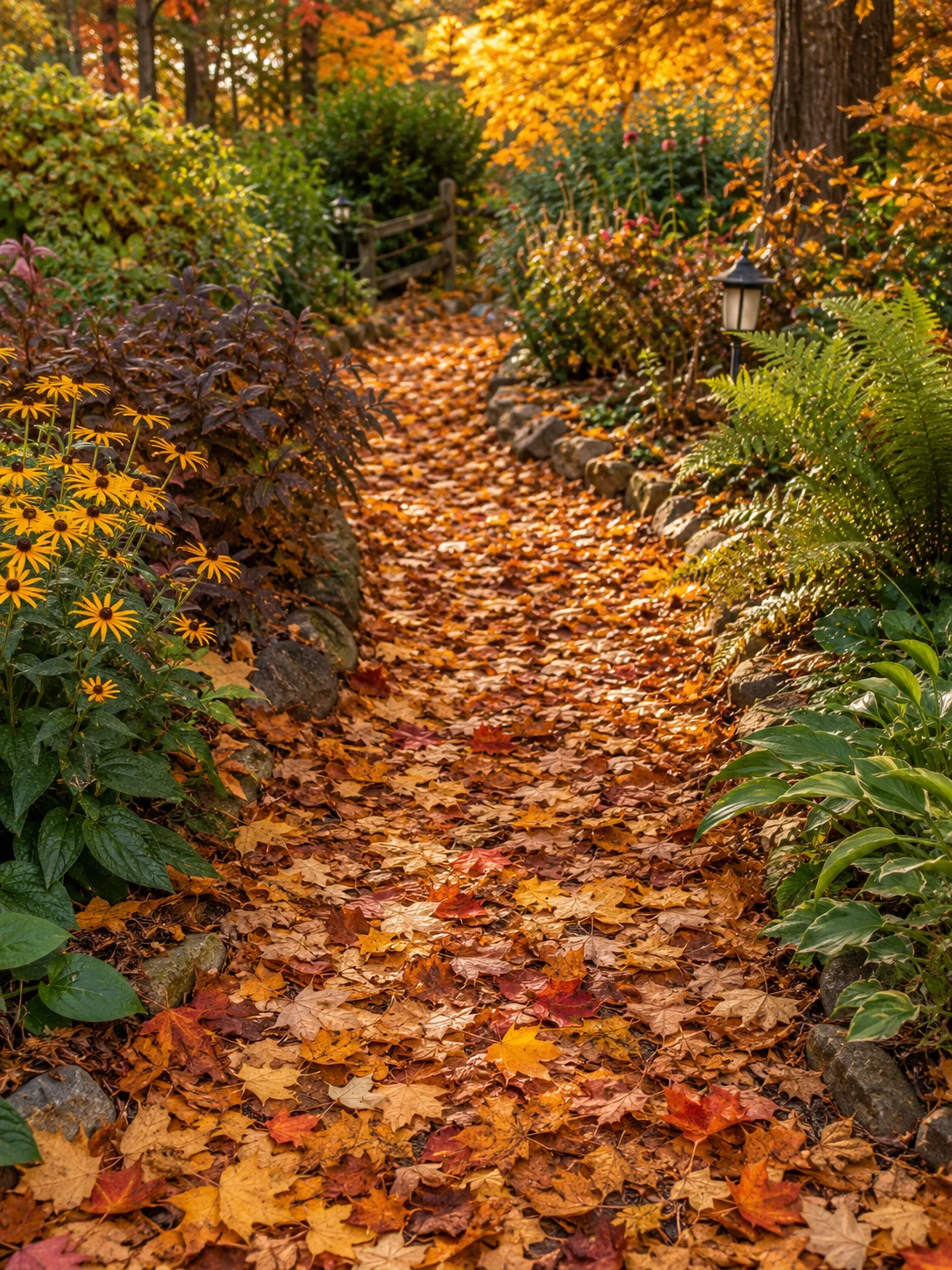
- Leave the Leaves: We cannot emphasize this enough. Fallen leaves act as a natural, insulating mulch for the new plants you just put in the ground, protecting their young roots from frost heaving. Furthermore, they provide a vital winter blanket for pupating moths and beneficial ground beetles.
Conclusion
Building a successful pollinator garden requires thinking one step ahead of the weather. By understanding how your specific US climate zone behaves in September and October, you can provide critical, life-saving forage for your bees exactly when they need it most. Whether you are tucking crocus bulbs into the freezing northern soil, planting witch hazel in the mid-Atlantic, or maintaining a massive blooming sage bush in the deep South, your autumn gardening efforts will ensure your apiary enters the winter strong, healthy, and well-fed.