
Every autumn, beekeepers face the same nerve-wracking question: is it too late to take this honey, or am I about to starve my colony?
Pull too much, and your bees may not survive the cold months ahead. Leave too much unharvested, and you’re sitting on jars of liquid gold that will never make it to your kitchen table. The line between a generous harvest and a fatal mistake is thinner than most new beekeepers realize — and it shifts every single season depending on your climate, your colony’s strength, and what’s still blooming outside the hive.
In this guide, you’ll learn exactly how to read your hive’s signals, calculate how much honey your bees actually need to survive winter, and recognize the specific cues that tell you it’s time to either fill your extractor or close the lid and walk away. Whether you’re harvesting your first frame or your fifteenth season, these rules will help you make the call with confidence instead of guesswork.
Why Autumn Harvest Timing Is So High-Stakes
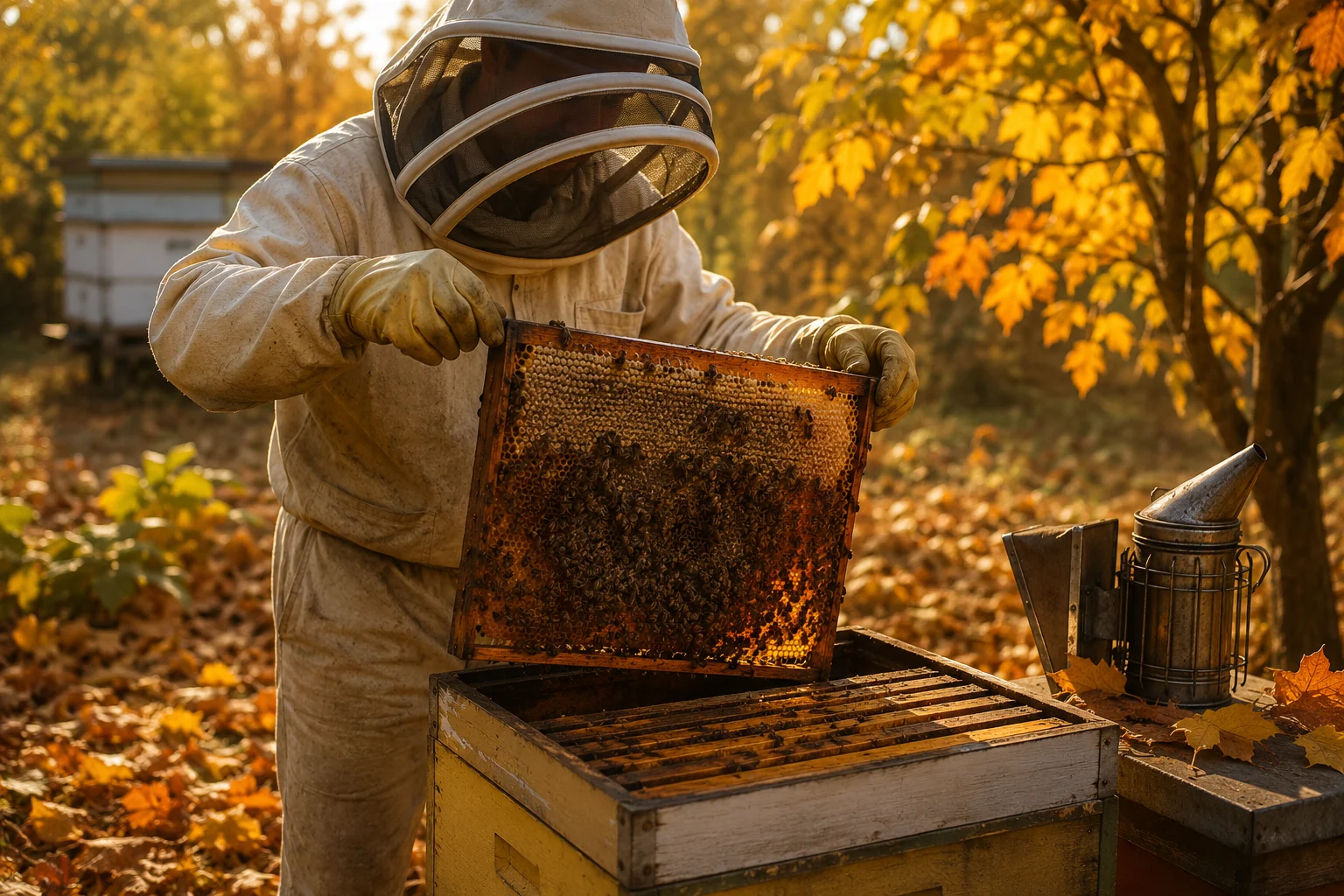
Spring and summer harvests are relatively forgiving — there’s almost always another nectar flow coming. Autumn is different. Once the last significant bloom fades (often goldenrod, asters, or ivy depending on your region), whatever honey remains in the hive is the colony’s entire fuel supply until spring. There’s no second chance to replenish it once the weather turns.
This is why the same question that felt casual in July — “should I pull this frame?” — becomes a survival calculation in September and October.
The Core Principle: Bees First, Jars Second
Commercial and hobbyist beekeepers alike follow one non-negotiable rule: the colony’s winter needs come before your honey jar count. A colony that starves in February because you took one extra super in October is a far bigger loss than the honey you would have harvested.
How Much Honey Does a Colony Actually Need for Winter?
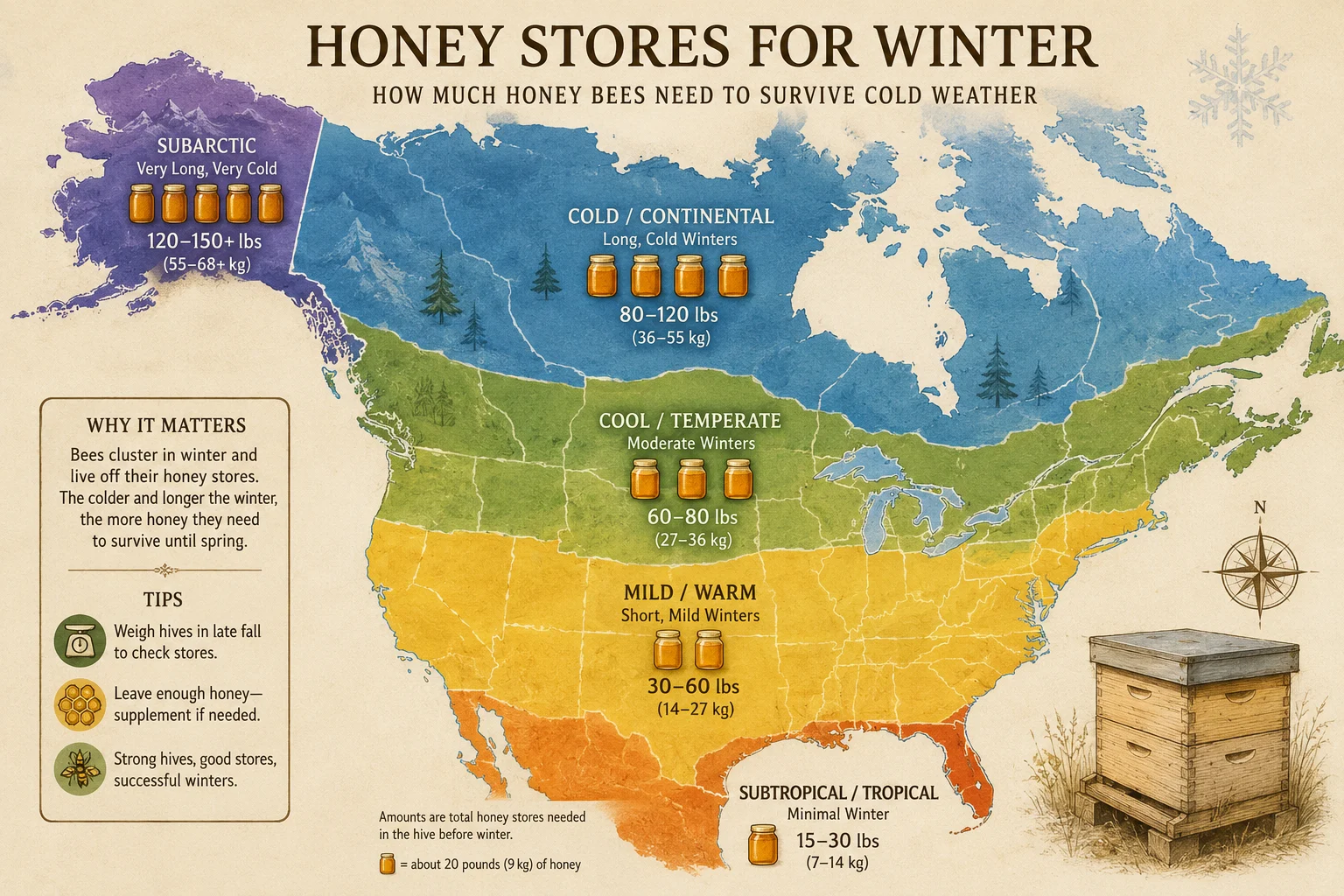
This is the single most important number in your fall harvest decision, and it varies by climate:
- Mild winter climates (short, light winters): 40–60 lbs (18–27 kg) of stored honey
- Moderate winter climates (average US/UK conditions): 60–80 lbs (27–36 kg)
- Harsh, long winter climates (Northern US, Canada, Scandinavia): 80–100+ lbs (36–45 kg)
According to Cornell University’s pollinator program, a full-size two-deep hive needs a minimum of 80 pounds of honey heading into winter, and beekeepers should always err toward leaving too much rather than too little, since welcoming an overstocked hive in spring beats opening one full of starved bees (Cornell CALS, Overwintering). Guessing is never a safe strategy — you need to physically assess stores before pulling any more frames.
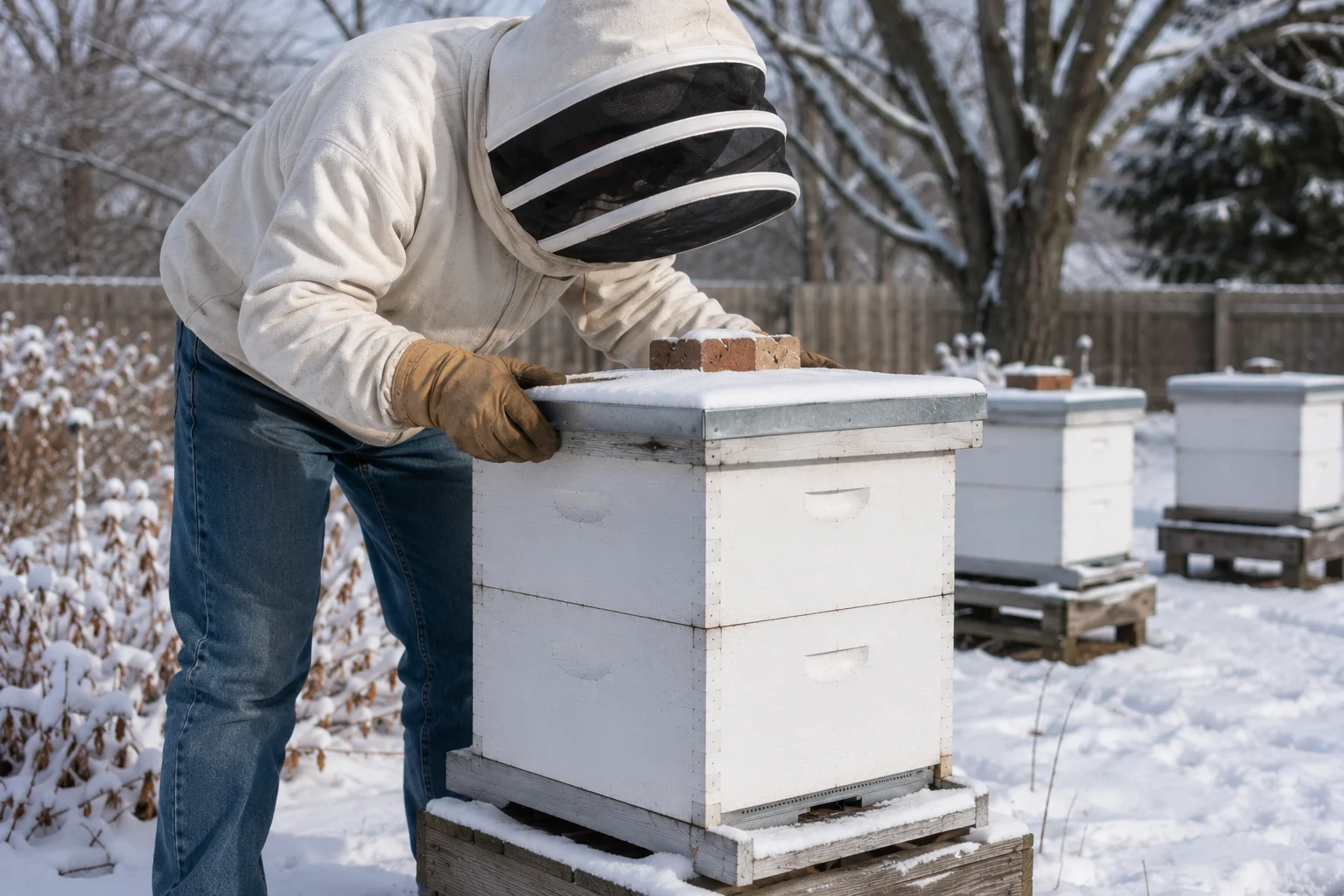
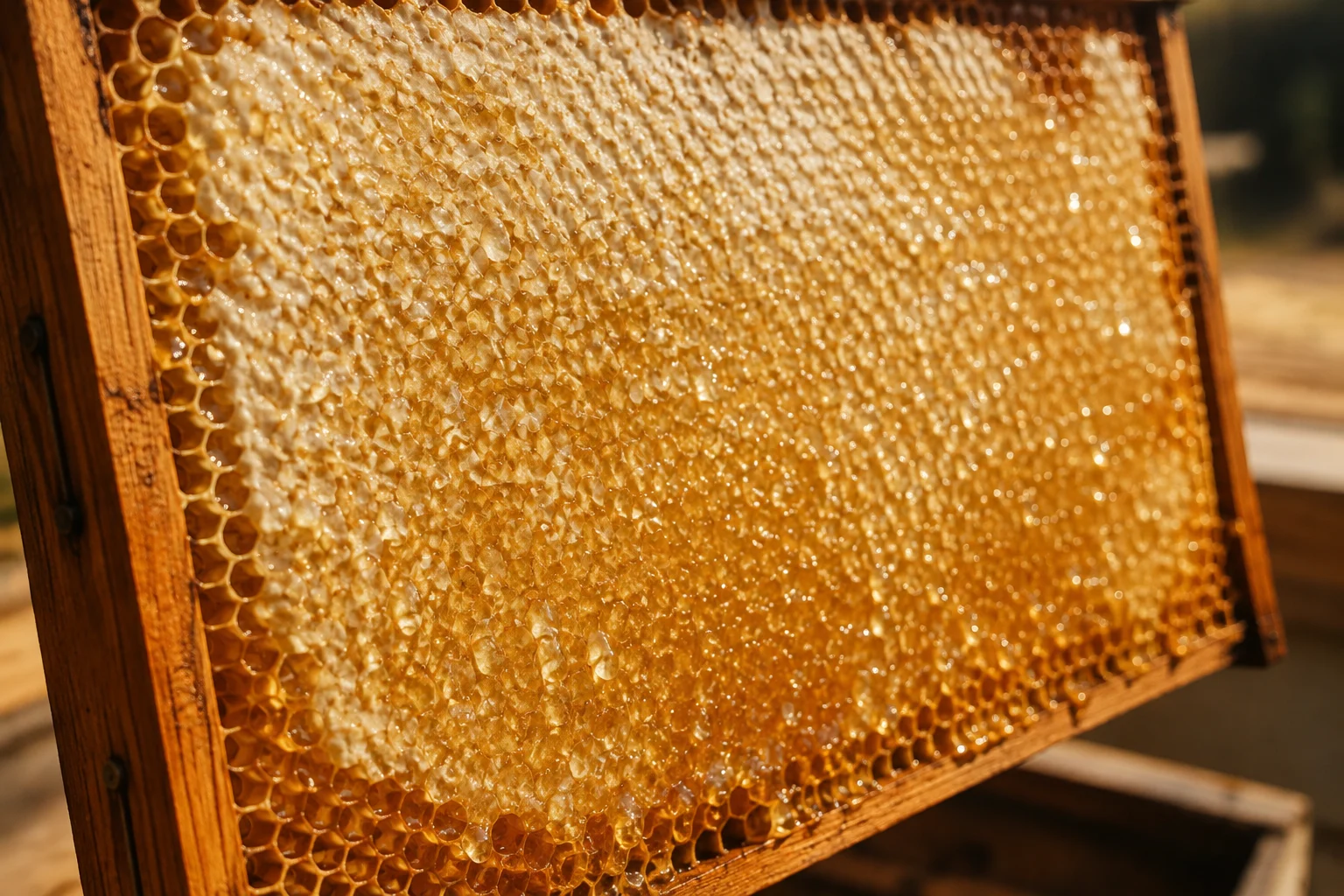
How to check: Lift the back of the hive. If it feels light — like an empty box — your bees need more time to build reserves, not less. Experienced keepers develop a feel for this “heft test,” but if you’re unsure, a hive scale or simply weighing full vs. empty deep frames gives you a much more reliable number.
When to TAKE Honey: 4 Green-Light Signals
1. You’ve Confirmed Winter Stores Are Already Secured
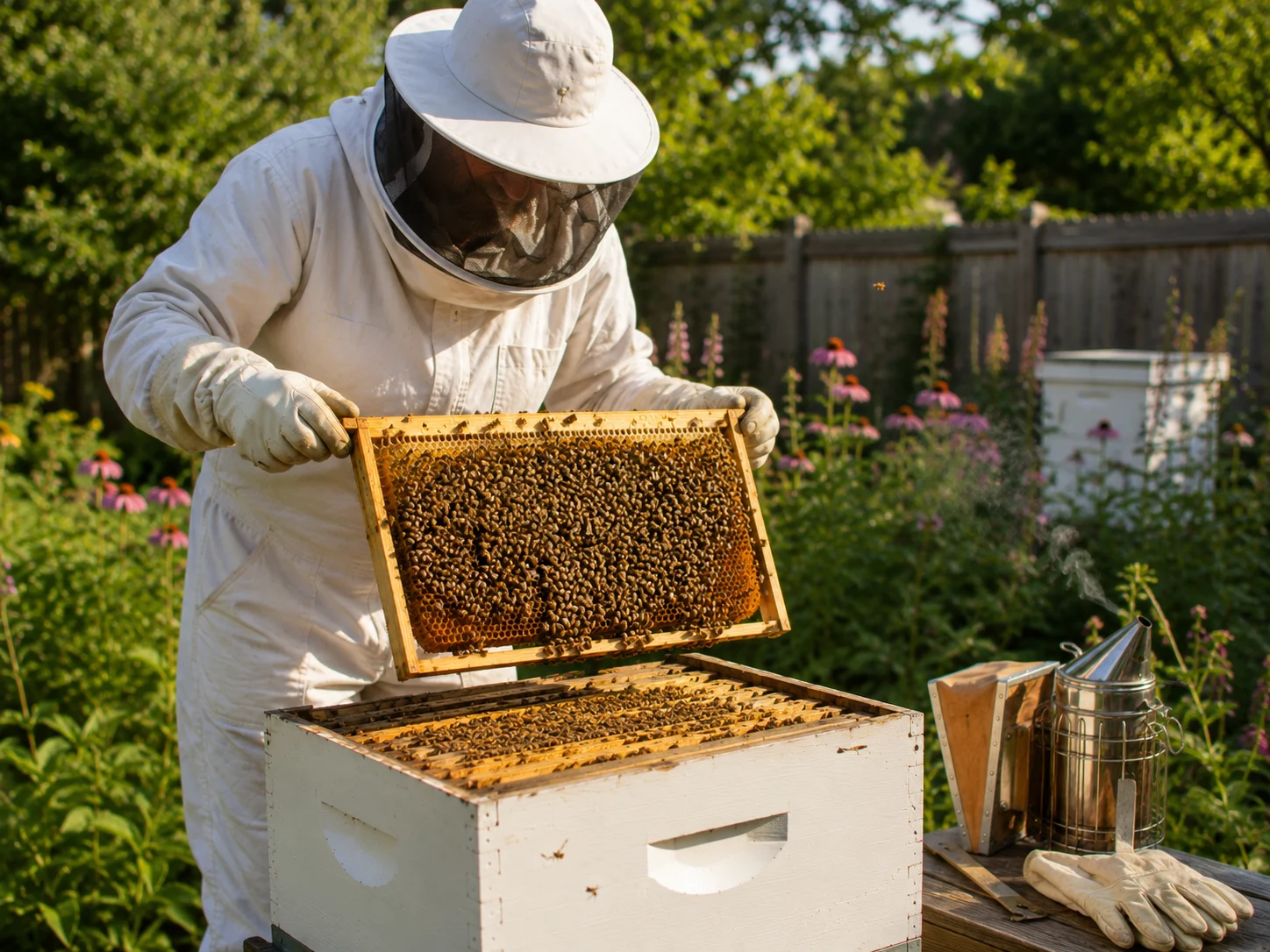
If your hive inspection shows the brood boxes are already heavy with capped honey meeting your climate’s minimum, any additional honey in supers above that is genuine surplus you can safely harvest.
2. The Frames Are Fully Capped
Uncapped honey still contains excess moisture and can ferment in storage. Only harvest frames that are at least 80% capped — this is nature’s own signal that the moisture content has dropped to a safe, shelf-stable level (generally under 18%).
3. There’s Still a Reliable Nectar Flow Coming
If goldenrod, aster, or another strong late bloomer is still weeks away from finishing in your area, your bees have time to rebuild any stores you take. Check what’s blooming locally — our guide on late-season flowers bees need before winter breaks down which plants typically extend the flow furthest into fall.
4. The Colony Is Strong and Populous
A robust, high-population colony heading into fall can forage more aggressively and recover stores faster than a weak one. If your colony numbers are down, treat any harvest decision far more conservatively.
When to LEAVE Honey: 4 Red-Light Signals
1. You’re Within 4–6 Weeks of Your First Hard Frost
Once you’re this close to consistent freezing temperatures, foraging effectively stops. Whatever is in the hive at that point is what your bees are working with until spring — full stop.
2. Stores Are Below Your Climate’s Minimum
If your inspection reveals stores under the 40–100 lb threshold for your region, do not harvest any surplus. In fact, this is the point where many beekeepers switch from harvesting to feeding — sugar syrup or fondant to help the colony catch up before it’s too late.
3. The Colony Shows Signs of Stress
Colonies dealing with mite pressure, queen problems, or population decline need every calorie they can store. If you’ve noticed a weakening queen or an irregular laying pattern, this isn’t a harvest season — it’s a triage season. Our guide on spotting a failing queen can help you diagnose whether this applies to your hive.
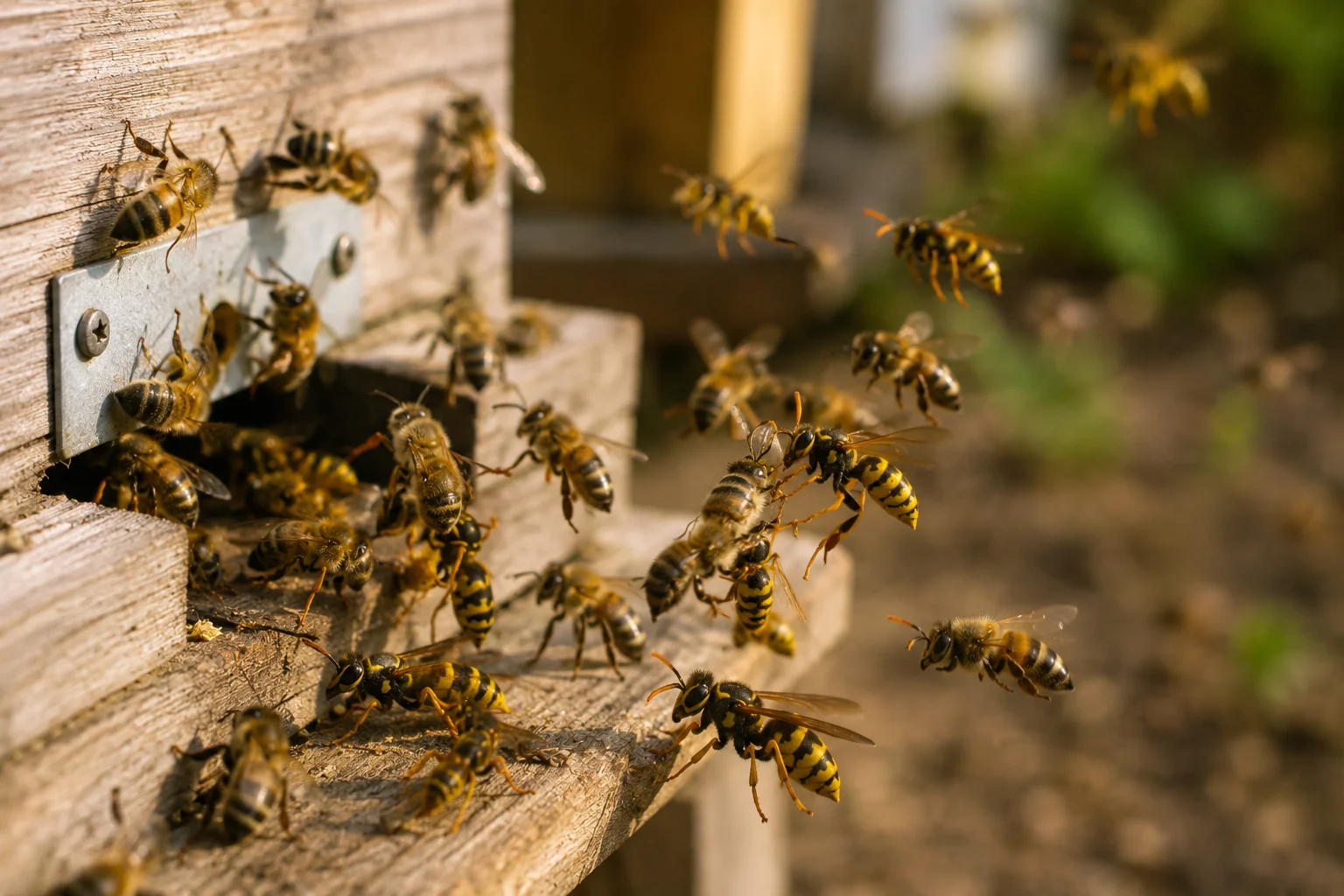
4. Robbing Behavior Has Already Started
Late summer and early fall are prime time for robbing, when stronger colonies (or wasps) raid weaker ones for their stores. If you’ve seen fighting at the entrance or a sudden drop in defensive behavior, pulling more honey now only worsens an already vulnerable situation. Learn to recognize the warning signs in our post on robbing bees in late summer.
A Simple Autumn Harvest Decision Framework
Use this quick checklist before you pull a single frame this fall:
- Weigh or heft-test the hive — does it feel adequately provisioned?
- Inspect capped stores in the brood chamber against your climate’s minimum
- Check the calendar — how many weeks until your average first frost?
- Assess colony health — population, queen performance, mite load
- Only then decide what surplus, if any, is safe to harvest
If any single item on this list raises a red flag, default to leaving the honey. You can always harvest a bit more next season — you cannot un-starve a colony.
Practical Tips for a Safer Fall Harvest
- Harvest earlier rather than later in the season whenever stores allow — this gives bees more time to backfill before cold weather locks in.
- Never take from the brood nest, only from honey supers above it.
- Leave a buffer, not just the bare minimum — an unusually long or cold winter can outlast average estimates.
- Combine harvest checks with your broader autumn prep, since timing your harvest alongside hive insulation, ventilation, and mite treatment gives you a complete picture of winter readiness. Our 10-step autumn hive checklist walks through the full seasonal routine.
- Re-check after harvesting — don’t assume; do a follow-up inspection a week or two later to confirm stores are still trending upward, not down.
Regional Variation Matters More Than You Think
Beekeepers often import advice from forums or books written for a different climate entirely. A harvest rule that’s perfectly safe in a mild coastal region can be reckless advice in a continental climate with five-month winters. The University of Illinois Extension, for example, recommends hives carry at least 90 pounds of honey in colder northern regions — noticeably higher than the minimums cited for milder climates (Illinois Extension, Prepare Your Bees for Winter). Always calibrate the general guidelines above to your specific region’s frost timeline and typical late-season bloom.
Final Thoughts: Patience Pays Off
The autumn honey harvest isn’t really about maximizing your yield — it’s about correctly reading what your colony can spare. The beekeepers who consistently bring healthy hives through winter are rarely the ones who harvested the most; they’re the ones who harvested the smartest.
Key Takeaways
- Know your region’s minimum winter stores before you harvest anything in fall
- Only take fully capped frames, and only genuine surplus above winter needs
- Stop harvesting 4–6 weeks before first frost, or sooner if stores are low
- Watch for stress signals — weak queens, mite pressure, or robbing — and prioritize the colony over the harvest
- When in doubt, leave it — a slightly smaller harvest this year beats losing the entire colony over winter
Get this balance right, and you’ll head into spring with both full honey jars and a thriving colony ready for next season’s flow.