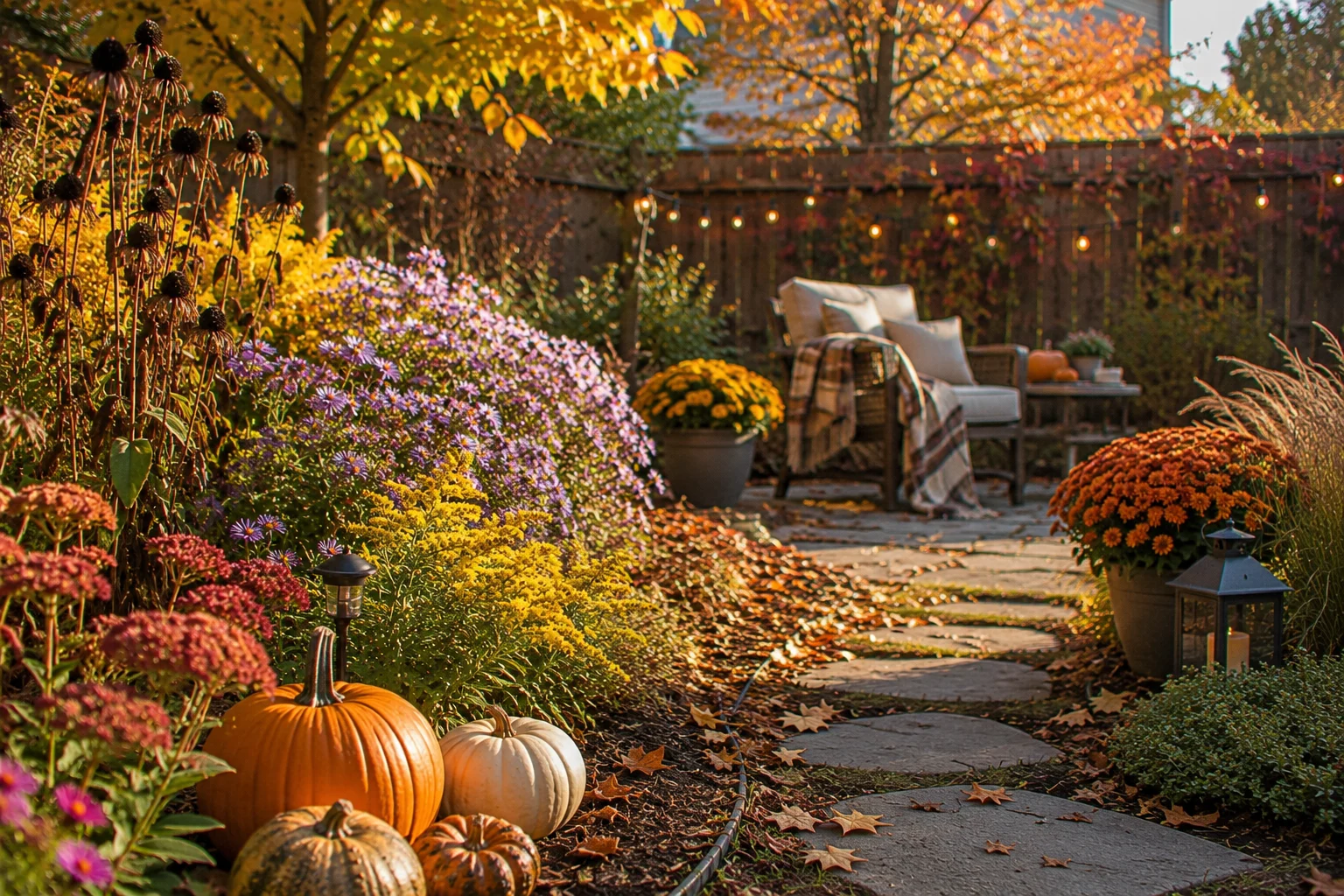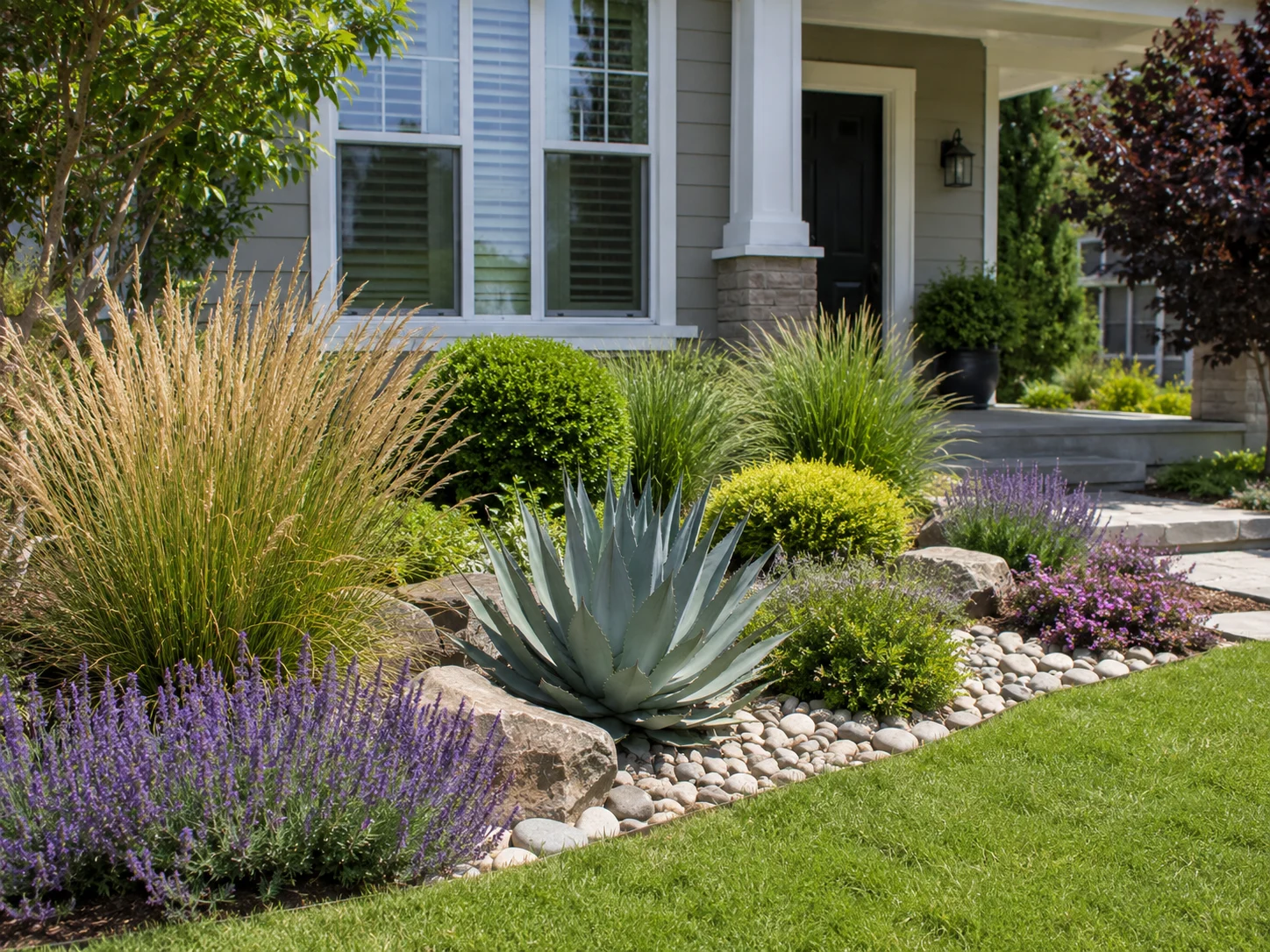

When you look out your back window at a compact, limited yard, it is incredibly easy to feel discouraged. You might think you do not have enough square footage to host summer dinners, start a vegetable garden, or build a thriving sanctuary for local pollinators.
However, small backyards are actually a hidden blessing. Limited space forces intentional design. When you cannot simply scatter plants and furniture across a massive rolling lawn, you have to make every single square inch count. A well-designed micro-yard can feel like a cozy, secret oasis—a lush, multi-layered environment that feels twice as big as it actually is.
Whether you are looking to set up your very first backyard beehive or just want a cozy spot to drink your morning coffee surrounded by butterflies, we have you covered. Here are 25 highly functional, visually stunning small backyard layout ideas designed specifically for the modern eco-gardener.
(Pro-Tip: We intentionally formatted all the images in this guide as 9:16 vertical photos. Feel free to save or Pin them directly to your Pinterest boards for your landscaping mood board!)
The Beekeeper’s Micro-Yard Layouts
You do not need acres of farmland to keep bees. These layouts prioritize the safety and flight paths required for an urban or suburban apiary.
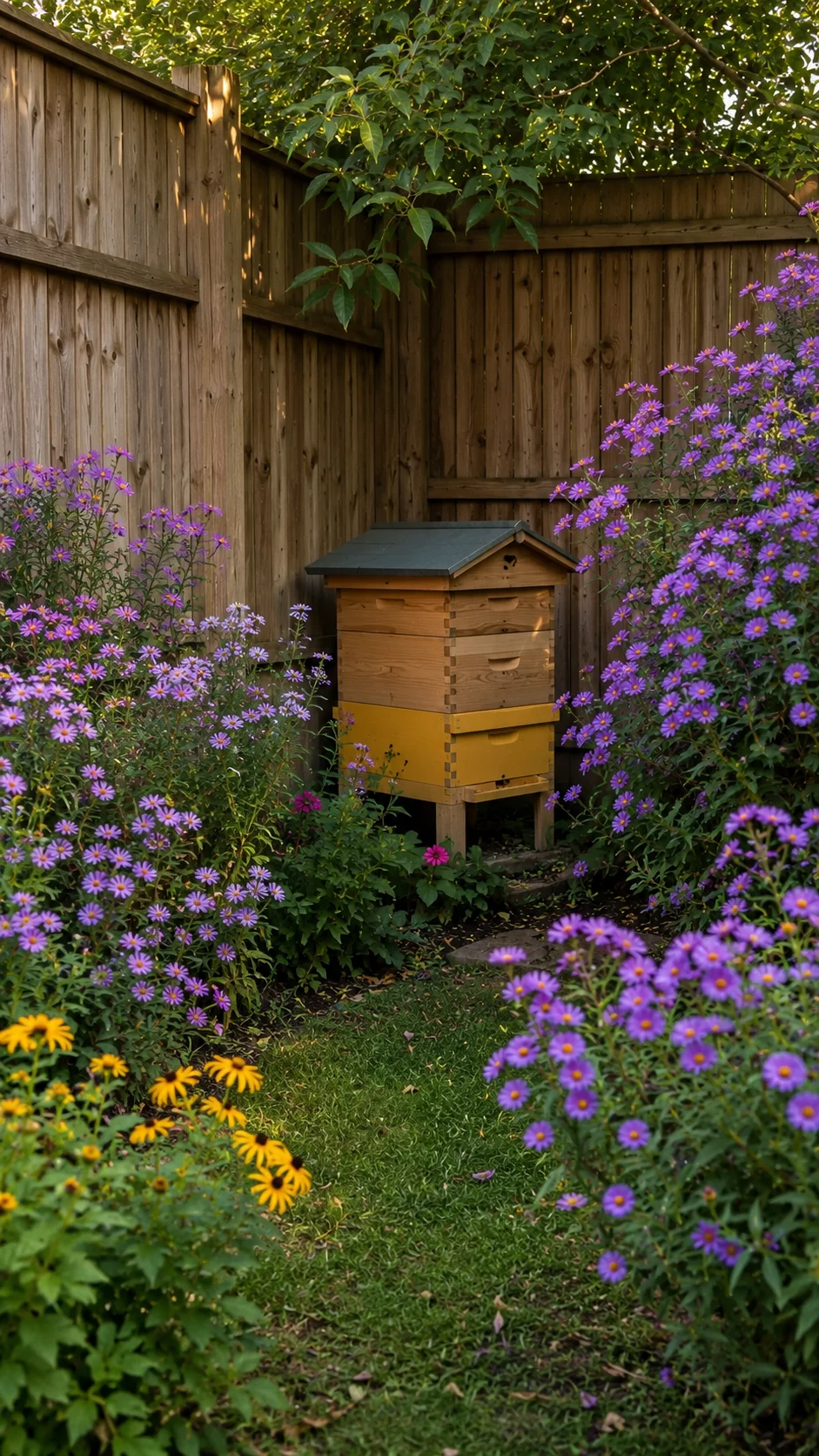
1. The Corner Apiary Nook
Tuck your hive into the far back corner of the yard, facing outward. By placing it in a corner, you naturally restrict human foot traffic behind and beside the hive.
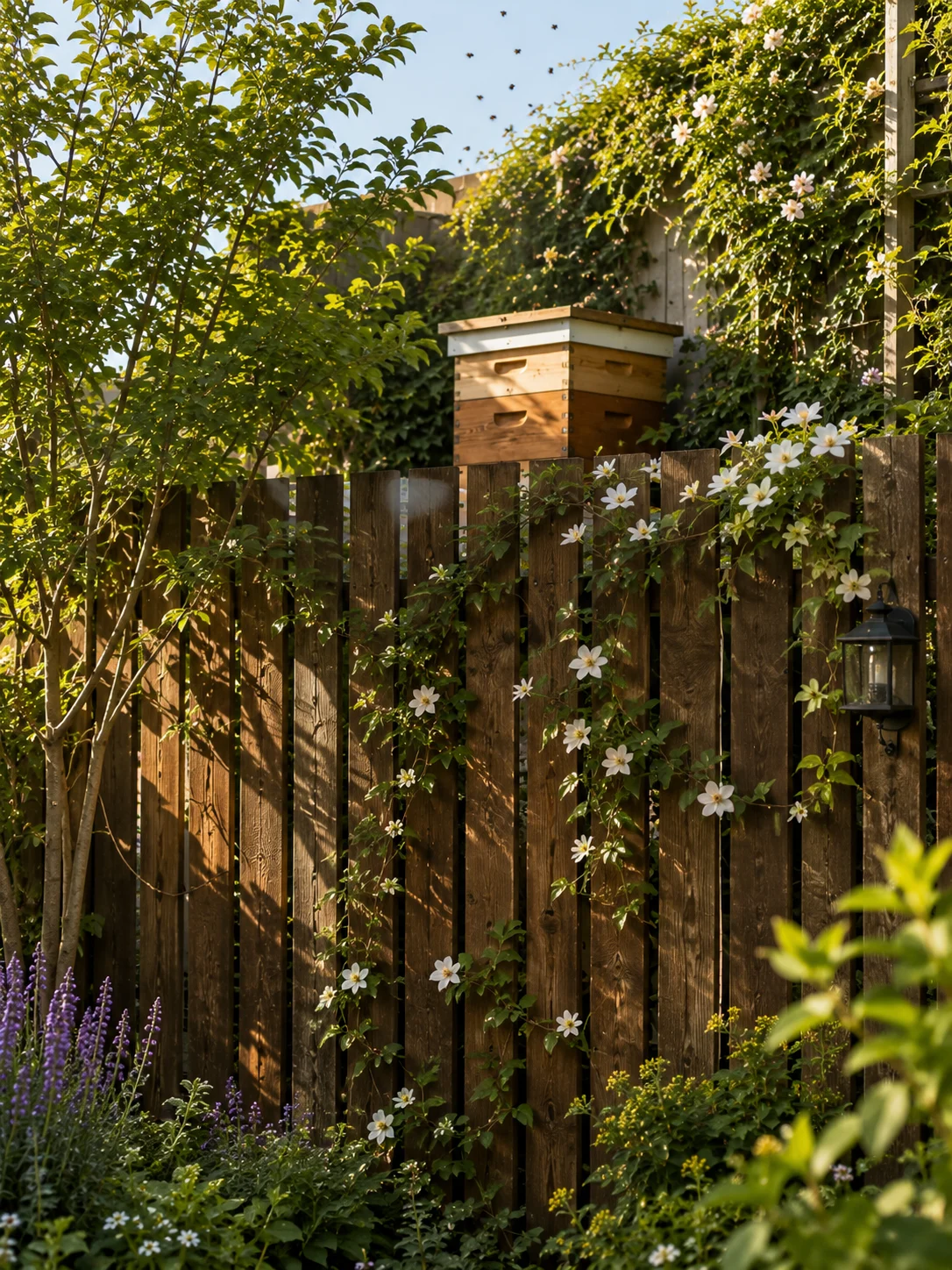
2. The “Fly-Up” Barrier Layout
Place a solid wooden trellis or a dense row of shrubs about 4 feet in front of the hive entrance. This forces the bees to immediately fly upward over human head height, making the rest of the small yard completely safe for your family to use.
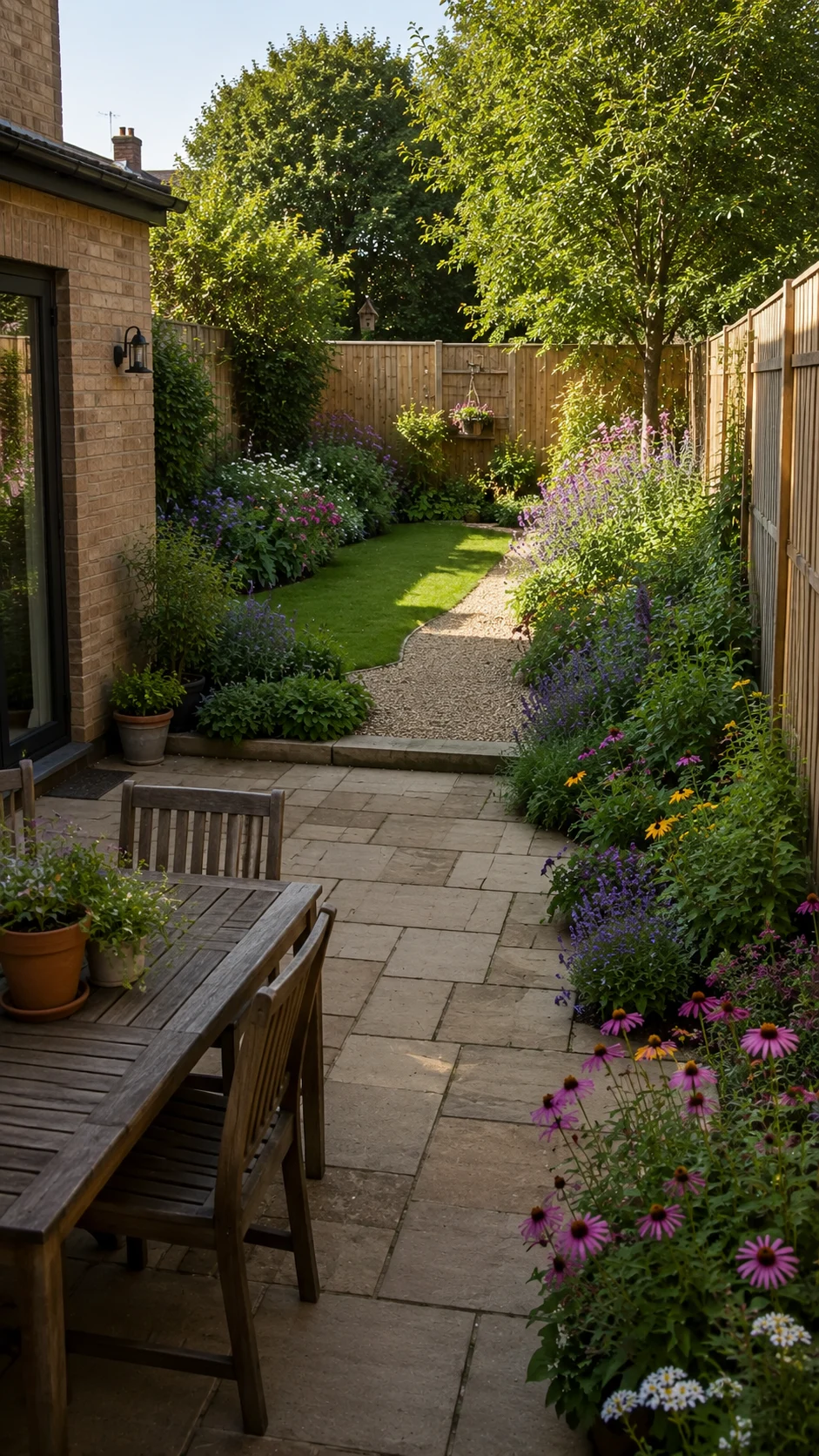
3. The L-Shaped Zonal Yard
Divide your yard into an “L” shape. Use the short leg of the “L” exclusively for the bees and their forage, and the long leg for human seating and entertaining, creating a clear boundary between the two zones.
4. The Rooftop or Balcony Micro-Apiary
If your backyard is practically non-existent, look up. A flat rooftop or a sturdy balcony can host a single hive. Pair this with a dedicated container garden strategy to provide immediate forage without needing actual ground soil.
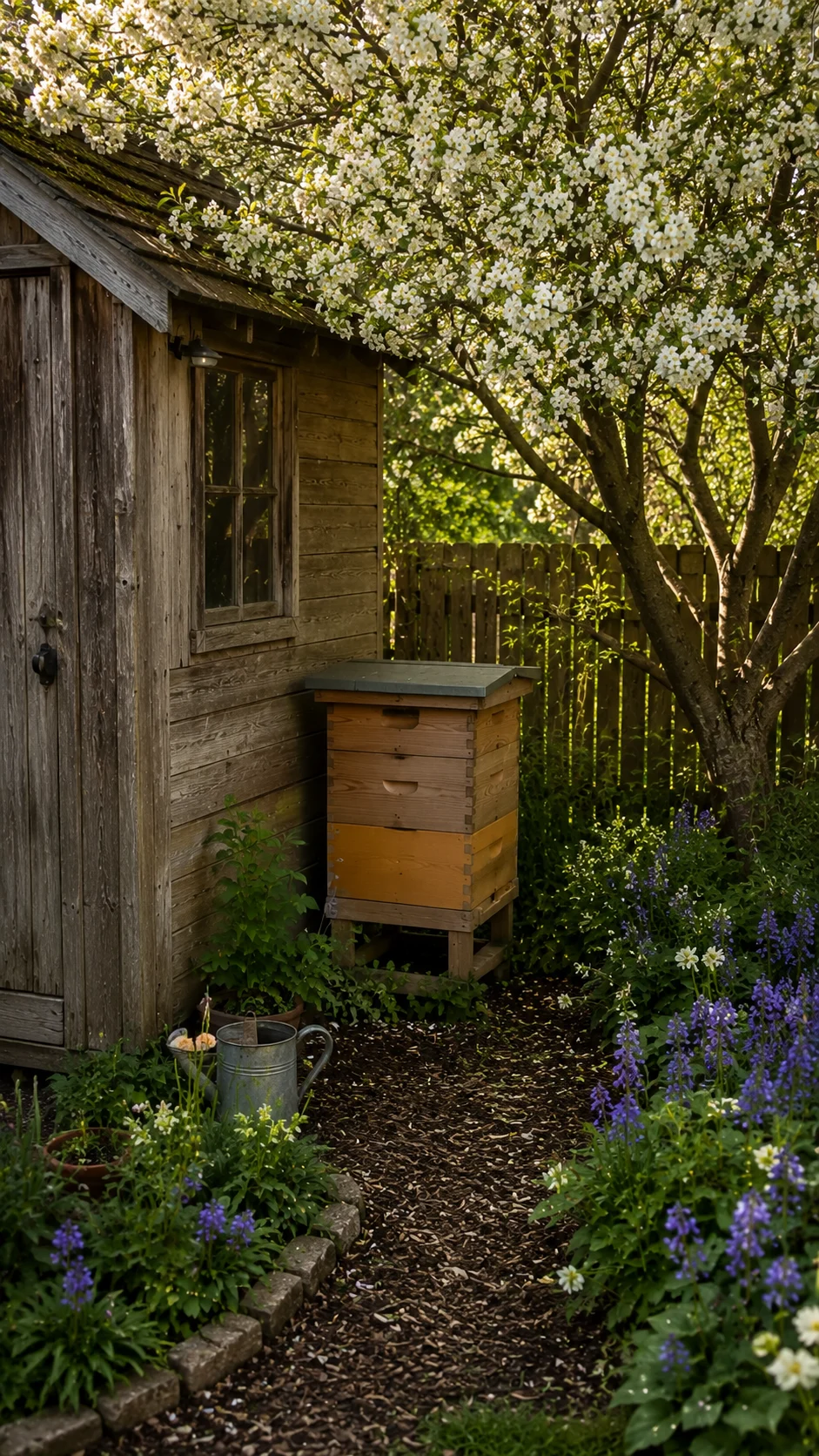
5. The Shed-Integrated Layout
Place your hive directly alongside your garden shed. This blocks winter winds, provides afternoon shade during the summer, and keeps all of your essential beginner hive parts and beekeeper tools within arm’s reach.
Pollinator-First Planting Designs
If your primary goal is to feed the bees and butterflies, these layouts maximize bloom space while eliminating the need for a traditional grass lawn.
6. The Layered Woodland Edge
Turn your entire yard into a perimeter border. Leave a tiny patch of hardscaping in the center, and heavily layer the edges with trees, tall shrubs, and ground covers.
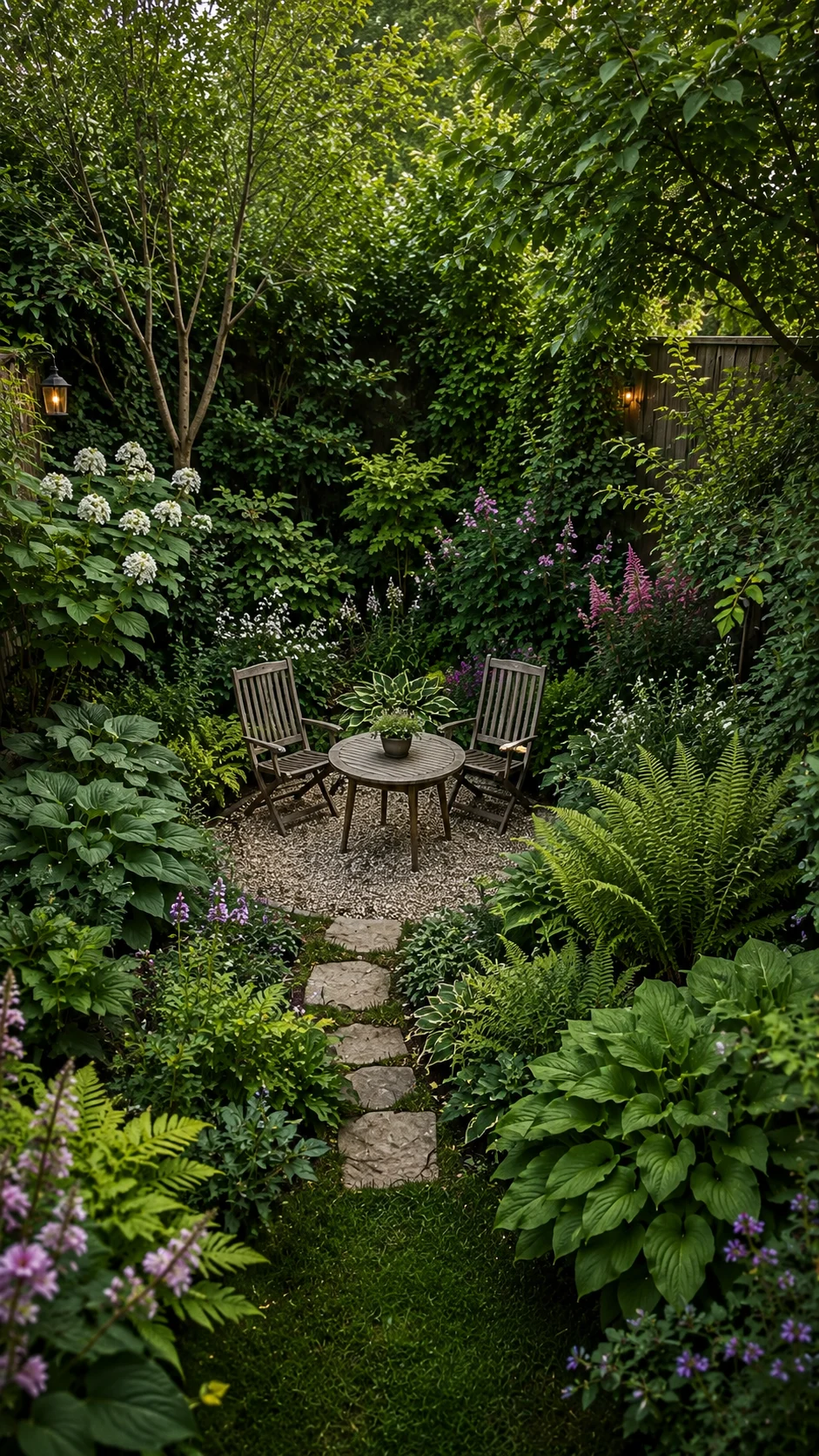
7. The Wildflower Island
Instead of bordering your yard, invert the design. Build one massive, densely packed, raised wildflower bed dead in the center of the yard, and surround it with a clean, walkable gravel or mulch perimeter.
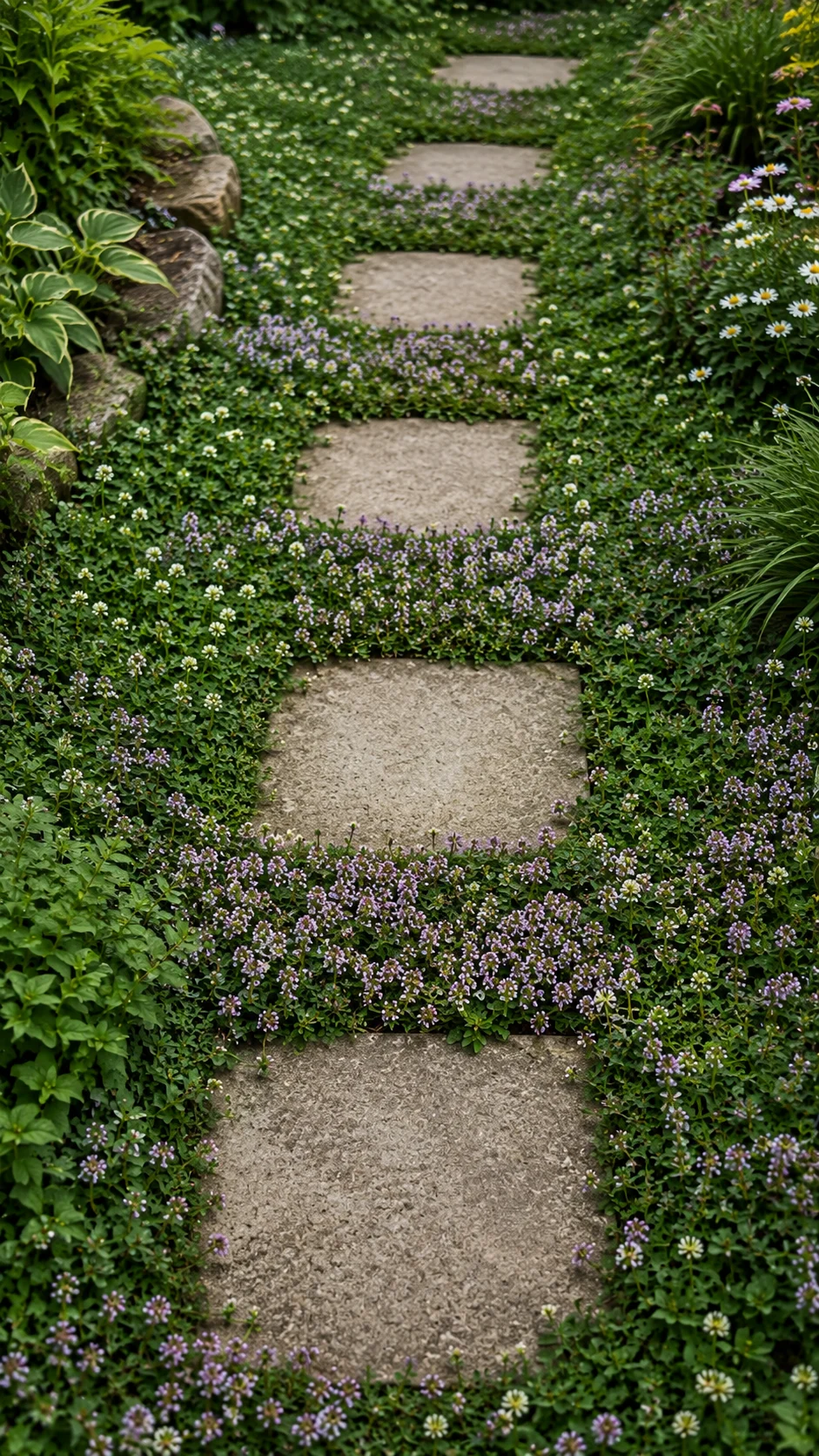
8. The “Eco-Lawn” Checkerboard
Mix large, square concrete pavers with thick grids of creeping thyme and white Dutch clover. You get a functional patio that also feeds the bees right beneath your feet.
9. The Vertical Trellis Wall
When you cannot grow outward, grow upward. Cover all three of your boundary fences with sturdy trellises and plant climbing native honeysuckle and flowering ivy to create a 360-degree buffet of nectar.
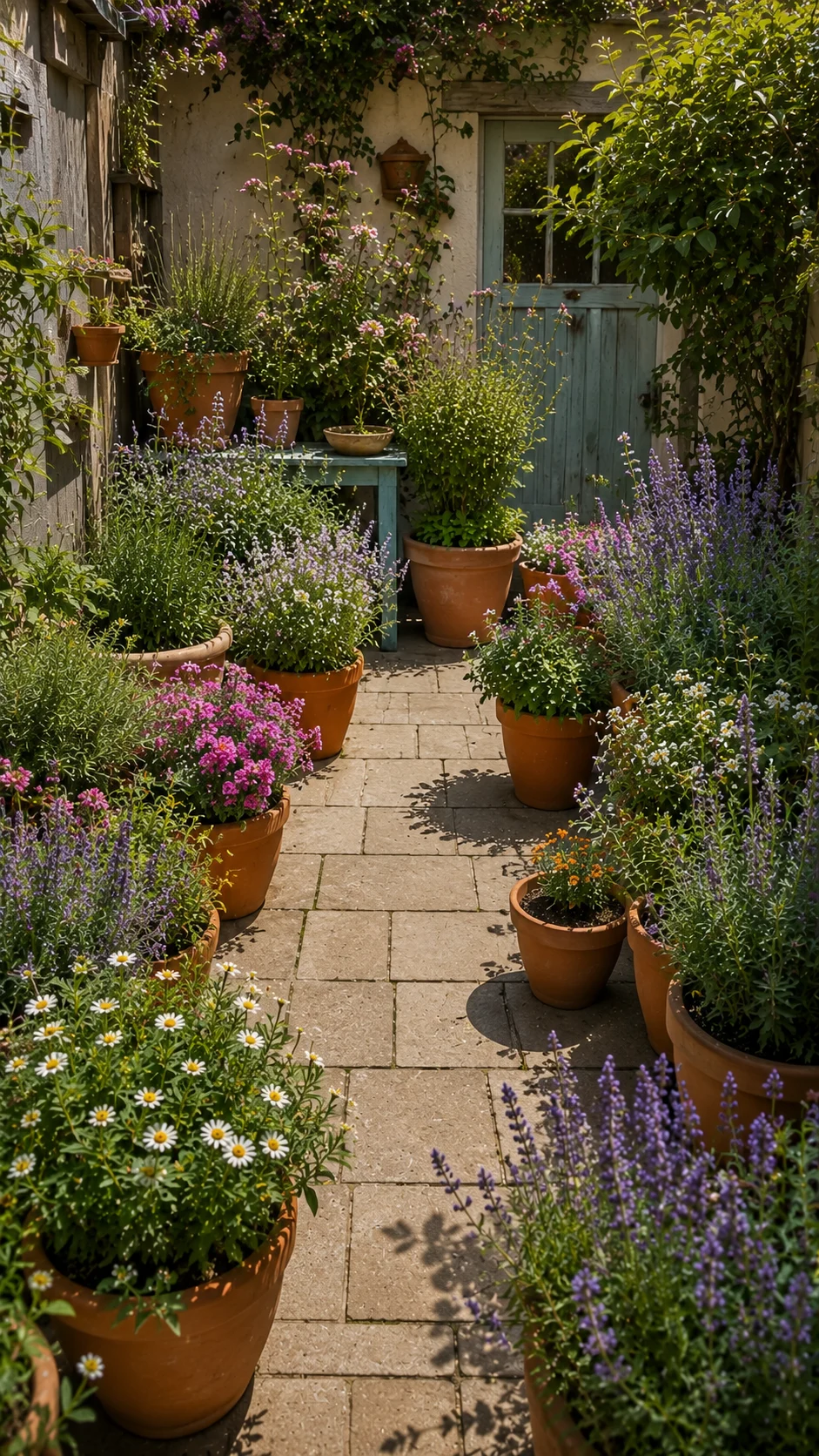
10. The Container Garden Patio
Completely pave or deck your small space, and use dozens of varying-sized terracotta and wooden planters. This allows you to constantly shift your layout and move blooming plants into the spotlight as the seasons change.
Cozy Living & Entertaining Spaces
You can absolutely host summer barbecues while supporting local wildlife. These layouts blend human comfort with ecological function.
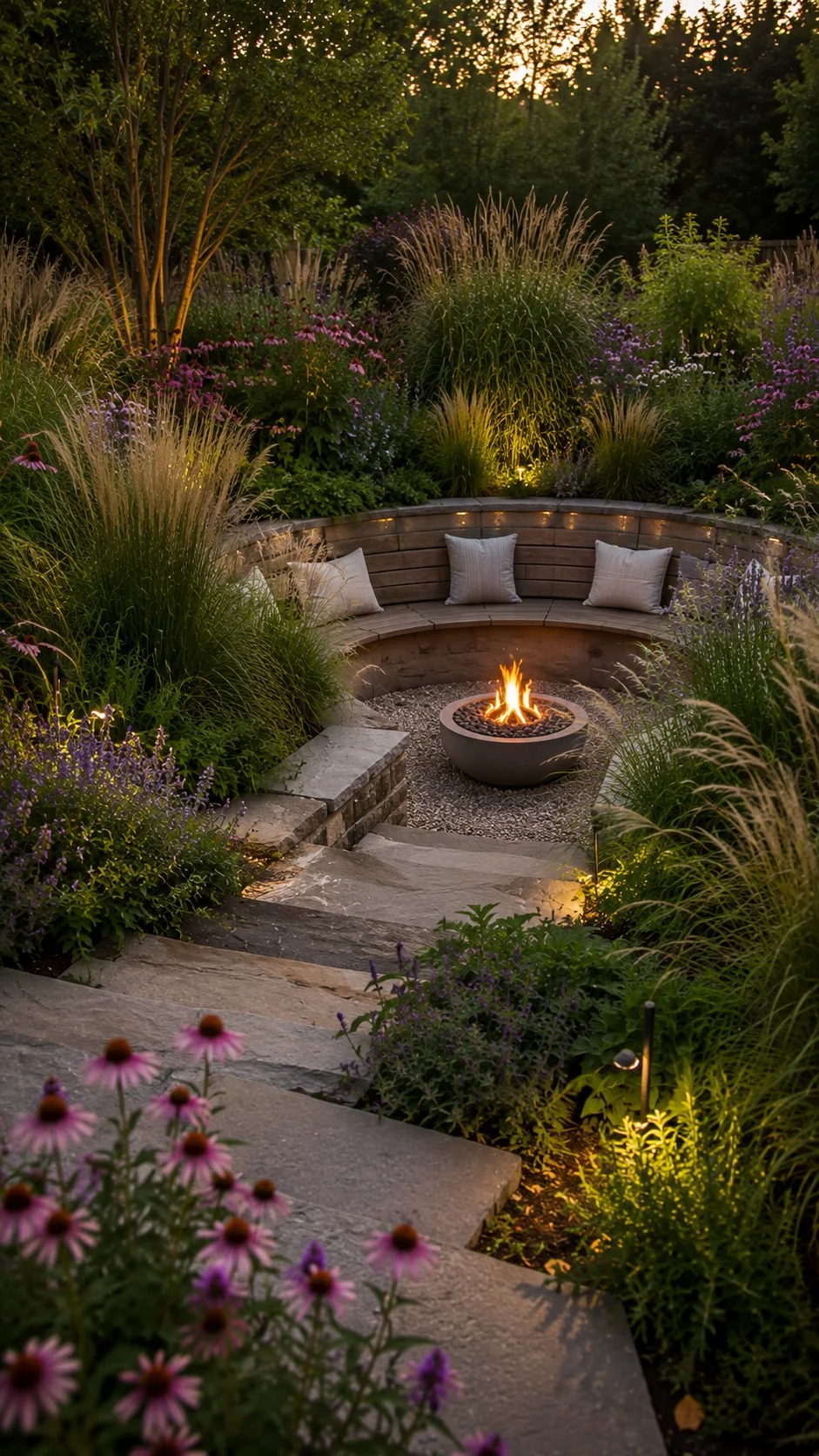
11. The Sunken Fire Pit Oasis
Dig down slightly to create a sunken fire pit area in the center of your yard. The excavated dirt can be used to build elevated, curved berms around the seating area, which you can plant with dense, pollinator-friendly shrubs for instant privacy.
12. The Multi-Level Decking
Break up a flat, boring square yard by building two different levels of wooden decking. Use the lower level for dining and the upper level for lounging, creating the illusion of different “rooms.”
13. The Pergola Dining Room
Build a sturdy wooden pergola directly over your outdoor dining table and train climbing roses or wisteria over the top. It provides essential summer shade for you and creates a buzzing canopy of forage for the bees.
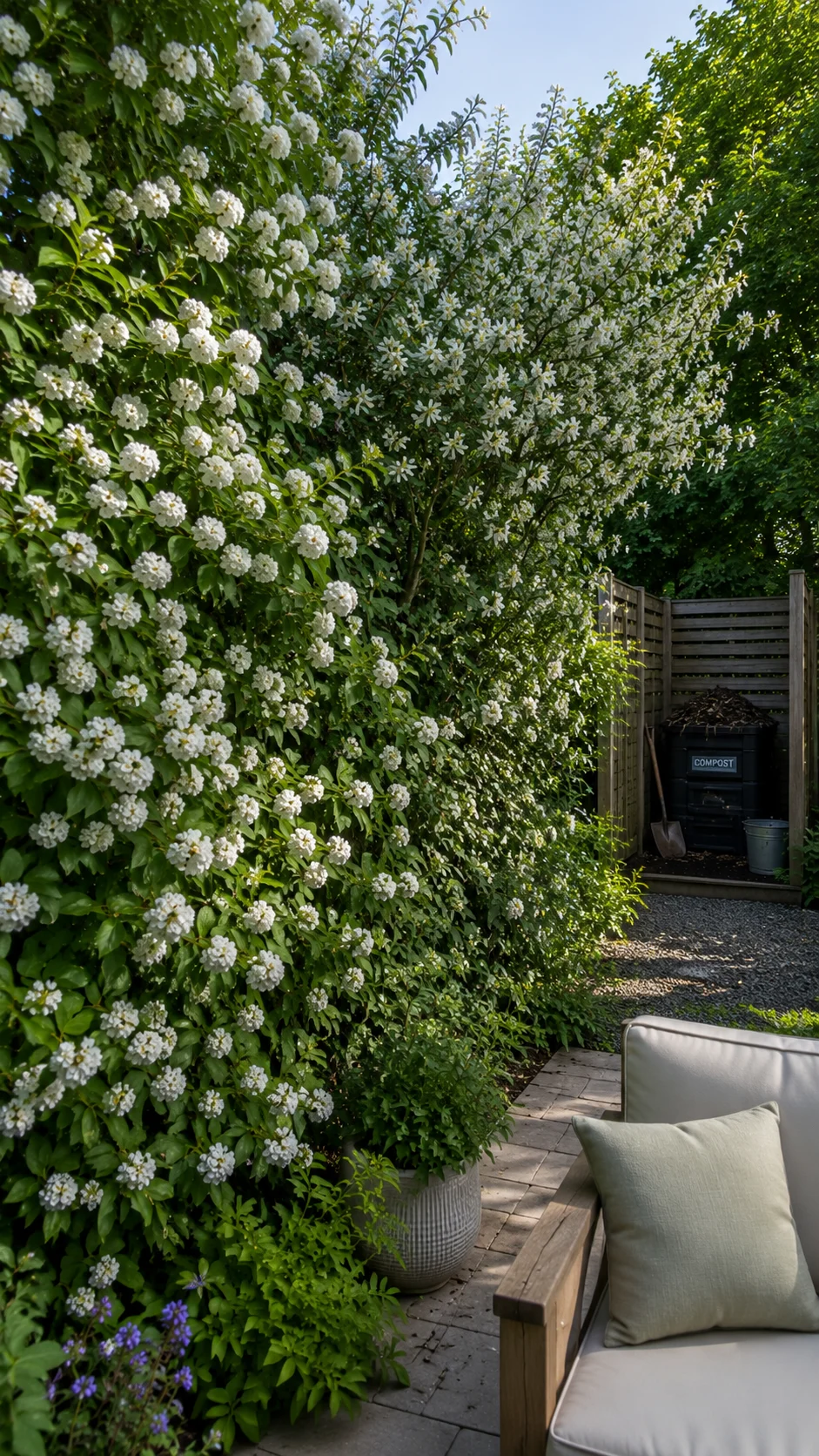
14. The Living Fence Divider
Instead of building a harsh interior wooden wall to hide your compost bins or trash cans, use a mixed hedge to provide privacy and shelter wildlife.
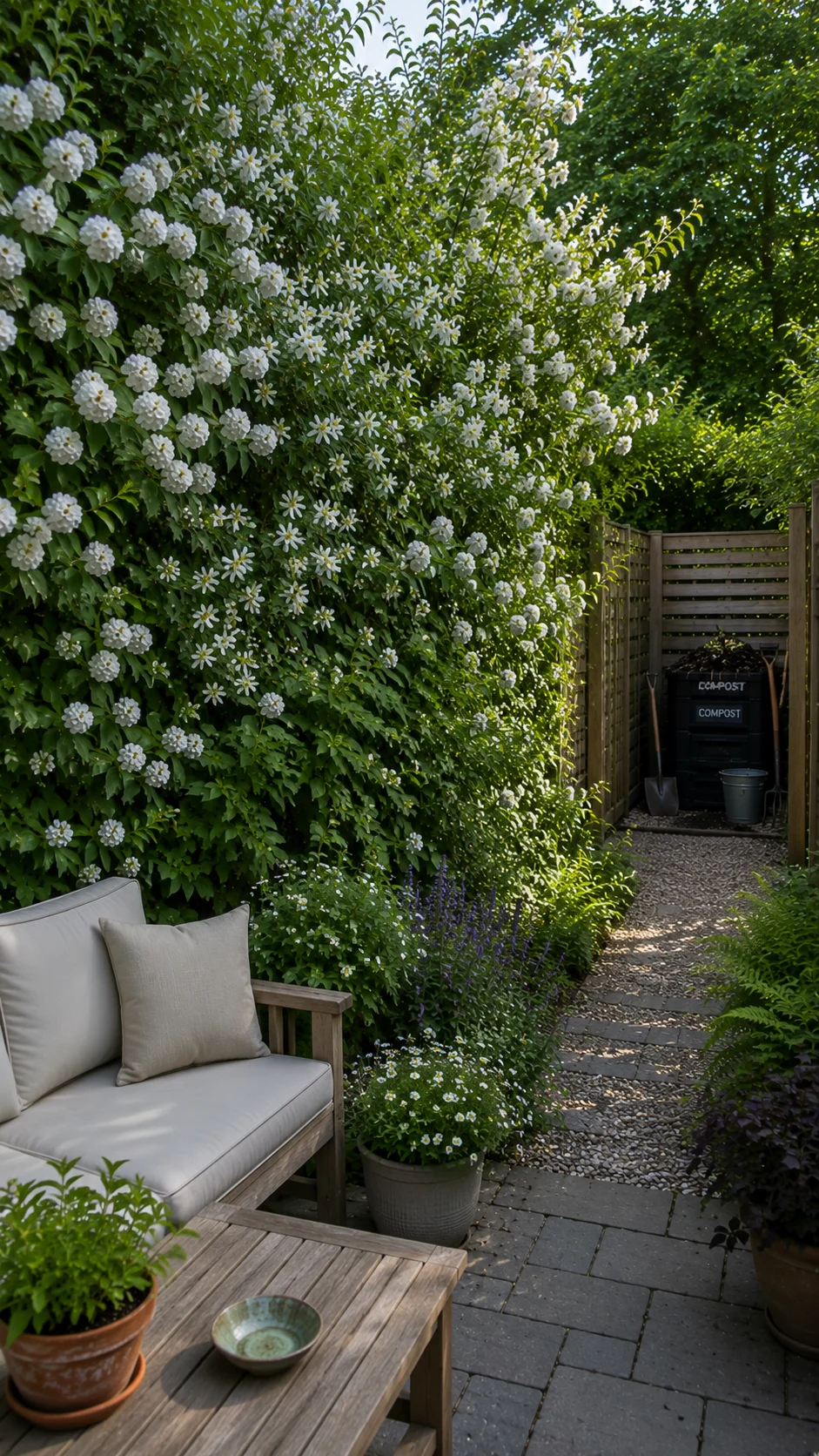
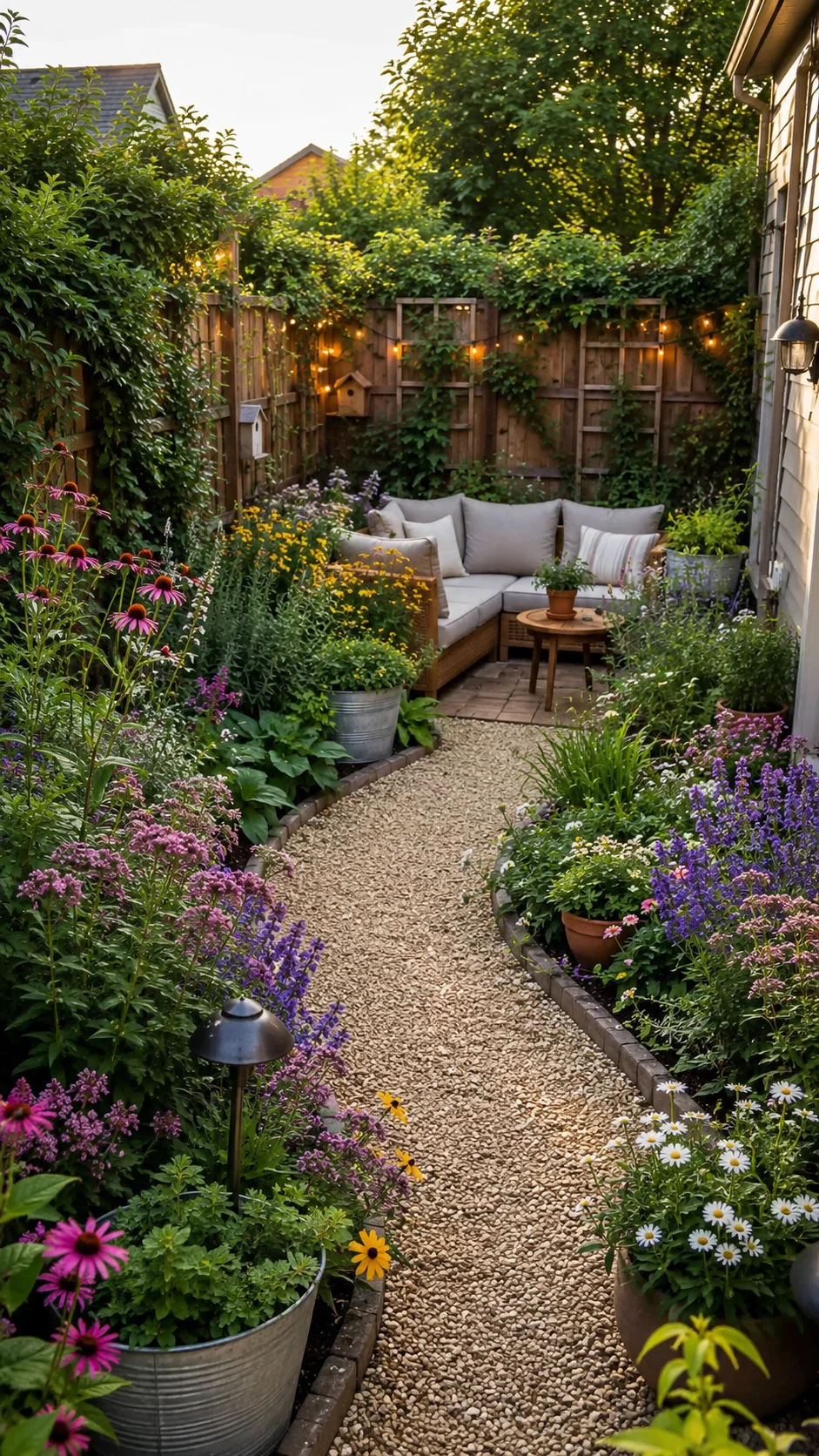
15. The Secret Garden Path
Design your layout so the entire yard cannot be seen from the back door. Use tall structural plants to obscure the view, forcing guests to walk down a curved, hidden path to discover a secluded seating area at the back.
Maximizing Utility in Micro-Spaces
If you want to grow your own food, compost your waste, and feed the bees in a tiny space, efficiency is everything.
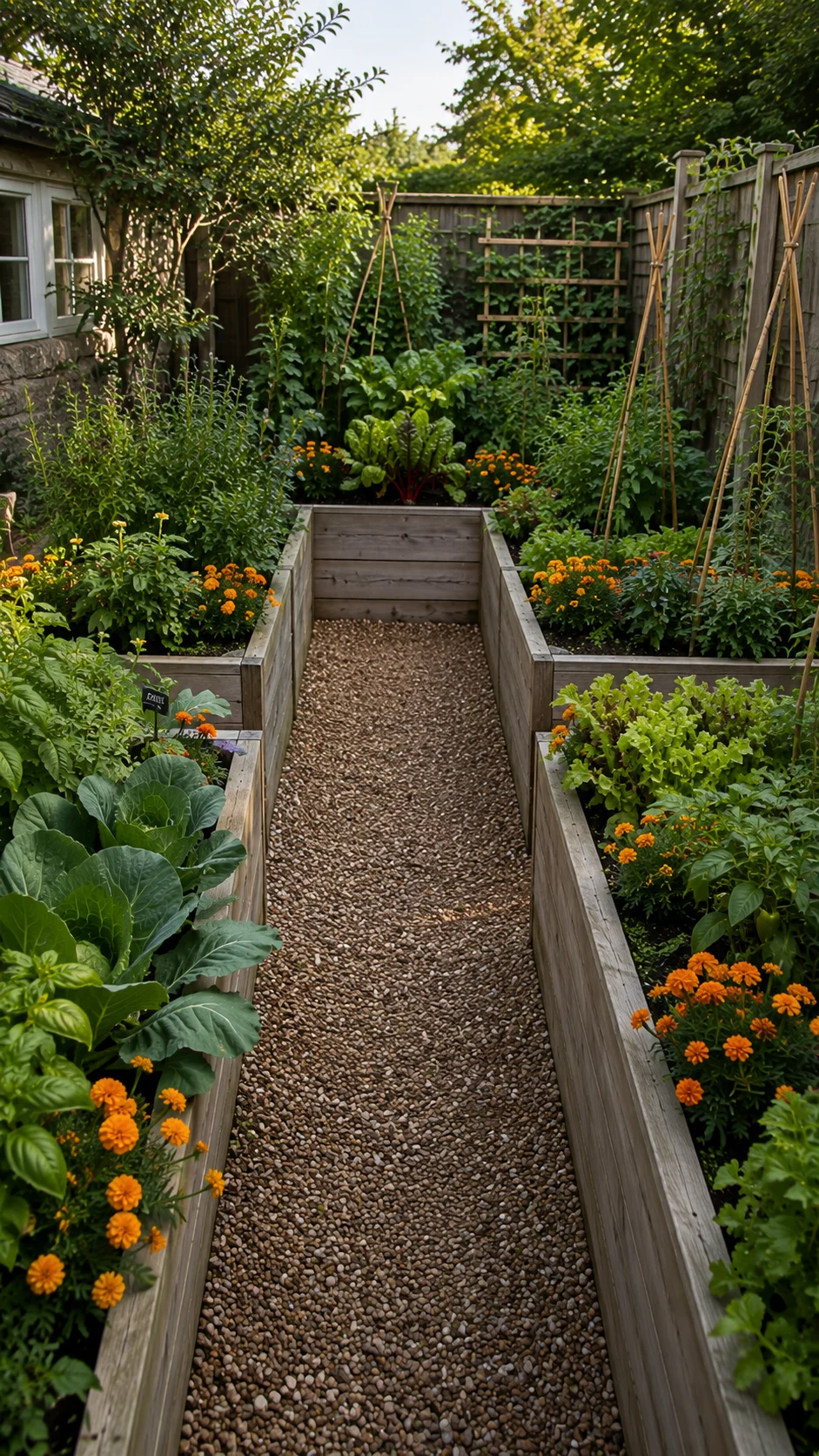
16. The U-Shaped Raised Bed Grid
Install raised vegetable beds in a strict “U” shape around the perimeter of the yard. This maximizes your growing space while leaving the center open for a work table or a wheelbarrow.
17. The Herb Spiral
A permaculture classic. Build a spiral out of stone or brick that reaches about 3 feet high. This creates multiple microclimates in a 4×4 foot space: the dry, sunny top is perfect for rosemary, while the damp, shaded bottom is ideal for mint and parsley.
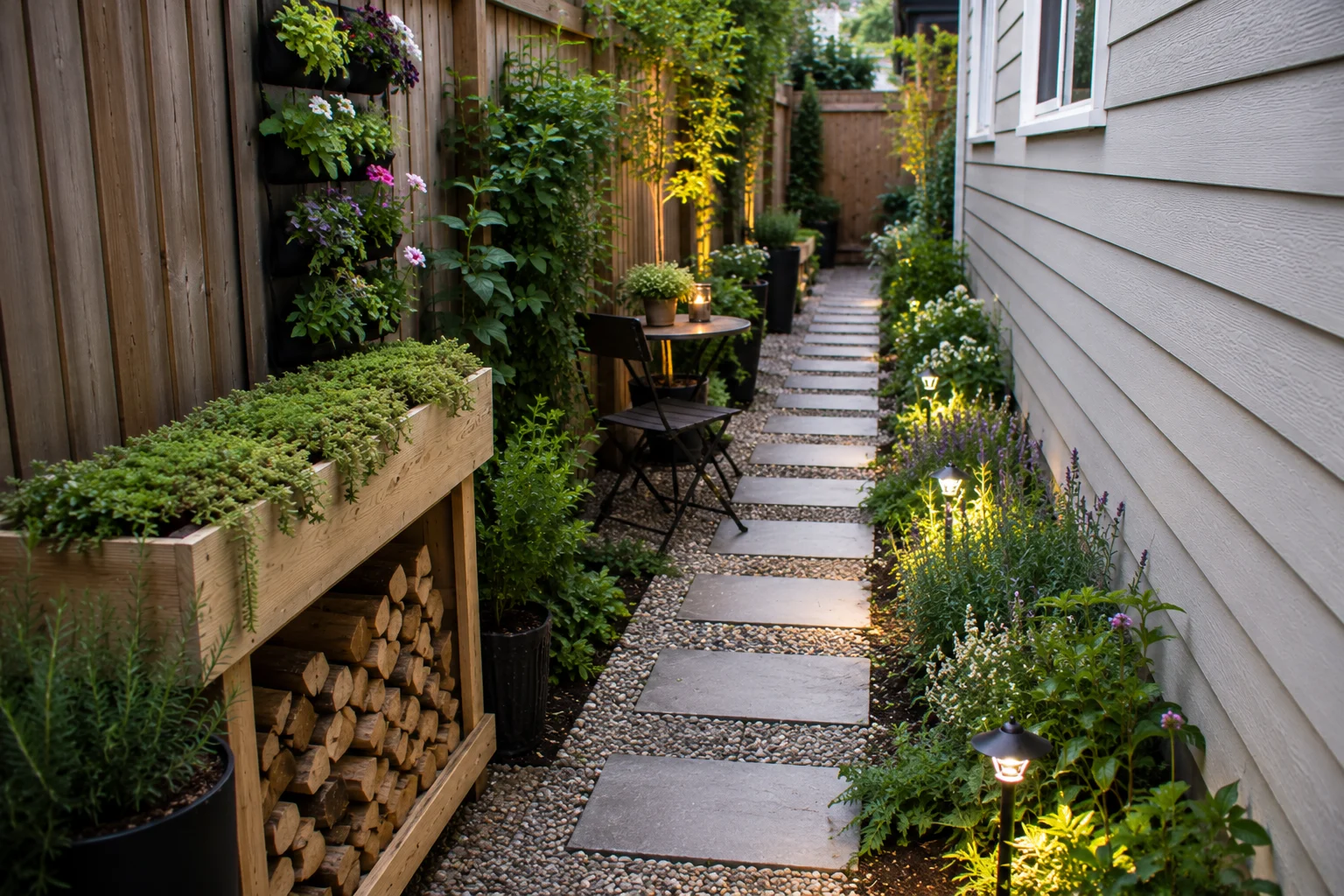
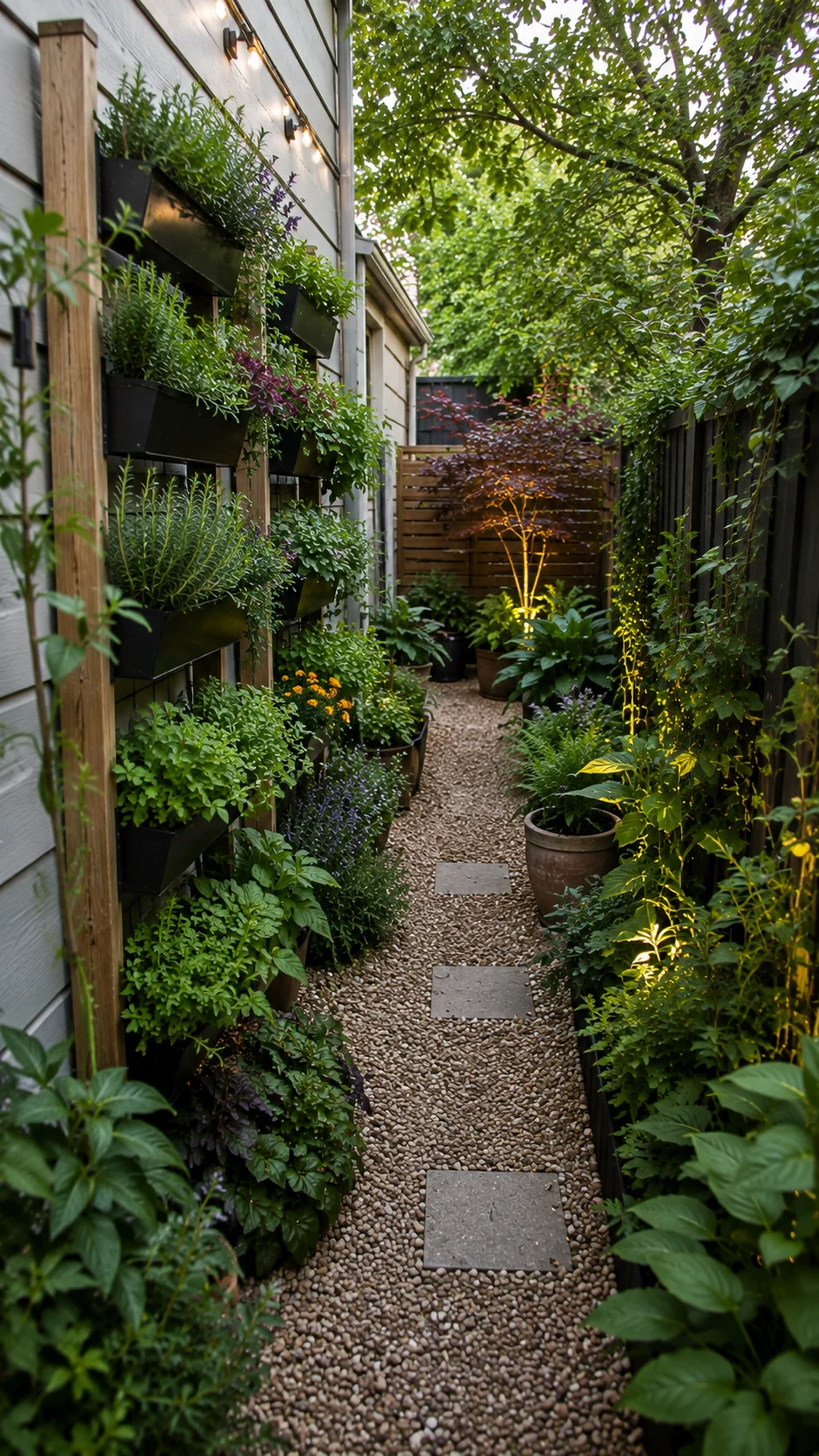
18. The Narrow Side-Yard Run
Do not ignore the awkward strip of land beside your house! Turn it into a highly productive “run” with a compact greenhouse against the wall, hanging baskets above, and a narrow gravel path.
19. The Fold-Away Workspace
Attach a heavy-duty, fold-down wooden potting bench directly to your fence or shed wall. When you are planting or inspecting hive frames, fold it up for a workspace; when you are done, fold it flat to reclaim your square footage.
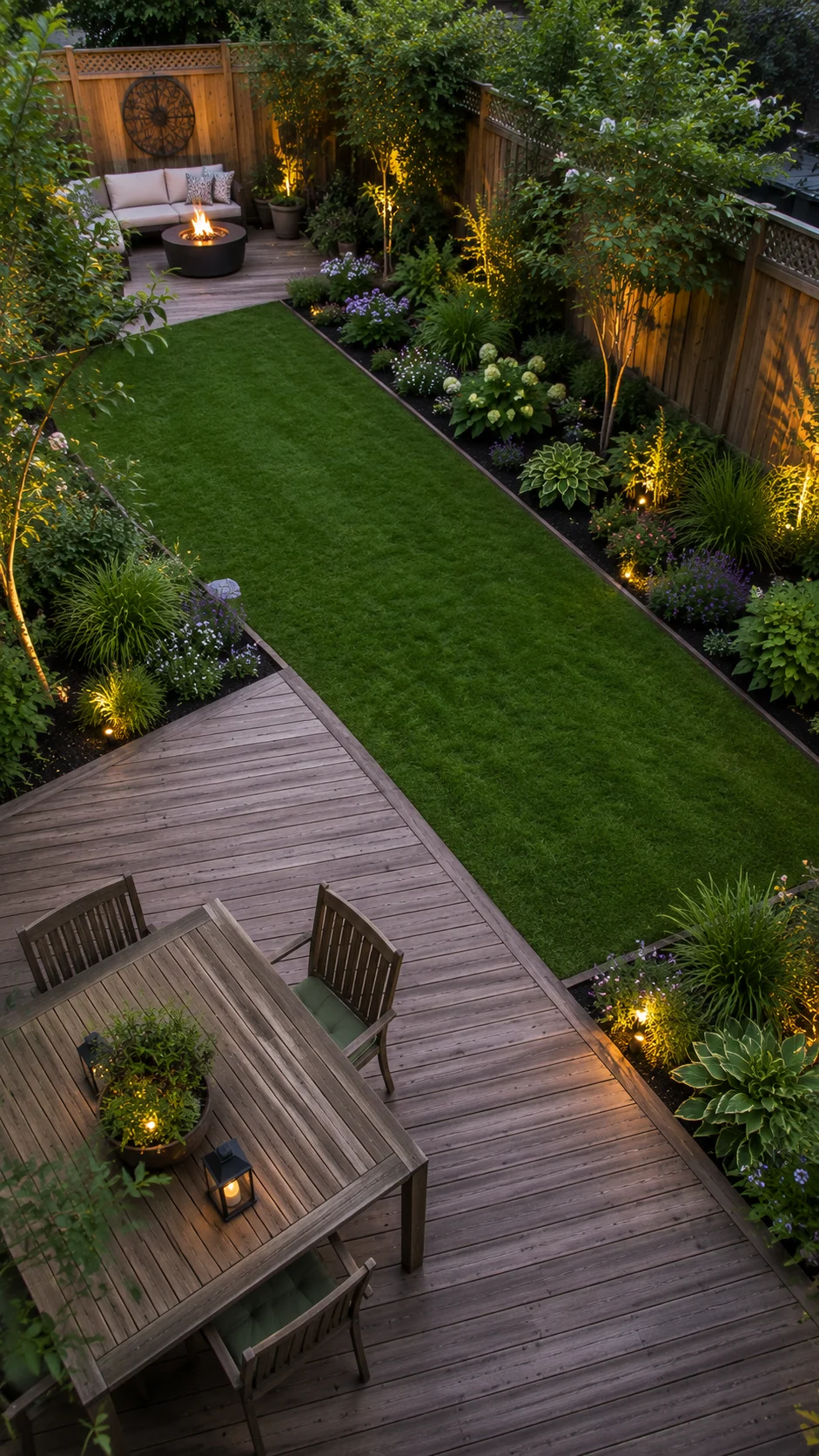
20. The Diagonal Perspective
To make a square, boxy yard feel deeper, lay out your decking boards, paths, and garden beds on a 45-degree diagonal angle. This forces the eye to look across the longest possible distance, tricking the brain into perceiving a much larger space.
Water & Wildlife Features
According to the National Wildlife Federation (NWF), a true wildlife habitat must provide a reliable water source. These layouts incorporate water without requiring massive excavation.
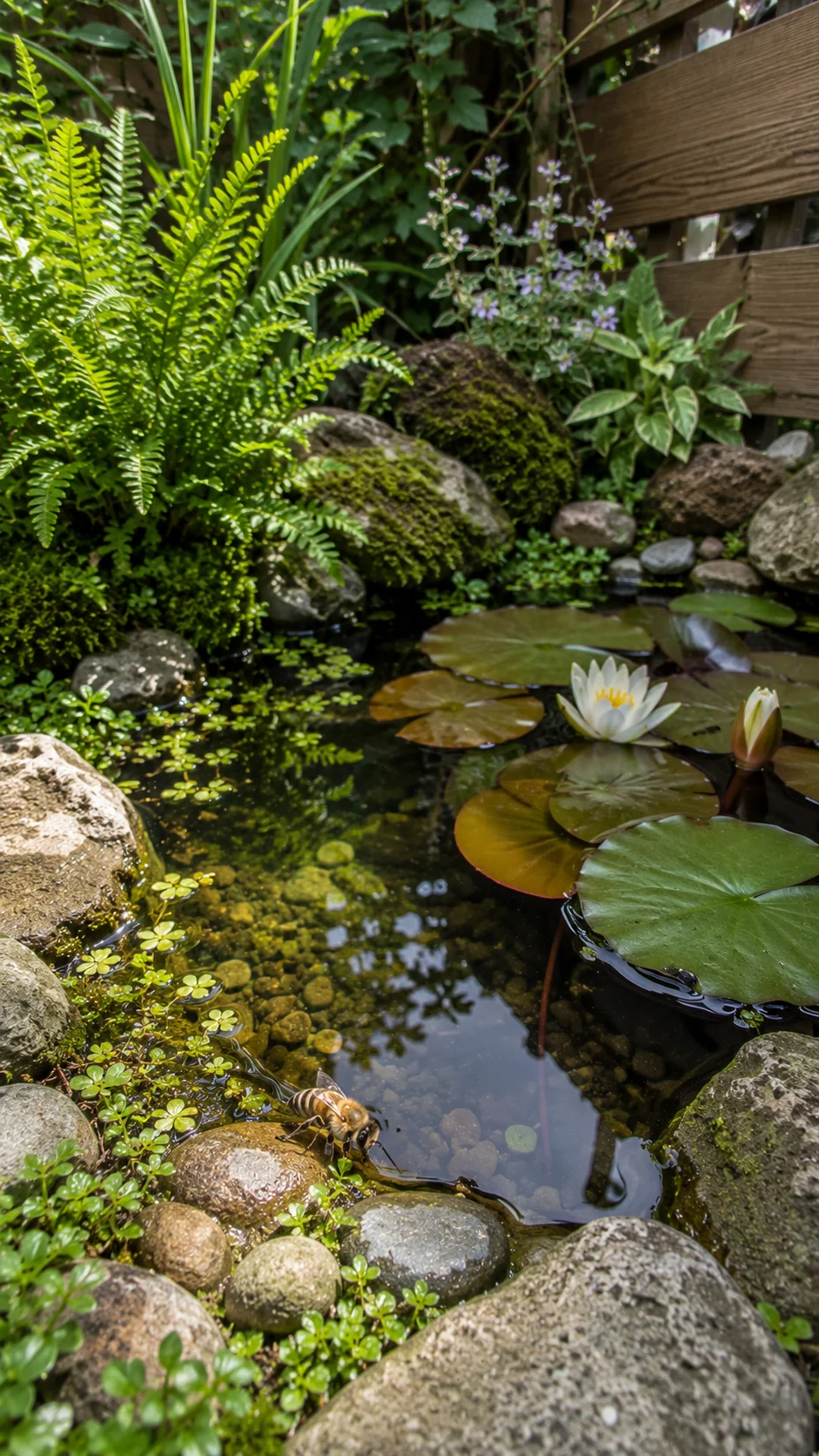
21. The Corner Pollinator Pond
You do not need an excavator to build a pond. Dig a 3×3 foot hole in a shaded corner, drop in a pre-formed pond liner, and add native aquatic plants. It instantly becomes a magnet for dragonflies, frogs, and thirsty honeybees.
22. The Shallow Pebble Fountain Feature
Install a continuously recirculating, shallow pebble fountain in the center of your patio. The gentle bubbling sound masks neighborhood traffic noise, and the wet stones provide a safe, dry landing pad for bees to drink from.
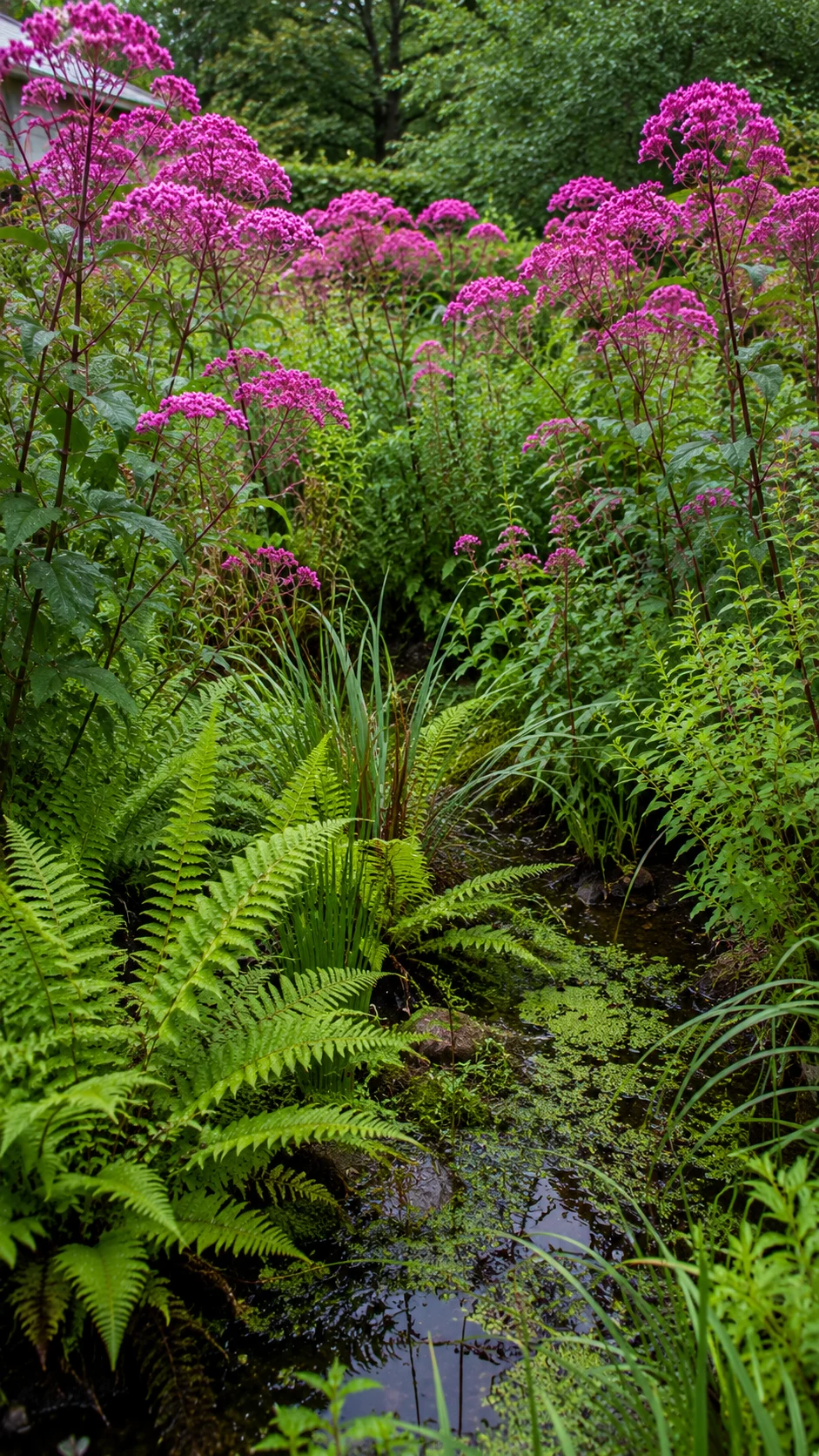
23. The Bog Garden Transition
If your yard naturally holds water or has a soggy low point, stop fighting it. Turn that wet zone into a dedicated bog garden planted with moisture-loving plants like Joe-Pye Weed and Astilbe, creating a stunning transitional zone.
24. The Insect Hotel Wall
Dedicate one entire side of a fence or the back of a shed to a massive, custom-built insect hotel. Fill a wooden grid with hollow bamboo reeds, drilled wood blocks, and pinecones to create high-density real estate for solitary bees.
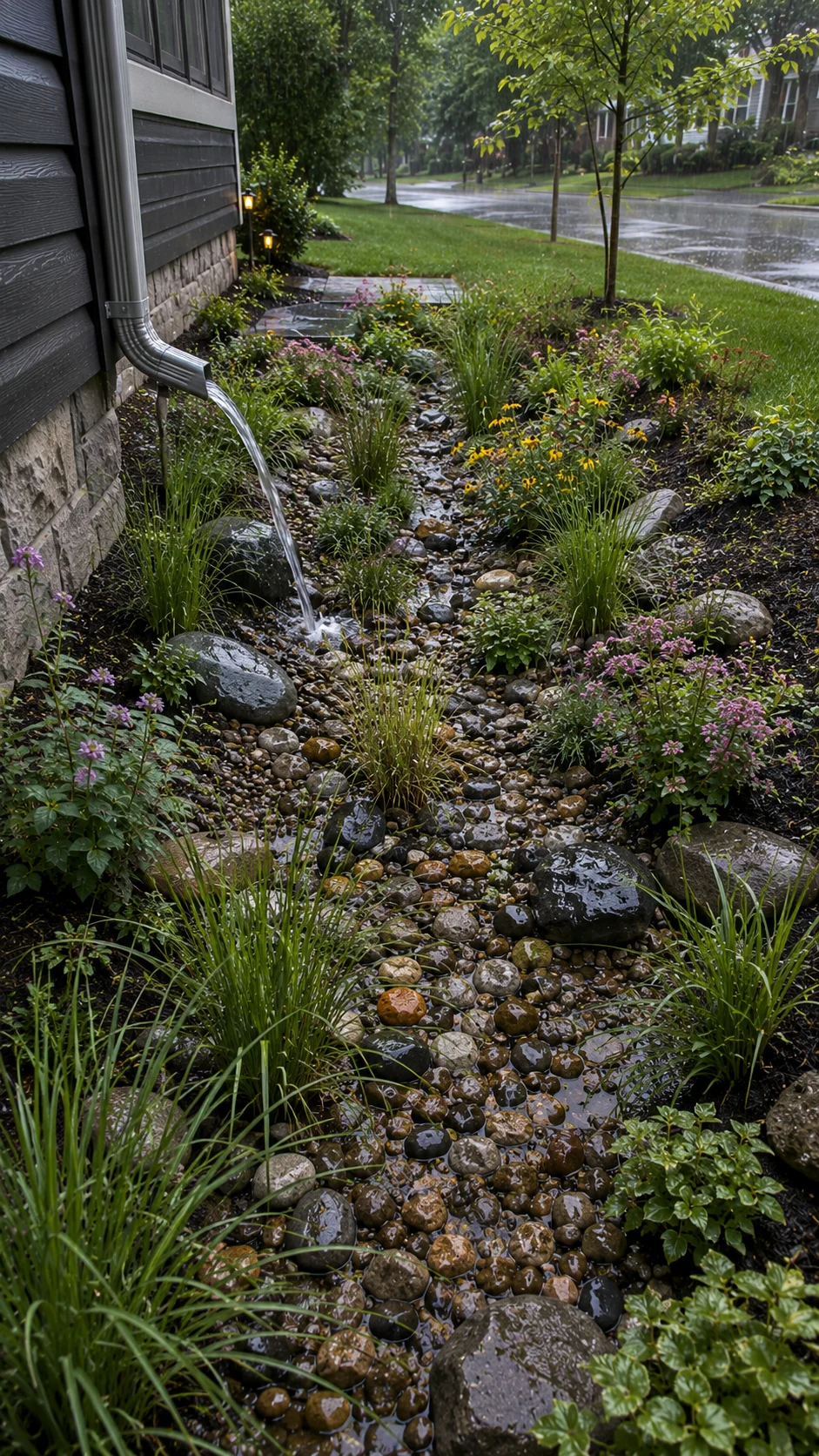
25. The Rain Garden Dip
Route your roof downspouts directly into a slightly depressed garden bed filled with deep-rooted native plants. This layout handles heavy stormwater runoff naturally, preventing your small yard from flooding while providing a lush habitat for wildlife.
Conclusion
A small backyard should never be an excuse for a sterile, boring landscape. As you can see from these 25 layouts, limited square footage simply requires a bit of creativity, a focus on vertical space, and an intentional approach to how you divide your zones. Whether you choose to prioritize a buzzing corner apiary, a multi-layered woodland edge, or a cozy pergola dining room, your compact yard holds the potential to become a vibrant, life-sustaining oasis.