
Goldenrod gets treated like the villain of fall.
People see bright yellow flowers along roadsides, fence lines, meadows, and garden edges. Then the sneezing starts. The conclusion feels obvious: goldenrod must be causing allergies.
That conclusion is mostly wrong.
Goldenrod blooms at the same time as ragweed, which is one of the real fall allergy troublemakers. Ragweed releases tiny airborne pollen that travels easily on the wind. Goldenrod pollen is heavier, stickier, and mostly carried by insects. That is exactly why goldenrod for bees matters: the flowers are built for pollinators, not for throwing clouds of pollen into your nose.
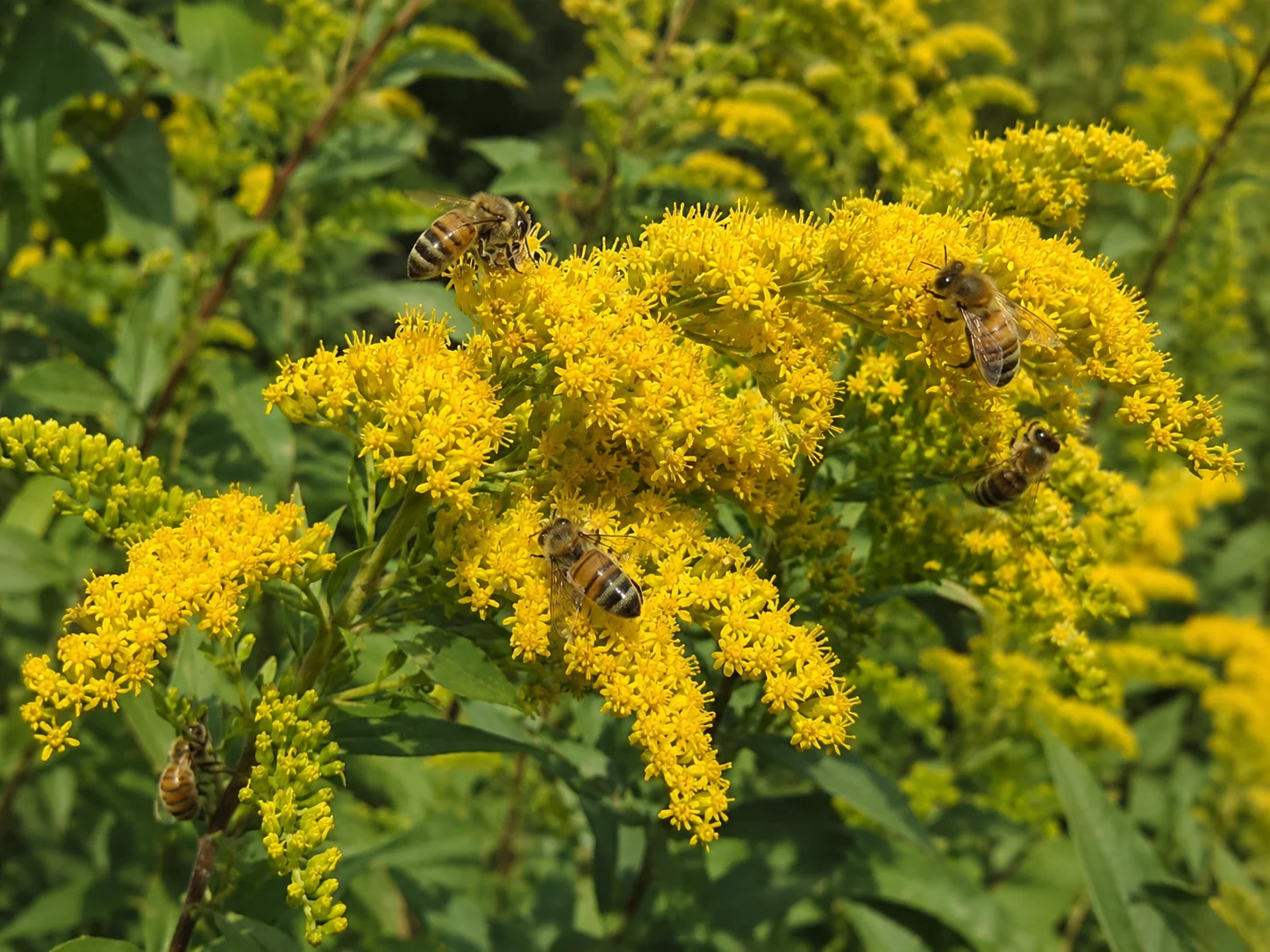
For honey bees and native bees, goldenrod can be one of the most important late-season flowers in the garden. It blooms when many summer plants are fading, offers nectar and pollen before winter, and pairs beautifully with asters, sedum, grasses, and other fall plants.
So no, goldenrod is not trash. Blaming it for every sneeze is lazy gardening. The smarter move is to understand the plant, choose the right type, and use it properly.
Why Goldenrod Is So Valuable for Bees
Goldenrod blooms when bees still need food but many gardens are running out of flowers.
That timing is the whole reason it matters.
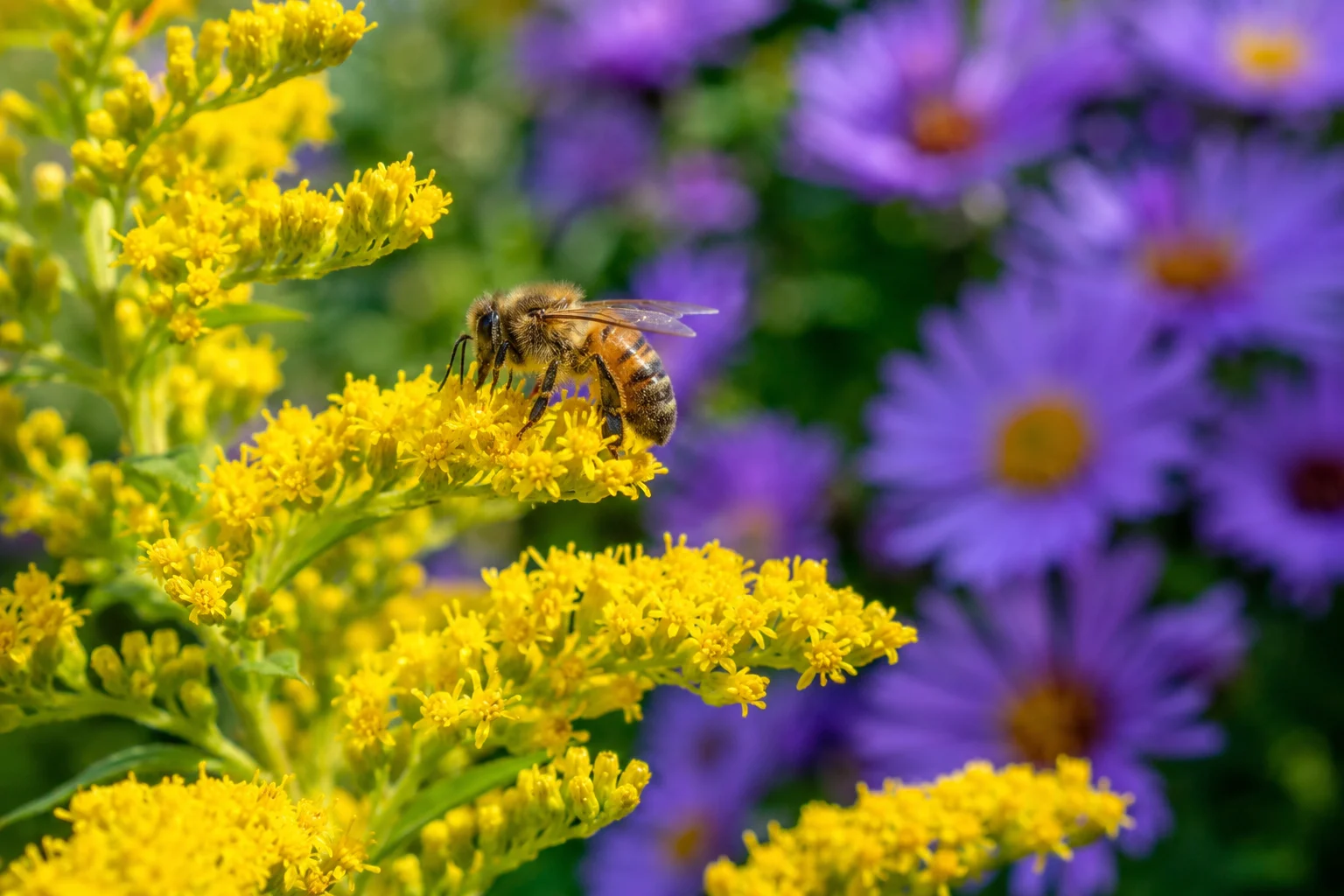
In late summer and fall, honey bee colonies are preparing for winter. They may still forage on warm days, and late pollen can support the final rounds of brood rearing before the colony tightens down for cold weather. Native bees, flies, beetles, butterflies, moths, and beneficial wasps also visit goldenrod heavily.
Goldenrod provides:
- Late-season nectar
- Late-season pollen
- Dense flower clusters bees can work efficiently
- Food for many pollinators, not just honey bees
- Strong color when the fall garden starts fading
- Wildlife value after flowering if stems and seedheads are left standing
Pollinator gardens work best when they offer overlapping bloom periods instead of one short burst of flowers. The University of Maryland Extension pollinator garden guide recommends using plants that provide nectar and pollen across the season, along with habitat, water, and pesticide avoidance. Goldenrod fits that late-season role perfectly.
If your garden stops blooming in August, it is not a full bee garden. It is a summer display that quits early.
Goldenrod vs. Ragweed: Why Goldenrod Gets Blamed
Goldenrod gets blamed because it is visible.
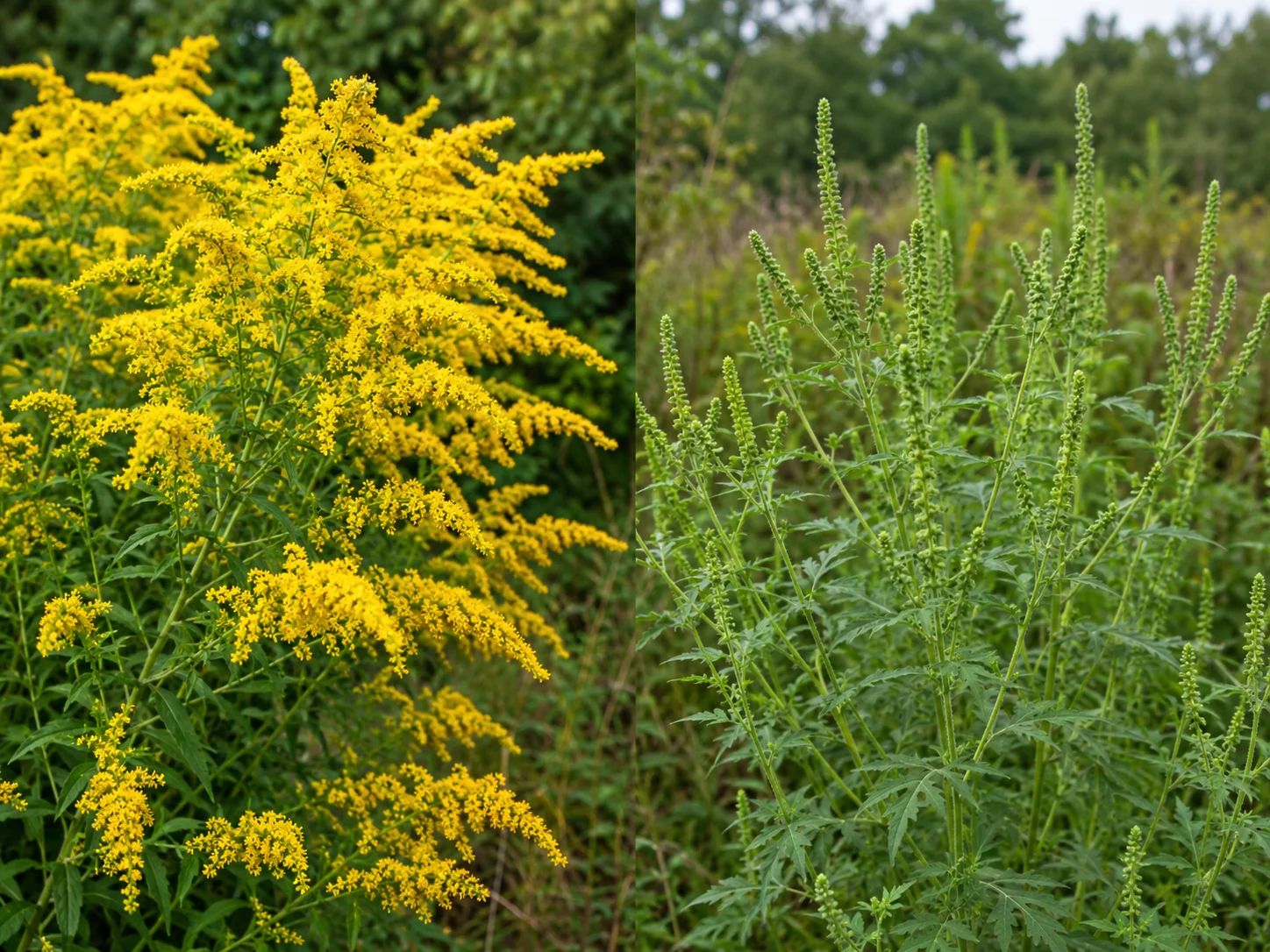
Ragweed is sneaky. Its flowers are small, greenish, and easy to miss. Goldenrod is loud, yellow, and impossible to ignore. Both bloom around late summer and fall, so people see goldenrod and blame the obvious plant.
That is bad evidence.
According to Verywell Health’s guide to ragweed allergy, ragweed pollen is spread through the air, is a major cause of fall hay fever, and is commonly released from August through October. Goldenrod, by contrast, depends heavily on insects to move its pollen.
How to Tell Them Apart
Goldenrod:
- Bright yellow flower plumes
- Showy clusters
- Bees and insects visibly visiting
- Pollen mostly moved by insects
- Usually attractive in a garden border
Ragweed:
- Greenish, dull, easy-to-miss flowers
- Wind-pollinated
- Airborne pollen
- Often found in disturbed soil, roadsides, vacant lots, and rough ground
- Major fall allergy trigger
If you want fewer allergy triggers, learn to identify ragweed. Do not rip out every goldenrod because somebody online repeated a myth.
Does Goldenrod Ever Cause Allergies?
For most people, goldenrod is not the main fall allergy problem.
But that does not mean nobody can react to it. Some people may have contact irritation from handling plants, and anyone with serious allergies should be cautious around flowers in general. The point is not “goldenrod can never bother anyone.” That would be too simplistic.
The point is: goldenrod is not the big airborne pollen villain people think it is.
If your symptoms flare in fall, ragweed, mold spores, grasses, and other airborne allergens may be more likely suspects. For medical concerns, use allergy guidance from health professionals, not garden gossip.
Best Goldenrod Types for Bee Gardens
There are many goldenrod species, and they do not all behave the same way. This is where gardeners get sloppy.
Some goldenrods are tall, spreading, and better for meadows or large wild areas. Others are more compact and easier to use in managed borders. Your job is to choose a plant that fits the space.
Good garden options may include:
- Showy goldenrod for sunny pollinator beds
- Stiff goldenrod for prairie-style planting
- Zigzag goldenrod for part shade
- Wreath goldenrod for woodland edges
- Seaside goldenrod for coastal or sandy sites
- Compact cultivars for smaller gardens
Use regional native plant lists before buying. The Pollinator Partnership planting guides are useful because they help gardeners choose pollinator plants suited to their area instead of copying random plant lists.
The wrong goldenrod in the wrong space becomes a maintenance headache. The right goldenrod becomes one of the best fall plants you own.
How to Plant Goldenrod Without Letting It Take Over
Goldenrod’s strength is also its problem: some types spread.
That does not mean you should avoid it. It means you should plant it with a plan.
Plant It in Groups, Not Random Singles
Honey bees work flowers efficiently. A generous clump is more useful than one lonely goldenrod stem.
Try planting:
- 3 plants in a small border
- 5 plants in a larger pollinator bed
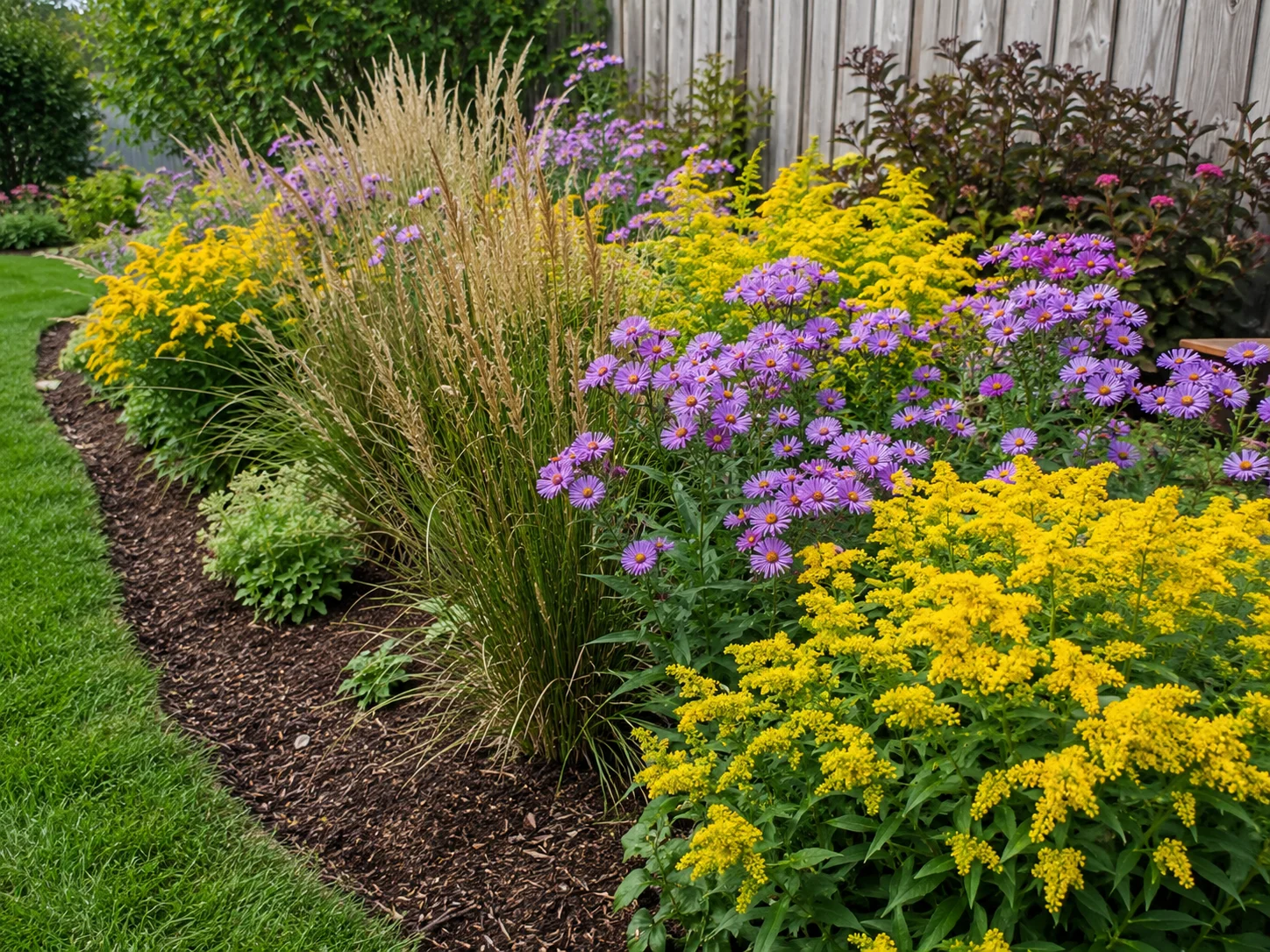
- A controlled drift along a fence
- A meadow patch with asters and grasses
- A container-grown compact variety if space is tight
If you are building a fence-side bee border, goldenrod can work as the late-season layer behind shorter plants. It fits naturally into a design like a pollinator border fence that feeds bees all season.
Control Spreading Early
Do not wait until goldenrod has colonized half the garden.
Control it by:
- Choosing compact or clump-forming types
- Dividing plants every few years
- Cutting back some seedheads before they drop
- Pulling unwanted runners early
- Planting aggressive types only in larger spaces
- Using root barriers or containers where needed
The bad strategy is planting a wild spreading goldenrod in a tiny border, ignoring it for three years, then calling the plant “invasive.” That is not the plant being evil. That is poor planning.
Best Companion Plants for Goldenrod
Goldenrod is strongest when it is part of a fall planting combination.
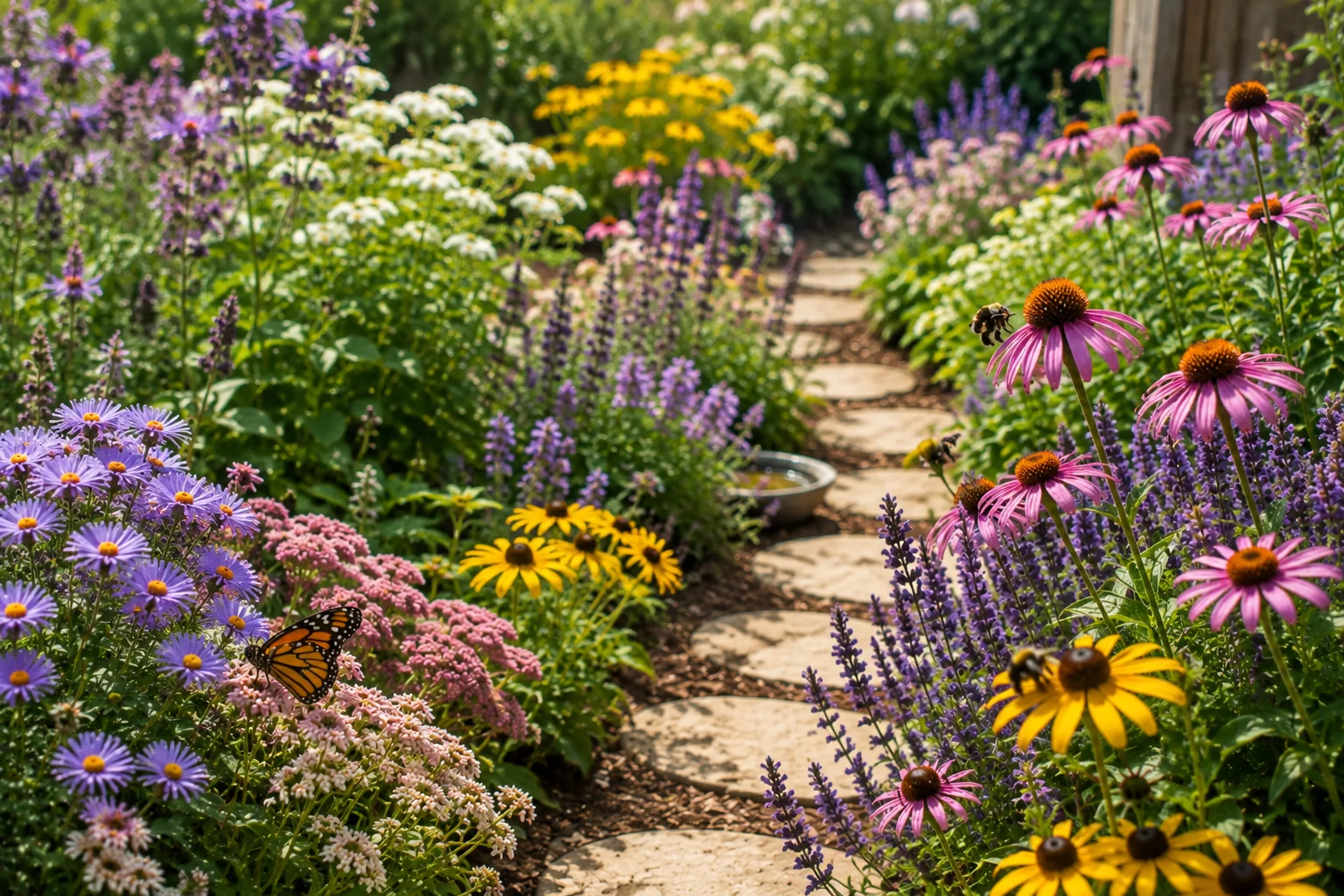
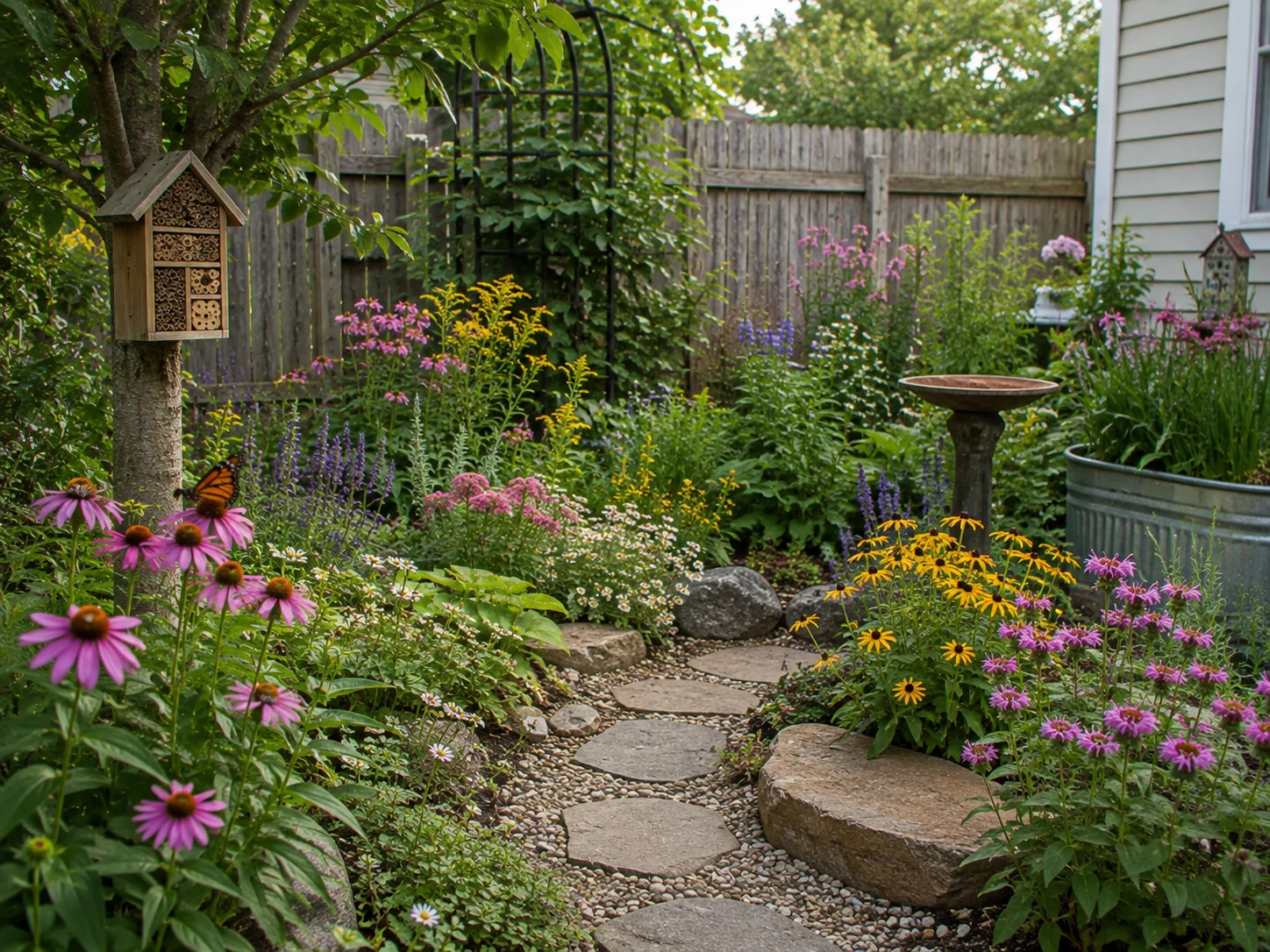
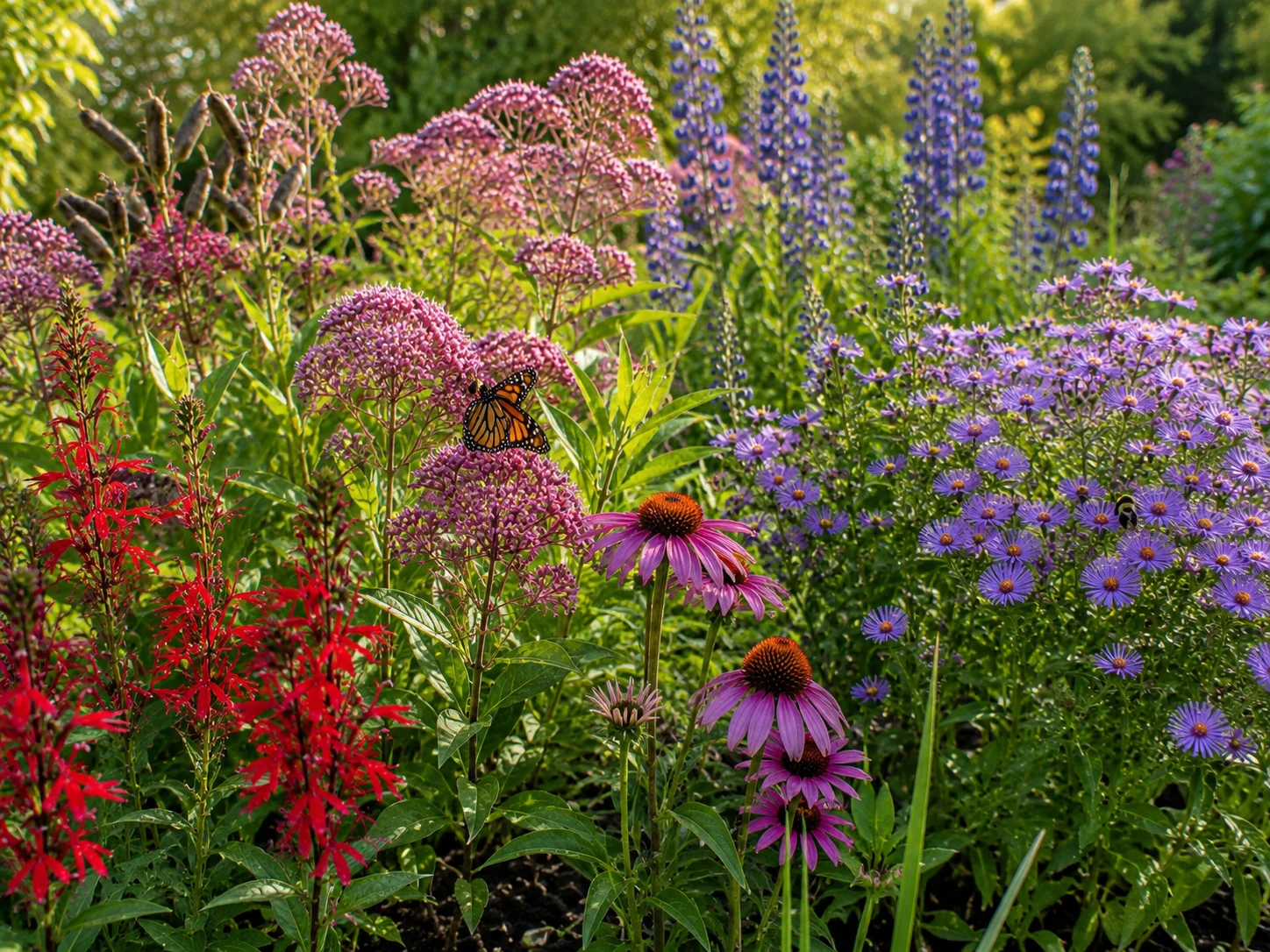
The classic pairing is goldenrod + asters. Yellow and purple look good together, but more importantly, both can offer late-season forage. Add sedum, grasses, and flowering herbs, and you have a stronger autumn bee border.
Good companion plants include:
- Asters
- Sedum
- Rudbeckia
- Anise hyssop
- Garlic chives
- Helenium
- Single dahlias
- Little bluestem
- Switchgrass
- Mountain mint
If you are already planning late-season forage, goldenrod belongs in the same conversation as asters and sedum. You can connect this naturally with late season flowers for bees because goldenrod is one of the main plants that keeps the garden useful after summer fades.
Where to Plant Goldenrod
Goldenrod usually performs best in sun, but exact needs depend on the species. Some tolerate dry, poor soil. Others prefer richer or moister ground. Do not assume every goldenrod wants the same conditions.
Best places:
- Sunny pollinator borders
- Meadow strips
- Fence lines
- Apiary edges with clear hive access
- Wildlife corners
- Large cottage-style borders
- Rain garden edges, depending on species
- Part-shade woodland edges for shade-tolerant types
Avoid planting tall, aggressive goldenrod right beside narrow paths, small patios, or hive inspection zones. Bees may love it, but you still need a garden that works for humans.
For backyard beekeepers, place goldenrod close enough to support the forage landscape but not so close that it blocks hive access. That same balance matters in best plants to grow near a backyard beehive.
Should You Cut Goldenrod Back in Fall?
Not immediately.
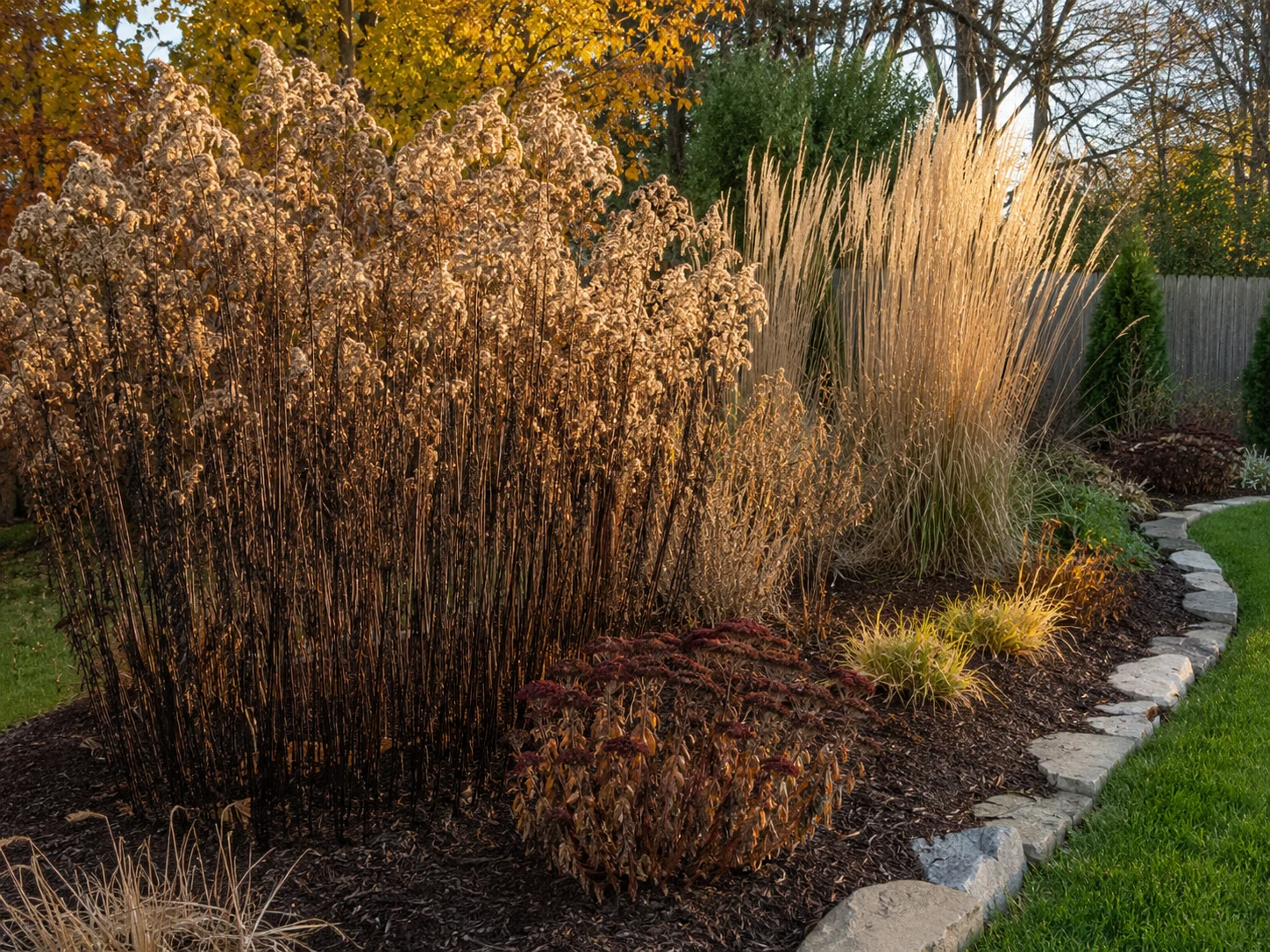
After goldenrod finishes flowering, the stems and seedheads can still add wildlife value and winter structure. Birds may use seeds, and standing stems can contribute to overwintering habitat. If the plant is healthy and not in the way, leave it standing into winter.
Cut it back early only if:
- It is diseased
- It is blocking access
- It is flopping across paths
- It is spreading too aggressively
- You need to prevent reseeding
- The planting looks too messy for the space
A smart compromise is to cut some stems and leave others. For a broader cleanup plan, read the fall garden cleanup for bees article.
Quick Goldenrod Planting Plan for Bees
For a simple sunny fall bee border, use:
- 3–5 goldenrod plants
- 3–5 asters
- 3 sedum
- 3 anise hyssop
- 1–2 ornamental or native grasses
- Spring bulbs tucked at the front for next year
This gives you spring potential, late-summer transition, and strong autumn forage.
For a small garden, choose compact goldenrod and keep it in a defined clump. For a large garden, let it form a controlled drift with asters and grasses.
Conclusion: Stop Blaming Goldenrod and Start Using It Properly
Goldenrod has been blamed for allergies because it blooms loudly at the same time ragweed causes trouble quietly.
That does not make goldenrod the enemy.
For bees, goldenrod is one of the best fall flowers you can plant. It offers late nectar, pollen, strong color, and serious pollinator value when many gardens are fading. The key is to choose the right type, plant it in useful groups, pair it with asters and other fall flowers, and manage spreading before it becomes a problem.
Do not rip it out because of a lazy allergy myth. Use it intelligently.