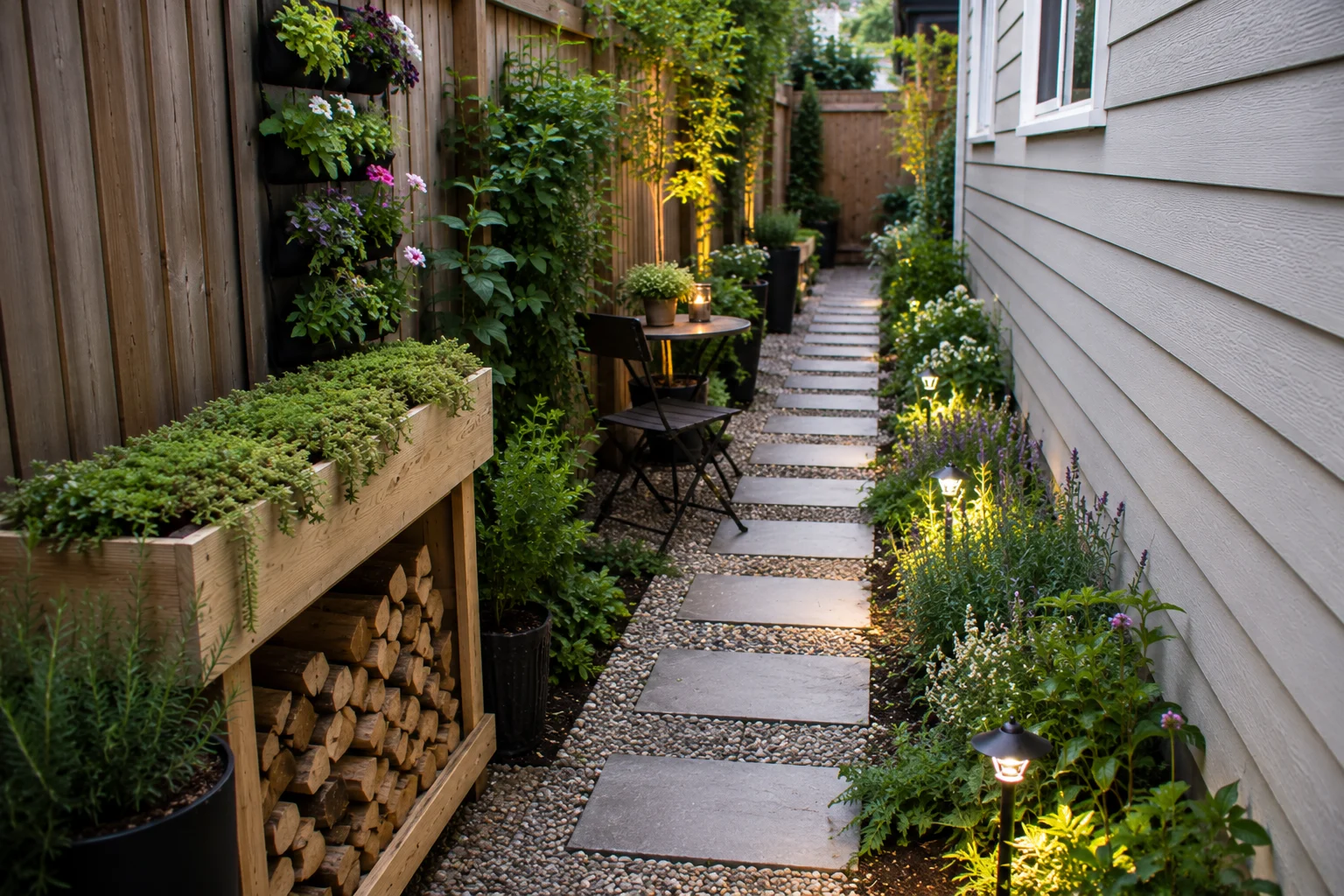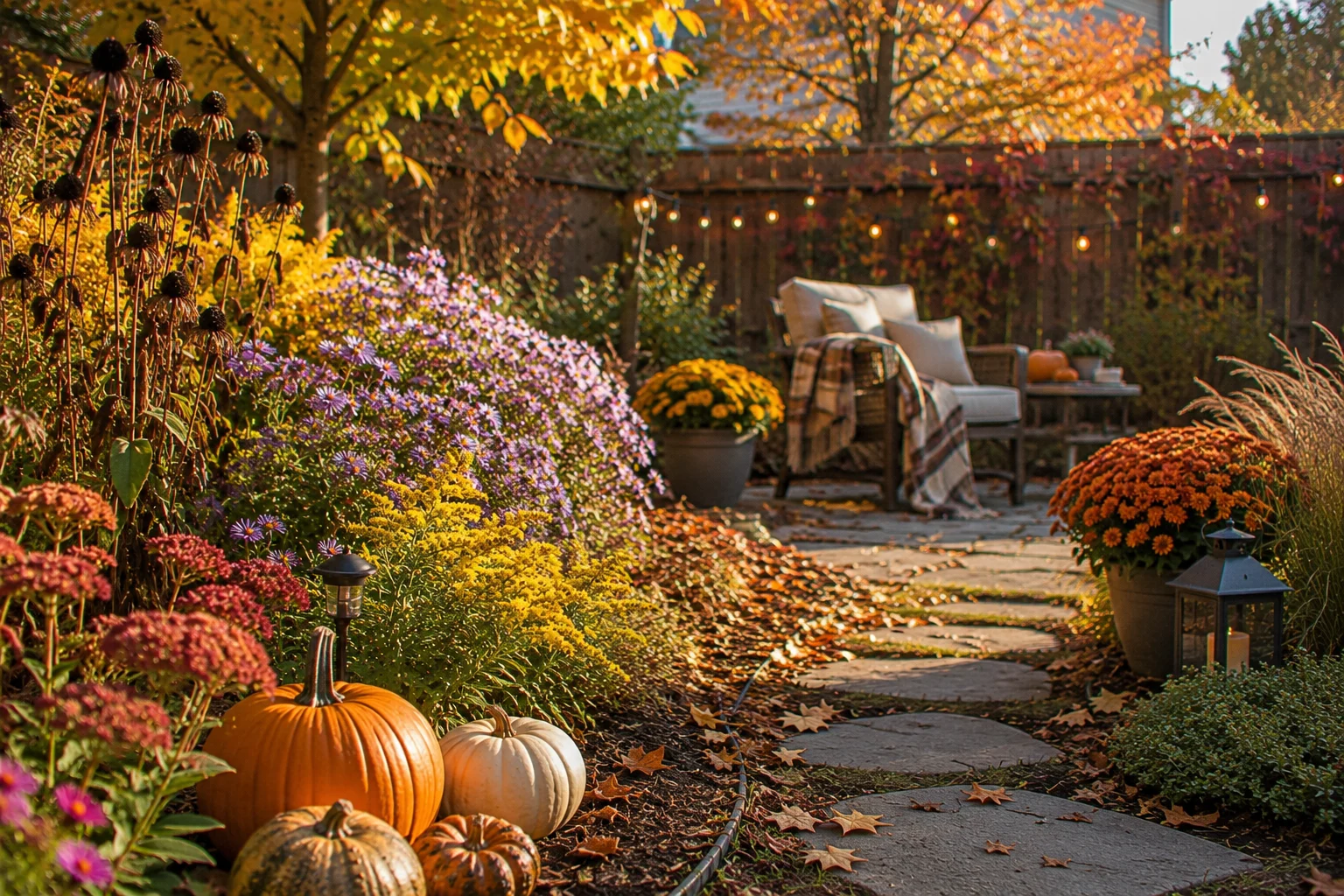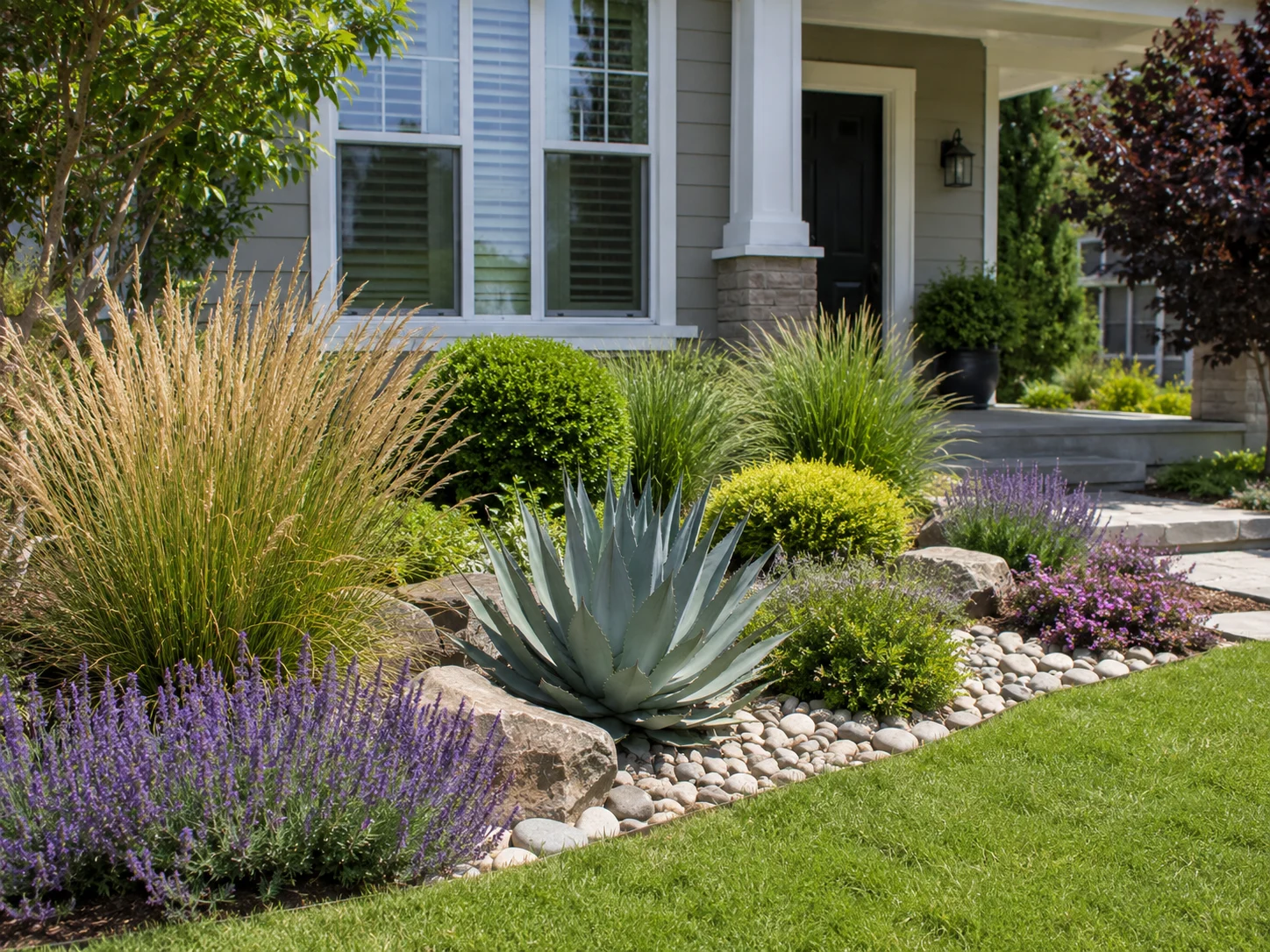

A raised bed solves more problems at once than almost any other garden structure — poor native soil, drainage issues, weed pressure, and physical accessibility all get addressed simply by building a contained, elevated growing space rather than working with the ground as it already is. The design choices that follow, though, matter as much as the decision to raise the bed in the first place.
This list covers 19 raised bed designs across five categories — materials, shapes and layouts, height and accessibility, style-specific approaches, and practical built-in features — each with a realistic visual and enough detail to actually plan a build.
Materials
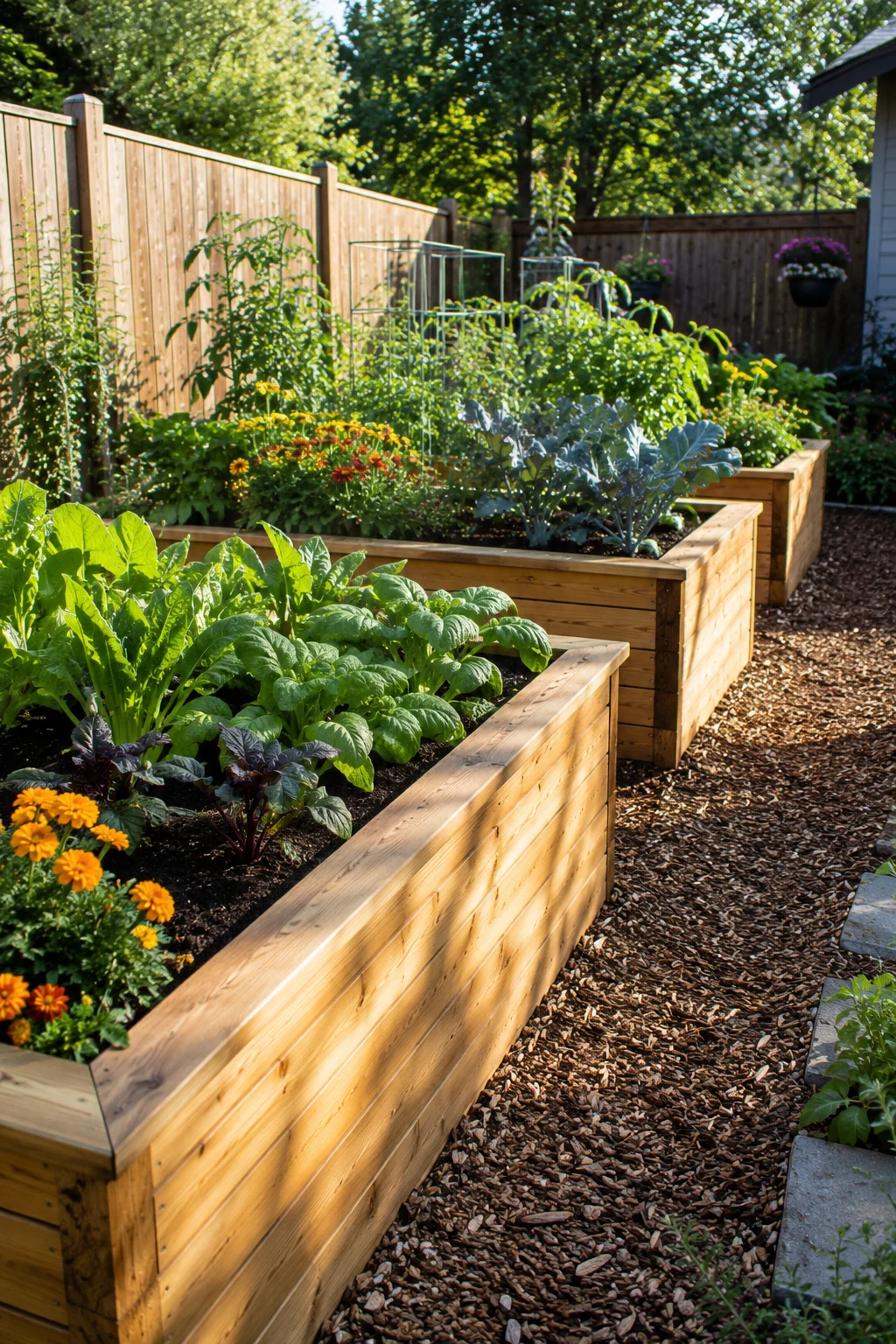
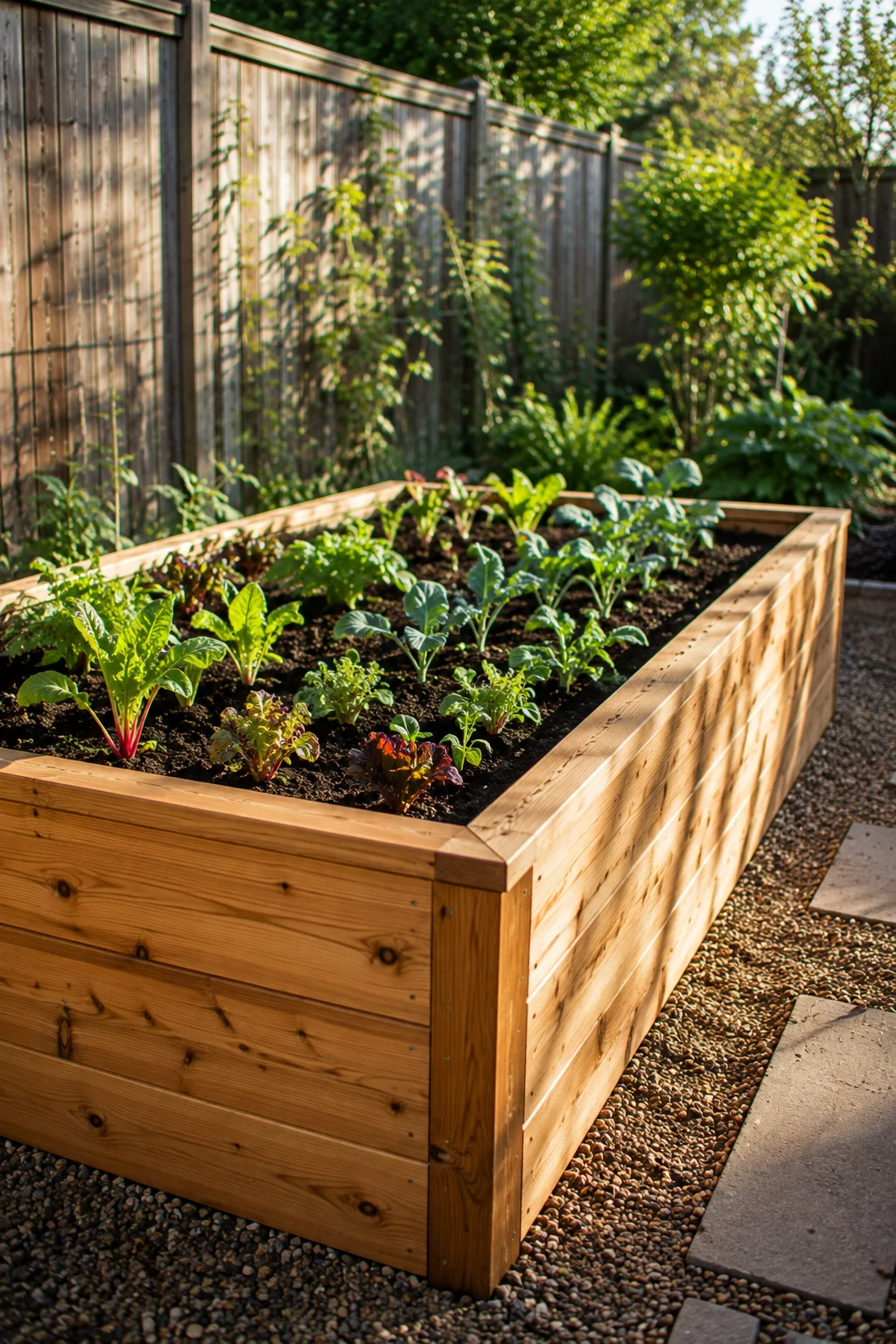
1. Cedar or Redwood Timber Bed
Naturally rot-resistant cedar or redwood remains the most common raised bed material, aging to a soft silver-grey over time without needing chemical treatment, and it’s straightforward enough to build with basic tools and a weekend’s work.
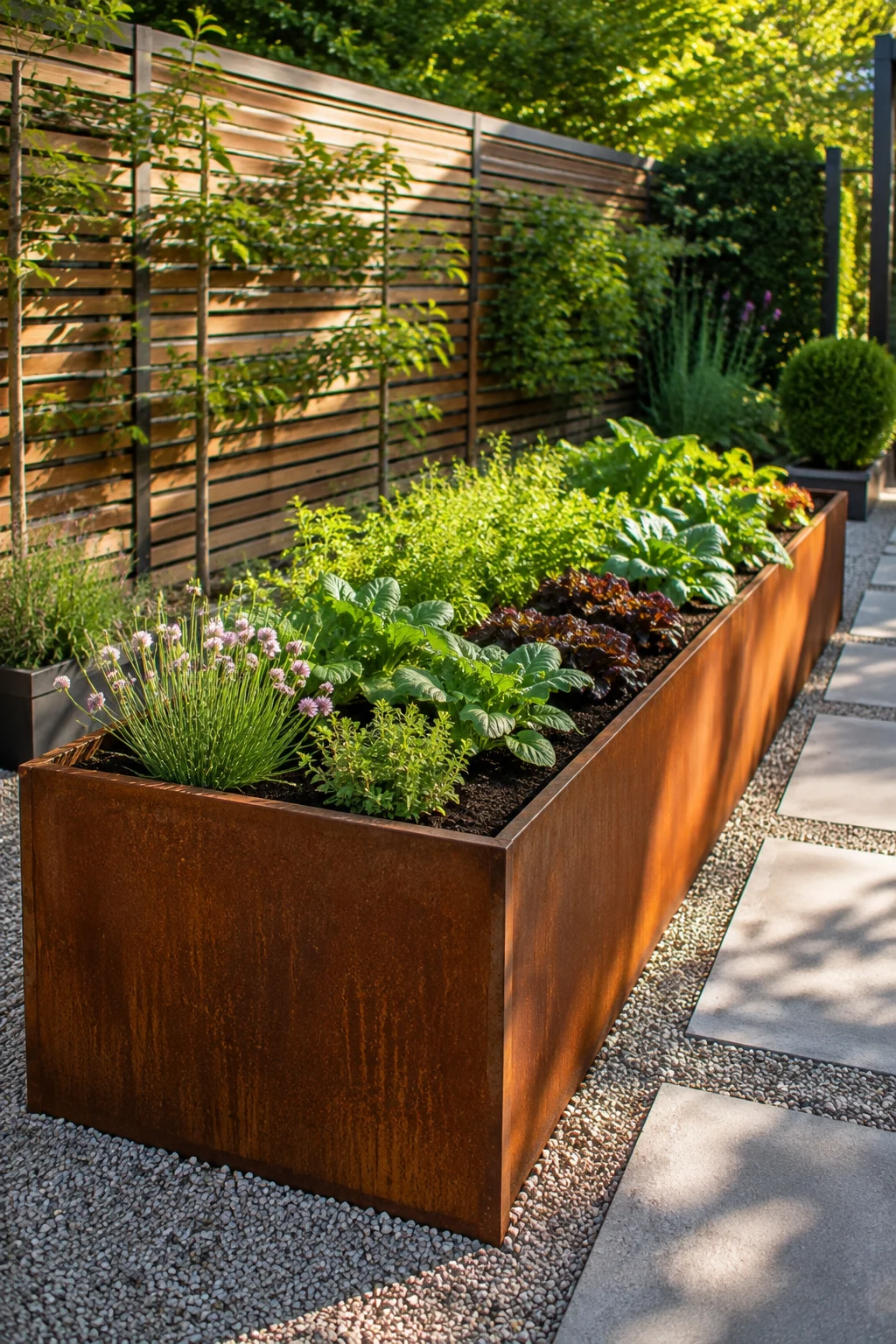
2. Corten Steel Bed
Corten steel panels weather into a consistent rust-orange patina and then stop corroding further, giving a raised bed a modern, architectural look that holds up for decades with essentially no maintenance.
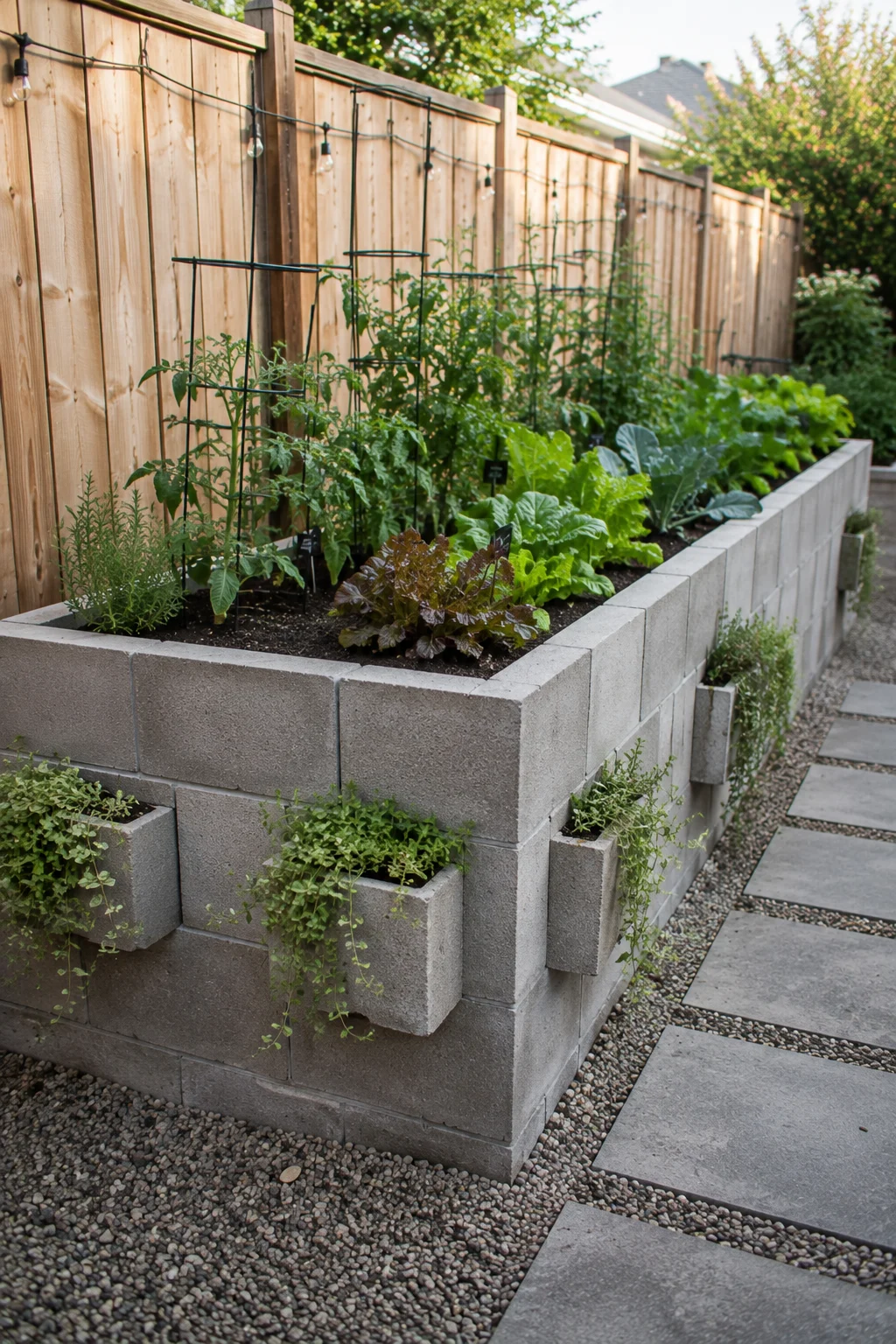
3. Concrete Block Bed
Standard concrete blocks, stacked and mortared or simply dry-stacked for a temporary bed, provide a genuinely permanent, low-cost structure, and the hollow block cores can double as small planting pockets for trailing herbs along the edge.
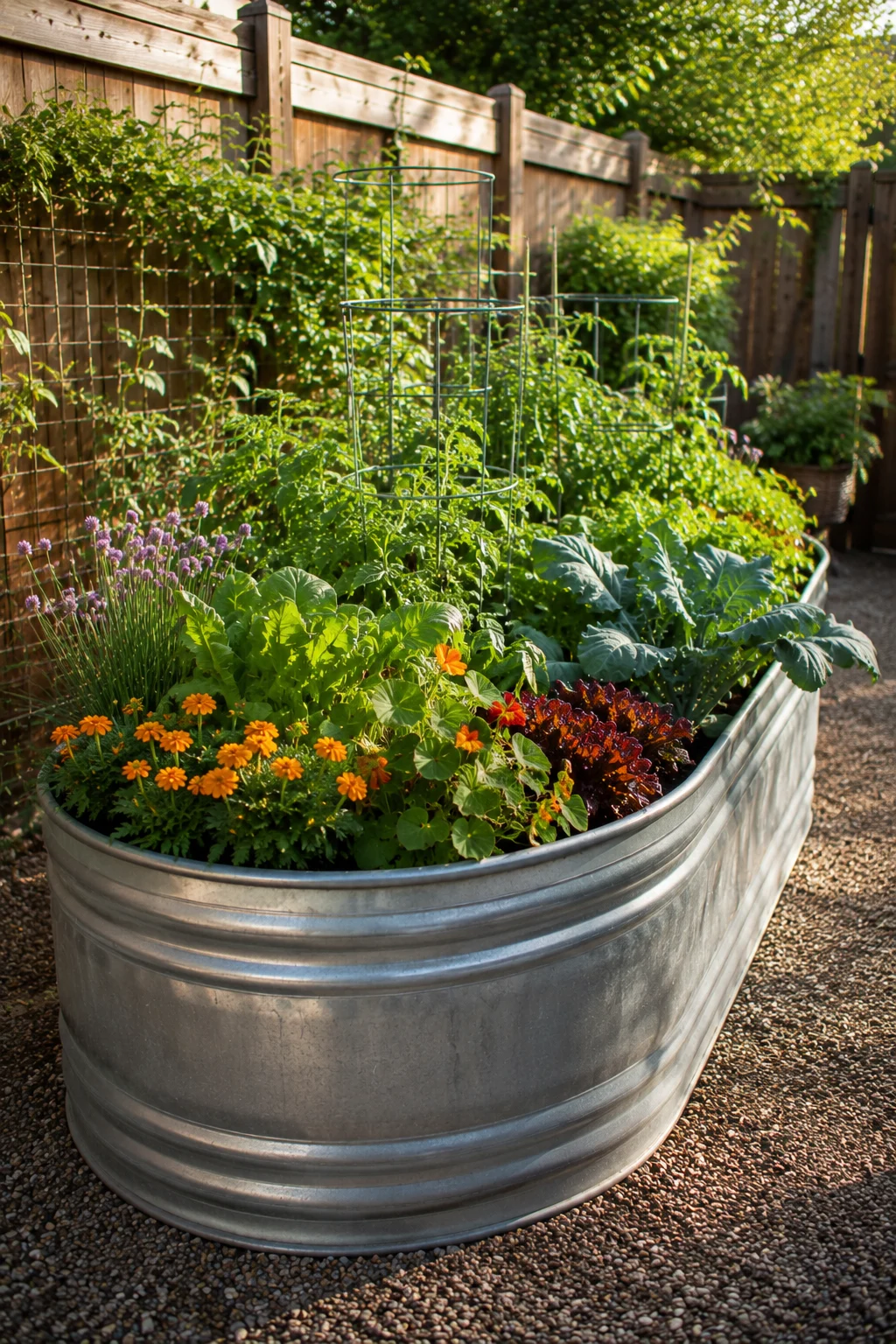
4. Galvanized Stock Tank Bed
A repurposed galvanized livestock watering trough, with drainage holes added to the base, makes an instant raised bed with a distinctive farmhouse look and no construction required beyond drilling.
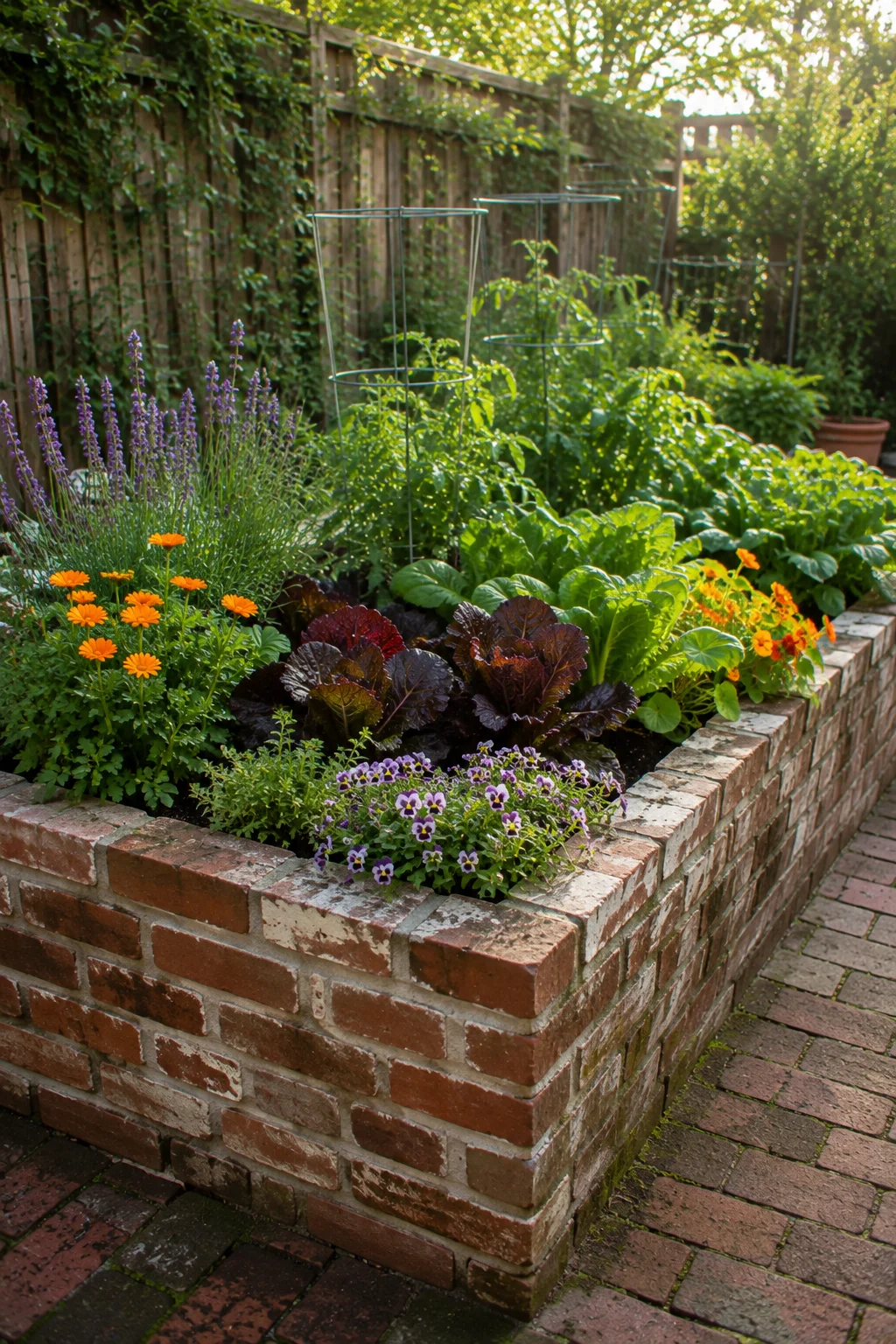
5. Reclaimed Brick Bed
Reclaimed brick, laid in a simple running bond without mortar or fully mortared for permanence, gives a raised bed a warm, traditional look well suited to a cottage or period-style garden.
Shapes and Layouts
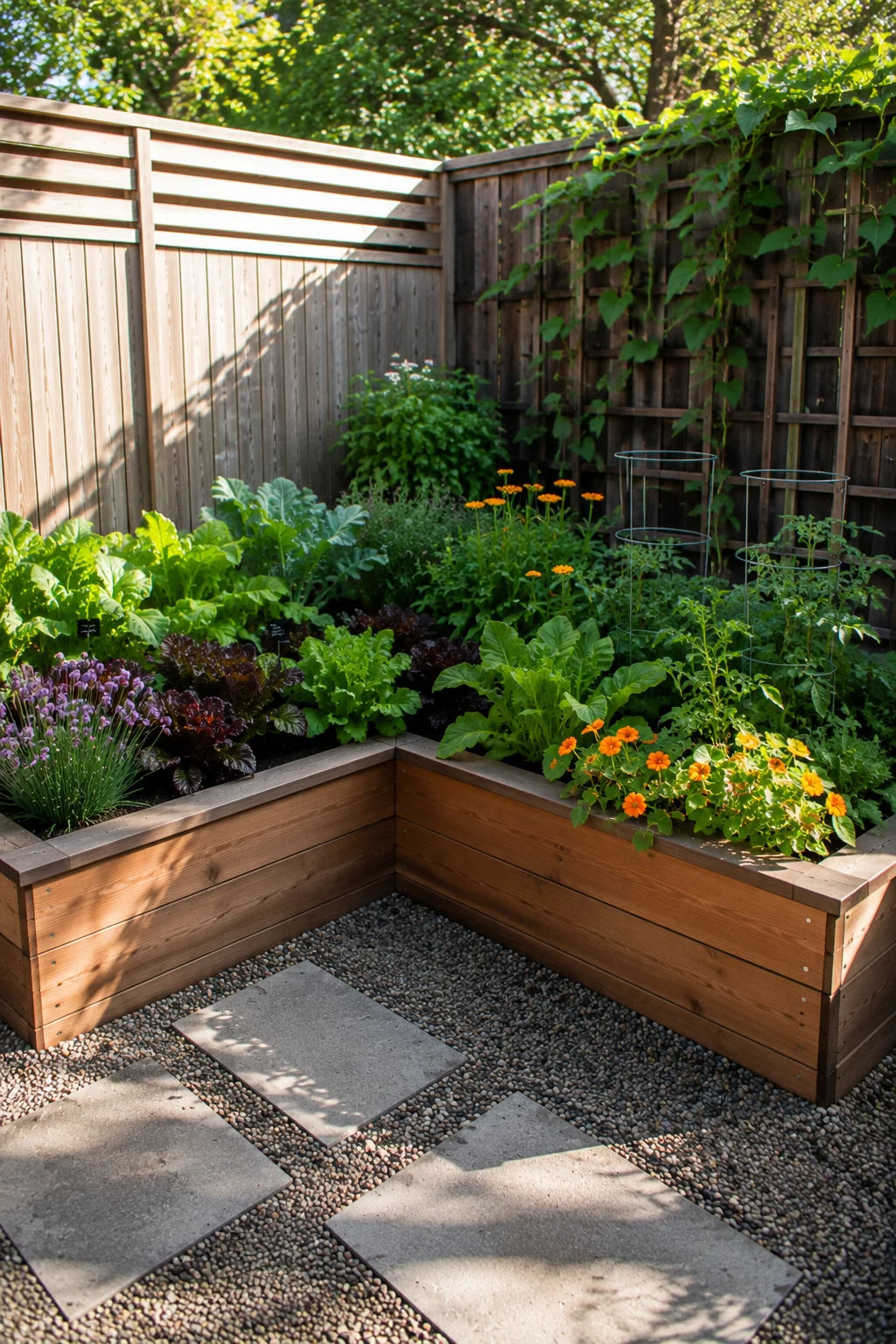
6. L-Shaped Corner Bed
Building a raised bed to follow the exact angle of a yard corner uses the space more efficiently than a rectangular box wedged awkwardly into the same spot, and can double as informal seating along one edge if built at bench height.
7. Keyhole Bed
A circular or horseshoe-shaped bed with a small access notch cut into one side lets a gardener reach every plant from a central point without stepping into the growing area itself, maximizing planting space relative to footprint.
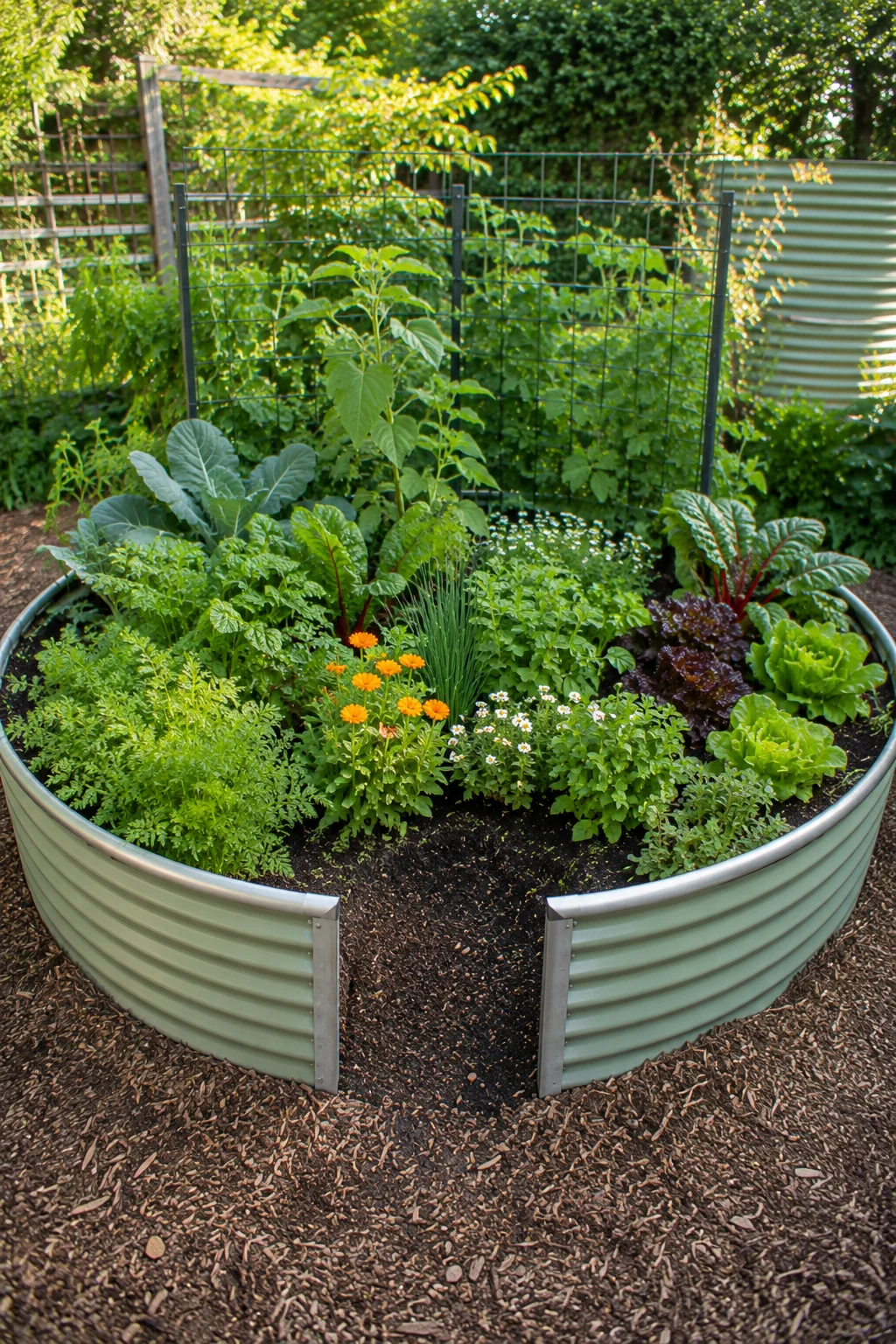
8. Tiered Beds on a Slope
On a sloped lot, a series of stepped raised beds, each retained by its own low wall, turns an awkward grade into flat, usable planting terraces while solving erosion and drainage problems at the same time.
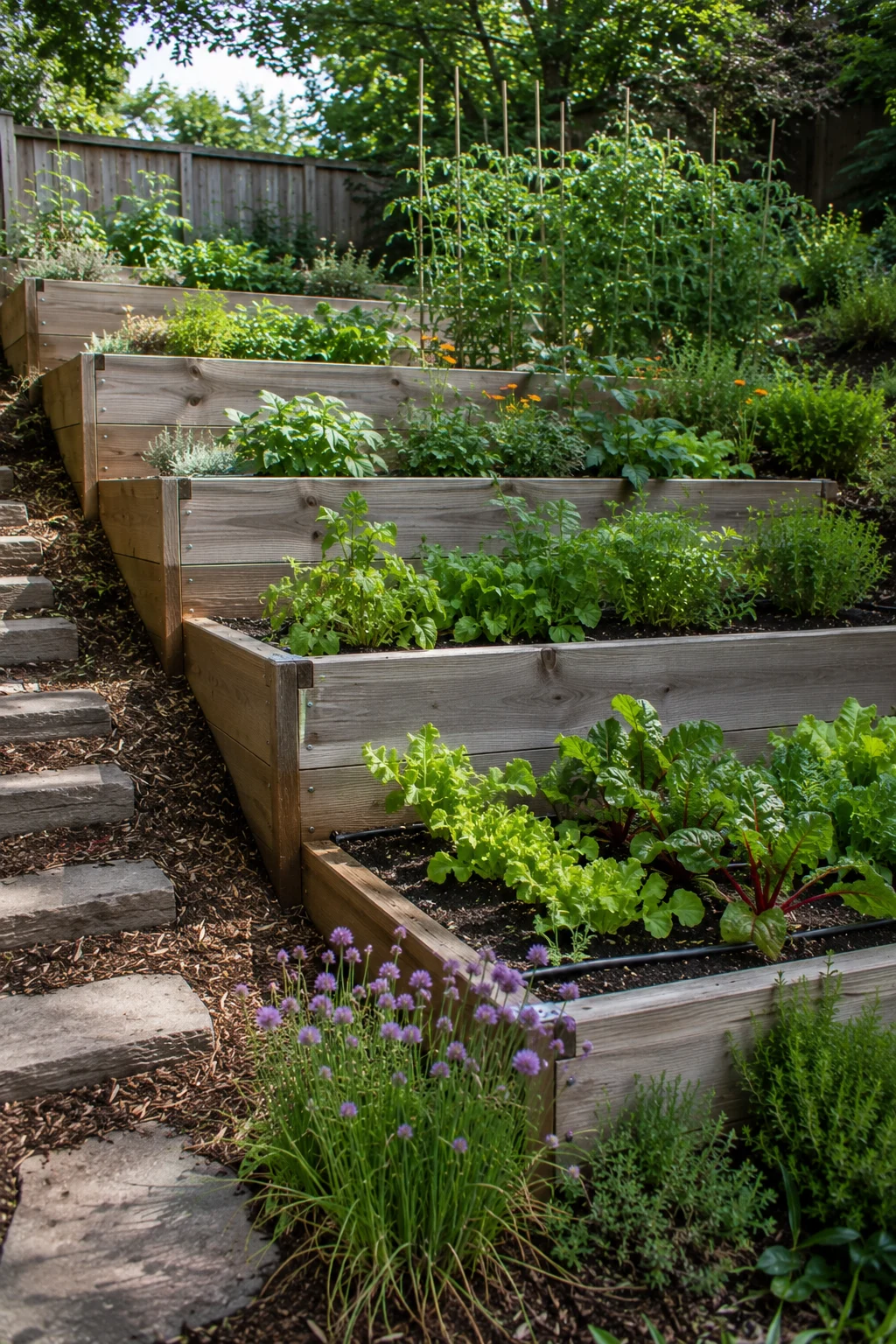
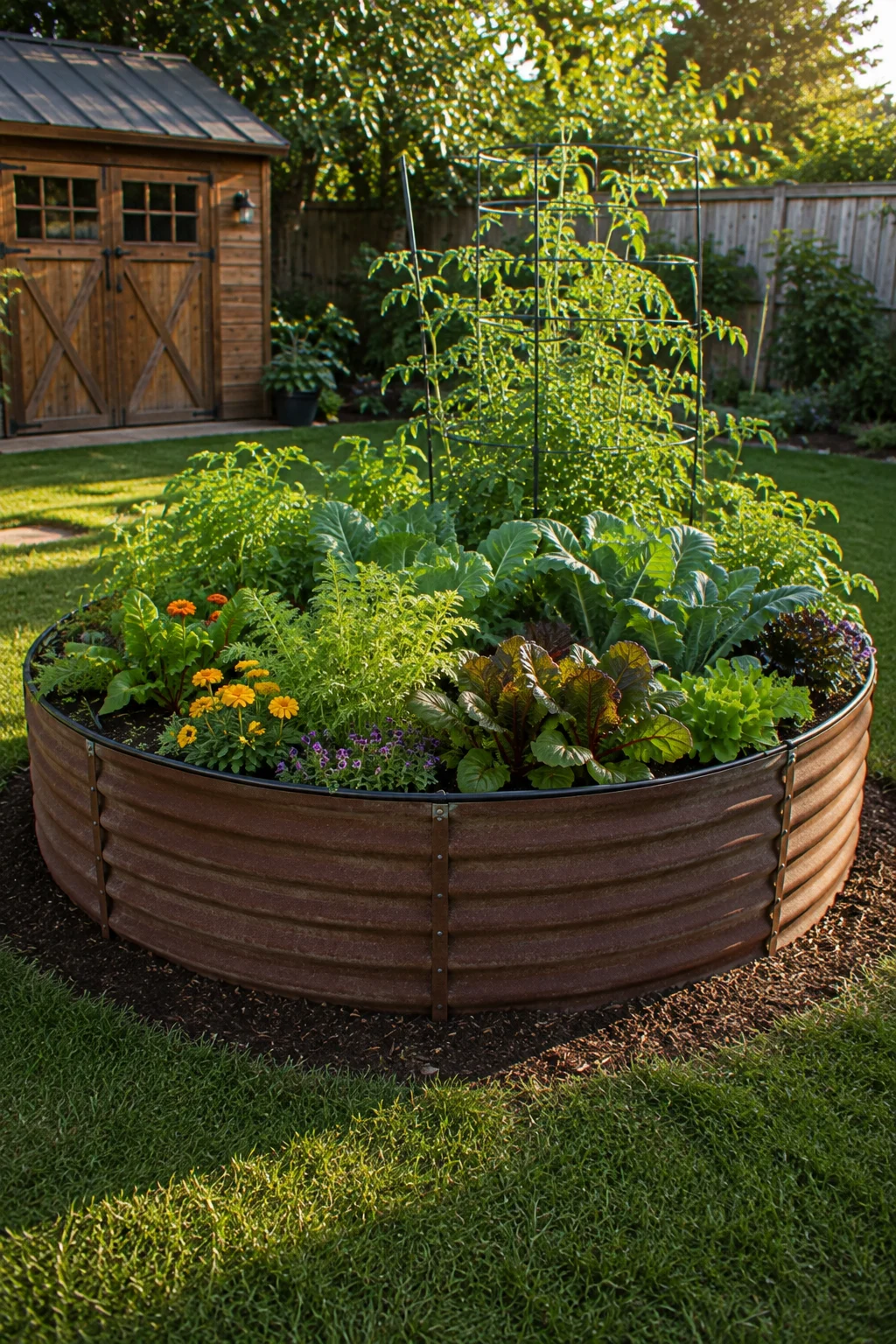
9. Circular Bed
A round raised bed, built from curved corten steel panels or flexible composite boards, creates a distinctive focal point in a lawn or courtyard and allows planting to be viewed and accessed evenly from every angle.
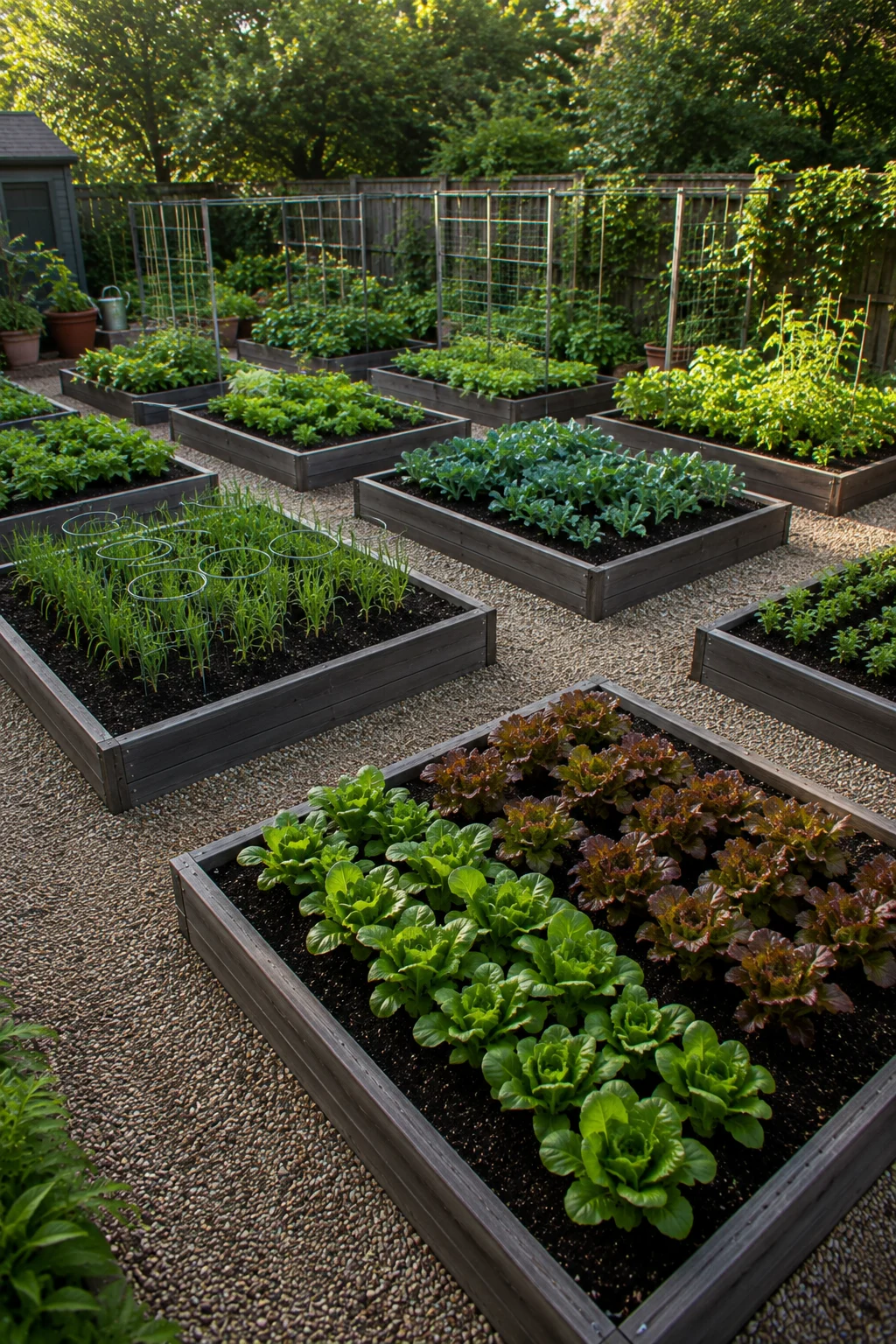
10. Modular Grid of Matching Beds
A row or grid of identical rectangular beds, spaced evenly with consistent walking paths between them, gives a vegetable garden the same organized, repeated structure as a small-scale farm plot.
Height and Accessibility
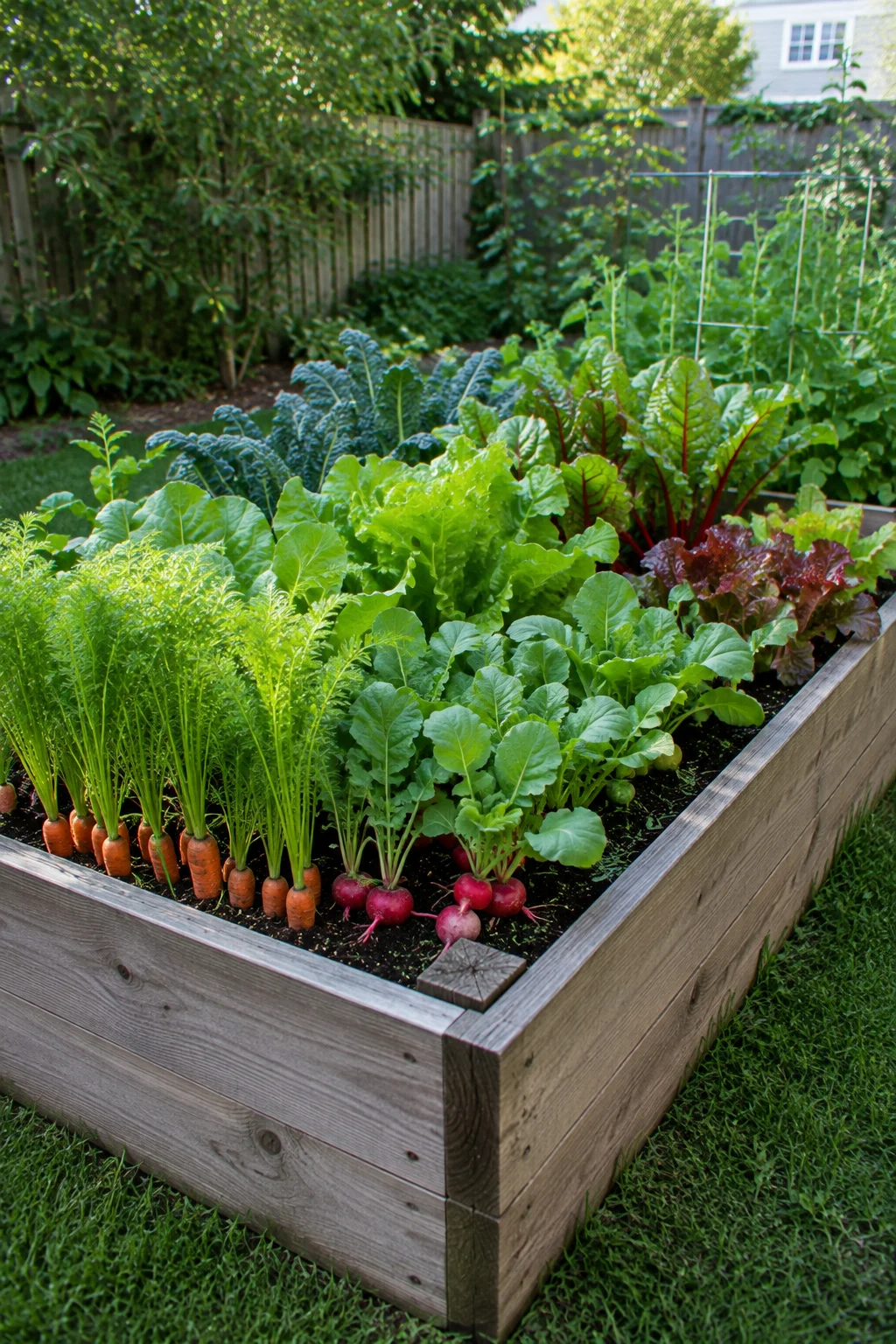
11. Standard 12–18 Inch Bed
A conventional raised bed at 12 to 18 inches tall suits most vegetables and flowers, providing enough soil depth for root vegetables and deep-rooted perennials without the material cost of a taller structure.
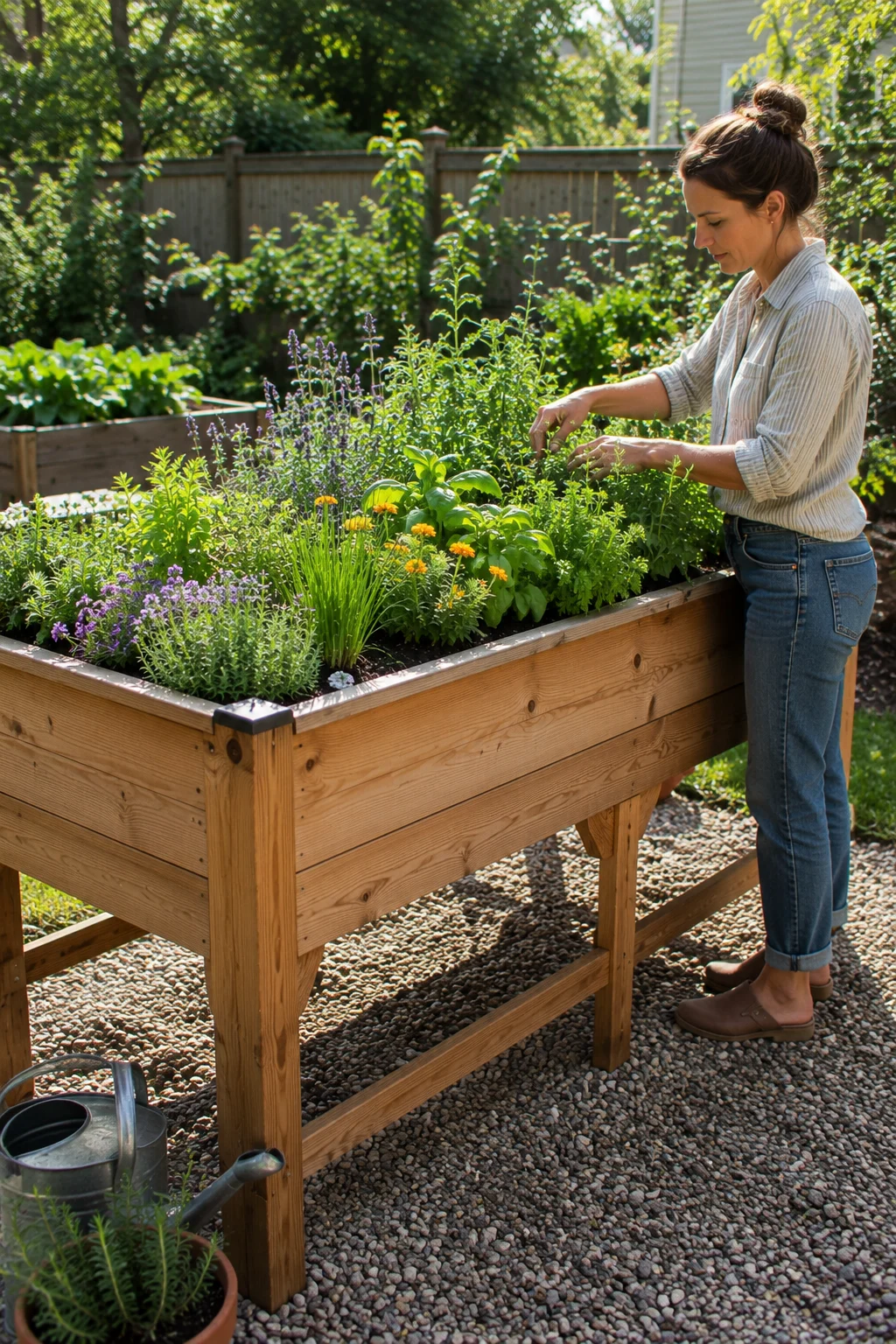
12. Waist-Height Accessible Bed
A raised bed built to roughly 28 to 32 inches tall lets a gardener work standing up without bending, making it considerably more comfortable for anyone with back or knee limitations, at the cost of needing more fill material to reach that depth.
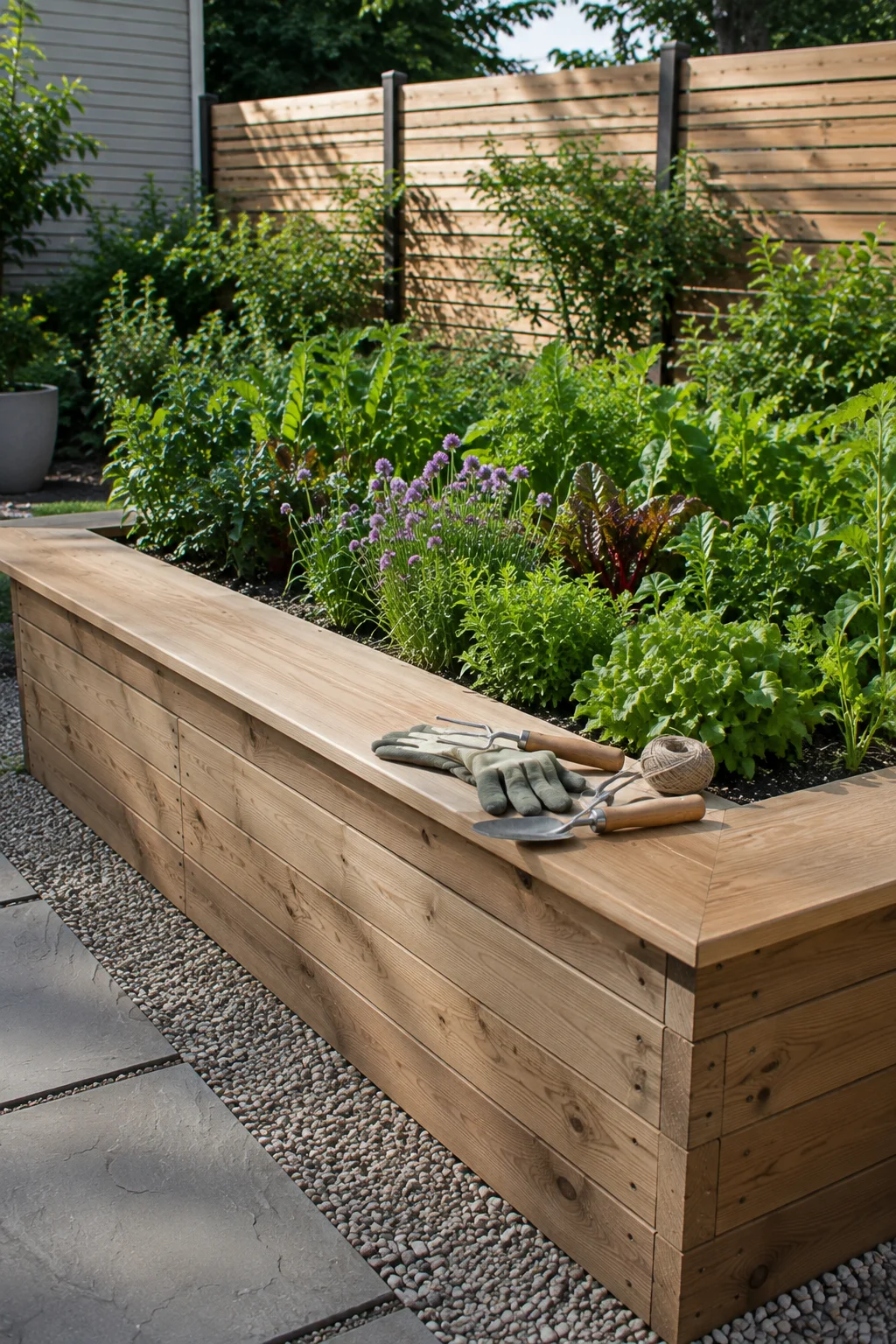
13. Bed With Built-In Bench Edge
A wide, flat cap built along the top edge of a raised bed doubles as informal seating, giving a gardener somewhere to sit while working close to the soil without needing to kneel.
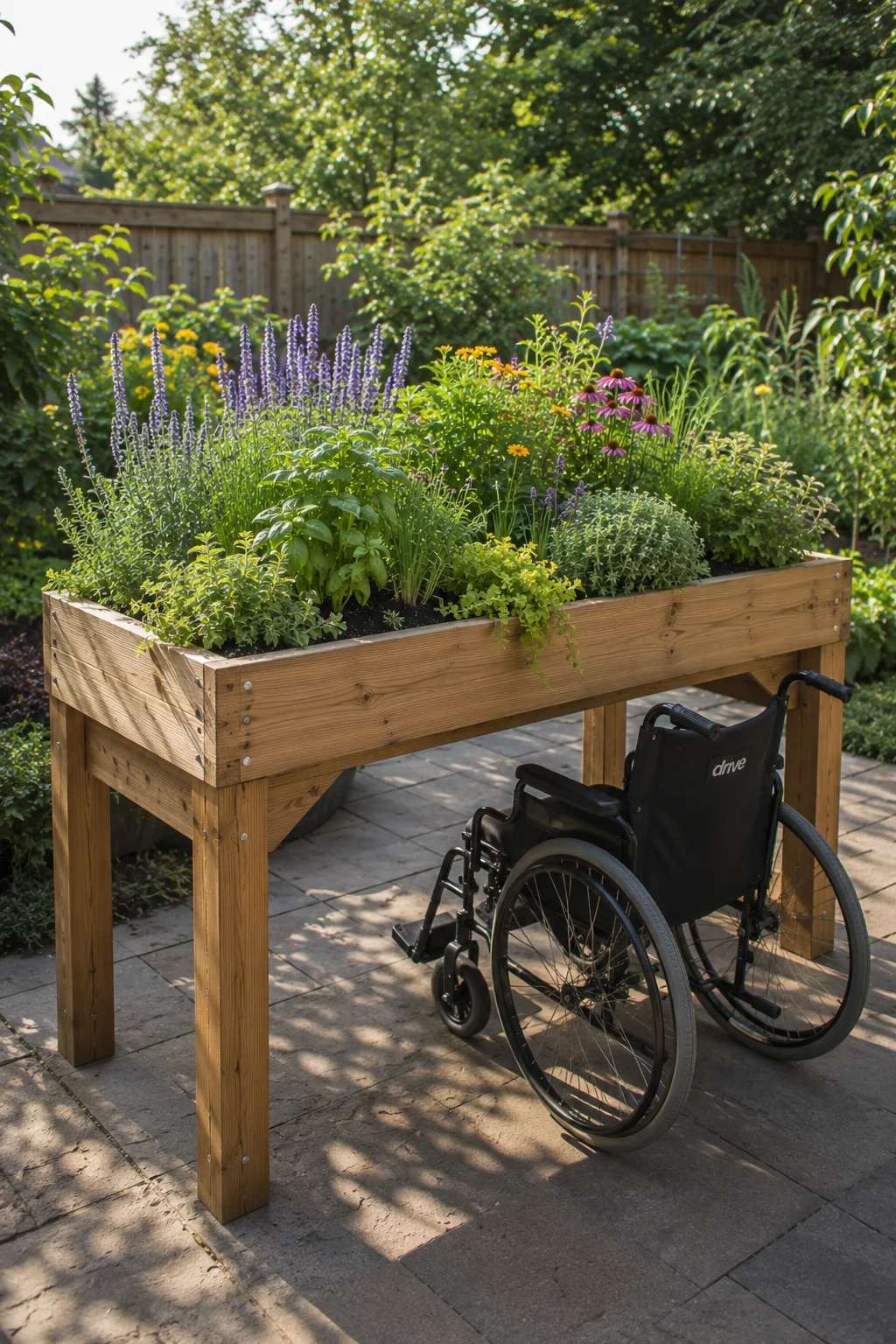
14. Wheelchair-Accessible Bed With Under-Clearance
A raised bed built on legs or a frame with open space underneath allows a wheelchair user to roll up close and reach across the growing area comfortably, typically built at counter height with a bed depth shallow enough to keep the whole surface within reach.
Style-Specific Approaches
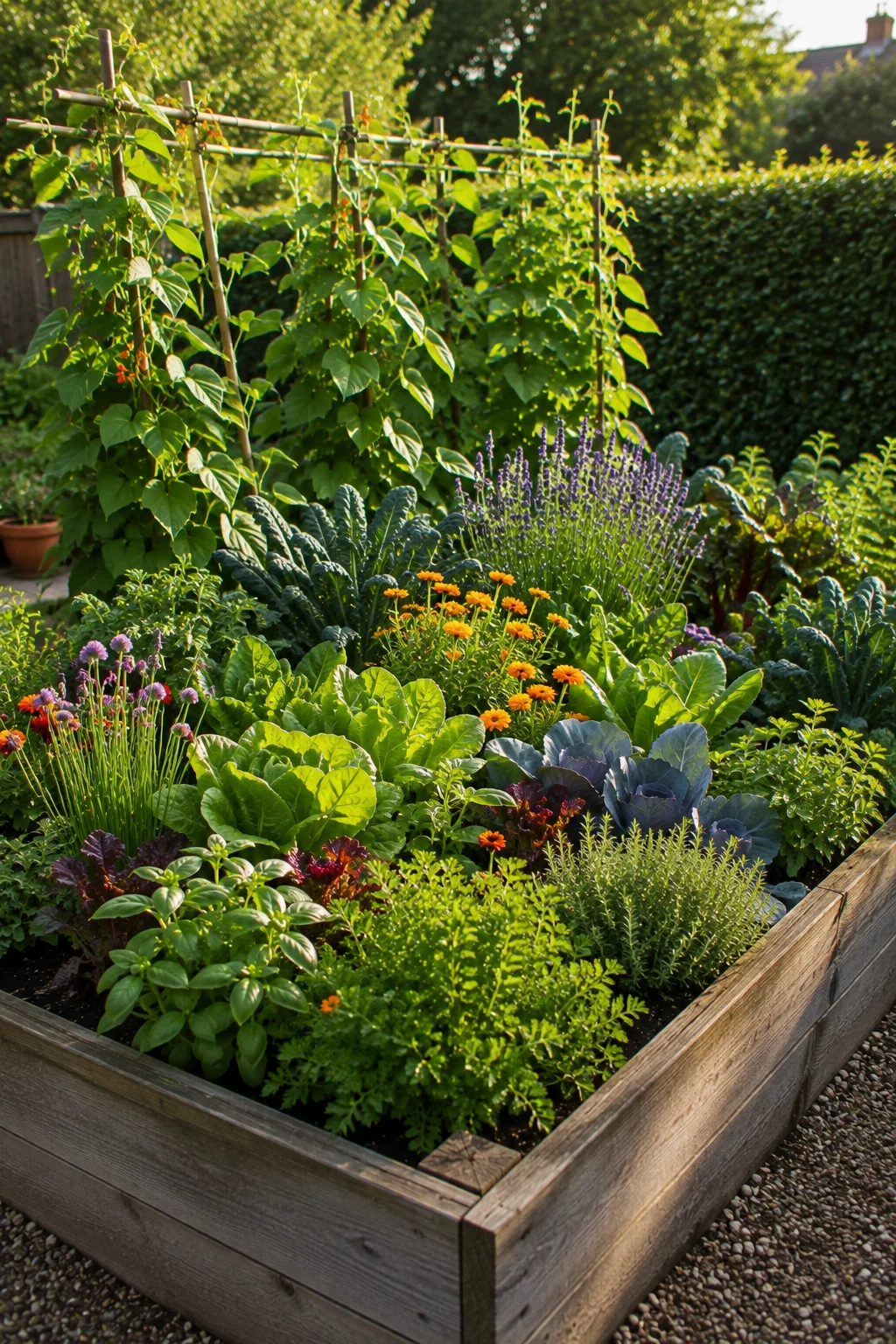
15. Potager-Style Mixed Bed
Combining vegetables, herbs, and flowers together within the same raised bed, rather than segregating them into separate plots, follows the traditional French kitchen-garden approach and adds far more textural and color variety than a vegetables-only bed. This pairs closely with the mixed planting style covered in our English cottage garden ideas guide, adapted here into a contained raised structure.
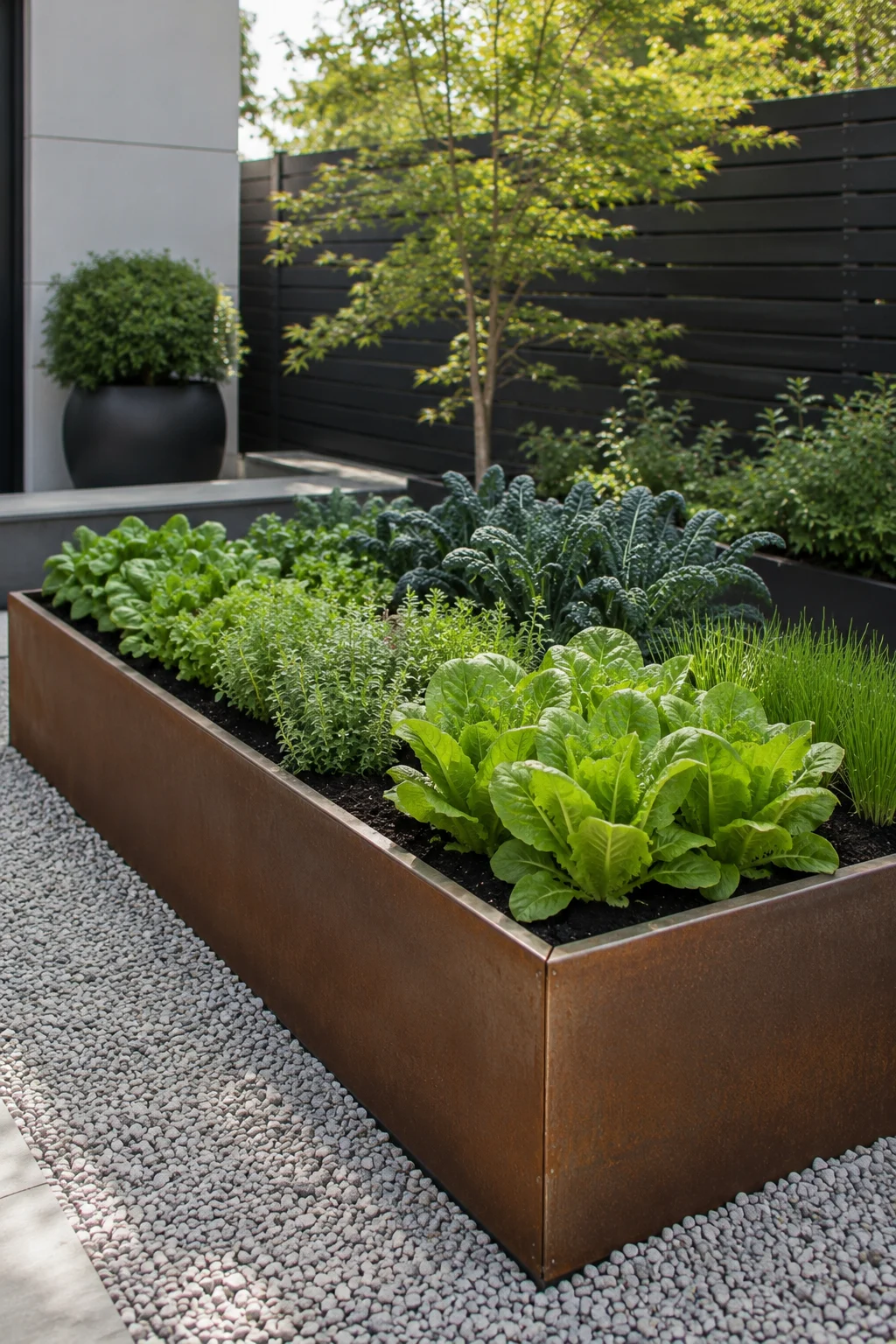
16. Modern Minimalist Steel Bed
A simple rectangular corten or powder-coated steel bed, planted with a restrained palette of structured greenery rather than a wide mix of flower colors, ties a vegetable or herb bed into the same clean-lined approach covered in our modern garden ideas guide.
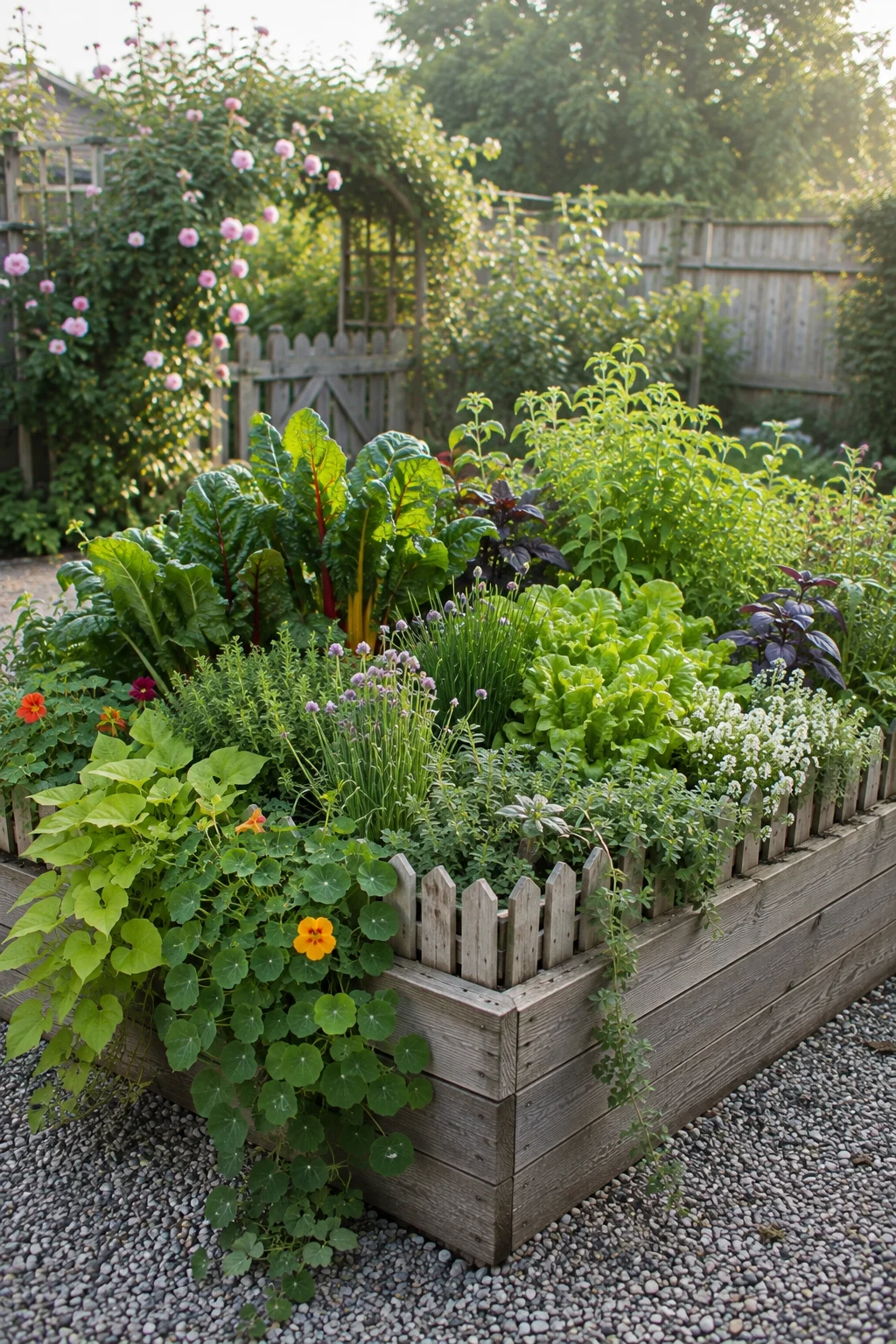
17. Cottage-Style Bed With Picket Edging
A timber raised bed finished with a low picket-style cap or trim along its top edge, paired with slightly informal, overflowing planting, suits a cottage garden’s relaxed character better than a plain unadorned box.
Practical Built-In Features
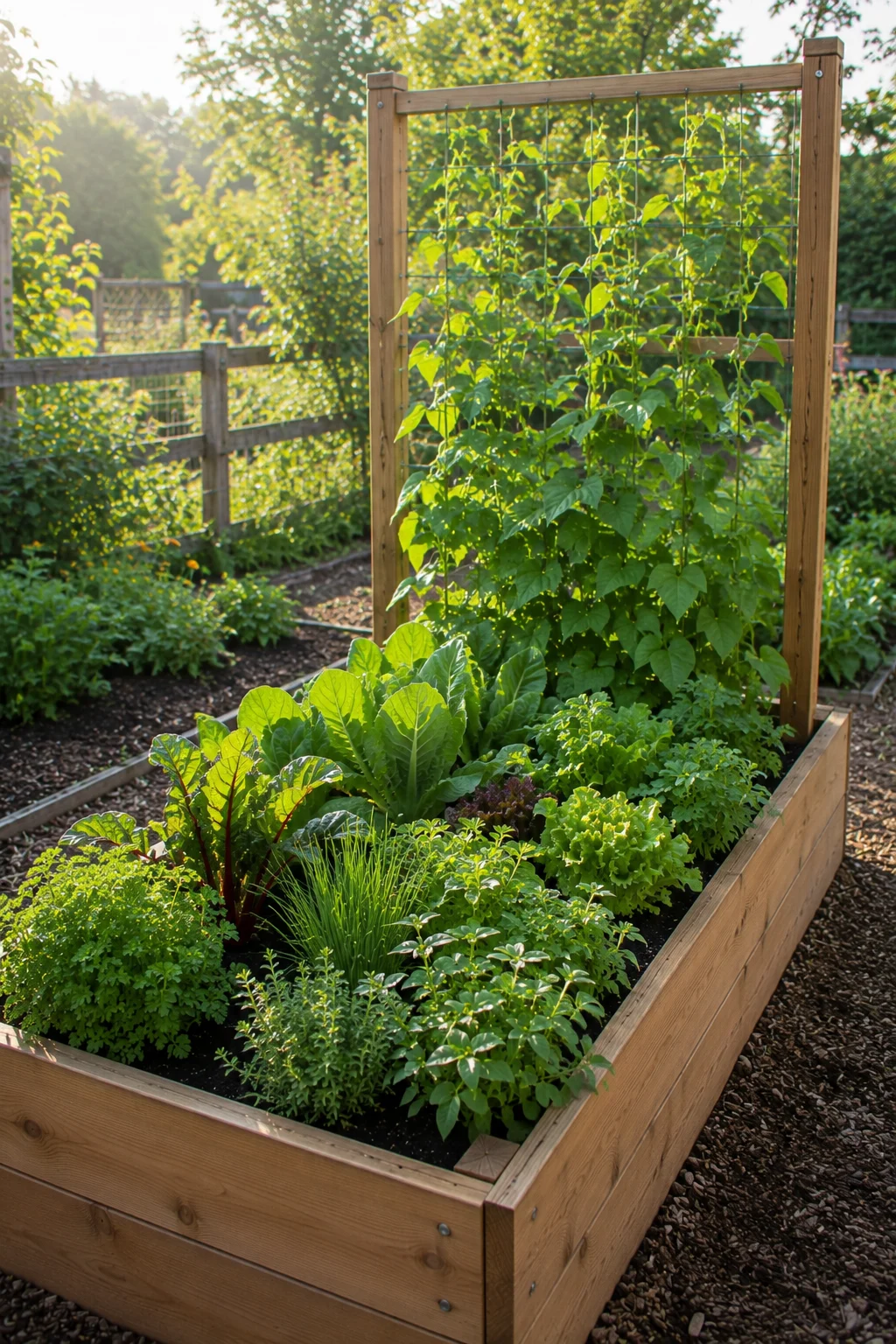
18. Bed With Integrated Trellis Support
Building a simple trellis frame directly into one end or side of a raised bed gives climbing vegetables like beans, peas, or cucumbers a support structure without needing a separate freestanding trellis taking up additional space.
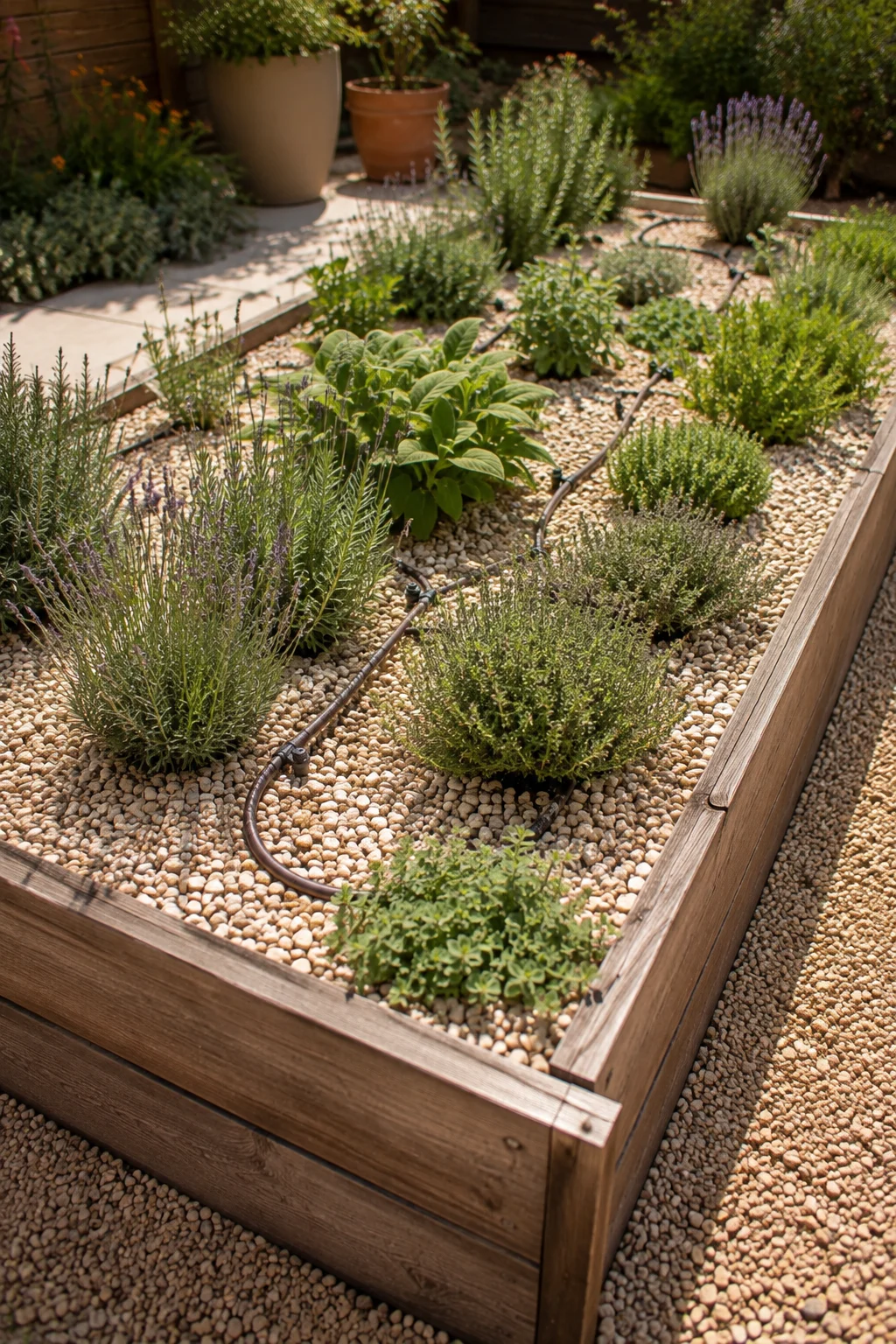
19. Bed With Drip Irrigation and Gravel Mulch Topping
Running a simple drip irrigation line beneath a gravel mulch topping, rather than bark mulch, keeps a raised bed consistently watered with minimal effort while suppressing weeds and giving drought-tolerant plantings a more authentic, sun-baked finish, an approach covered in more depth in our gravel garden ideas guide.
Getting the Basics Right Before You Build
Whatever design you choose, a few fundamentals apply across all 19 options: most vegetables need at least 12 inches of soil depth to develop properly, drainage holes or gaps at the base are essential regardless of material, and positioning beds to run north-south helps both sides get even sun exposure through the day. According to raised bed construction guidance published by Oregon State University Extension, matching bed width to a comfortable reach — no more than about 4 feet across for a bed accessible from both sides, or 2 feet for one accessible from a single side — is one of the most overlooked factors in raised bed design, since a bed too wide to reach across comfortably ends up requiring the gardener to step into the growing space regularly, compacting the soil it was built to protect (extension.oregonstate.edu).
Choosing the Right Design for Your Yard
Material cost and bed height are usually the two deciding factors — timber and concrete block suit most budgets and standard bed heights, while corten steel and waist-height accessible builds cost more but solve specific problems (a modern aesthetic, or physical accessibility) that a standard bed doesn’t address. For readers planning raised beds as part of a broader small-yard layout, our small garden ideas guide covers additional corner and vertical techniques that pair well with a raised bed’s footprint, and our garden on a budget guide covers material cost-saving strategies that apply directly to a raised bed build.
Final Thoughts
A raised bed is one of the highest-return structures a home garden can add, but the design decisions — material, shape, height, and how it’s actually built to be reached and maintained — determine whether it gets used easily for years or becomes an awkward, oversized planter nobody wants to weed. Match the material to your budget and aesthetic, size the bed to a reach you can comfortably maintain, and build in the small practical features — a trellis, a bench cap, proper drainage — that make the difference between a raised bed that works and one that just looks like it should.