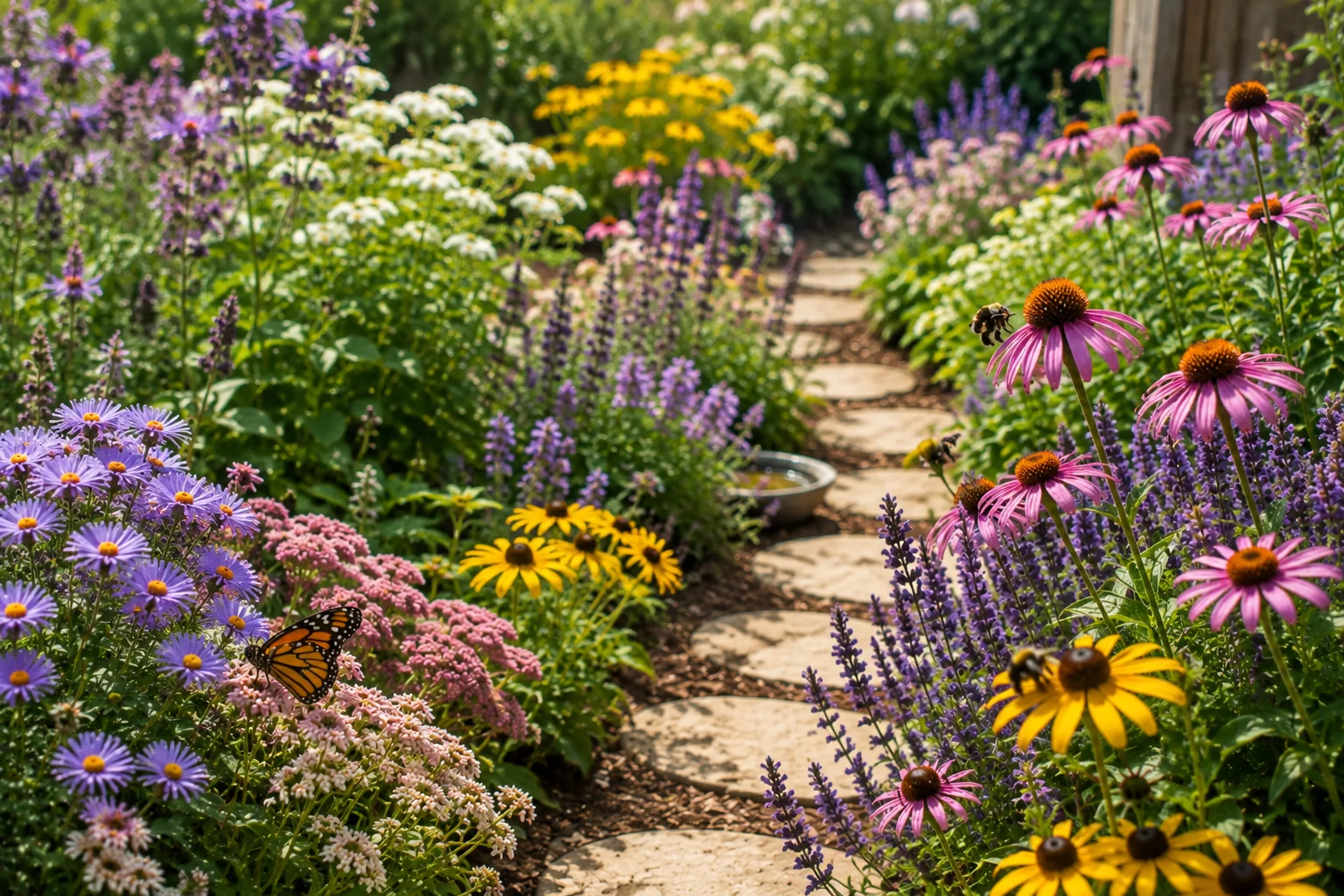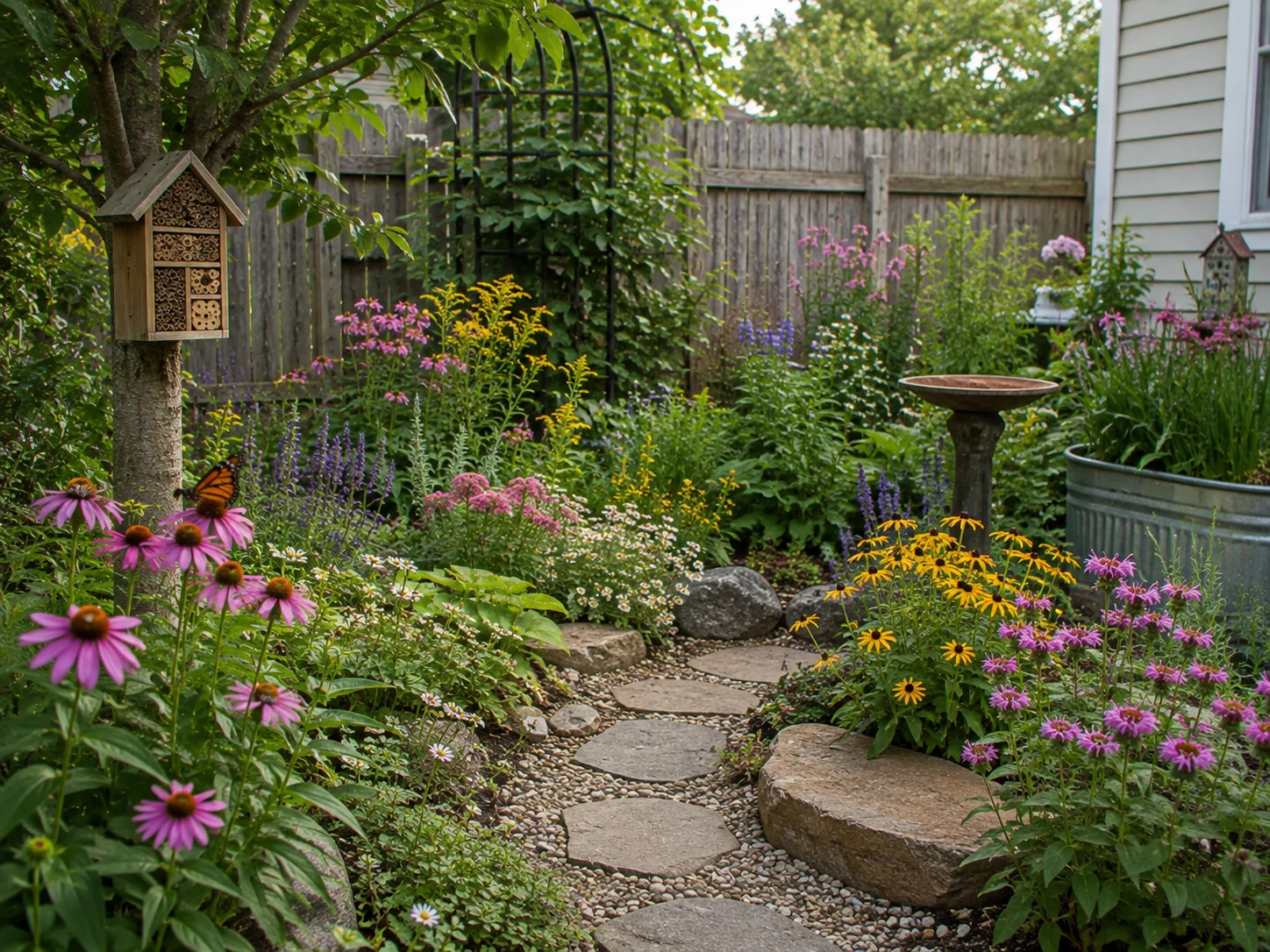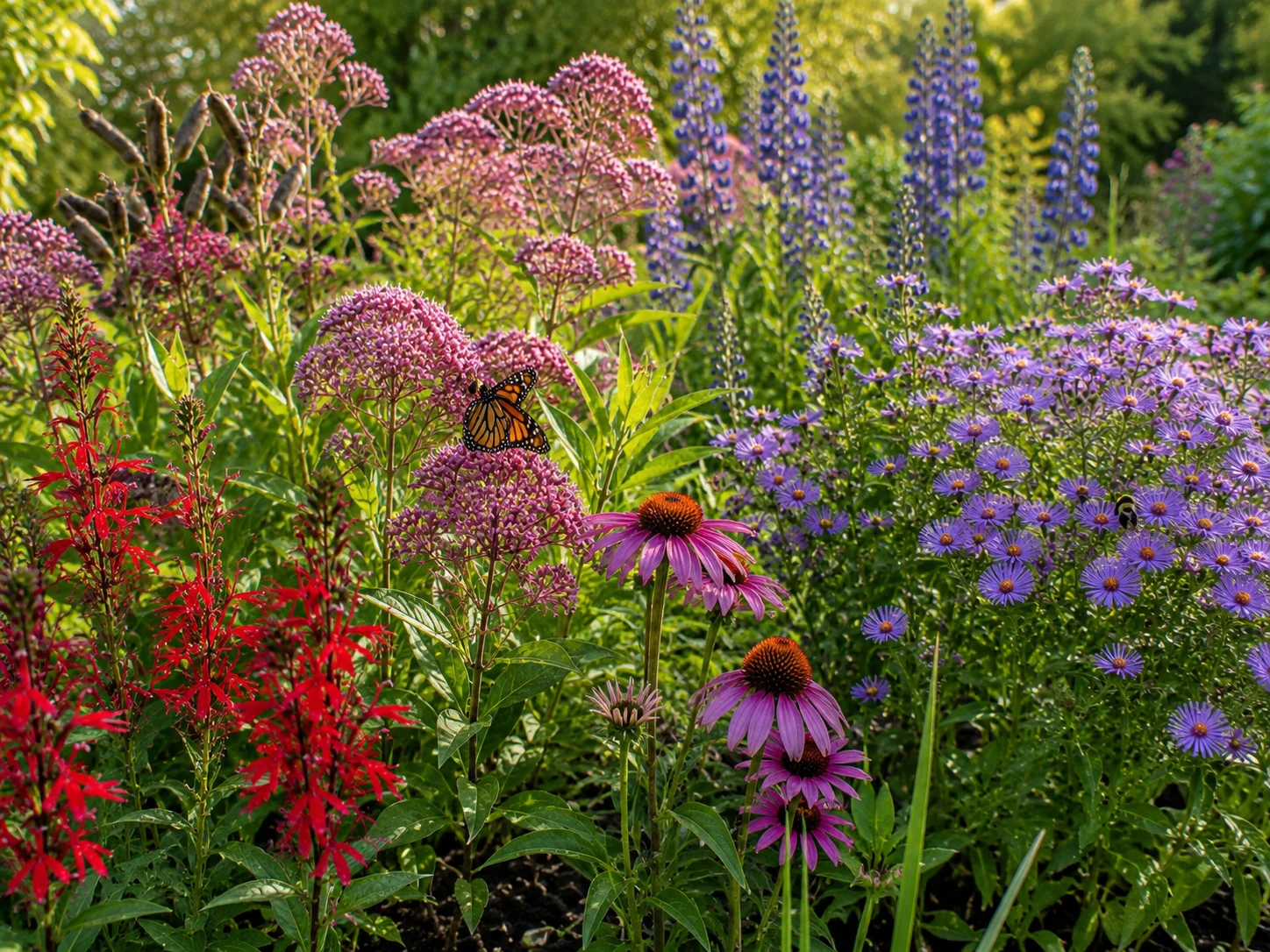

Creating a pollinator garden is one of the most rewarding projects a backyard gardener or beginner beekeeper can undertake. The idea is simple: plant some flowers, save the bees, and enjoy a yard filled with vibrant butterflies, hummingbirds, and beneficial insects.
However, good intentions do not always translate into good habitat. When transitioning from traditional landscaping to a wildlife-friendly approach, it is incredibly easy to make well-meaning errors that actually hinder the very creatures you are trying to help. From buying the wrong types of seeds to mistakenly destroying overwintering habitats, these early missteps can leave your garden devoid of life when your local pollinators need food the most.
Whether you are plotting out your very first garden bed or trying to figure out why your current flowers are not attracting any buzzing visitors, we have you covered. Here are the 10 most common pollinator garden mistakes beginners make—and exactly how you can fix them to build a thriving ecosystem.
1. Buying Random “Wildflower Seed Mixes”
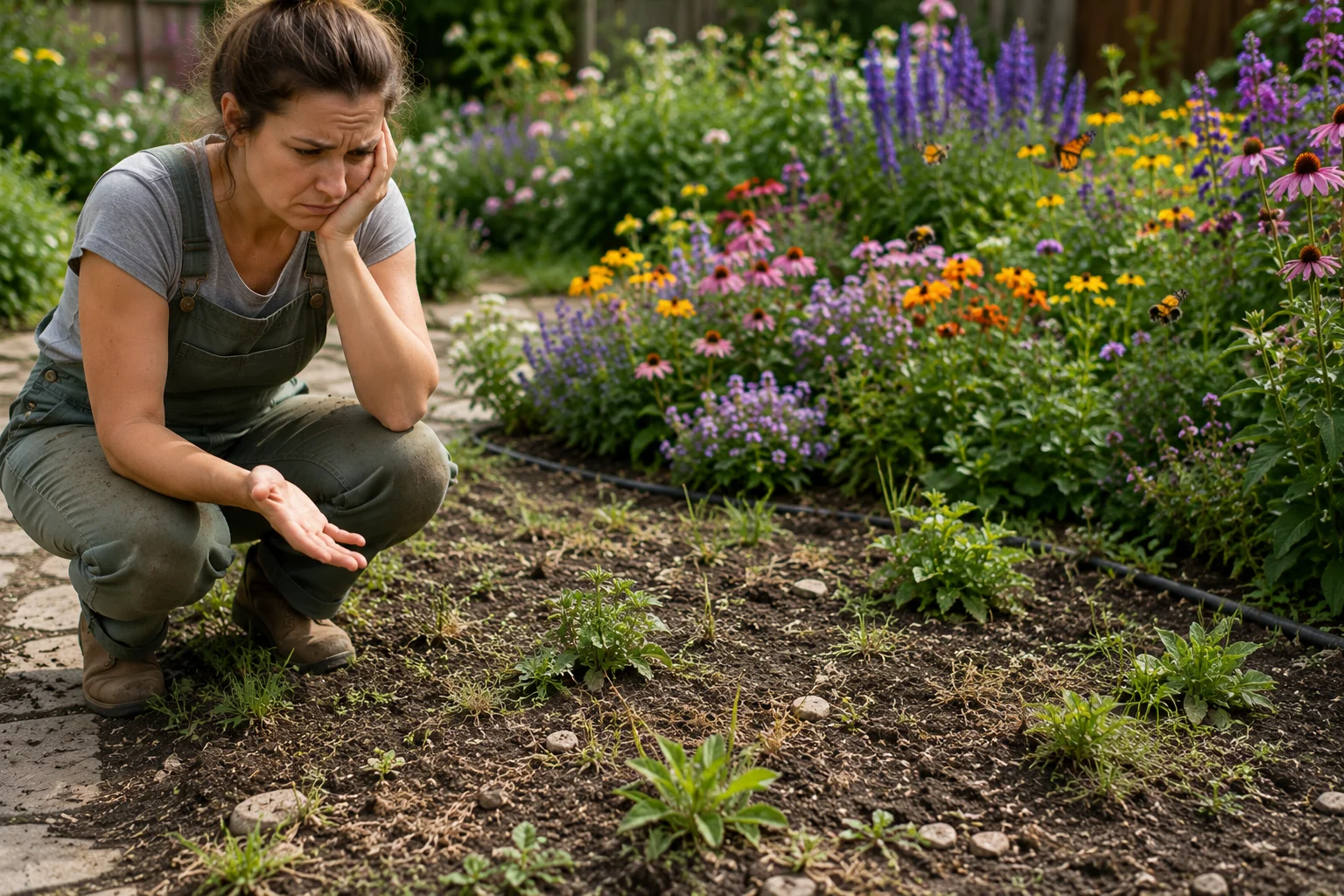
We have all seen them: the cheap, brightly colored boxes or bags of “Wildflower Meadow Mix” sold at big-box hardware stores. They promise a lush, low-maintenance paradise just by scattering seeds onto bare dirt.
The Fix: Avoid generic mixes. These bags often contain non-native species, aggressive agricultural weeds, and annuals that will bloom for one season and never return. Furthermore, native plants still require the right soil, sunlight, and moisture to actually establish and flower. Instead of scattering mystery seeds, purchase native plant plugs or specific, locally adapted seed packets to ensure your garden actually thrives.
2. Planting “One of Everything”
When visiting a nursery, beginners are often tempted to buy one of every beautiful flower they see. This results in a “polka-dot” garden with a massive variety of single plants scattered around the yard.
The Fix: Plant in groupings. Bees—especially honeybees—practice something called “floral constancy.” This means that on a single foraging trip, a bee prefers to visit only one type of flower to efficiently gather specific pollen and nectar. If you only have one single milkweed or one lone coneflower, it is barely worth the bee’s energy to stop. Aim to plant your flowers in bold clusters or drifts of at least three to five of the same species. If you feel overwhelmed by plant shopping, start with a backbone of just five reliable native plants.
3. Ignoring the “June Gap” and Late Autumn
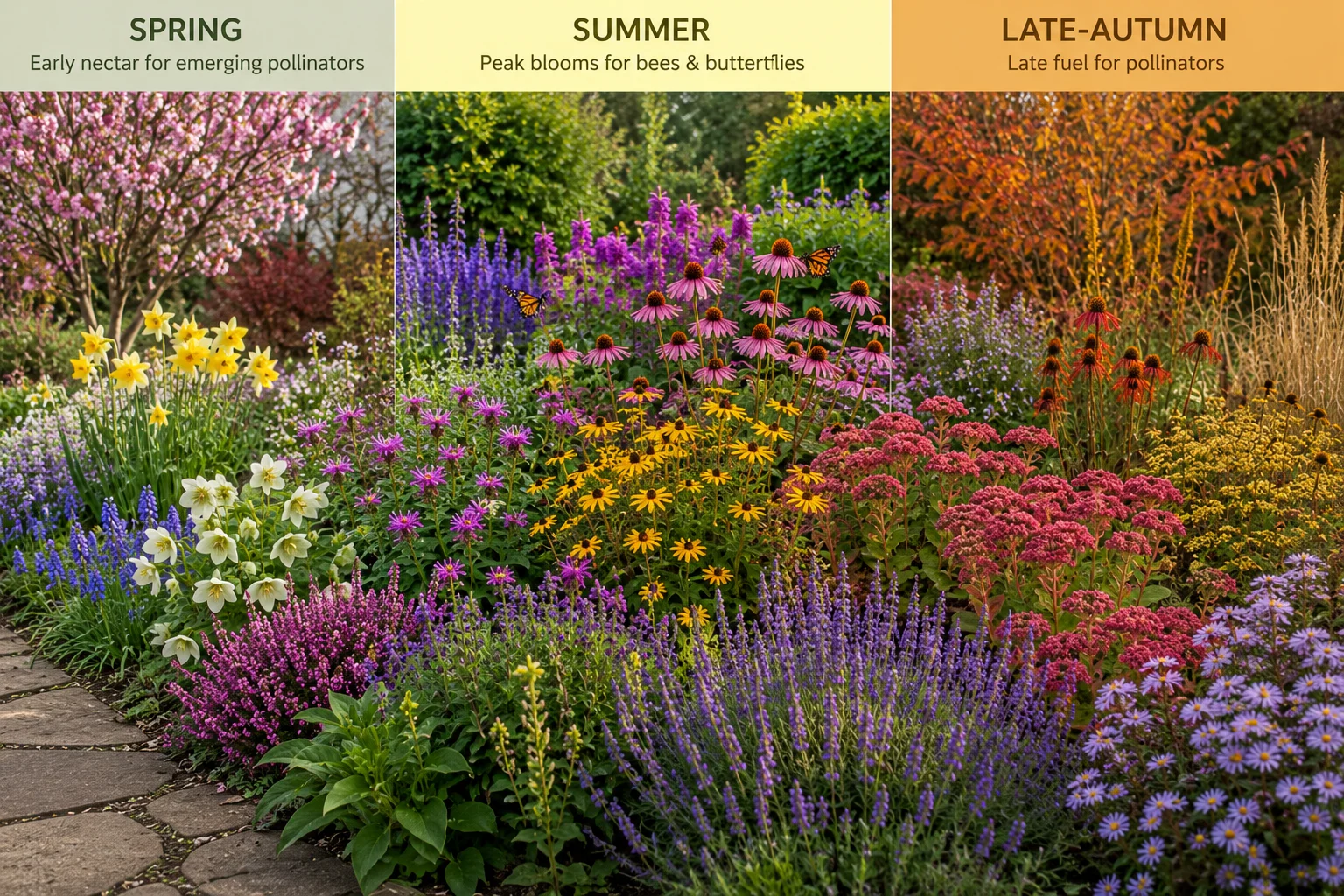
A classic beginner mistake is designing a garden that looks spectacular in May, but completely stops blooming by midsummer. This leaves your local pollinators starving during the hottest, most stressful parts of the year.
The Fix: Plan for a continuous bloom sequence from early spring through late fall. Research shows that managed beehives can experience intense food pressure when the summer nectar dearth hits and falling hive weights lead to robbing. To prevent this, ensure you are planting species like fast-growing borage for the summer gap and hardy creeping asters for late-season fall forage.
4. Choosing “Double-Bloom” Flowers
Horticulturalists have spent decades breeding incredibly intricate, visually stunning flowers. These are often labeled as “double blooms” or “pom-pom” varieties (think of tightly packed double roses, complex dahlias, or ruffled peonies).
The Fix: While they look beautiful to humans, double blooms are completely useless to pollinators. The extra petals are typically bred from the plant’s reproductive organs, meaning these flowers produce little to no pollen or nectar. Even if they do, the dense layers of petals block bees and butterflies from accessing the food. Always opt for “single” or open-faced flower varieties, such as open dahlias, native coneflowers, and simple sunflowers, where the central disc is exposed and easy to land on.
5. Cleaning Up the Garden Too Early in Fall
When autumn arrives, the traditional landscaping instinct is to aggressively cut down dead stems, rake up every fallen leaf, and clear the garden down to bare soil so it looks “tidy” for winter.
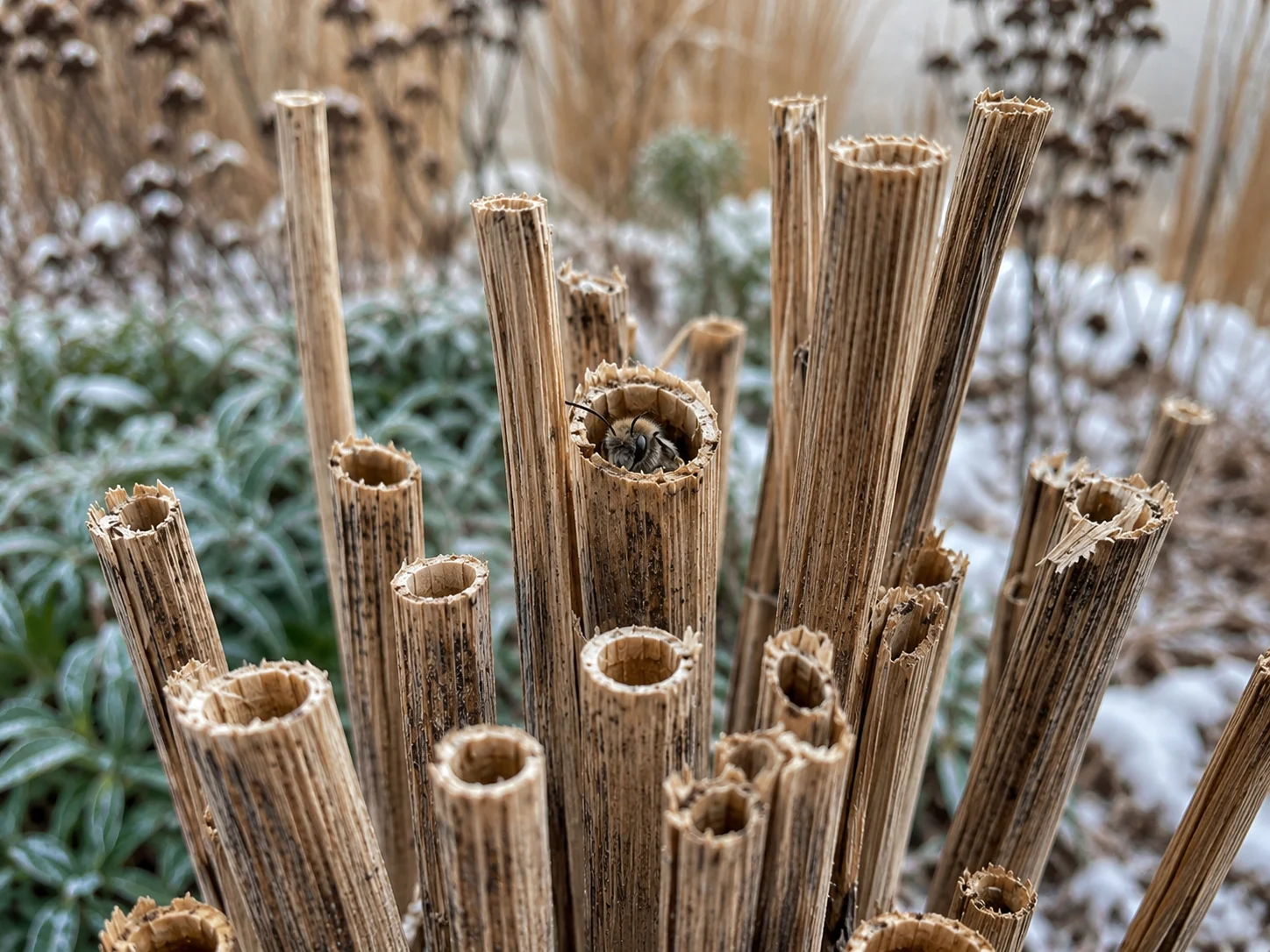
The Fix: This overly aggressive approach removes critical winter habitat for bees and beneficial insects. Many solitary bees, moth pupae, and beneficial beetles overwinter inside hollow plant stems or under insulating layers of dead leaves. You can still keep your yard looking intentional without making the mistake of stripping the garden bare. Leave your perennial stems standing until late spring, and push leaf litter into your garden beds rather than bagging it up for the landfill.
6. Neglecting to Provide a Safe Water Source
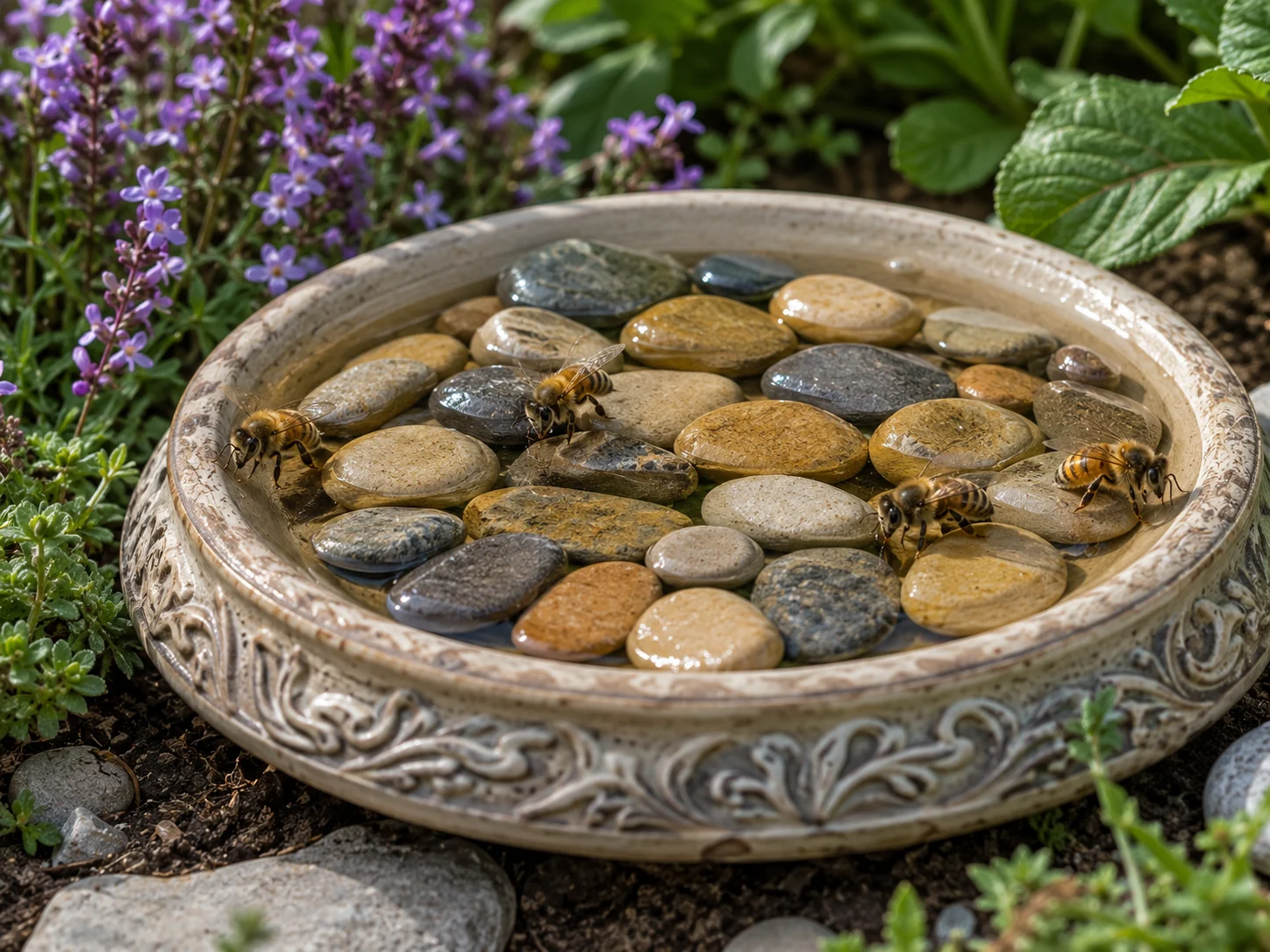
Pollinators need water just as much as they need nectar. Honeybees, in particular, use massive amounts of water during the summer to dilute stored honey and air-condition their hives through evaporative cooling. If you don’t provide water, they will find it—usually in your neighbor’s chlorinated swimming pool or a dangerous, deep birdbath where they might drown.
The Fix: Create a shallow, safe bee watering station. According to the Michigan State University Extension on pollinator habitats, you can easily build a safe drinking spot by filling a shallow ceramic dish or birdbath with flat river rocks or glass marbles. Add just enough fresh water so the rocks remain exposed, giving the bees a safe, dry landing pad to drink from without slipping in.
7. Using Pesticides (Even the “Organic” Ones)
It is a hard truth: you cannot have a pristine, bug-free yard and a healthy pollinator garden at the same time. Many beginners panic at the first sign of aphids or leaf damage and reach for a spray.
The Fix: Stop using broad-spectrum insecticides. Even organic options, like neem oil or insecticidal soaps, do not discriminate—they will kill a foraging bee or a monarch caterpillar just as quickly as they kill a pest. Instead, practice patience. If you tolerate a small number of aphids, natural predators like ladybugs, lacewings, and hoverflies will soon arrive to handle the problem for you. A garden with a few chewed leaves is a sign of a healthy, functioning ecosystem.
8. Over-Mulching and Using Landscape Fabric
As we discussed in previous guides, weed control is a major concern for beginners. The default solution is often to lay down synthetic landscape fabric covered by three inches of heavy wood mulch.
The Fix: Roughly 70% of solitary bee species nest directly underground. Landscape fabric and heavy mulch completely block these native bees from accessing the earth to build their nests. Instead of synthetic barriers, leave small, sunny patches of bare, well-draining soil undisturbed in your garden beds. Use natural, biodegradable mulches like shredded leaves or pine straw, and rely on densely planted ground covers to suppress weeds naturally.
9. Letting the Garden Turn Into an Unmanageable “Weed Patch”
On the opposite end of the spectrum, some beginners decide to stop maintaining their yard altogether in the name of “saving the bees,” allowing invasive weeds to completely take over the lawn and paths. This frustrates neighbors and violates local ordinances.
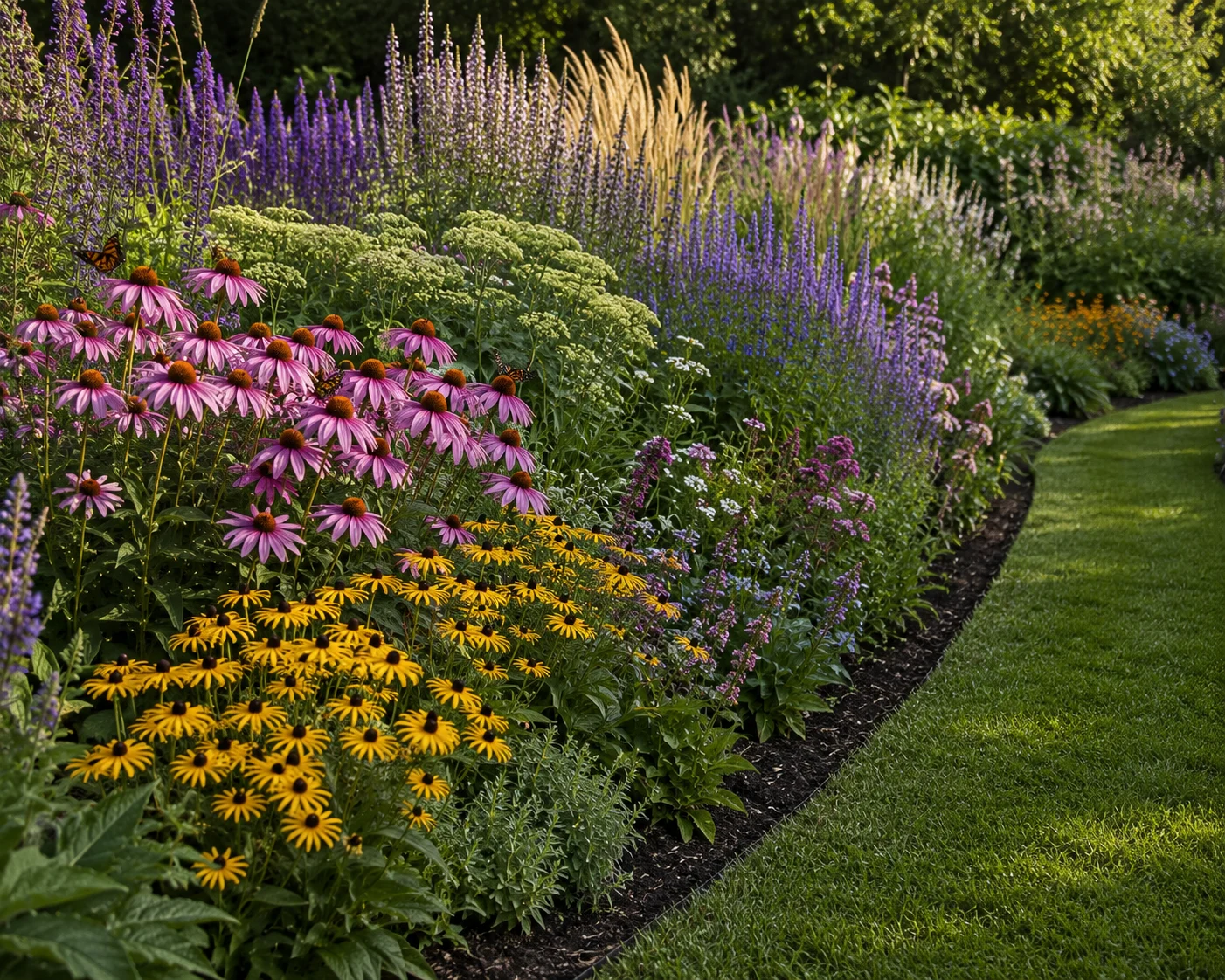
The Fix: A pollinator garden does not have to look messy. You can easily support wildlife while maintaining a crisp, organized aesthetic. Use clean, curved lawn edges to define your garden beds. If you are reducing your lawn, practice selective mowing to maintain clean walkways and intentional borders around your wildflower patches. Keeping a structured border communicates to your neighbors that your yard is an intentional habitat, not a neglected property.
10. Forgetting to Observe Before Planting
The biggest mistake beginners make is rushing to the garden center on the first warm day of spring, buying a cart full of plants, and digging holes without understanding their yard’s microclimates.
The Fix: Before you buy a single plant, spend time observing your yard. Track how the sun moves across your property during the day. Note which areas stay soggy after a rainstorm and which areas turn dry and baked. Understanding your specific soil type (clay, sand, or loam) and light conditions (full sun vs. part shade) will dictate exactly which native plants will thrive on your property, saving you money and frustration in the long run.
Conclusion
Building a successful pollinator garden is a journey of learning to work with nature rather than fighting against it. By avoiding these 10 common beginner mistakes, you are already miles ahead in creating a vibrant, life-sustaining sanctuary. Remember to plant in bold groups, ditch the harmful pesticides, embrace open-faced native flowers, and provide safe water sources. It won’t take long for the bees, butterflies, and hummingbirds to find your yard and thank you for your hard work.