
A well-designed garden path is much more than just a practical route from your back door to your vegetable beds. It is the architectural spine of your landscape, guiding the eye, separating garden zones, and providing a clean walkway during wet weather. However, when modern landscaping prioritizes sterile, zero-maintenance weed control, we often inadvertently destroy some of the most critical habitats in our yards.
Many gardeners focus entirely on the colorful flowers they plant, completely forgetting that the hardscaping materials they choose can either support or devastate local pollinator populations. Butterflies, moths, beneficial beetles, and other vital insects rely heavily on the ground beneath those flowers for shelter, moisture, and overwintering.
Creating a stunning, functional walkway does not require paving over nature. By making smart, ecologically sound material choices, you can build durable pathways that handle heavy foot traffic while actively supporting the life cycle of the wildlife in your garden. This guide will show you exactly how to strike that perfect balance between human utility and pollinator conservation.
The Ground-Level Ecosystem: Why the Soil Matters to Pollinators
To understand why garden paths matter so much, we first have to look at how pollinators actually live when they are not actively flying from flower to flower. While blossoms provide nectar and pollen, the earth itself provides shelter and water.
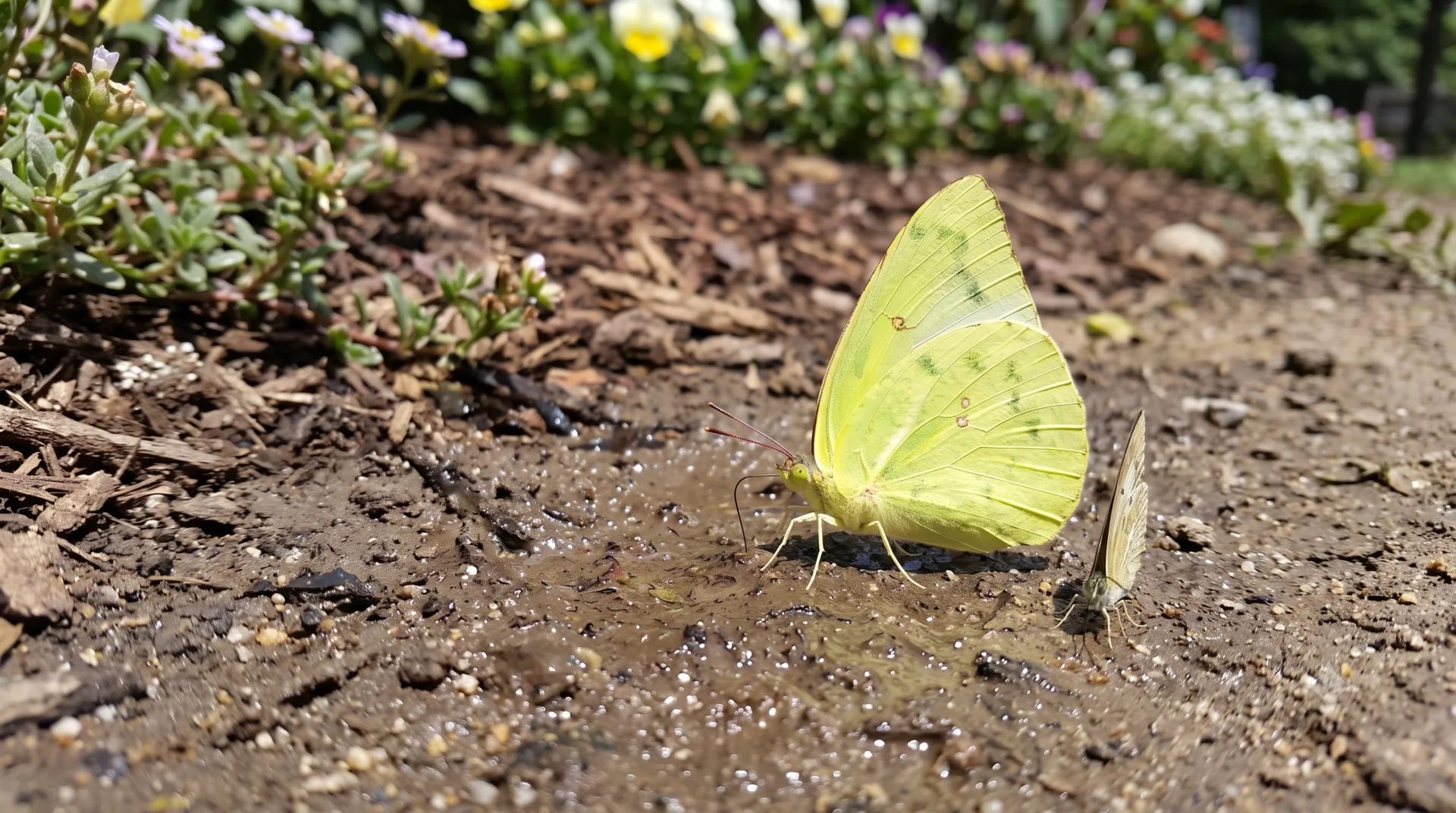
- Puddling Butterflies: Many butterfly species require damp, bare patches of soil to engage in a behavior known as “puddling.” They land on the mud to drink water and extract essential minerals and salts that are missing from flower nectar.
- Pupating Moths and Caterpillars: A significant number of moth and butterfly caterpillars drop from their host plants when they are fully grown, burrowing slightly into the loose soil or hiding under leaf litter to spin their cocoons and safely pupate.
- Beneficial Predators: Ground beetles, firefly larvae, and hoverflies—which are essential for naturally controlling aphids and garden pests—live and hunt in the soft, slightly moist earth and organic matter at the base of your plants.
When we seal off the earth with impenetrable materials, we cut off access to these vital life-cycle stages, severely limiting the biodiversity of our yards.
The Worst Path Materials for a Pollinator Garden (And Why to Avoid Them)
If you are trying to cultivate a thriving, wildlife-friendly backyard, several common landscaping trends should be entirely avoided.
1. Landscape Fabric and Weed Barriers
This is perhaps the most destructive landscaping material you can use in a natural garden. While synthetic landscape fabric temporarily suppresses weeds, it essentially suffocates the soil. It completely blocks insects from accessing the earth, disrupts the natural decay of organic matter, and eventually breaks down into microplastics. Furthermore, weeds simply grow on top of the fabric once a thin layer of wind-blown dirt and organic debris accumulates, making the fabric both harmful and ineffective.
2. Solid Concrete and Asphalt Paving
Pouring a solid slab of concrete or asphalt creates an impermeable surface. Not only does this permanently destroy any potential habitat beneath it, but it also causes severe water runoff issues. Rainwater rushes off the path rather than slowly soaking into the ground, often leading to rapid erosion in your adjacent flower beds and depriving the surrounding soil of natural moisture.
3. Chemical Weed Management
Keeping a pristine, sterile path often involves the frequent use of broad-spectrum herbicides. These chemicals not only kill the weeds but can drastically alter the soil microbiome, harm beneficial insects on contact, and potentially drift onto the flowers your local pollinators are actively visiting.
4 Beautiful, Eco-Friendly Path Materials
You can still have a highly structured, beautiful path without sealing off the earth. Here are four excellent, permeable materials that accommodate both human foot traffic and delicate habitats.
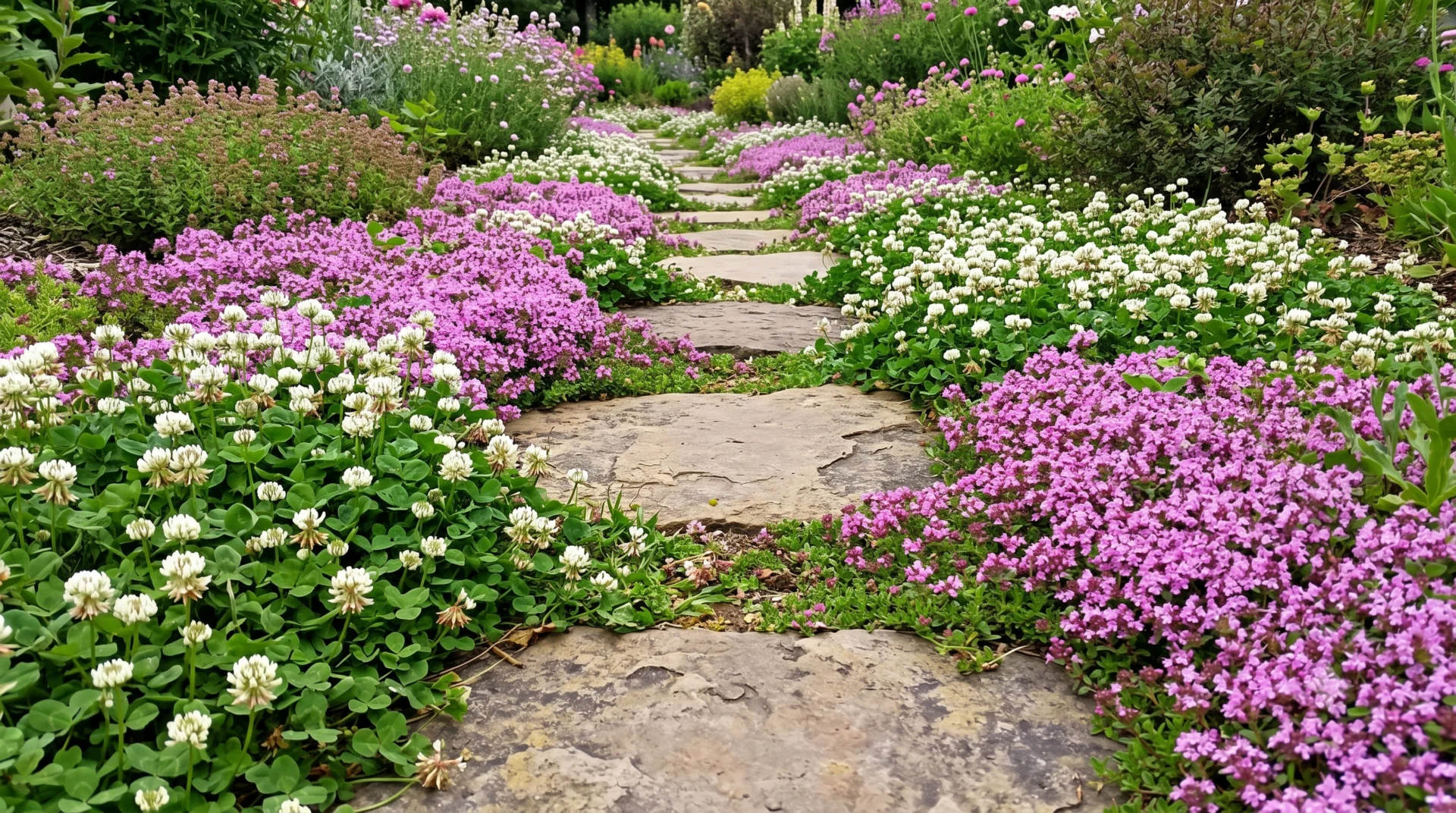
1. Stepping Stones with Organic Mulch
This is one of the most versatile and attractive options for a pollinator garden. By placing large, flat flagstones or heavy wooden rounds at a comfortable walking stride, you provide a solid footing for rainy days.
- How it works: The spaces between the stones can be filled with a light layer of natural pine straw, shredded leaves, or creeping ground covers.
- The benefit: This allows rain to permeate the soil naturally and gives beneficial insects the opportunity to seek shelter near the warm, sun-baked edges of the stones.
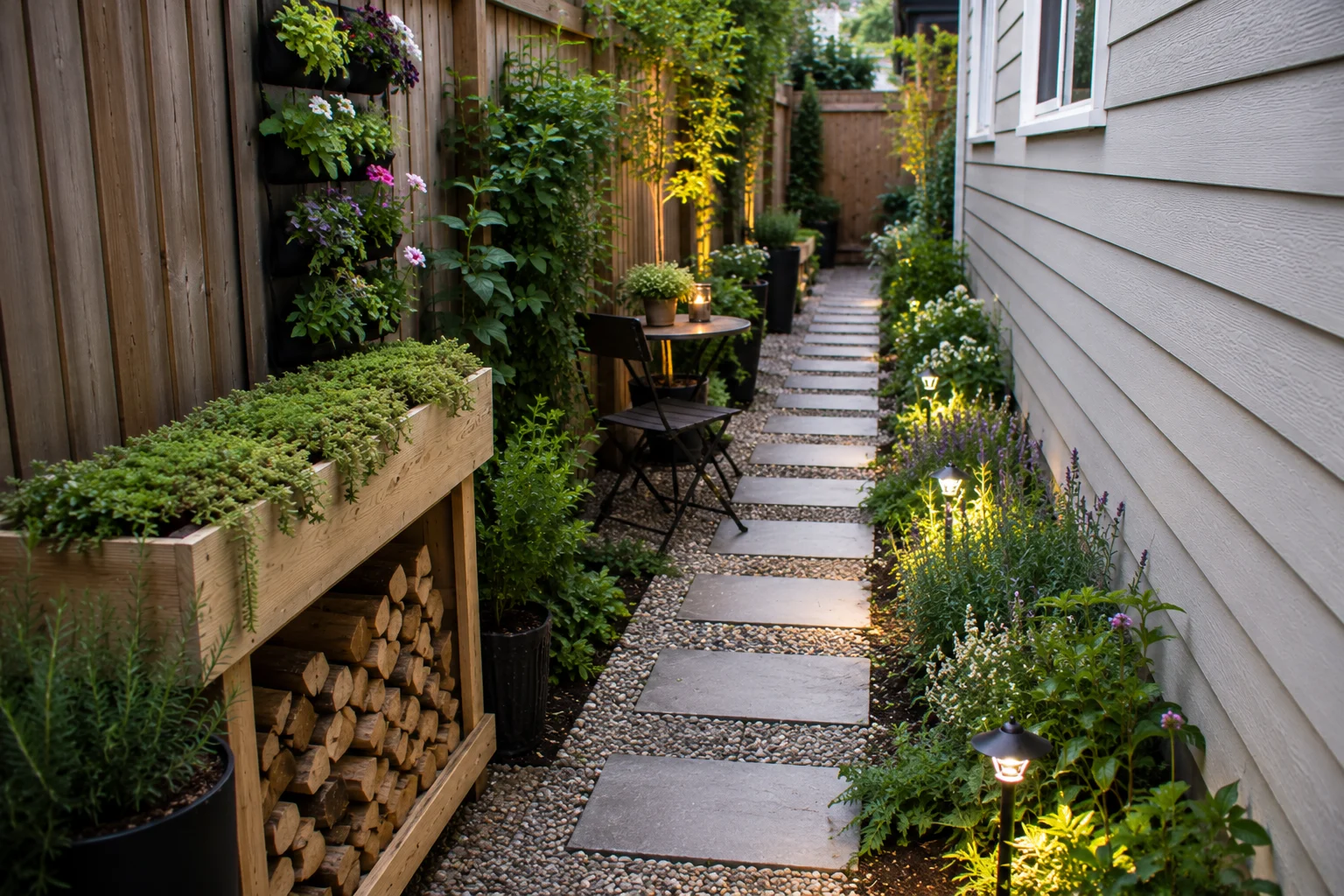
2. Permeable Crushed Stone and Pea Gravel
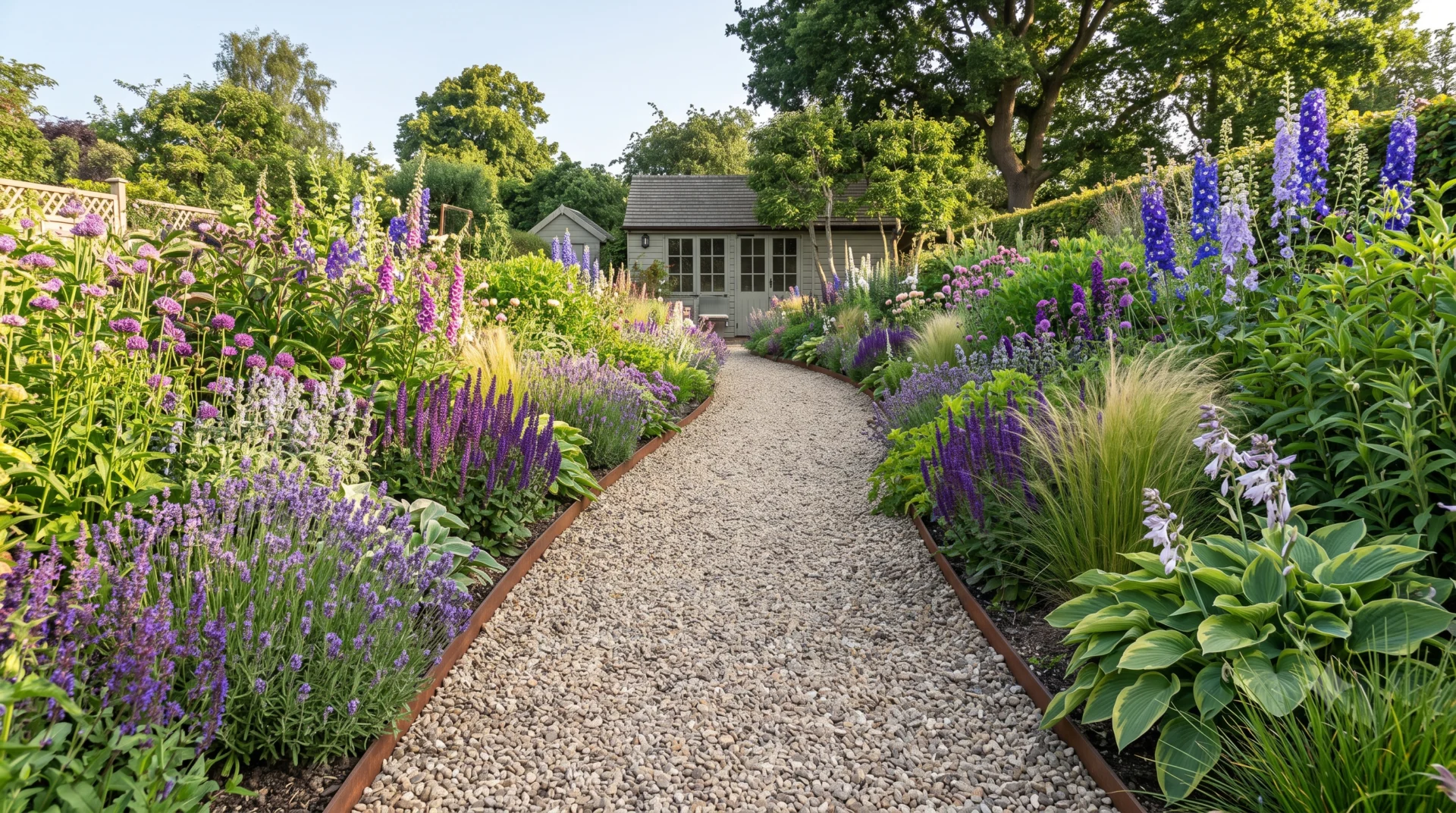
If you need a continuous, solid path for rolling a wheelbarrow, crushed stone or pea gravel is an excellent choice.
- How it works: Instead of using a synthetic weed barrier underneath, lay down overlapping sheets of plain, uncoated cardboard before adding the gravel. The cardboard will suppress grass and weeds long enough for the path to settle, and it will eventually decompose entirely into the soil.
- The benefit: According to the University of Maryland Extension on permeable hardscaping, gravel allows for excellent water drainage, filtering runoff before it hits the water table. Additionally, many small insects are perfectly capable of navigating between fine gravel pieces to reach the soil below.
3. The Forest Floor Approach (Wood Chips)
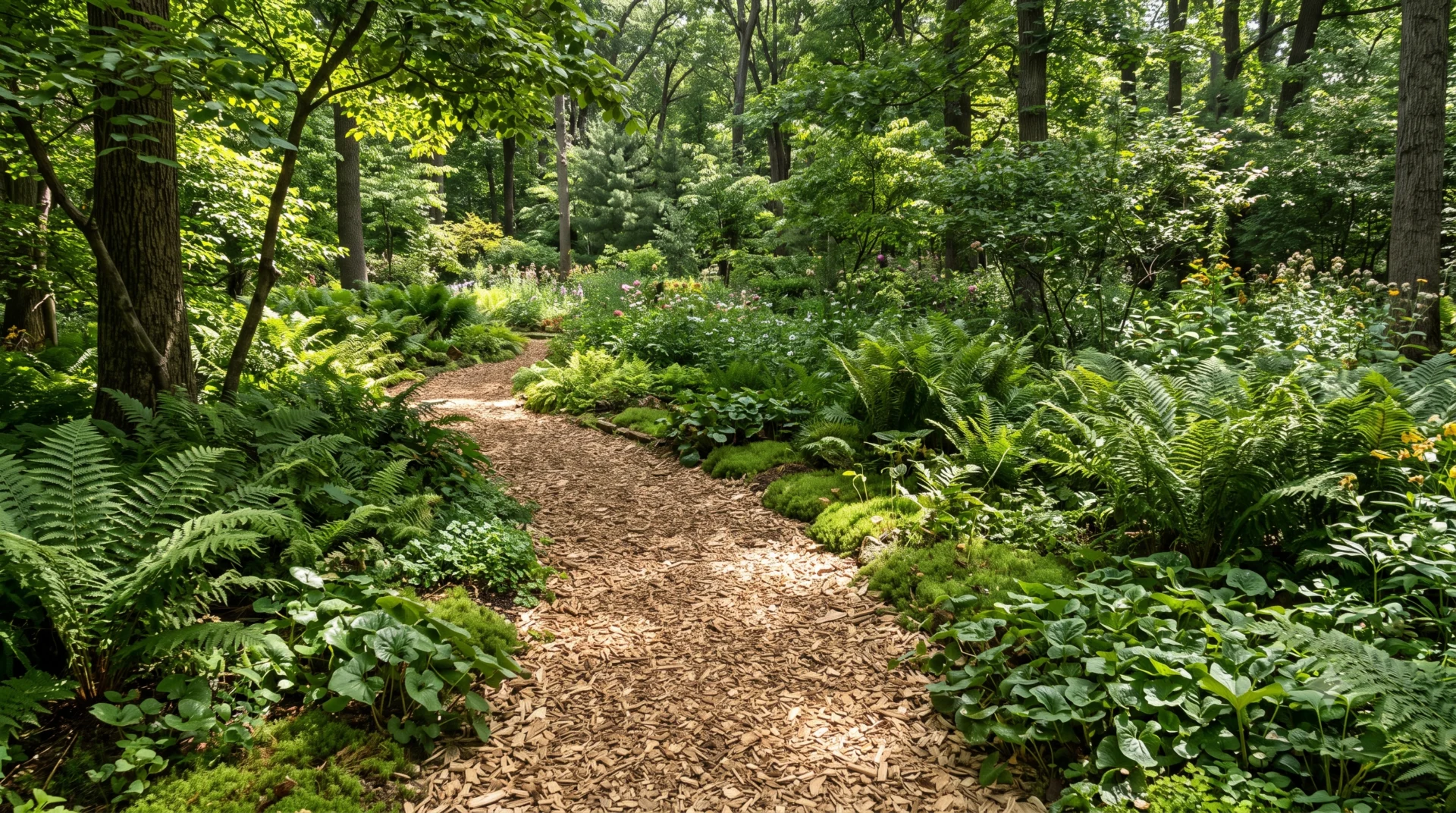
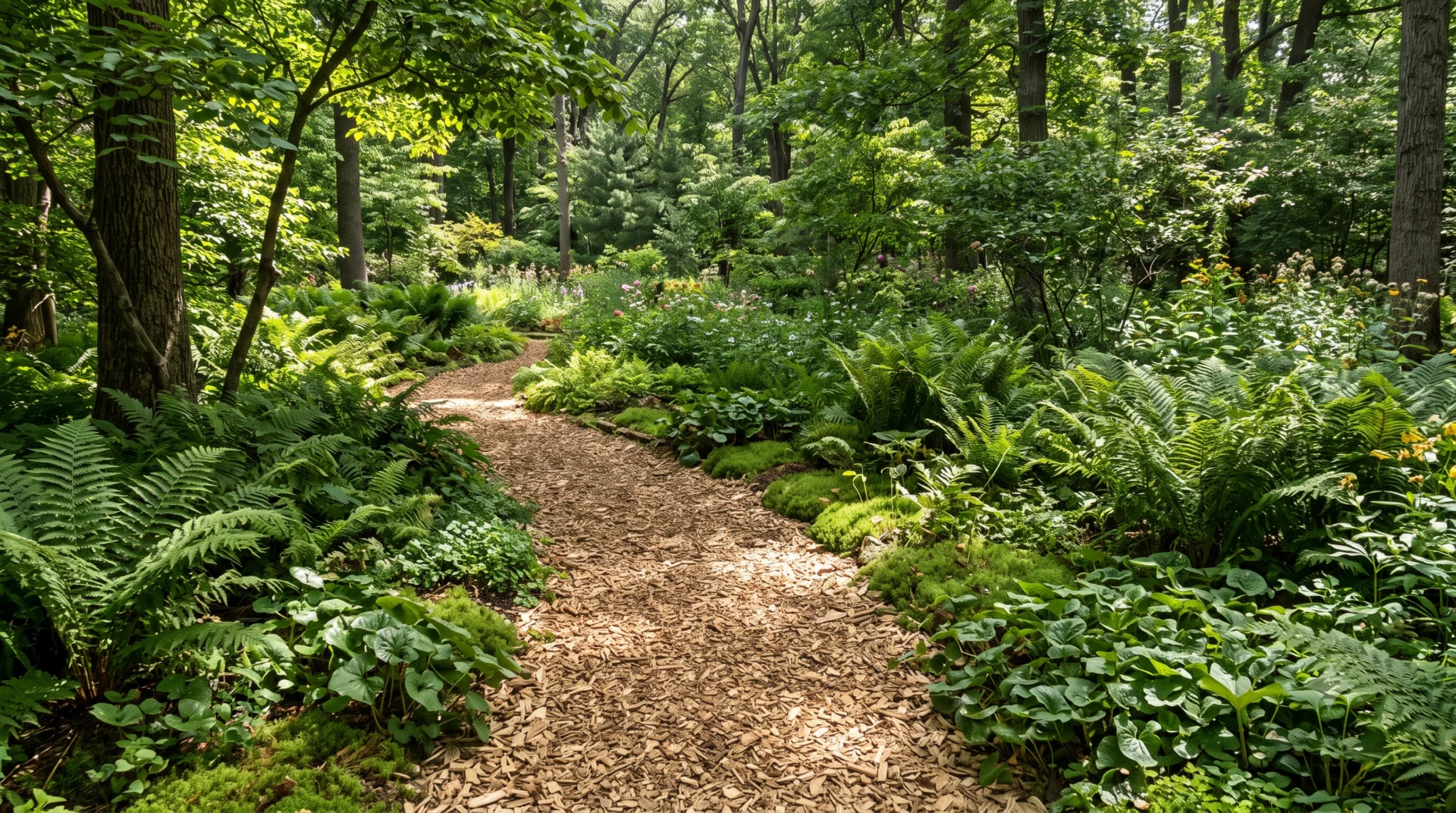
For a soft, natural look, deep wood chips are highly effective, especially in shaded or woodland-style gardens.
- How it works: Reach out to local tree service companies; many will drop off fresh wood chips for free. Lay them down thickly over a layer of cardboard.
- The benefit: As the wood chips slowly break down, they invite beneficial fungi into the garden. They mimic the natural forest floor, creating a perfect humid microclimate for overwintering caterpillars, firefly larvae, and predatory ground beetles.
4. Eco-Turf and Living Paths
If you prefer a green path, consider abandoning traditional, heavily manicured turf grass.
- How it works: You can seed your pathways with resilient, low-growing plants like creeping thyme, self-heal, and native violets.
- The benefit: This approach provides a durable walking surface that also doubles as a secondary food source. This strategy is highly effective when turning temporary no-mow areas into permanent habitat, ensuring your walkways remain neat and accessible while still offering vital ecological value.
How to Design Your Path to Maximize Habitat
The layout of your path is just as important as the materials you use. When planning the route through your garden, keep these design principles in mind:
- Curve the Edges: Straight, rigid lines belong in formal, sterile landscapes. By curving your paths, you create microclimates. The inside of a curve might hold more moisture for puddling butterflies, while the outside might catch more morning sun for cold-blooded insects to warm up.
- Layer the Borders: A path shouldn’t just abruptly end at a flat lawn. By building a boundary with several vertical layers alongside your walkways, you provide immediate vertical shelter for insects frightened by human foot traffic.
- Leave Intentional Bare Spots: To truly cater to the ecosystem, intentionally leave a few small, 1-foot square patches of bare, well-drained soil entirely un-mulched along the sunniest edges of your new path.
Maintaining Your Eco-Friendly Walkways
The reality of a permeable, eco-friendly path is that it will require slightly more active maintenance than a poured concrete slab. Seeds will blow in on the wind, and weeds will occasionally sprout in the gravel or wood chips.
Instead of reaching for a chemical spray, use a simple oscillating stirrup hoe to quickly decapitate weeds just below the surface of the gravel. You can also use a horticultural vinegar solution on hot, sunny days to spot-treat stubborn weeds without poisoning the soil or harming local wildlife.
Furthermore, how you manage your paths at the end of the season matters just as much as how you build them. The Xerces Society highly recommends leaving leaf litter to protect overwintering insects. When preparing for winter, it is tempting to sweep, rake, and cut back everything to achieve a sterile look. However, learning the correct method for clearing your garden without removing vital winter habitat will keep your yard looking beautifully managed without destroying the creatures sleeping beneath the surface.
Conclusion
Your garden paths do not have to be ecological dead zones. By ditching the heavy landscape fabric, avoiding impermeable concrete, and embracing natural materials like stepping stones, gravel, and organic wood chips, you can build a stunning, highly functional landscape. These conscious design choices will keep your garden accessible and tidy, all while providing safe, hidden sanctuaries for the butterflies, moths, and beneficial insects that bring your backyard to life.