
Containers solve a problem almost every garden runs into somewhere: a patio with no soil to plant into, a rental property where permanent beds aren’t an option, or simply a spot that needs a focal point more than a full border. What separates a genuinely beautiful container arrangement from a random collection of pots is usually just a handful of repeatable principles — material consistency, a clear design formula, and plant choices matched to the season and the container’s actual growing conditions.
This list covers 35 container garden ideas across six categories — container types and materials, design formulas, style-specific combinations, placement and arrangement, seasonal plant choices, and practical maintenance features — each with a realistic visual and enough detail to actually plant.
Container Types and Materials
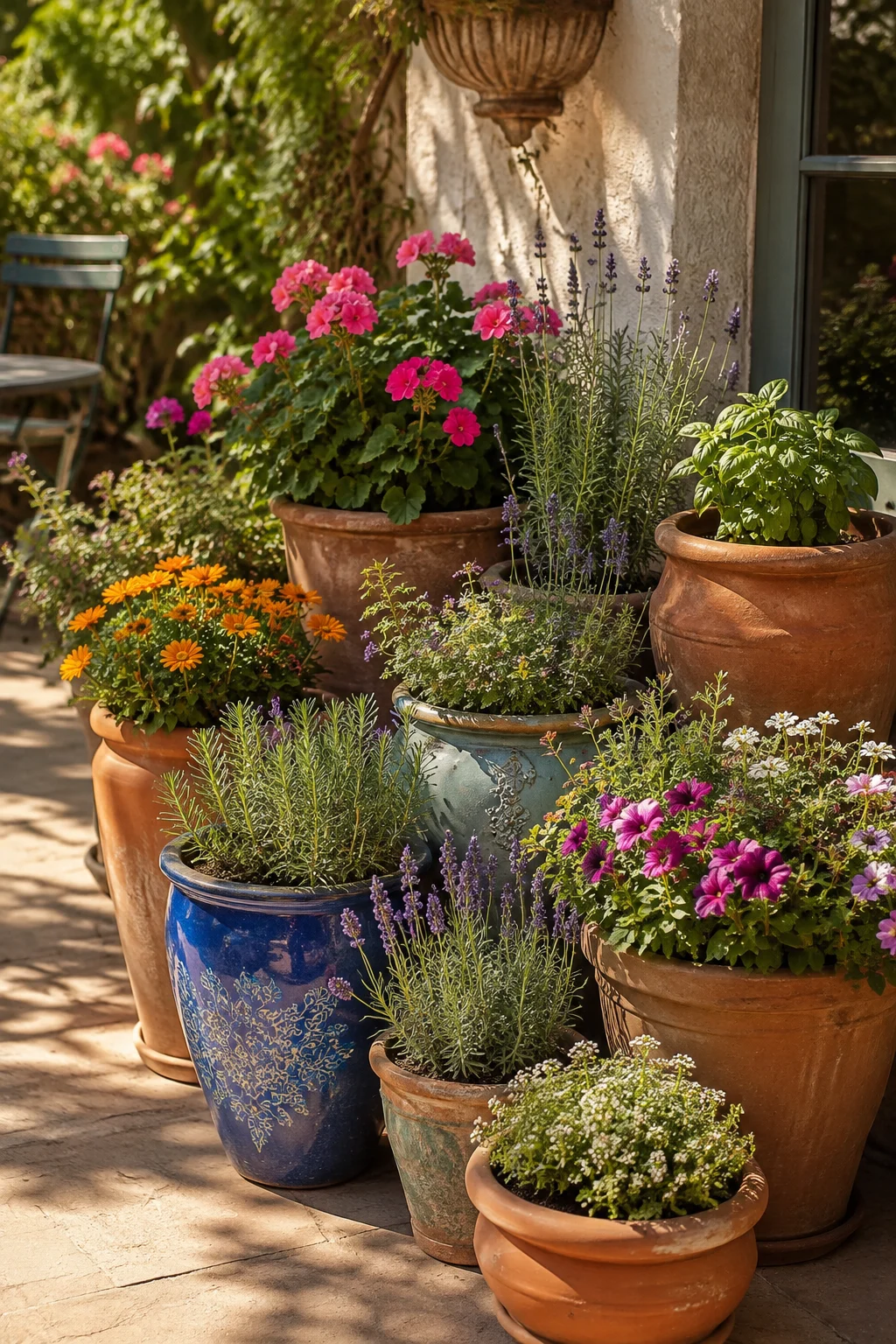
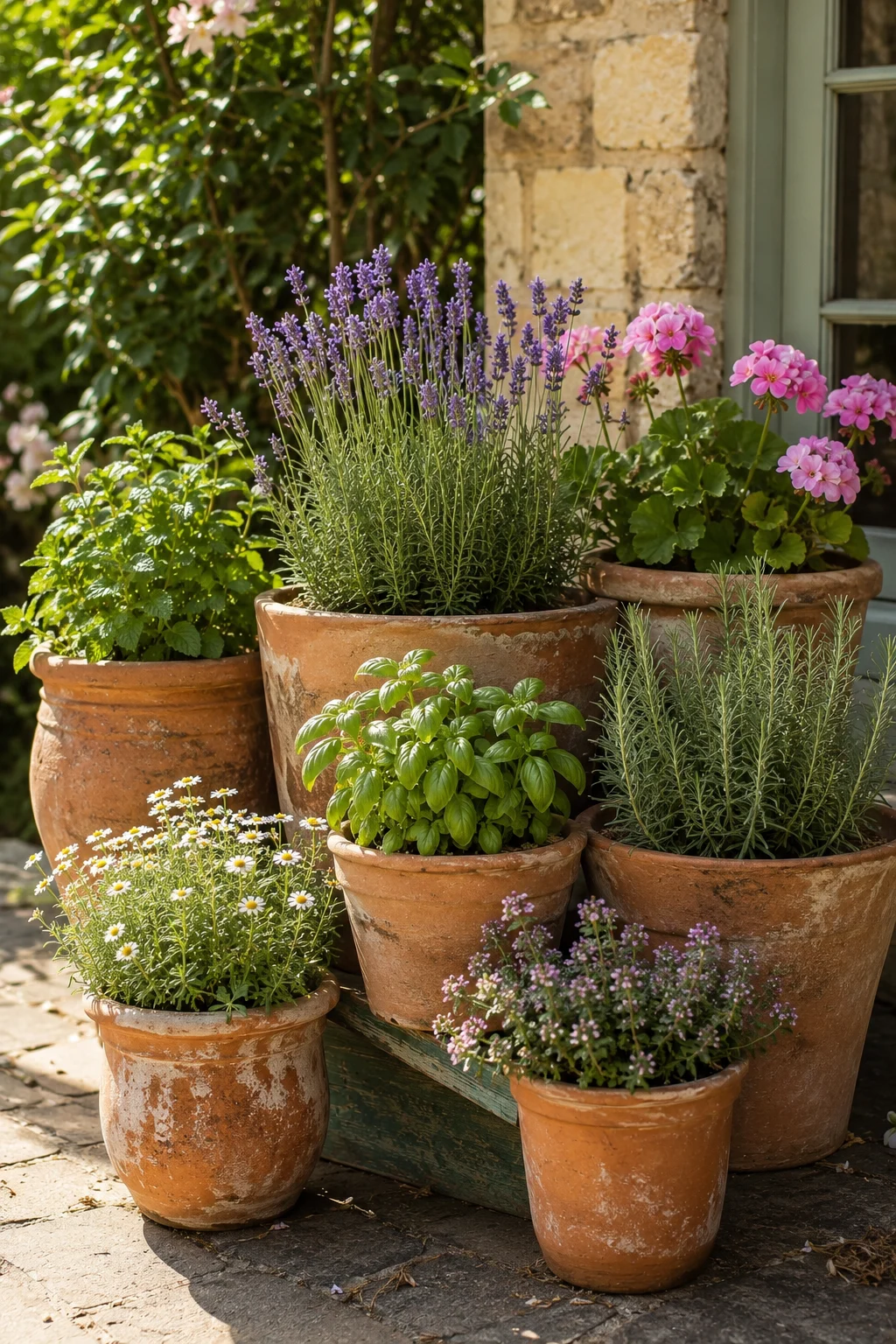
1. Classic Terracotta Pots
Terracotta remains the most versatile container material available, aging gracefully with natural mineral staining over time and suiting nearly every garden style from Mediterranean to cottage.
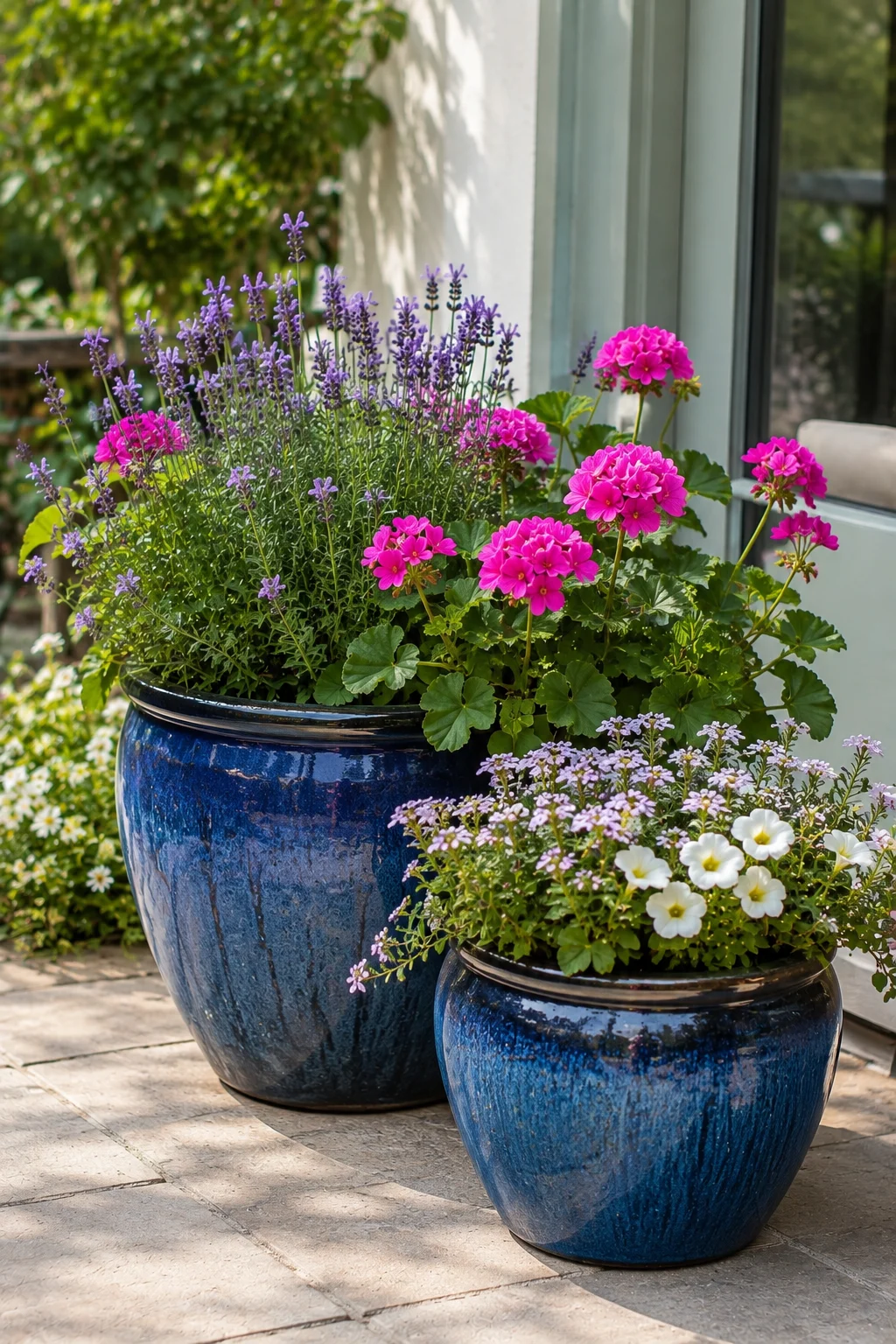
2. Glazed Ceramic Pots
Glazed ceramic containers hold moisture better than unglazed terracotta and come in a much wider range of colors, making them a strong choice for a bold accent piece or a coordinated color-themed grouping.
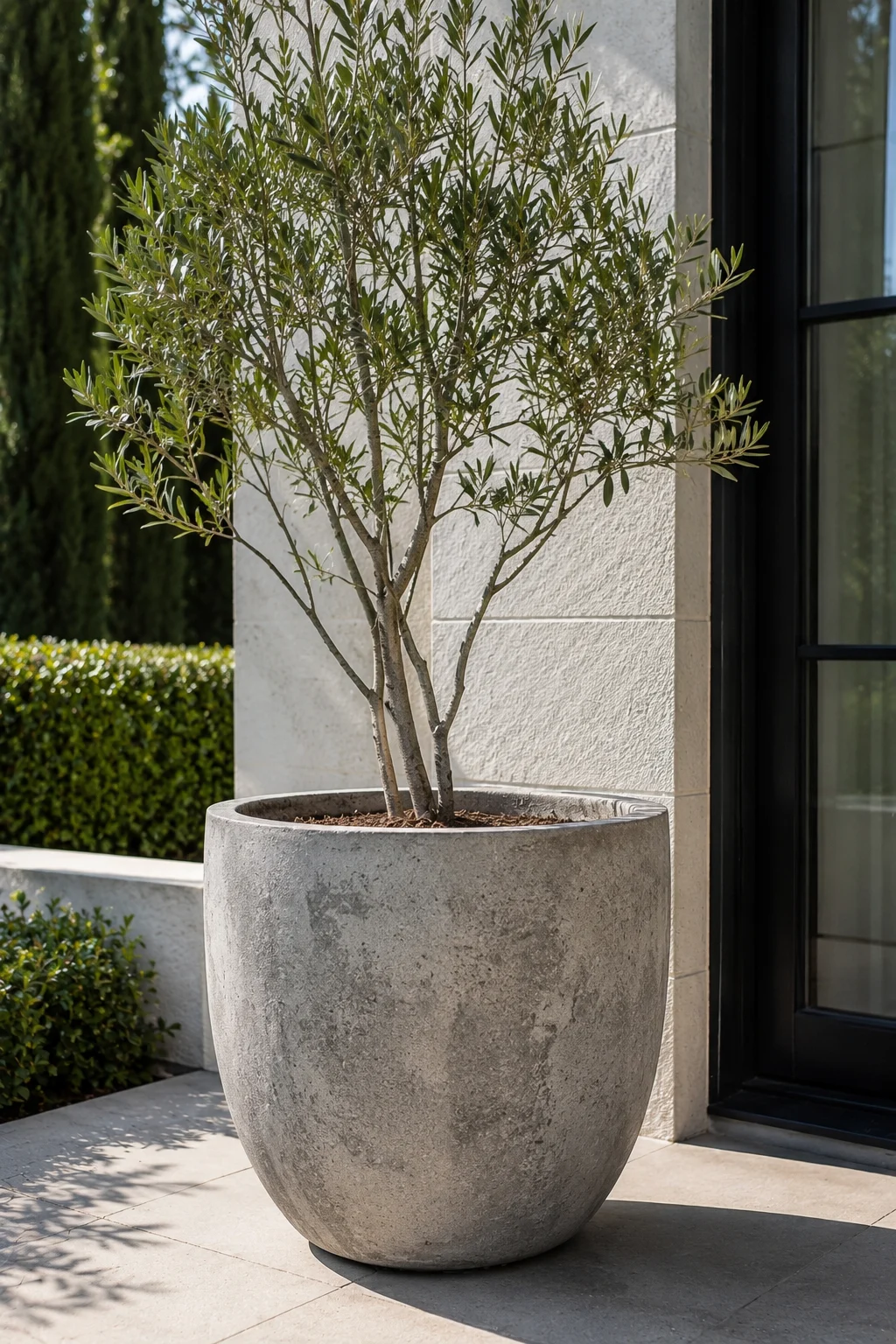
3. Lightweight Fiberglass Planters
Fiberglass planters finished to look like stone or concrete weigh a fraction of the genuine material, making them the practical choice for balconies, rooftops, or anywhere weight limits matter.
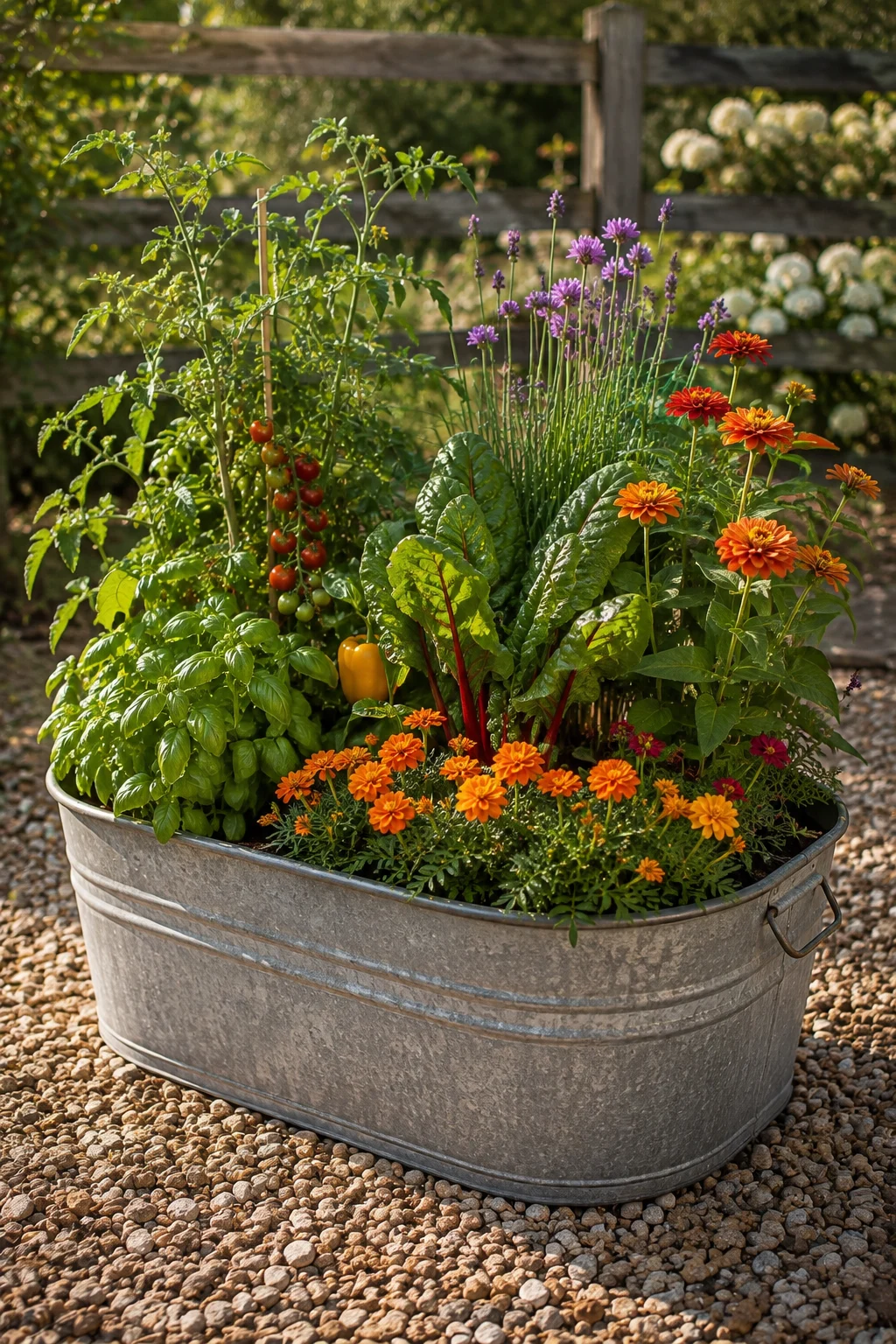
4. Galvanized Metal Tubs
Galvanized steel tubs or troughs bring a distinct farmhouse texture to a container garden and drain well once holes are added to the base, working especially well for a mixed vegetable and flower planting.
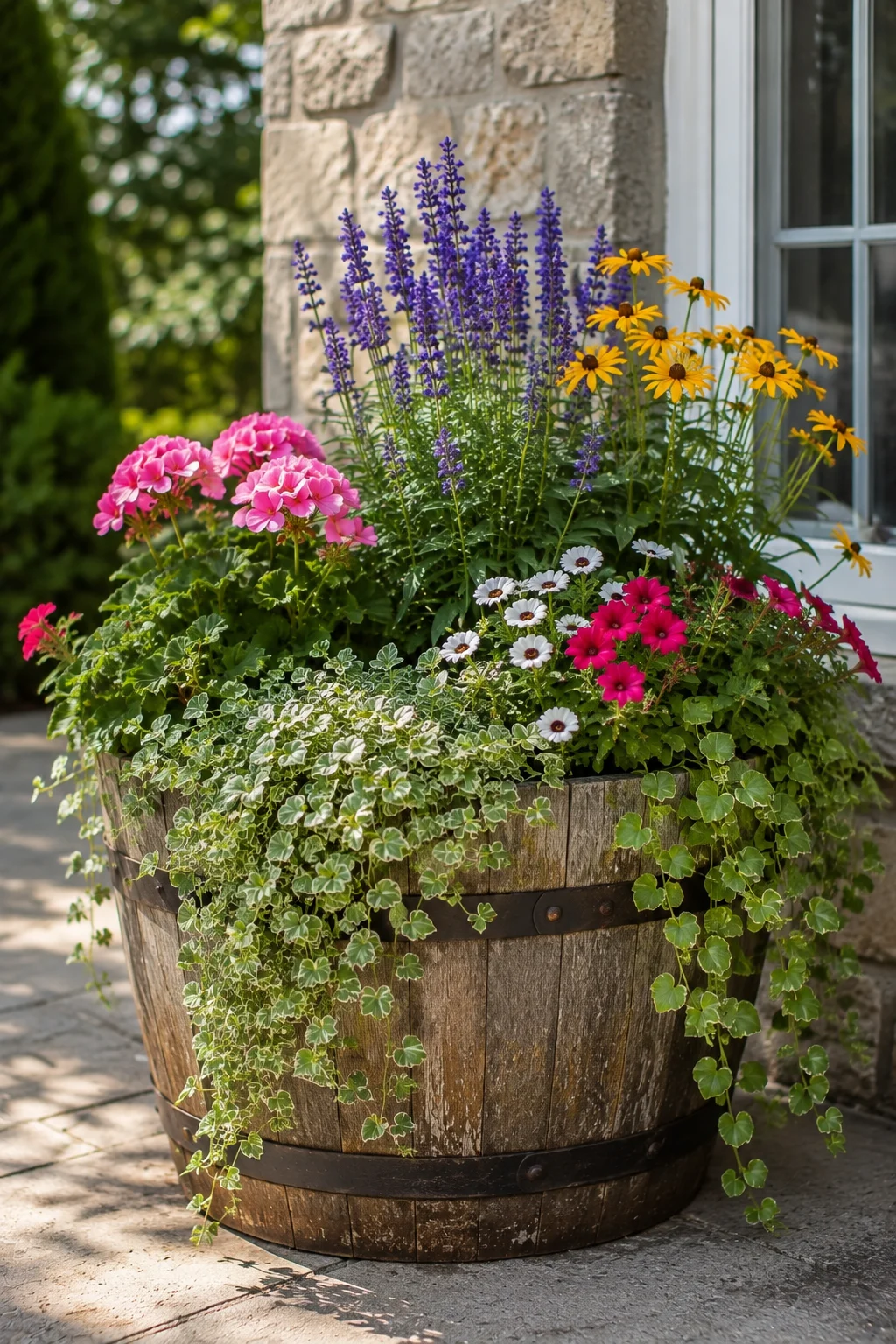
5. Wooden Barrel Planters
A repurposed wooden half-barrel gives a container garden genuine rustic character and enough volume for a substantial specimen plant, though it will eventually need the metal bands checked and tightened as the wood ages.
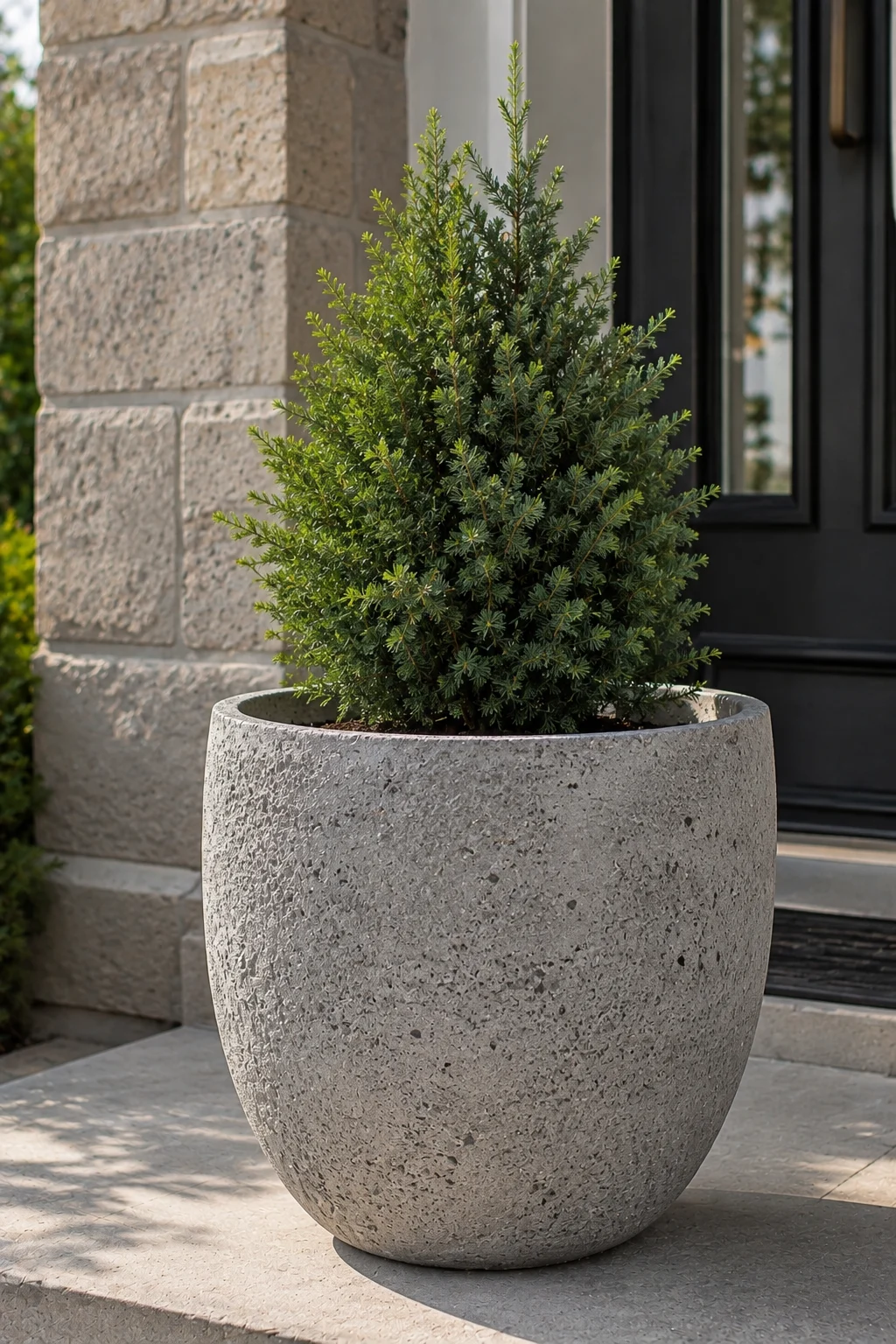
6. Concrete and Stone-Look Planters
Genuine concrete or heavily textured stone-look planters bring substantial visual weight and permanence to a container grouping, particularly effective as a single oversized anchor piece rather than scattered throughout a space.
Design Formulas That Always Work
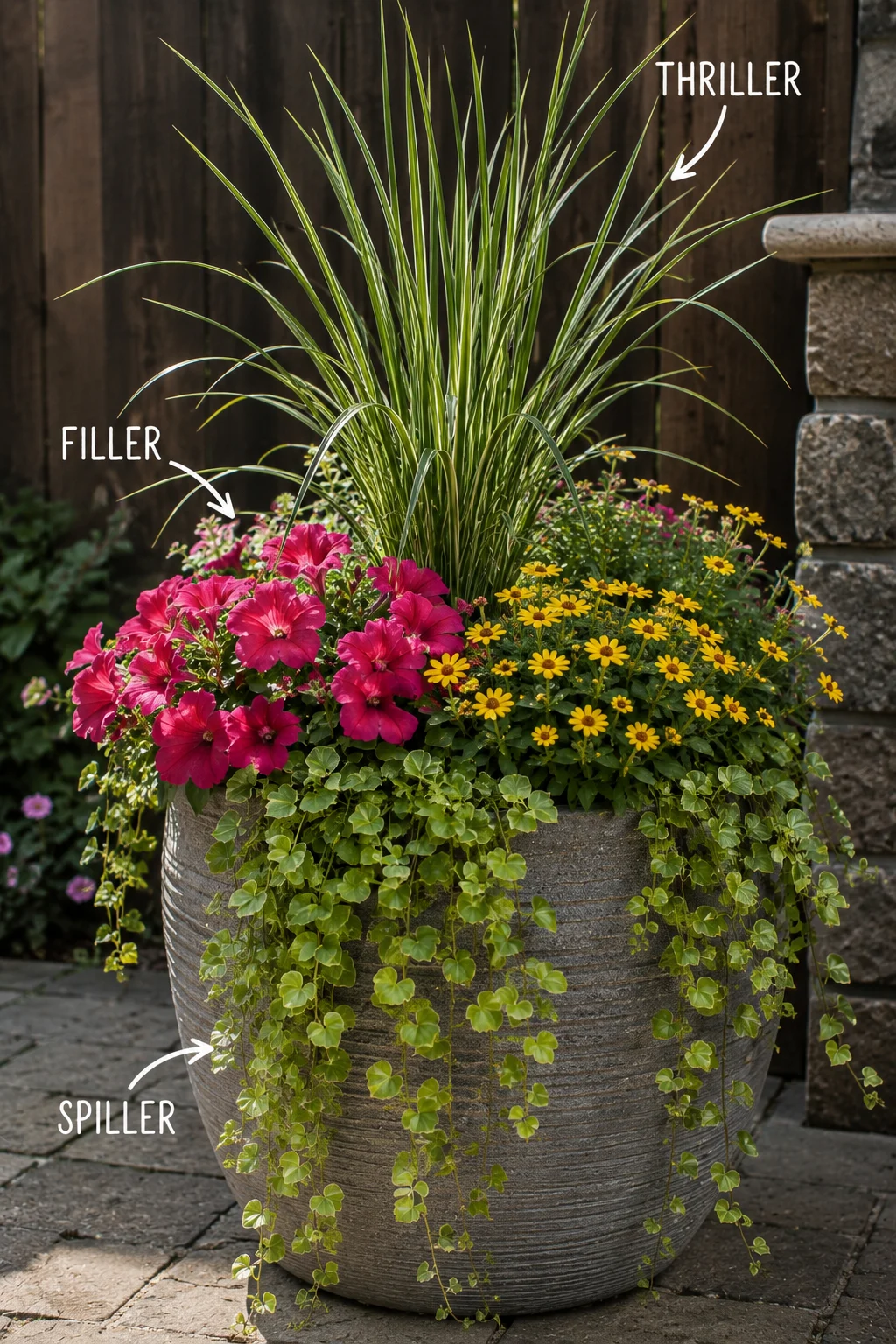
7. Thriller, Filler, Spiller Formula
Combining one upright “thriller” plant, a rounded “filler” plant around its base, and a trailing “spiller” over the rim is the most reliable container design formula available, working in nearly any pot style, season, or light condition.
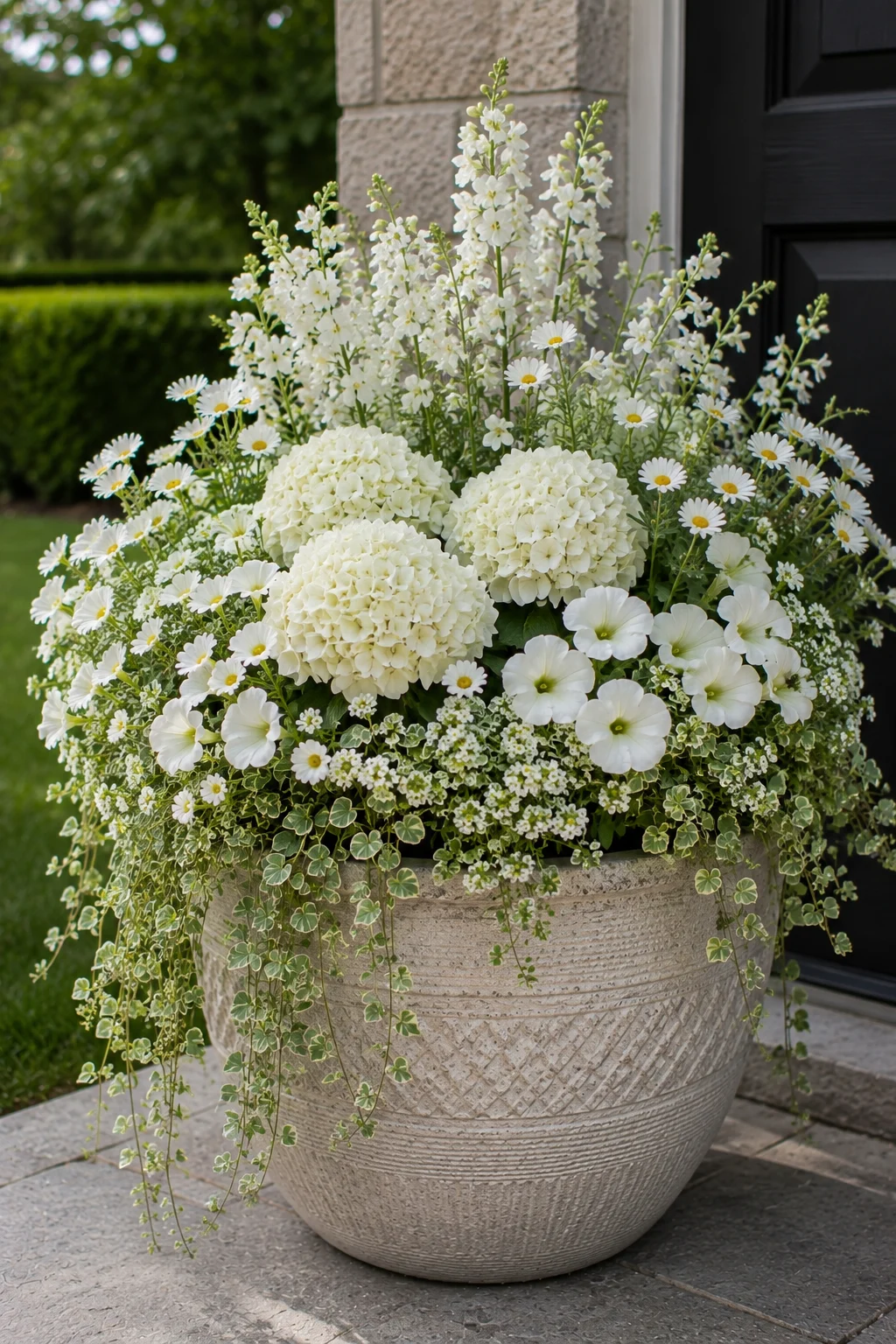
8. Monochromatic Single-Color Container
Limiting a single pot’s planting to one flower color, in varying shades and textures, reads as considerably more polished than a rainbow mix, especially effective in a high-visibility spot like an entryway.
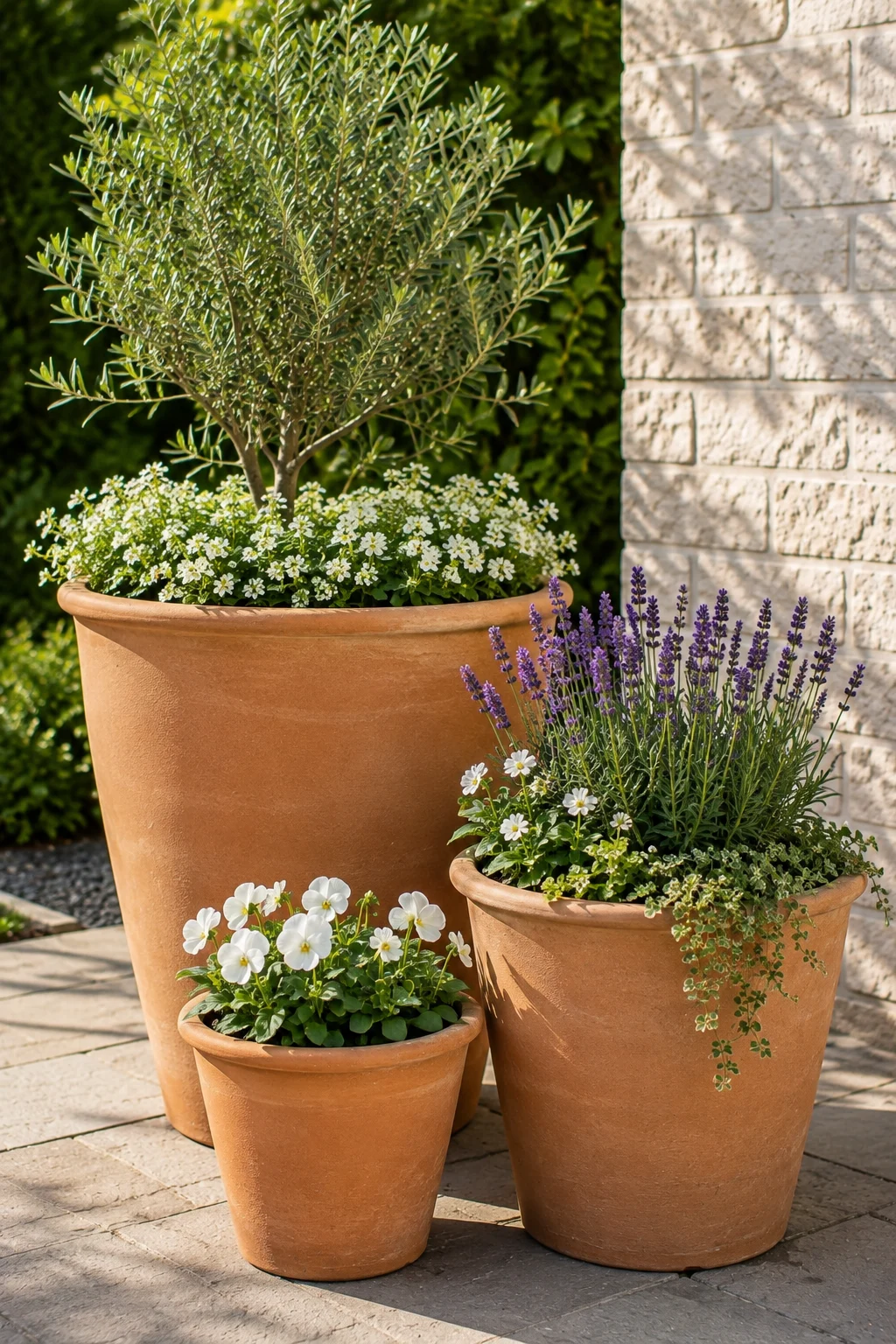
9. Repeated Matching Pots in Odd Numbers
Grouping three or five matching pots at varying heights, rather than a single pot or an even-numbered pair, reads as a deliberate design choice and gives a small space genuine visual rhythm.
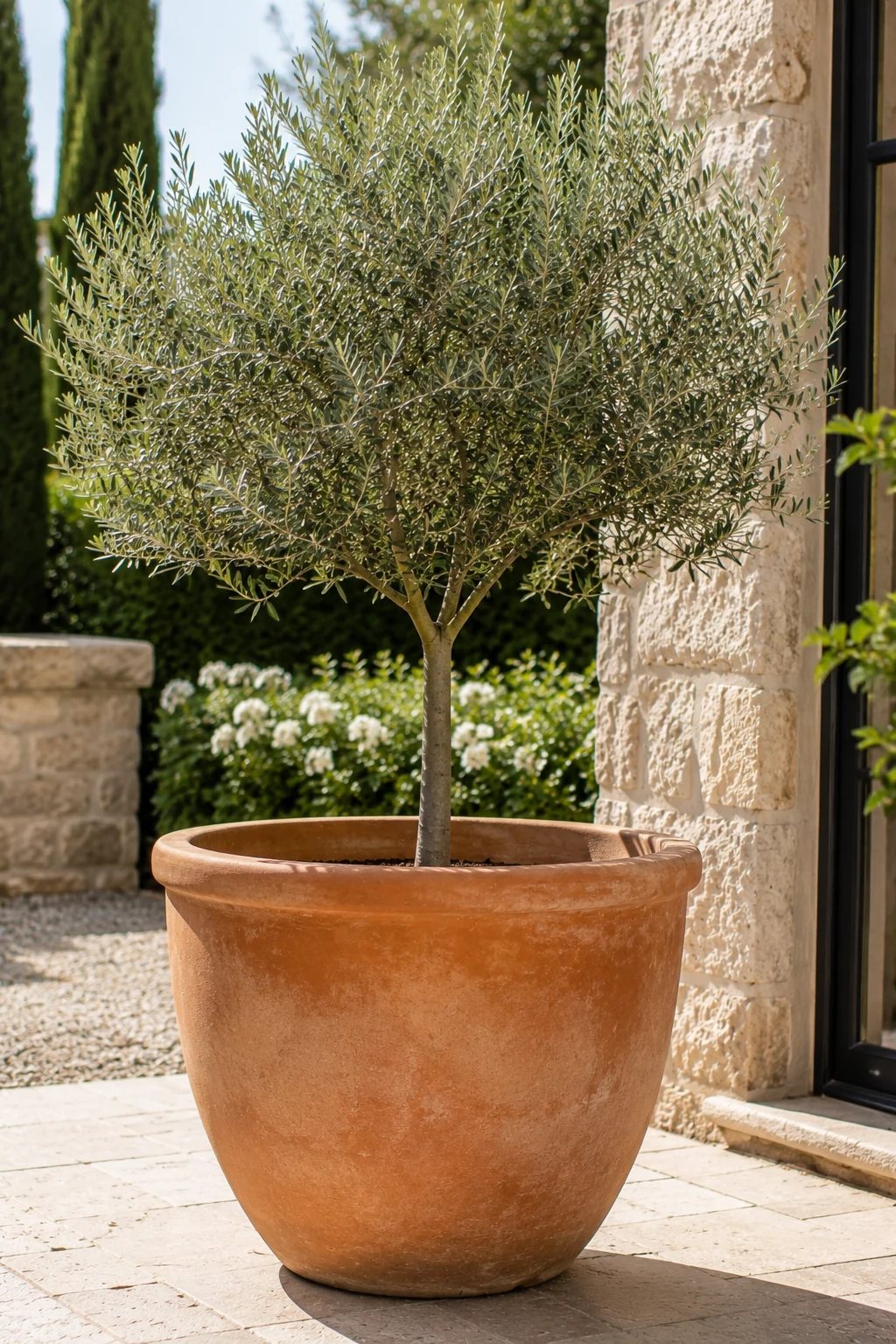
10. Single Specimen in an Oversized Pot
Planting one substantial specimen — a small tree or a large ornamental grass — in a pot noticeably larger than the plant currently fills gives a container an architectural, intentional quality rather than looking undersized.
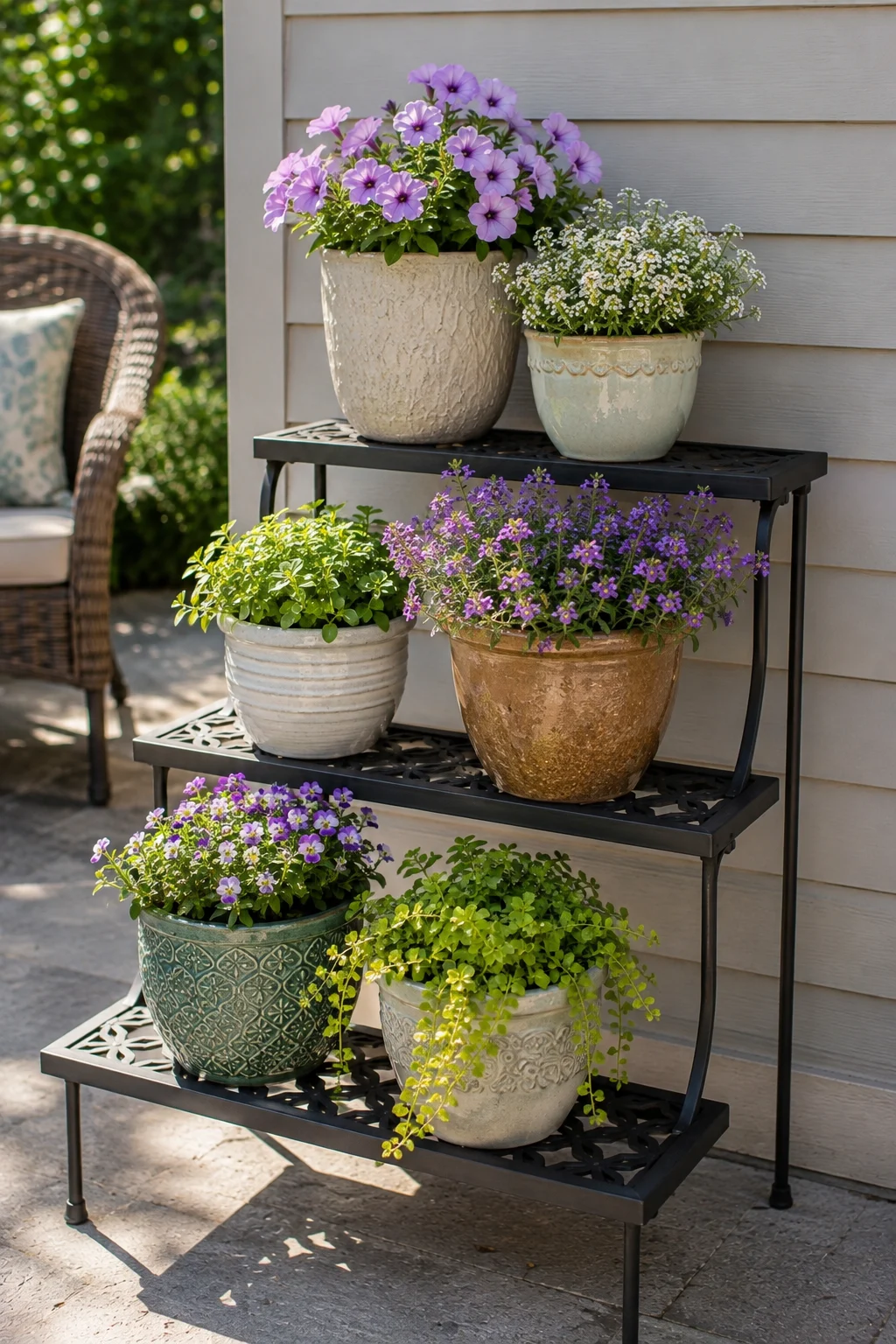
11. Mixed-Height Tiered Display
Arranging several containers at staggered heights, using a tiered stand or simply varying pot sizes, lets a small footprint display considerably more plant variety than flat, uniform-height pots alone.
Style-Specific Container Combinations
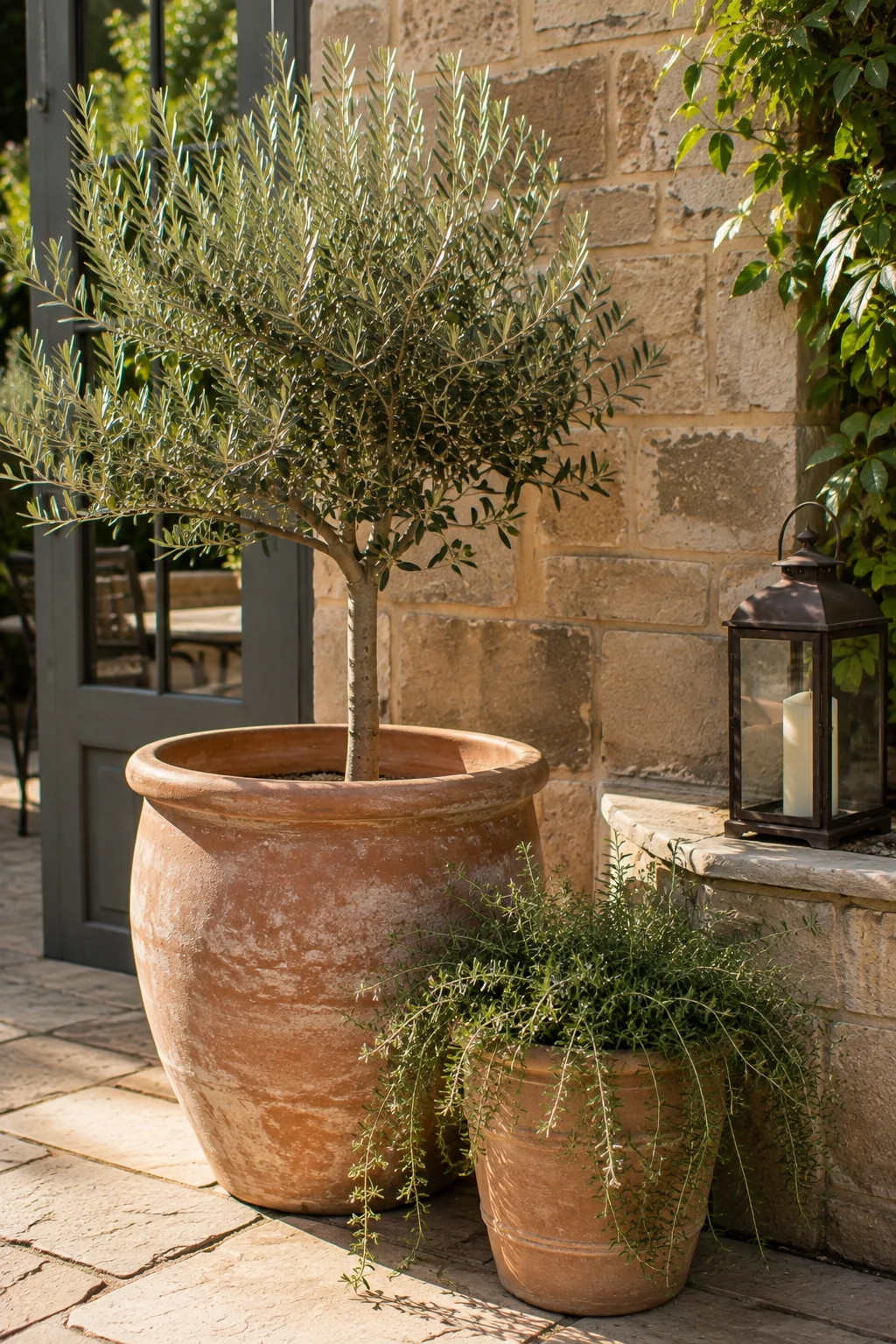
12. Mediterranean Olive Tree Container
A single olive tree in a large weathered terracotta or ceramic pot, paired with a smaller pot of trailing rosemary at its base, brings an instantly recognizable Mediterranean character to an entry or patio.
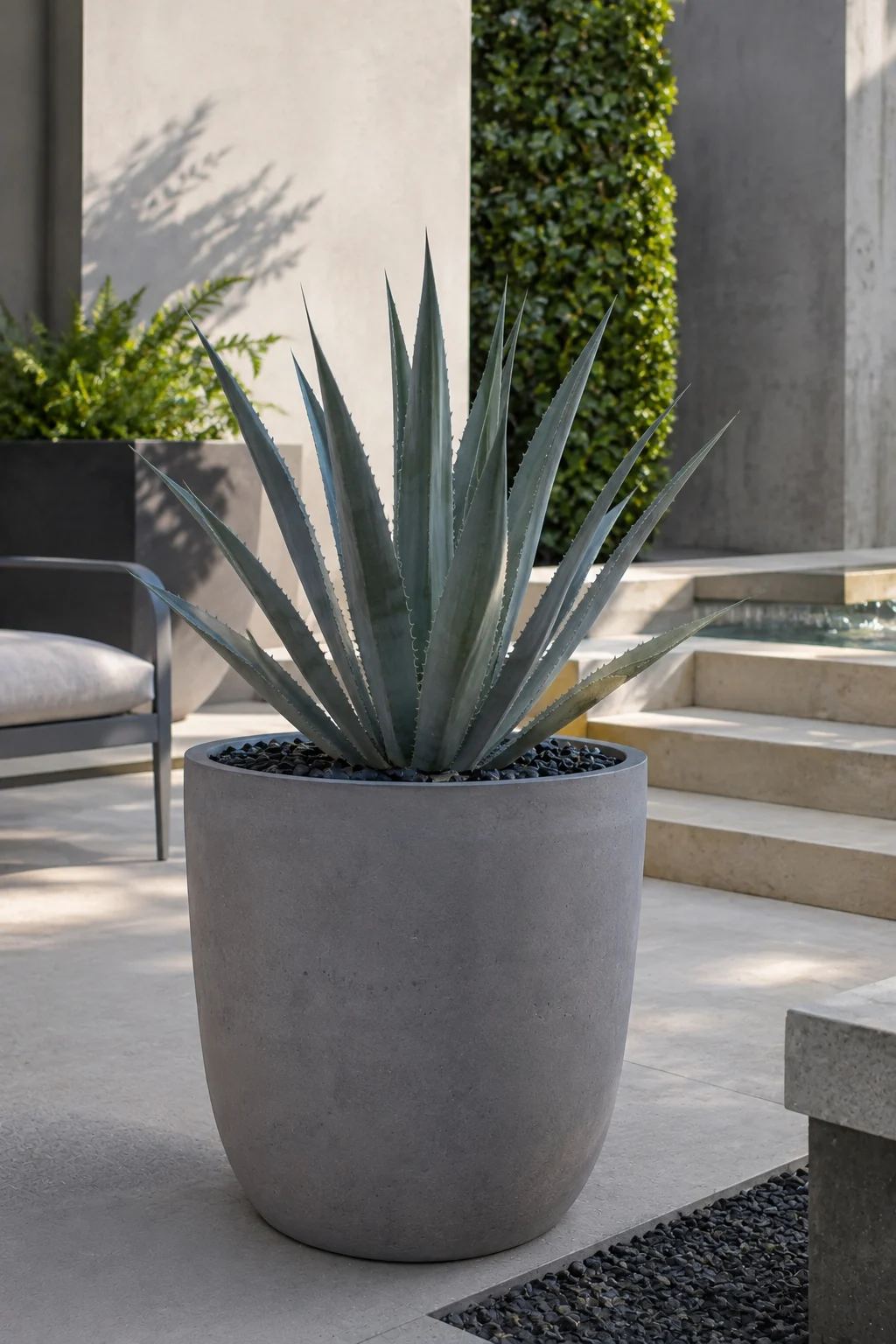
13. Modern Minimalist Concrete Pot
A single structural plant — an upright grass or a sculptural succulent — in a plain concrete or matte-finish pot, with no additional filler planting, suits a clean, contemporary space where restraint reads as more intentional than abundance.
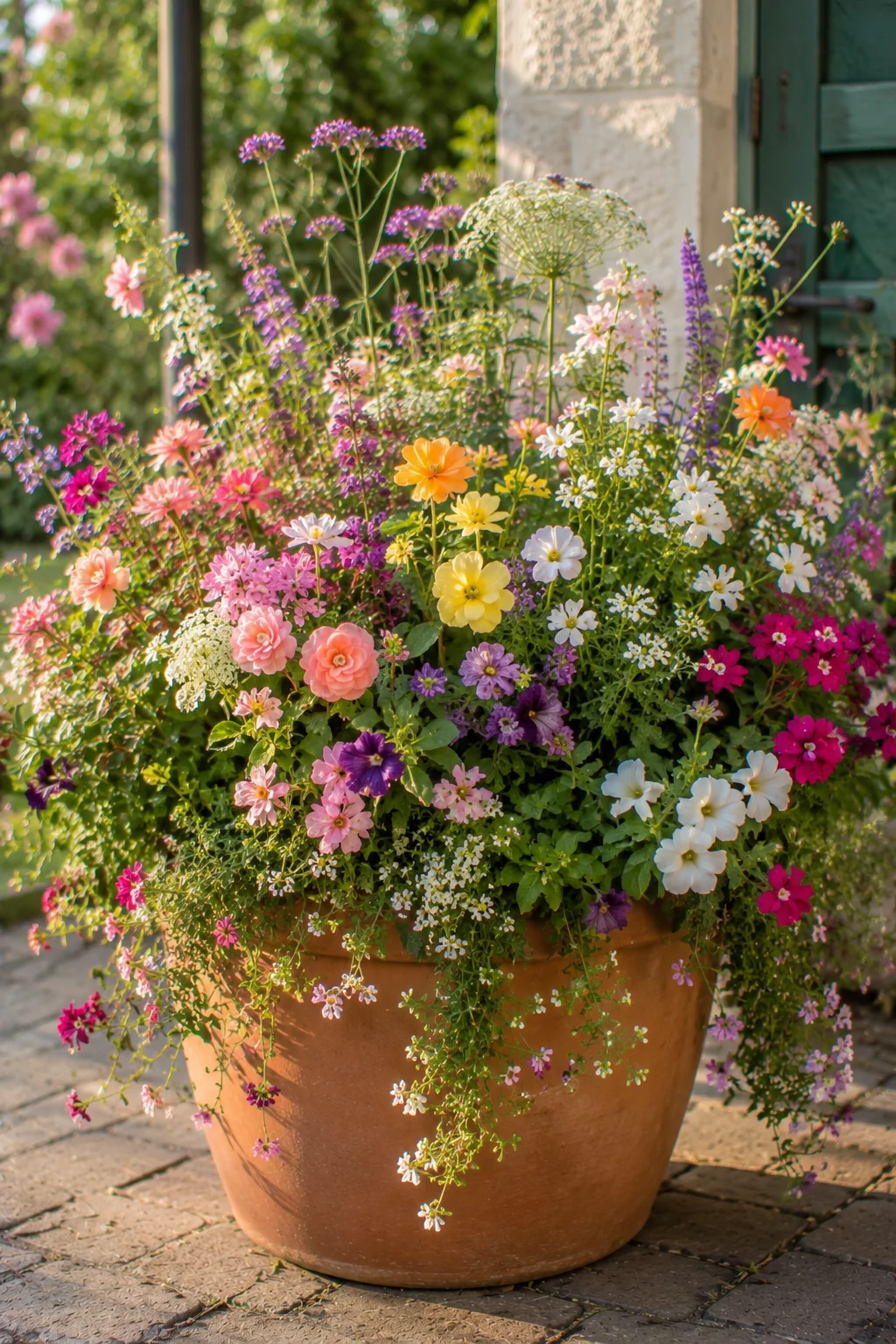
14. Cottage-Style Overflowing Annual Pot
A dense mix of old-fashioned annuals — sweet peas, cosmos, nasturtium — planted together in a single generously sized pot and allowed to overflow the rim gives a container the same relaxed, abundant quality found throughout cottage garden borders.
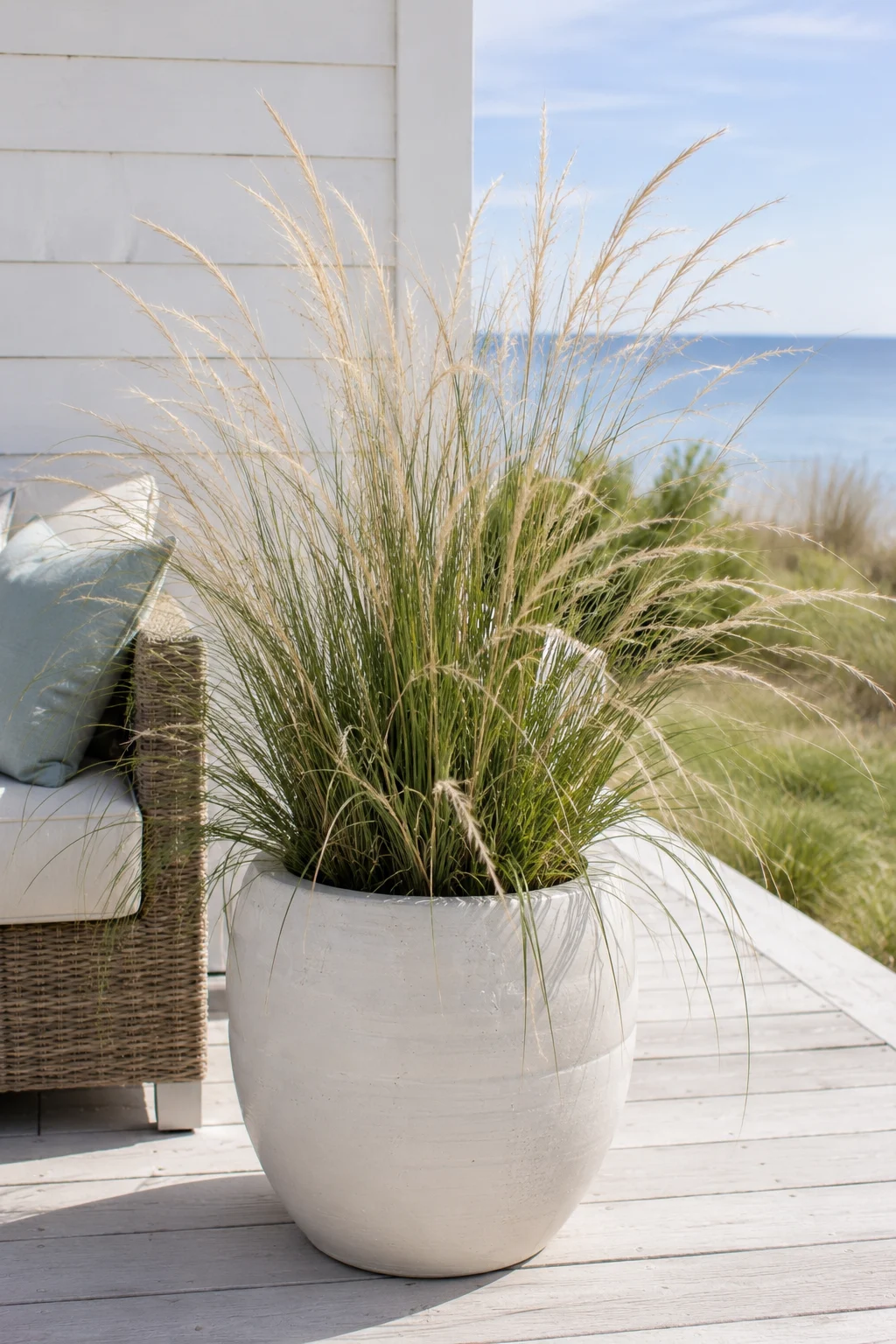
15. Coastal White Pot With Grasses
A simple white or whitewashed pot planted with airy ornamental grasses and a touch of blue or silver foliage evokes a relaxed, breezy coastal character suited to a seaside or lake-adjacent patio.
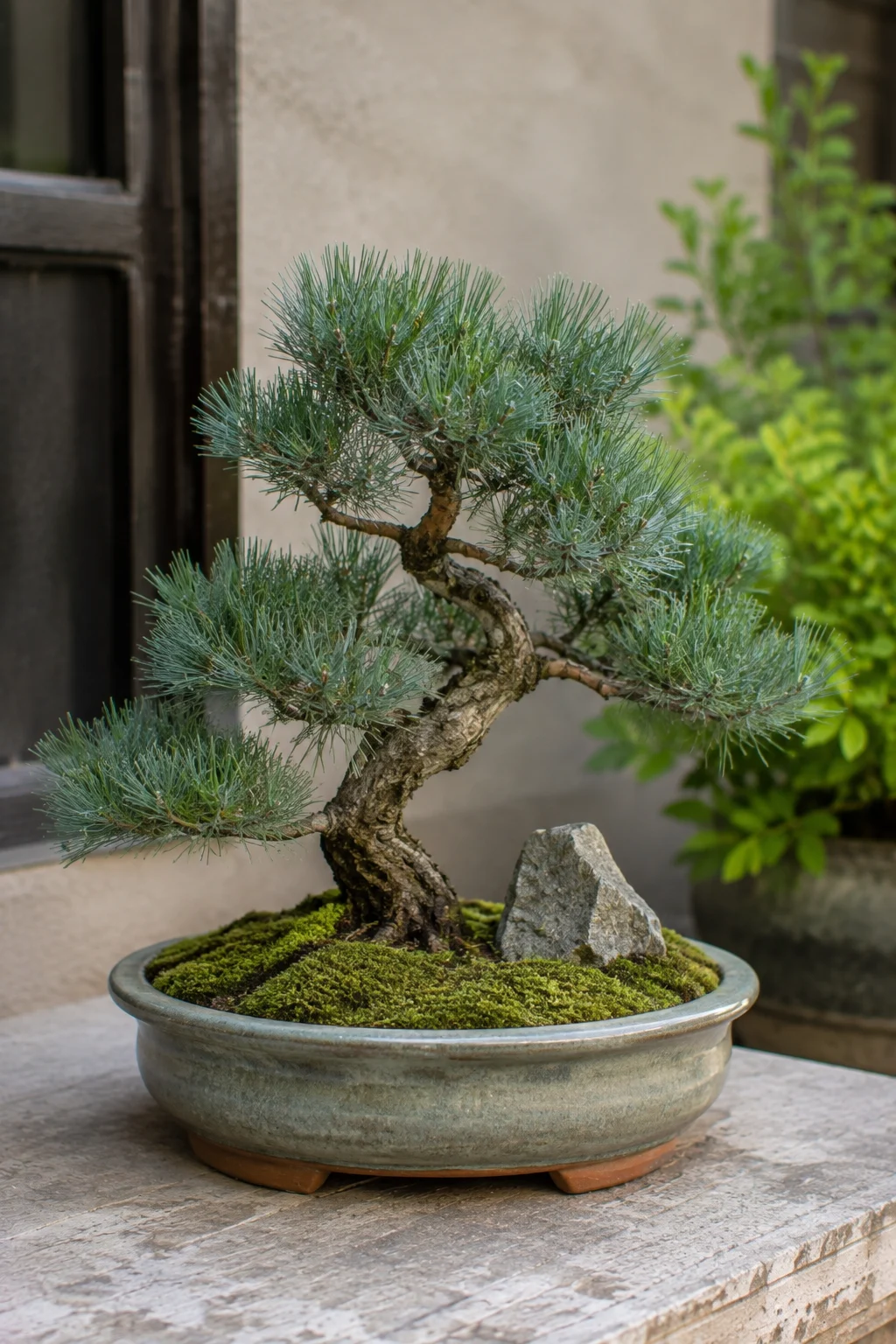
16. Japanese-Style Dwarf Pine or Moss Container
A dwarf pine or a simple moss and stone arrangement in a shallow, unglazed ceramic container brings the restrained, sculptural quality of Japanese garden design into a single potted feature.
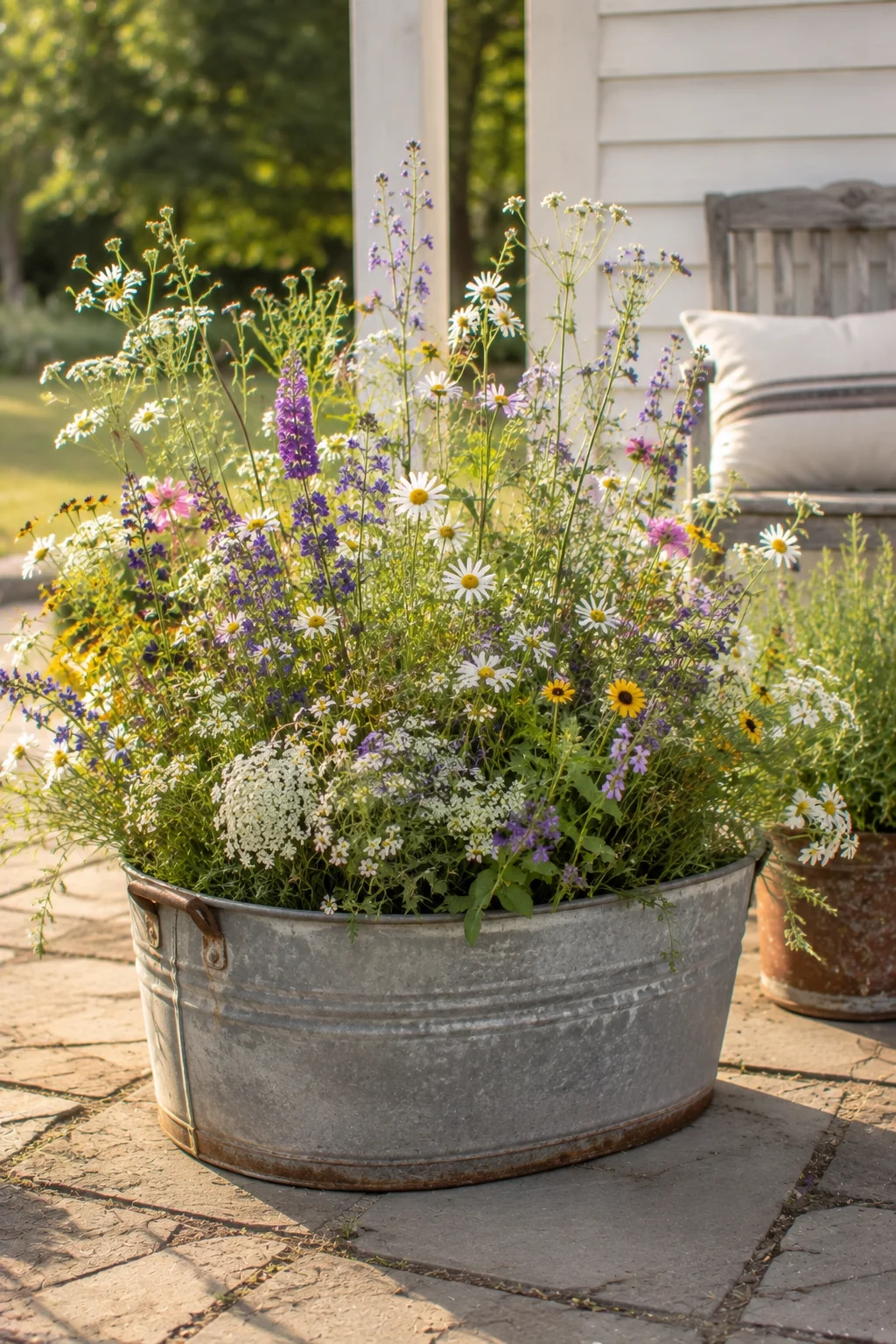
17. Farmhouse Galvanized Tub With Wildflowers
A galvanized tub planted with a loose, informal mix of wildflowers or cutting-garden annuals gives a farmhouse-style patio an authentic, unfussy character that matches its working-farm material.
Placement and Arrangement
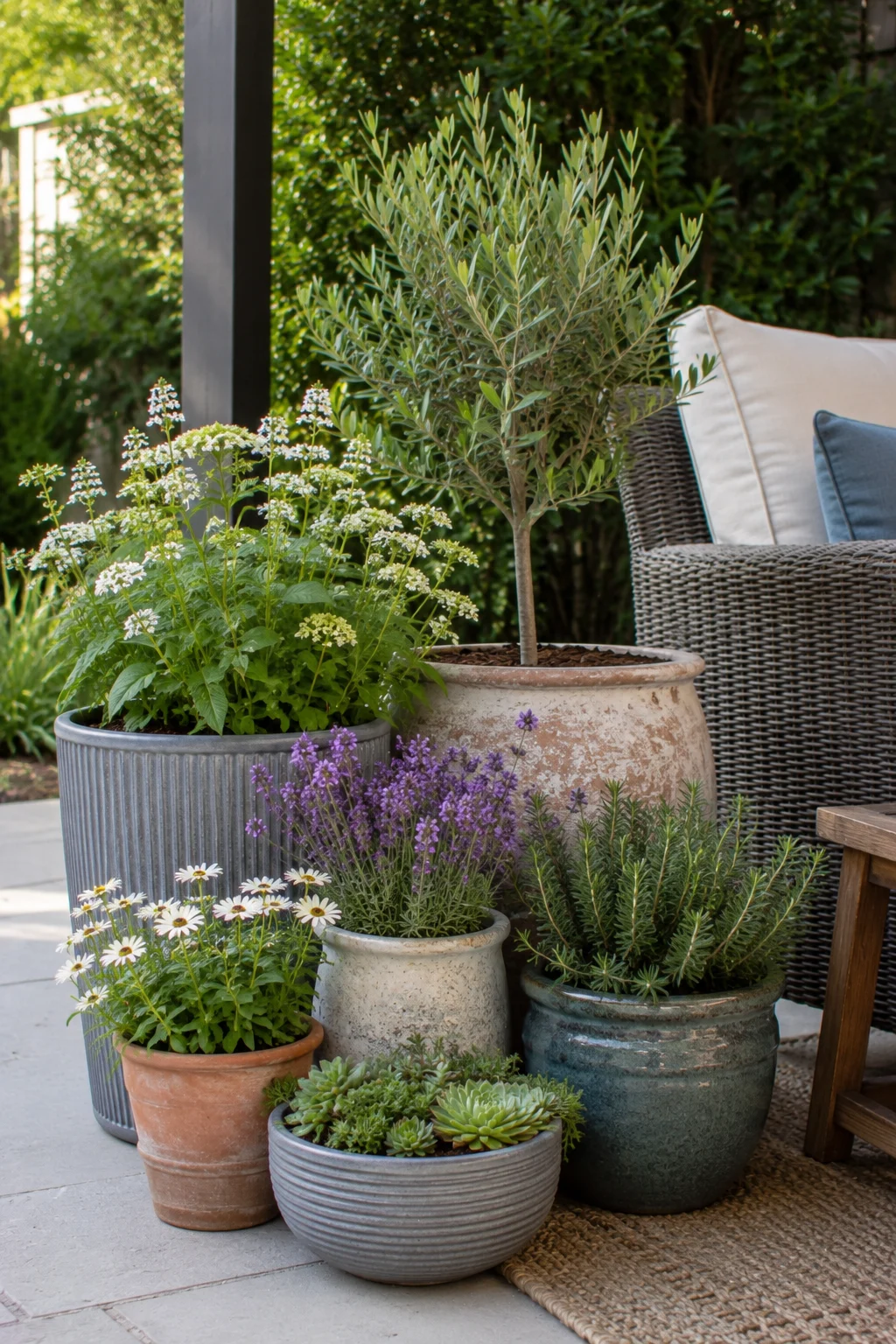
18. Grouped Clusters on a Patio
Clustering several containers together near a seating or dining area, rather than spacing them evenly around the perimeter, creates a more intentional, lush impression and makes watering and maintenance more efficient.
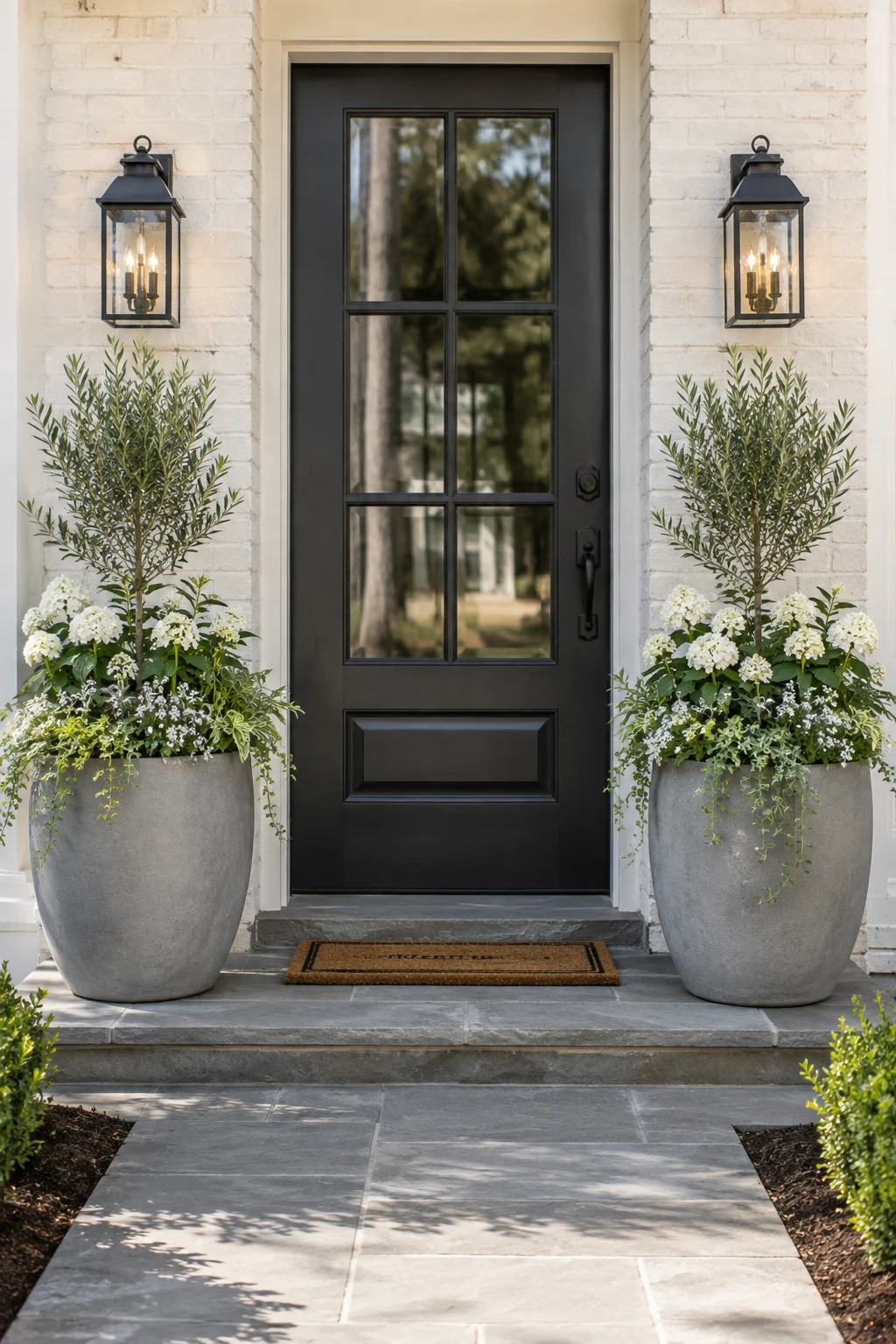
19. Matched Pairs Flanking an Entry
A symmetrical pair of matching containers on either side of a front door or garden gate gives an entry immediate formality and works with almost any door color or architectural style.
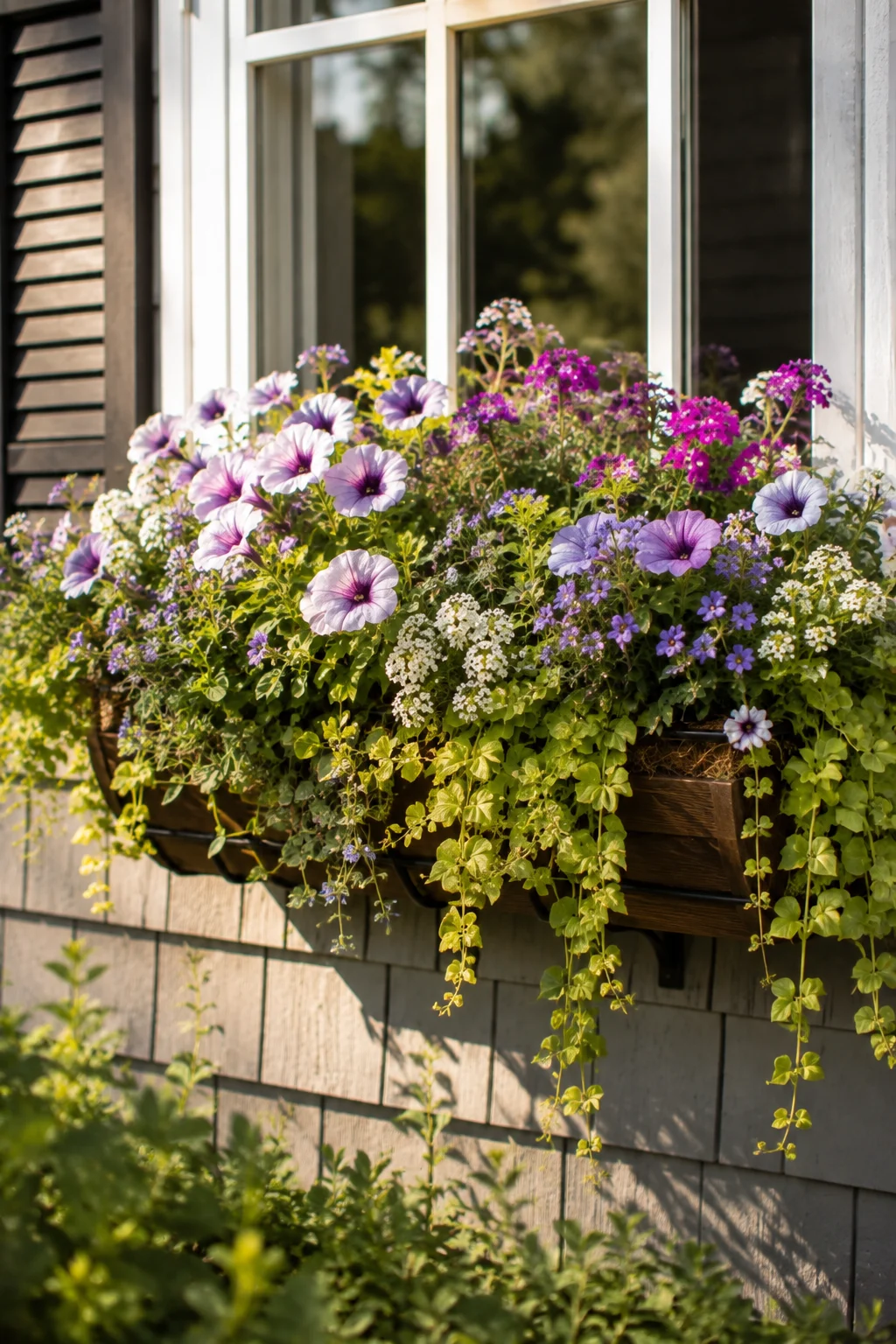
20. Window Box Containers
A window box mounted just below a window frame adds a growing surface entirely separate from ground-level or patio containers, and brings flowers into direct view from inside the house as well as from the street.
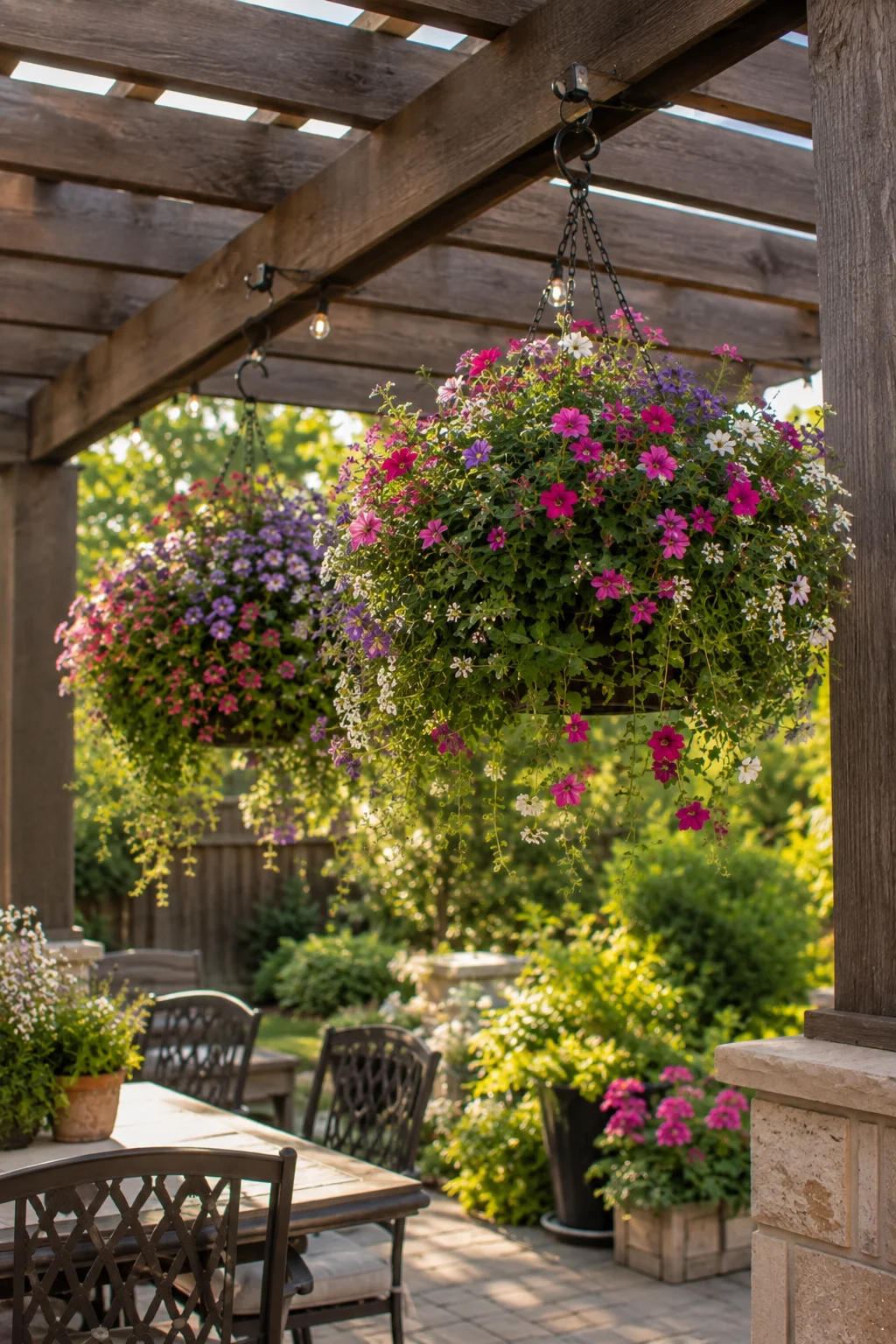
21. Hanging Containers From a Pergola or Porch
Hanging baskets suspended from a pergola beam or porch overhang use vertical air space that ground-level containers can’t reach, adding a layer of color and greenery above head height.
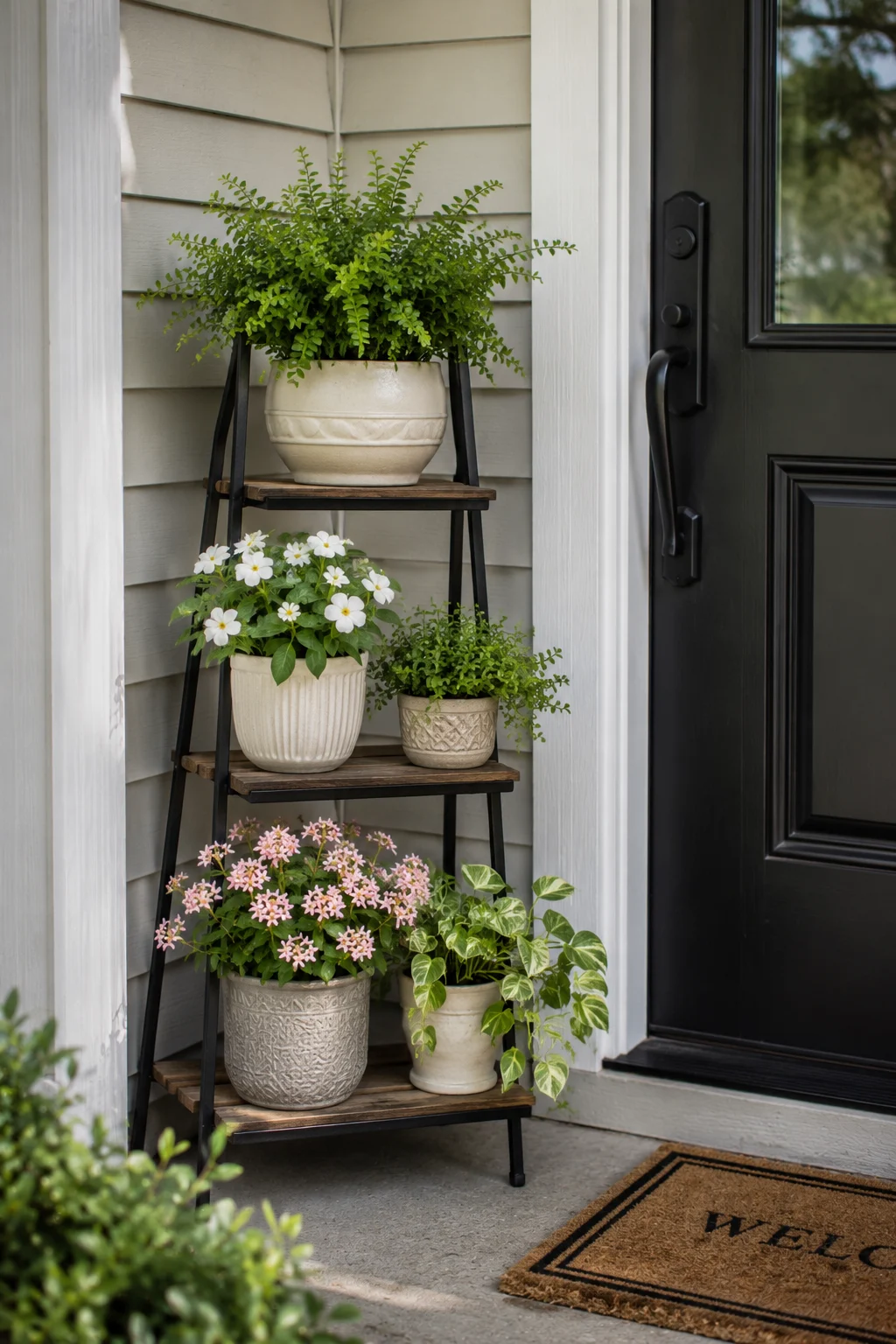
22. Tiered Stand Display Near a Doorway
Positioning a tiered plant stand directly beside an entry door lets a small footprint display several pots in a compact, organized arrangement that reads as more considered than pots scattered individually nearby.
Seasonal Plant Choices
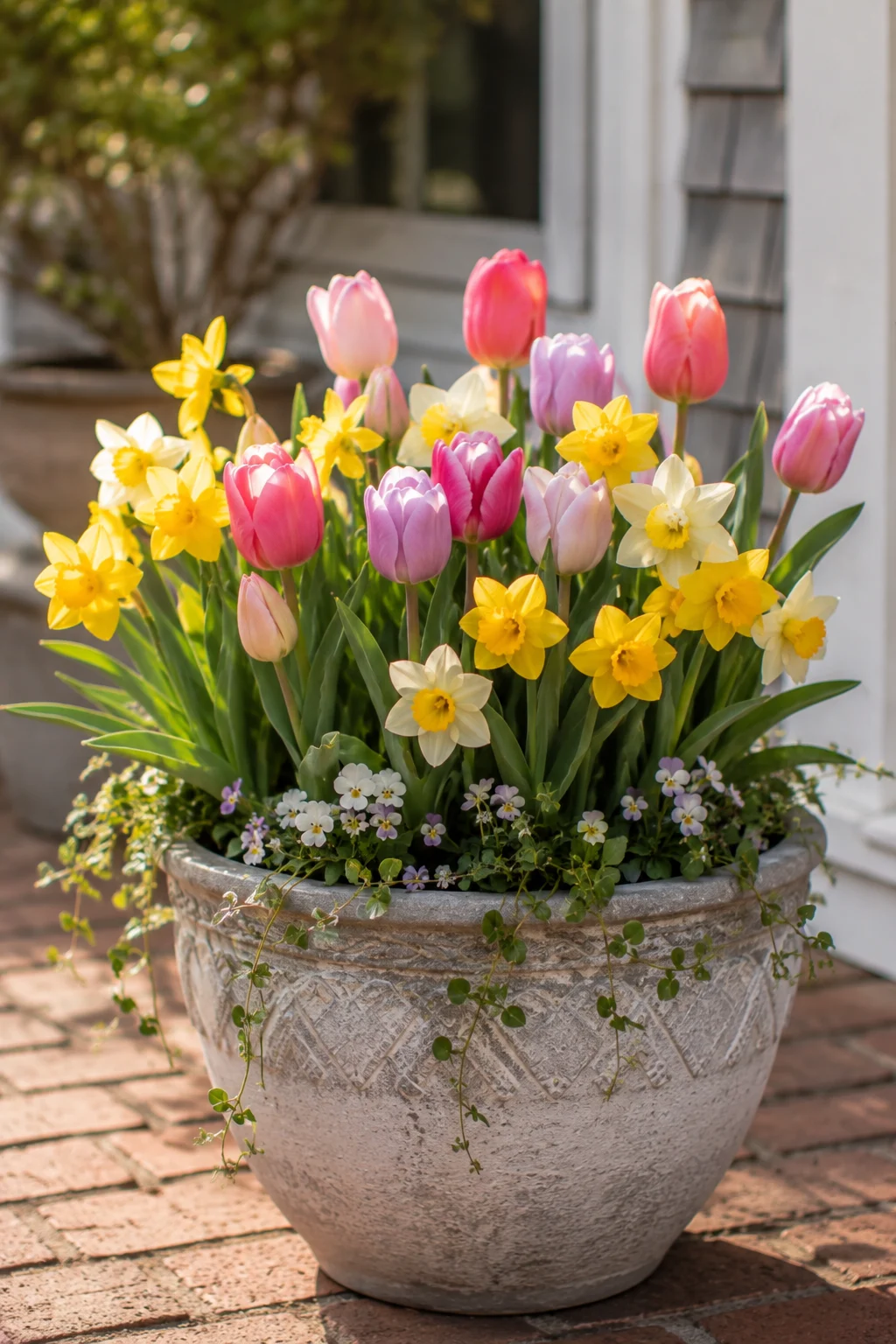
23. Spring Bulb Container
Tulips, daffodils, and grape hyacinth planted in a container give a patio its first strong color of the year, and the pot can be moved to a more prominent spot right as the bulbs come into bloom.
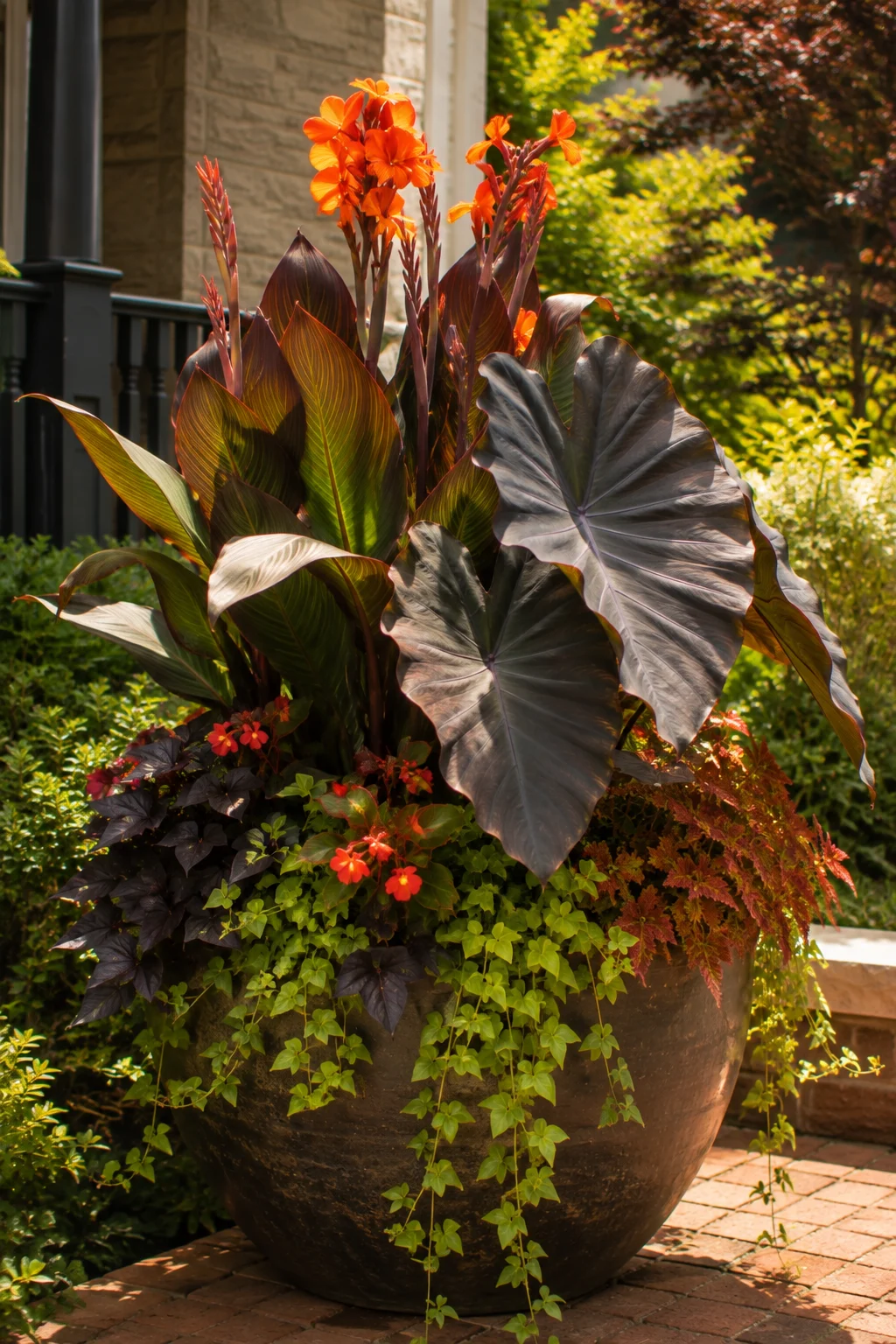
24. Summer Tropical Container
Canna lily, elephant ear, and other bold tropical foliage plants bring dramatic scale and texture to a summer container display that smaller bedding plants can’t match on their own.
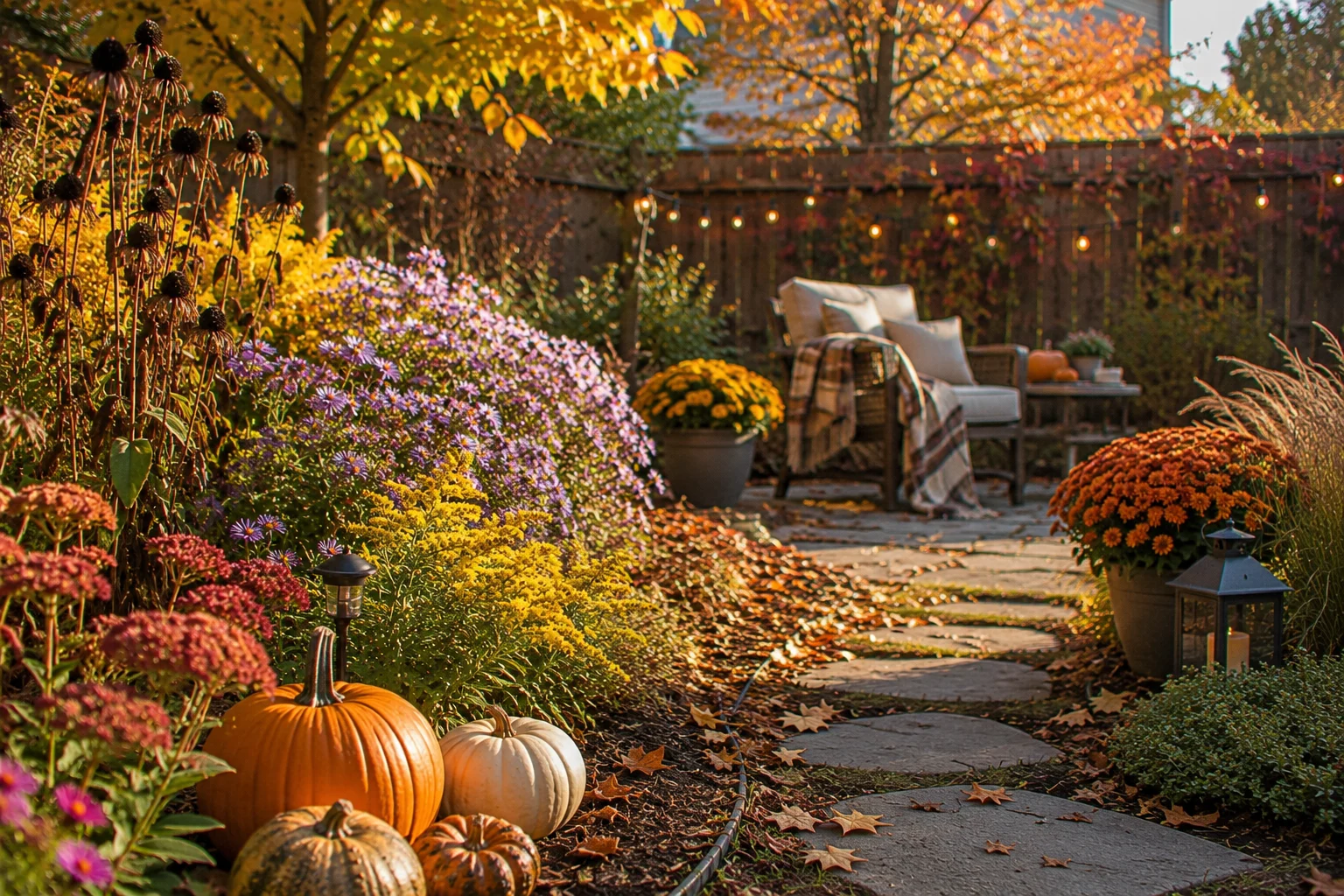
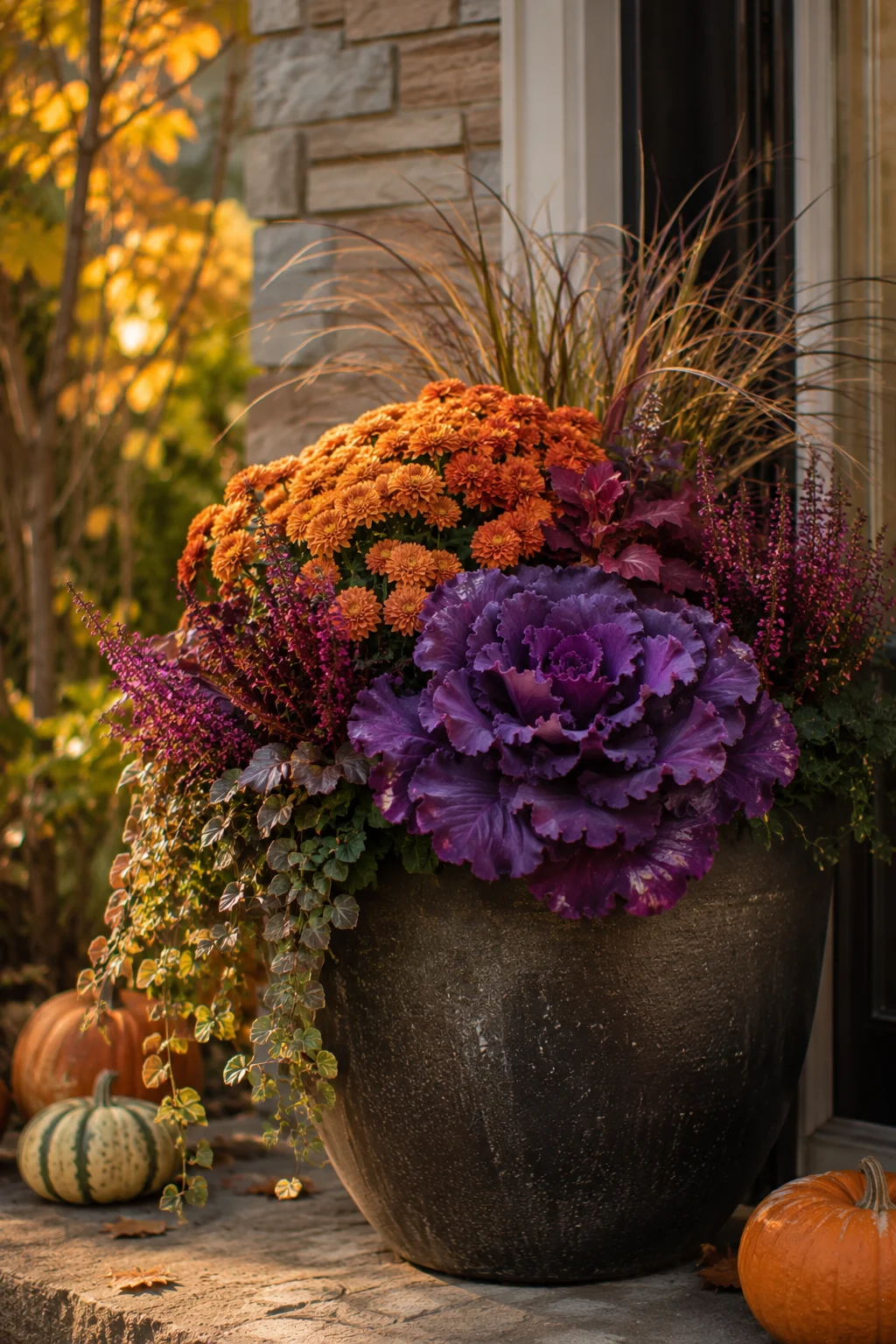
25. Fall Container With Mums and Kale
Ornamental kale, mums, and a few small gourds tucked around the base give a container genuine fall character without tipping into full Halloween decor, working well from early September through Thanksgiving.
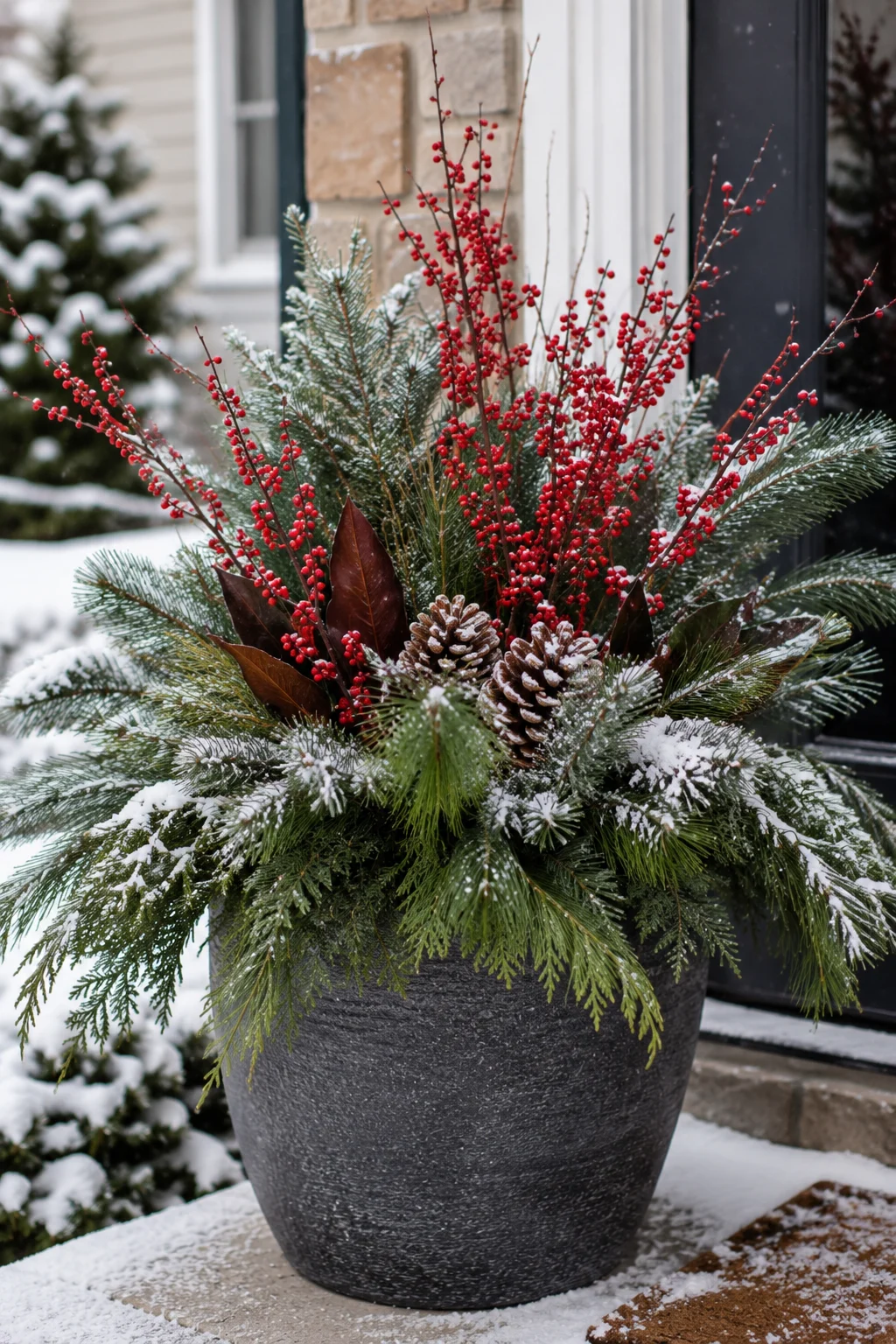
26. Winter Evergreen and Berry Container
A mix of fresh-cut evergreen boughs and winterberry clusters keeps a container looking full and intentional through the coldest months, when most live flowering plants aren’t a realistic option.
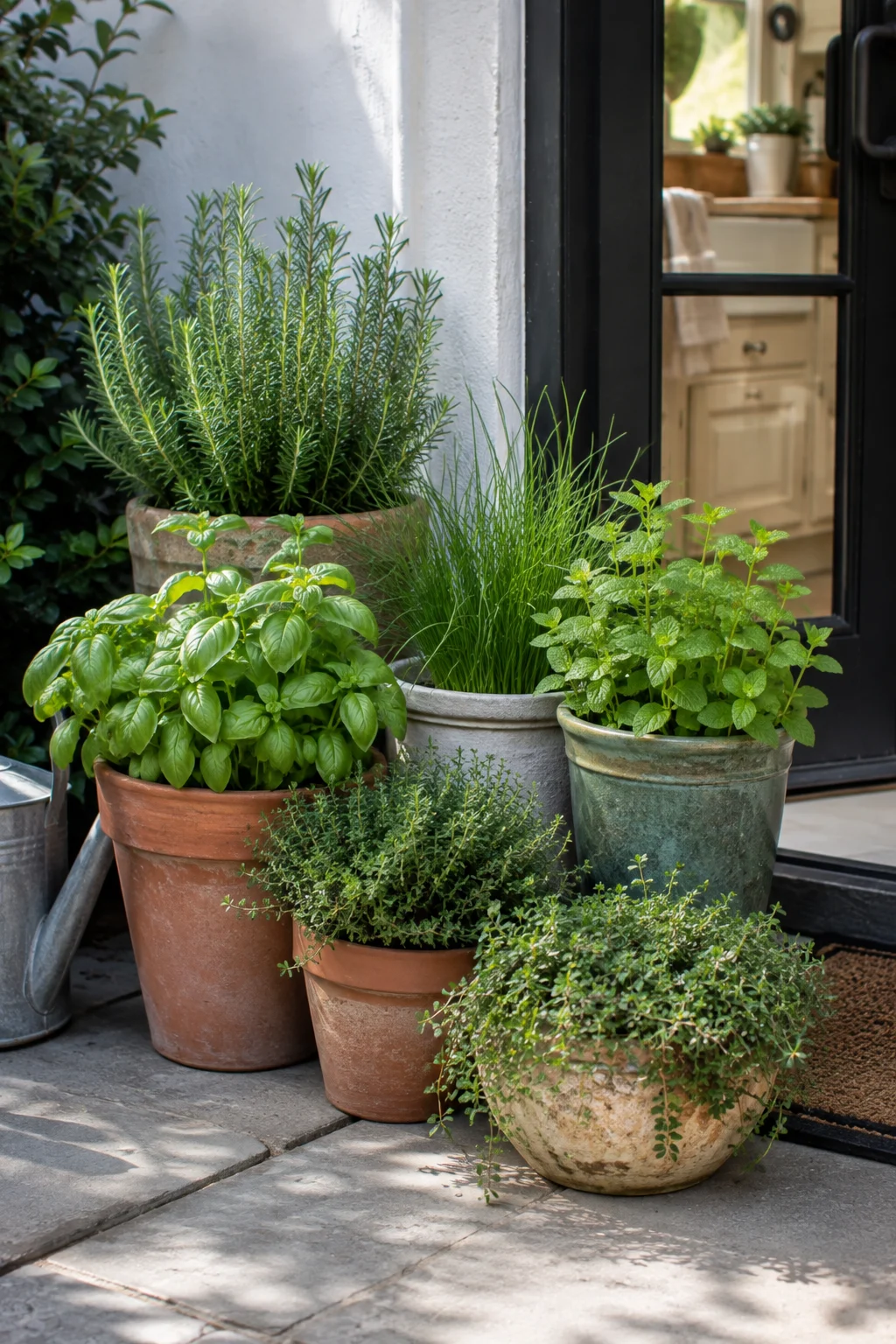
27. Herb Container Garden
A dedicated container, or a cluster of several, planted specifically with kitchen herbs keeps commonly used ingredients within easy reach of a kitchen door and is one of the most consistently useful container plantings available.
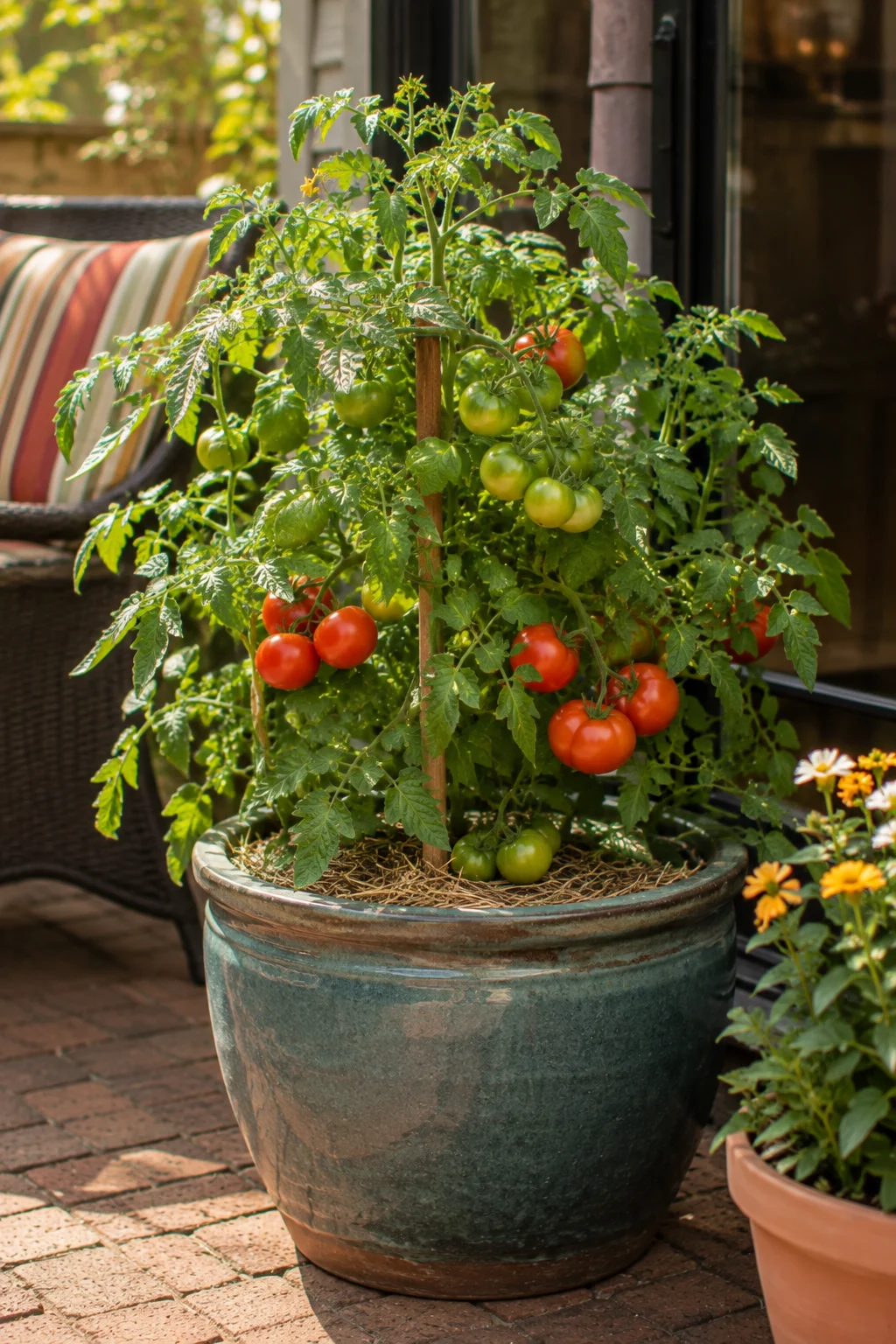
28. Vegetable Container Garden
Compact patio-bred tomato, pepper, and cucumber varieties produce a genuine harvest in a single large container, making vegetable gardening realistic even without any in-ground bed space at all.
Practical and Maintenance Features
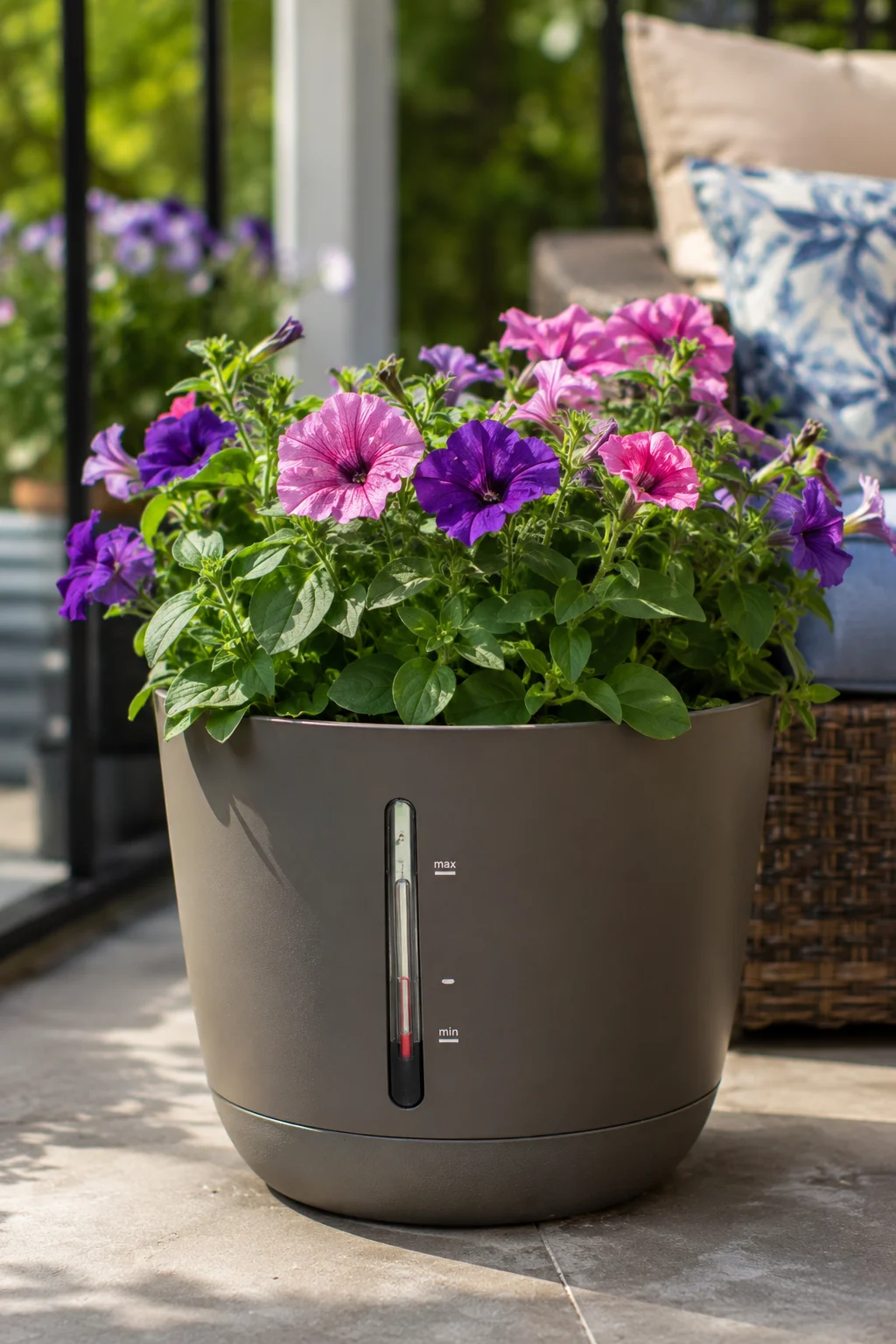
29. Self-Watering Containers
A container with a built-in water reservoir reduces how often a planting needs attention, particularly valuable for pots in full sun or wind exposure that dry out considerably faster than an in-ground bed.
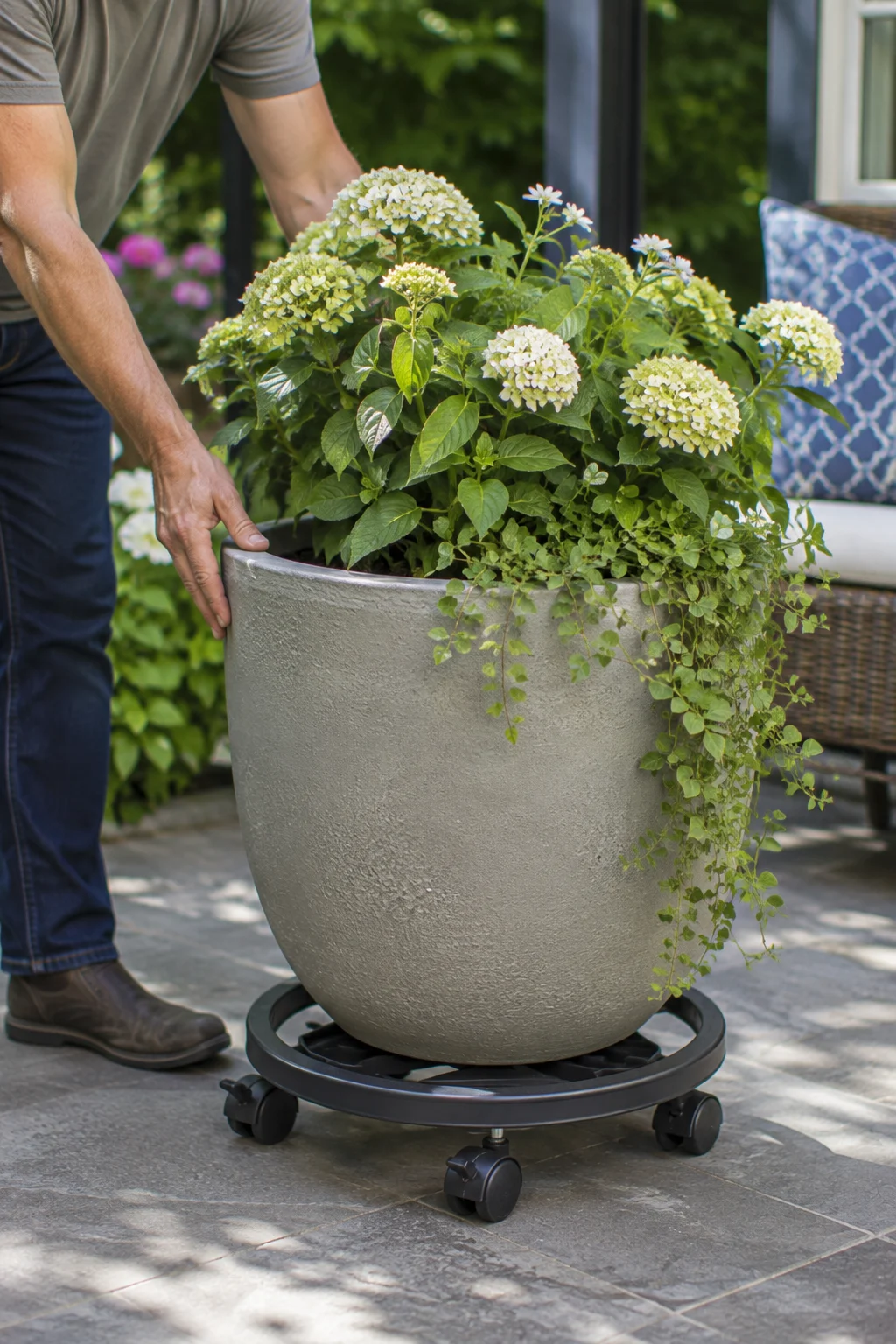
30. Wheeled Plant Caddy for Mobility
A wheeled base positioned beneath a large, heavy container lets it be repositioned to chase sun, move indoors before frost, or simply be moved out of the way for cleaning, without needing to lift the pot itself.
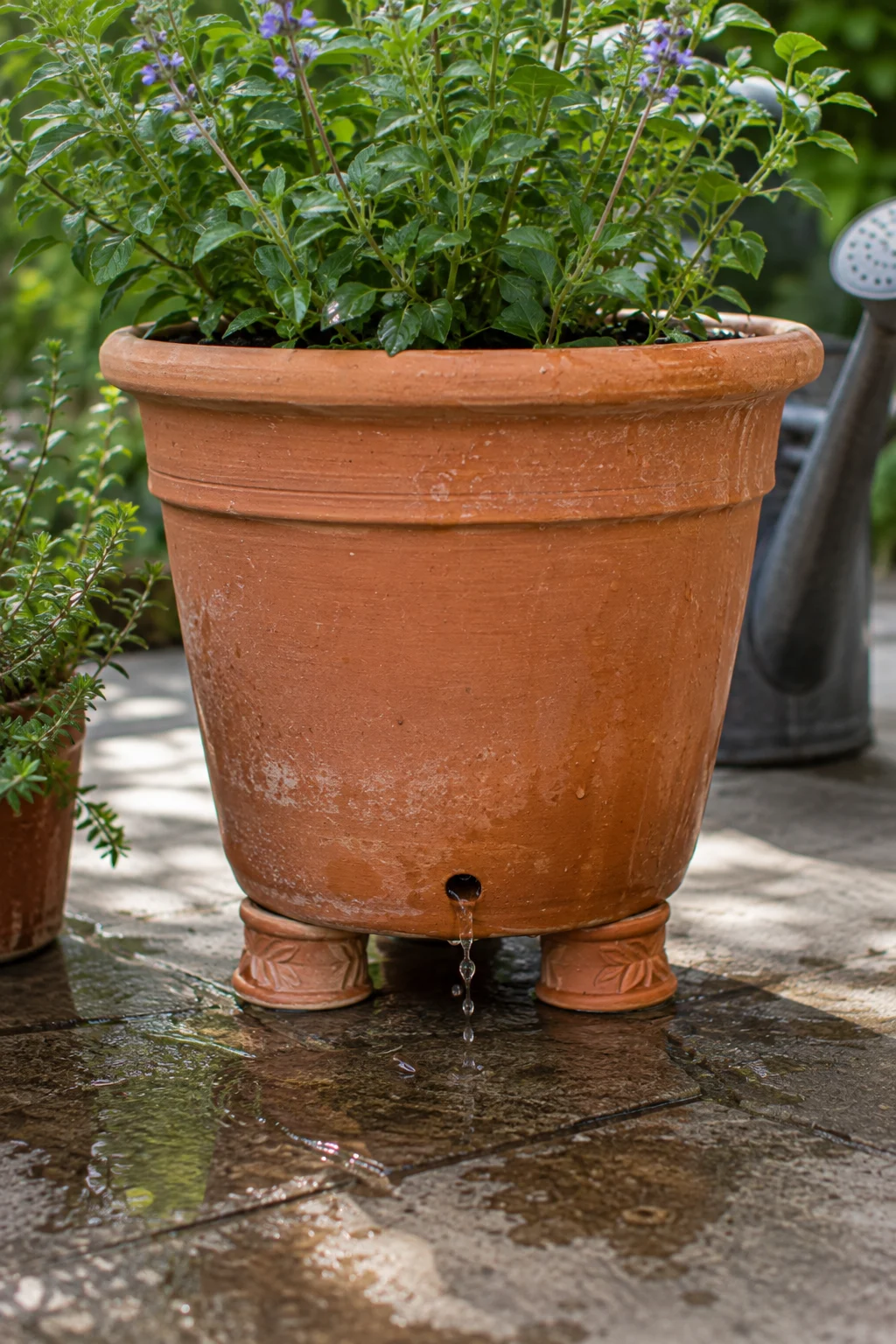
31. Proper Drainage With Pot Feet
Small pot feet or risers lifted beneath a container’s base ensure water drains freely from the bottom rather than pooling and encouraging root rot, an easy and inexpensive fix for containers sitting directly on a solid patio surface.
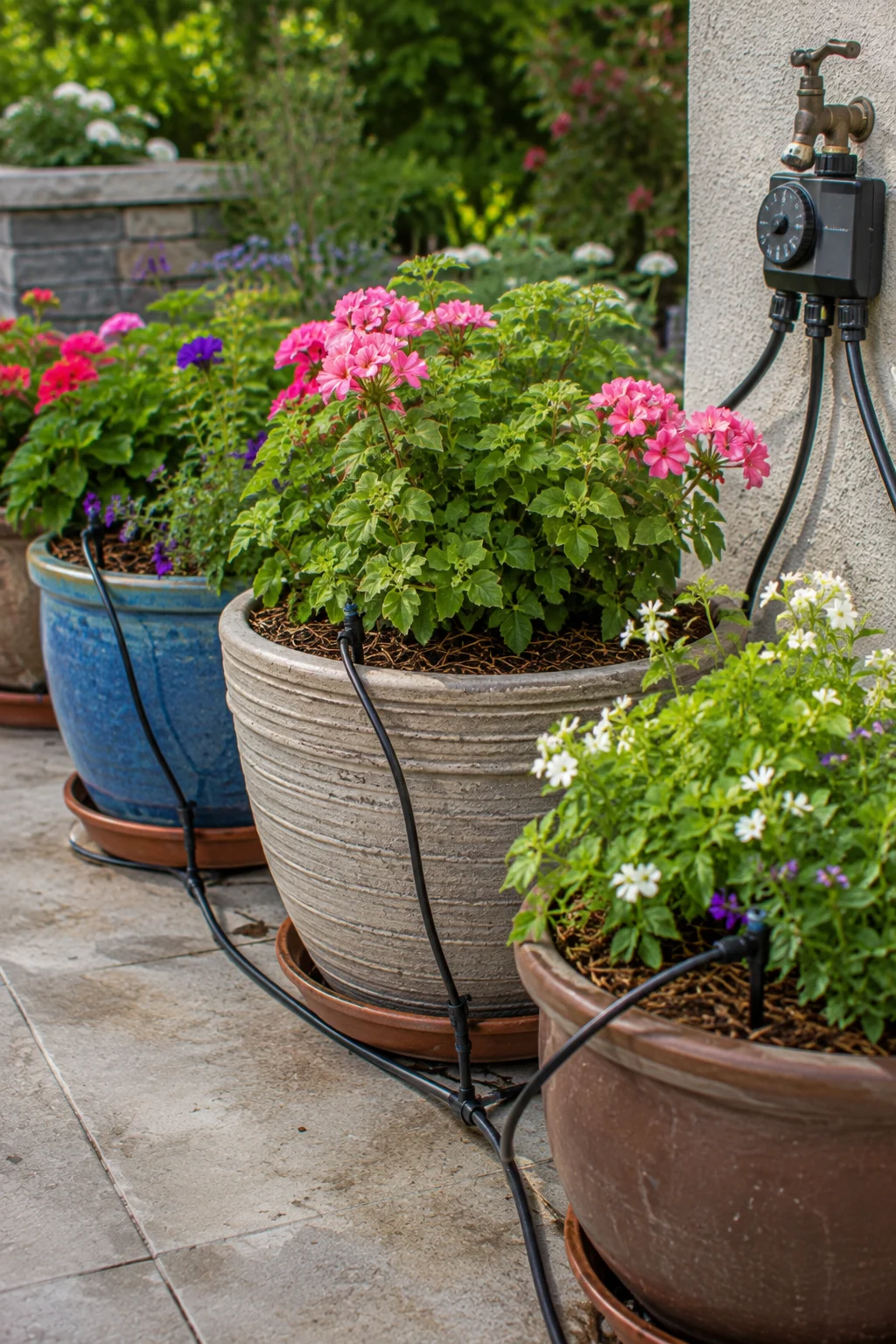
32. Drip Irrigation for Multiple Containers
Running a simple drip irrigation line, fed from a timer, to a whole grouping of containers keeps every pot consistently watered without needing to hand-water each one individually, especially useful for a larger collection spread across a patio.
33. Root-Pruning Container for Trees
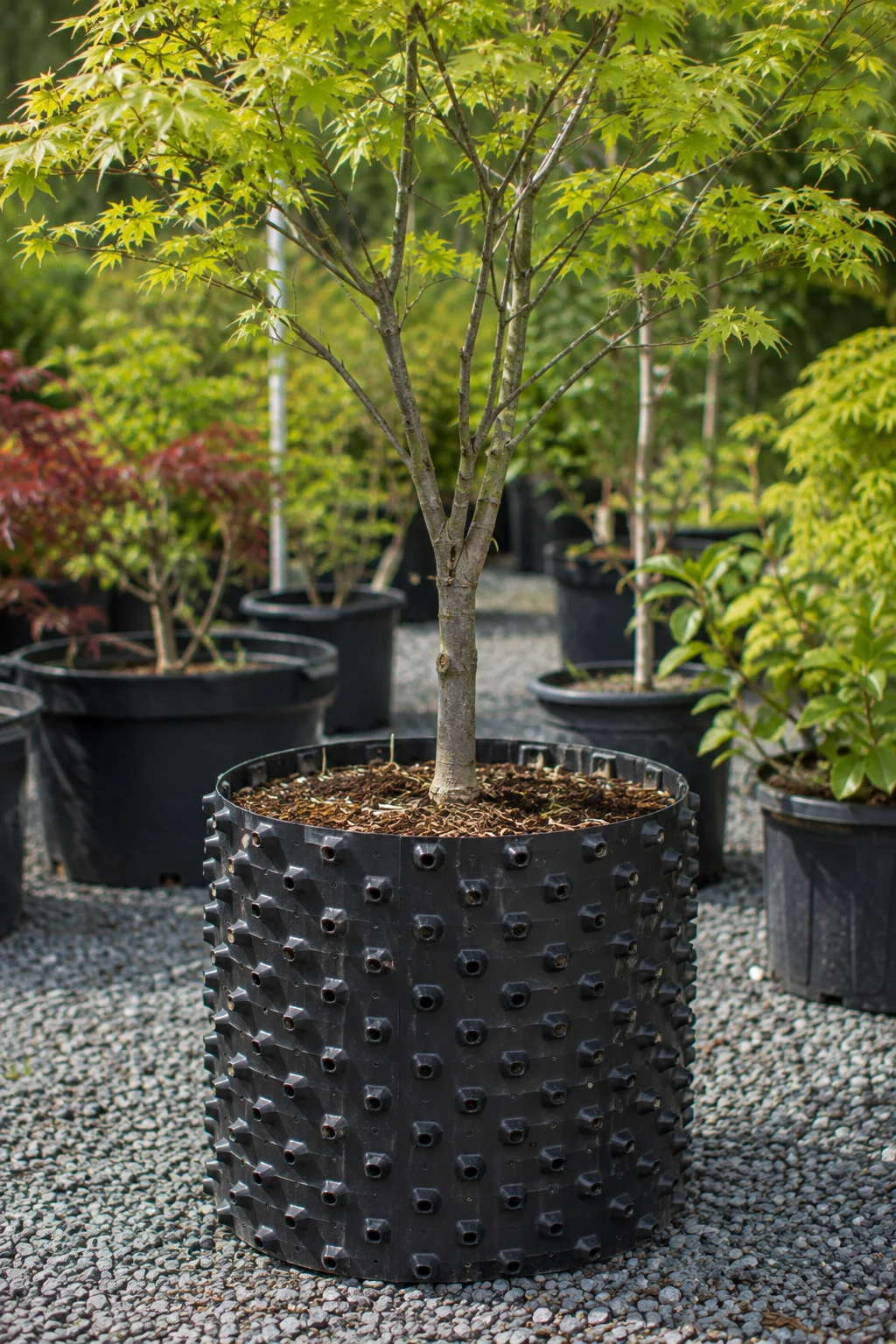
A specialized container designed to air-prune roots at the pot’s edge keeps a potted tree healthier over many years than a standard smooth-sided pot, which tends to encourage roots to circle and eventually girdle themselves.
34. Recycled and Upcycled Containers
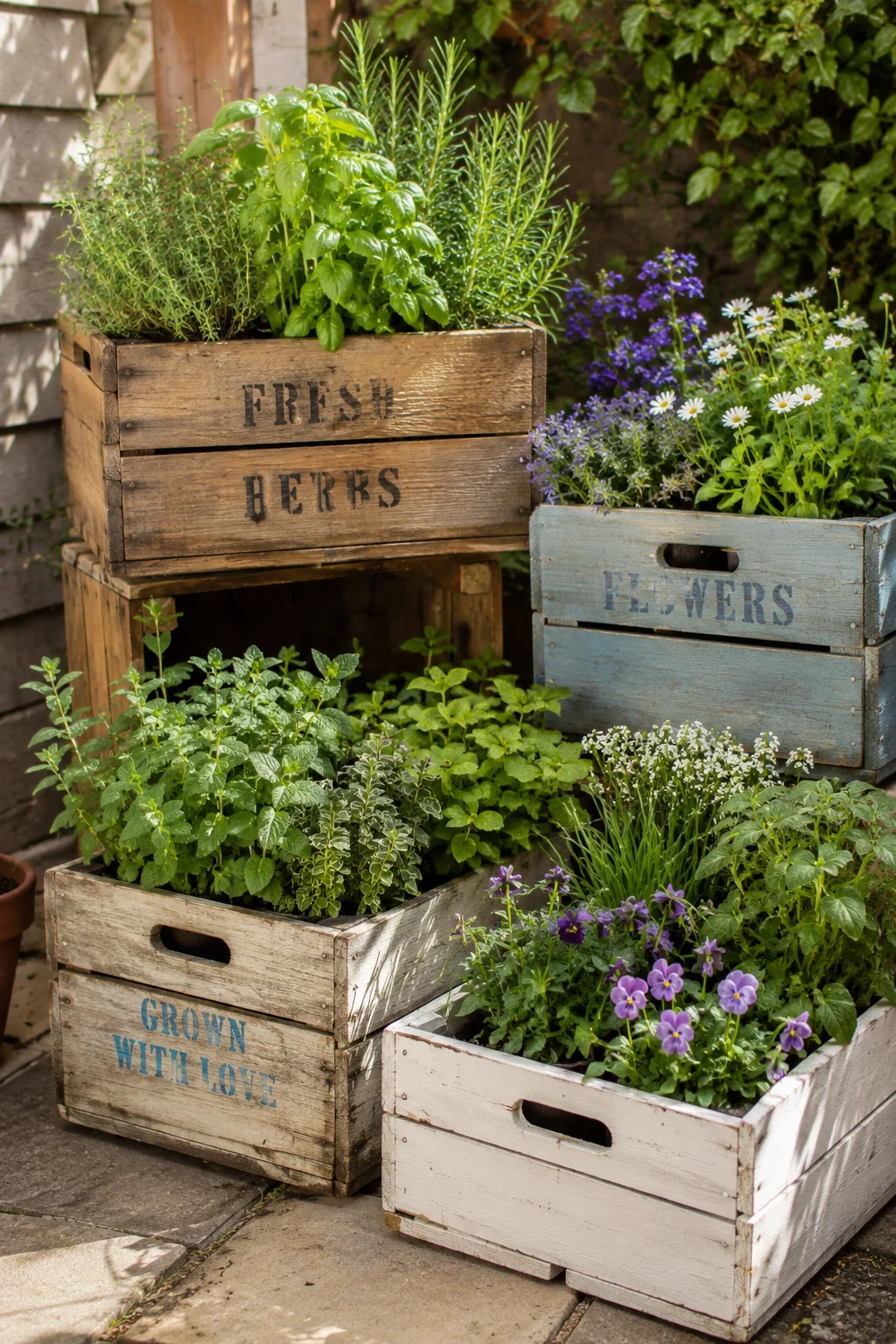
Old crates, tin cans, or even a repurposed tire, cleaned and drilled for drainage, make genuinely functional, low-cost containers with a distinct salvaged character that purpose-bought planters can’t replicate.
35. Miniature Fairy Garden Container
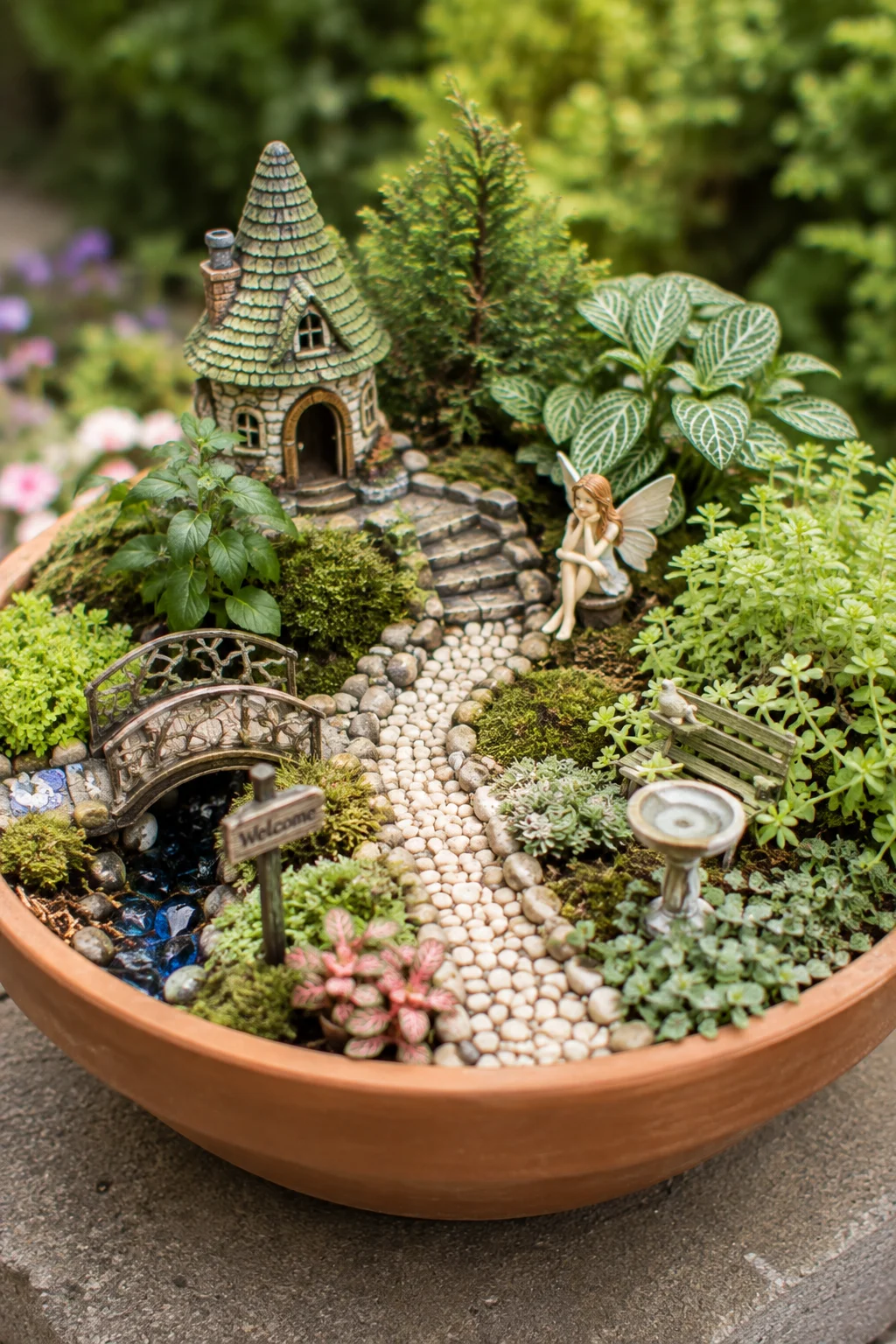
A single wide, shallow container planted with miniature plants, small paths, and tiny decorative accessories creates a charming, detailed feature that works well as a focal point on a table or entryway shelf.
Getting the Soil and Watering Basics Right
Regardless of style, most container garden failures trace back to the same two issues: potting mix that’s too dense to drain properly, and watering that doesn’t account for how much faster containers dry out compared to in-ground beds, especially in full sun or wind. According to container gardening guidance published by Clemson Cooperative Extension, a well-draining, lightweight potting mix rather than garden soil is essential for container health, since garden soil compacts in a contained space in a way it never would spread across an open bed (clemson.edu).
Choosing the Right Combination for Your Space
Most successful container gardens are built around one consistent material, one design formula, and a plant palette suited to the actual light and space available, rather than combining a wide mix of pot styles and colors in the same view. If you’re specifically planning containers to support pollinators, our container pollinator garden guide covers plant choices suited to attracting bees, and our balcony garden ideas guide covers additional space-saving container techniques if you’re working with a genuinely tight footprint.
Final Thoughts
A beautiful container garden comes down to consistency more than variety — one material or color palette repeated across a grouping, a reliable design formula like thriller-filler-spiller, and plant choices matched to the season and the container’s actual growing conditions. Start with a handful of pots executed well rather than a wide, mismatched collection, get the drainage and watering basics right from the start, and swap seasonal plantings as the year moves rather than expecting a single spring planting to carry a container all year round.