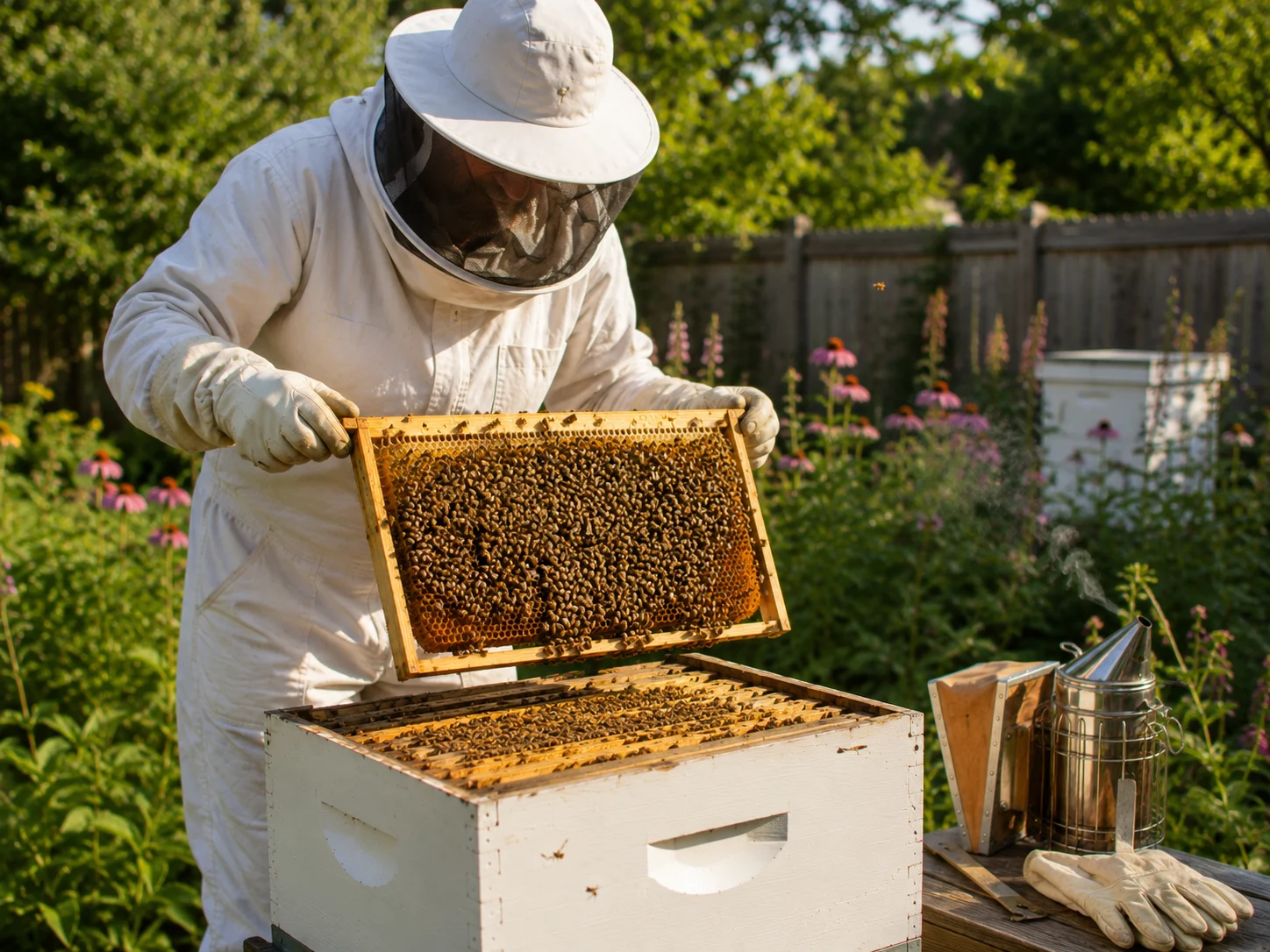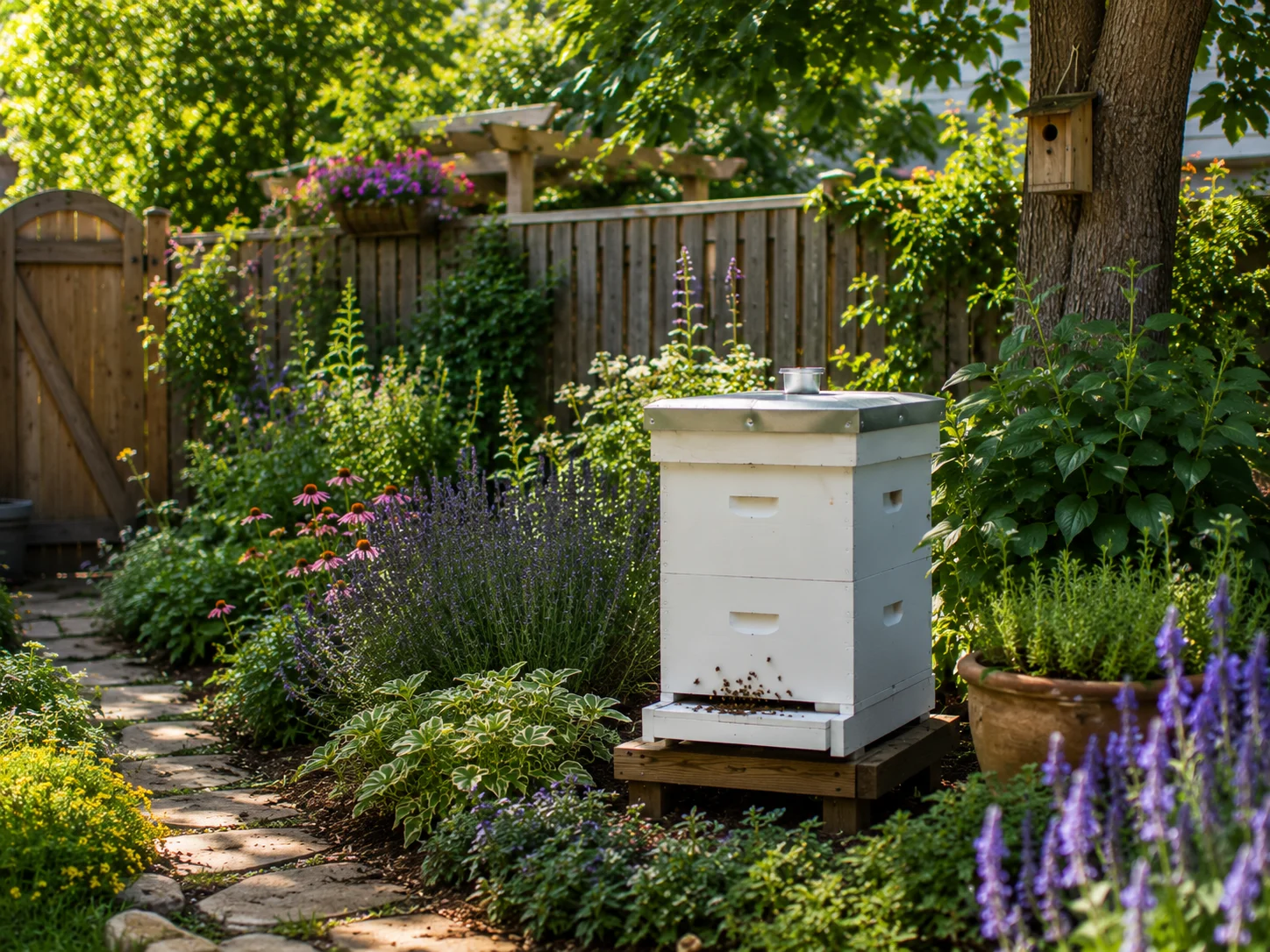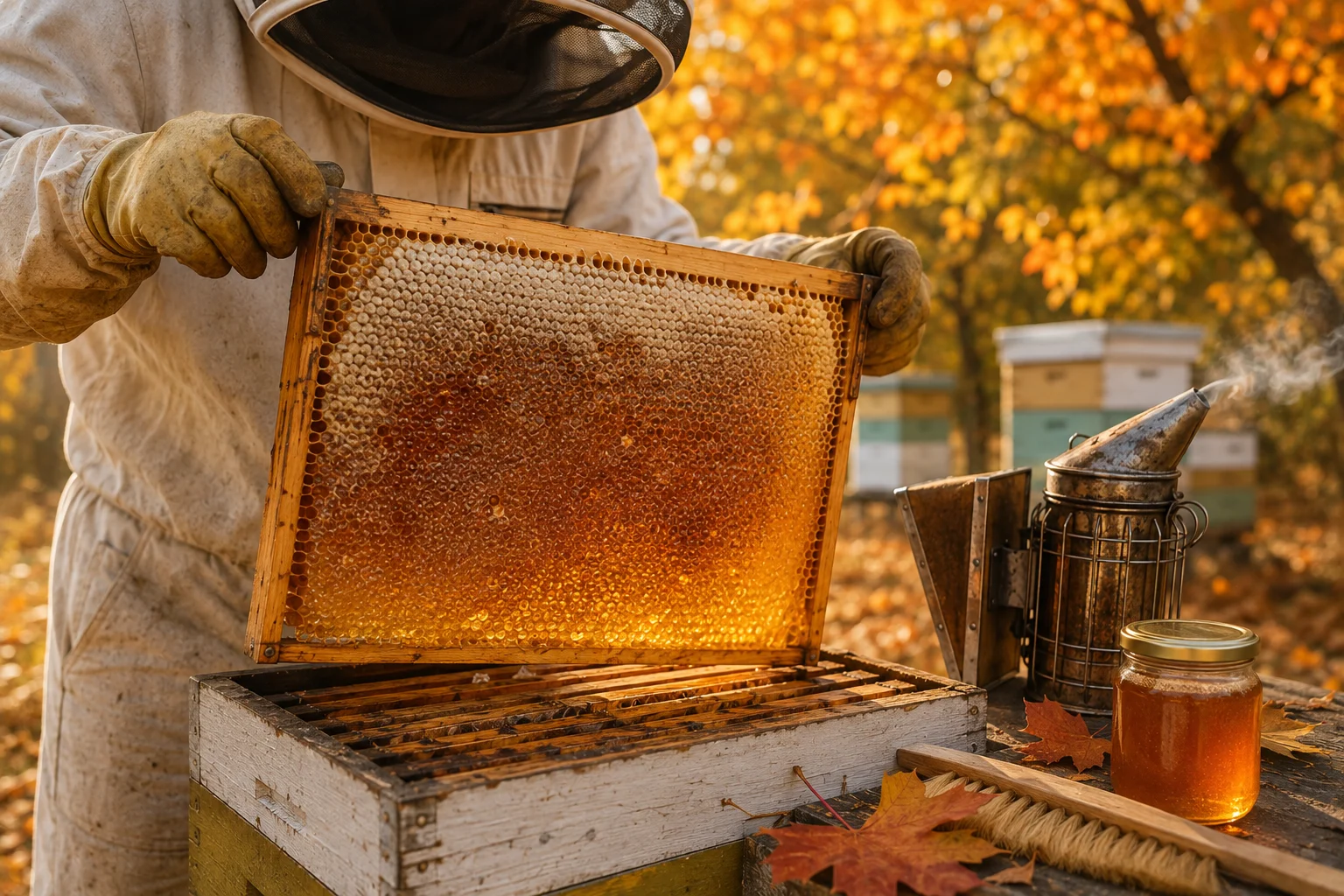

Summer is when backyard beekeeping stops being romantic and starts testing whether your setup is actually good.
A strong colony can handle heat better than beginners think, but that does not mean you can leave a hive baking in full afternoon sun, dry as a brick, with no airflow and no water source. That is not “letting bees be natural.” That is lazy beekeeping with a cute excuse.
Honey bees are brilliant at regulating hive temperature. Research on honey bee thermal homeostasis shows colonies work together to keep brood areas around 34–36°C, because developing brood needs a narrow temperature range to stay healthy. But when outside heat, poor placement, crowding, and bad ventilation stack up, the bees have to spend more energy cooling the hive instead of foraging, raising brood, and storing food. (PMC)
This guide will show you how to keep a backyard beehive cool in summer using practical, beginner-friendly steps: shade, water, ventilation, spacing, hive stands, and heat-stress warning signs.
Why Summer Heat Can Become a Real Hive Problem
A beehive is not just a wooden box sitting in the garden. It is a crowded living system full of bees, brood, honey, wax, moisture, and heat.
Inside the hive, bees are constantly managing temperature. When it gets hot, they may:
- Bring water into the hive
- Fan their wings to move air
- Spread out inside the box
- Cluster outside the entrance
- Reduce crowding around the brood nest
- Redirect workers from foraging to cooling work
That last point matters. Every bee cooling the hive is a bee not collecting nectar, pollen, or water for long-term colony strength.
Summer heat becomes especially risky when several bad factors overlap:
- Full afternoon sun
- Poor ventilation
- No nearby water
- Overcrowding
- Dark hive equipment
- No shade relief
- Hive placed on hot concrete or against a heat-reflecting wall
- Weak colony unable to regulate temperature well
One hot day is not usually the disaster. The disaster is a bad summer setup repeated every day until the colony is exhausted.
How to Tell If Your Beehive Is Too Hot
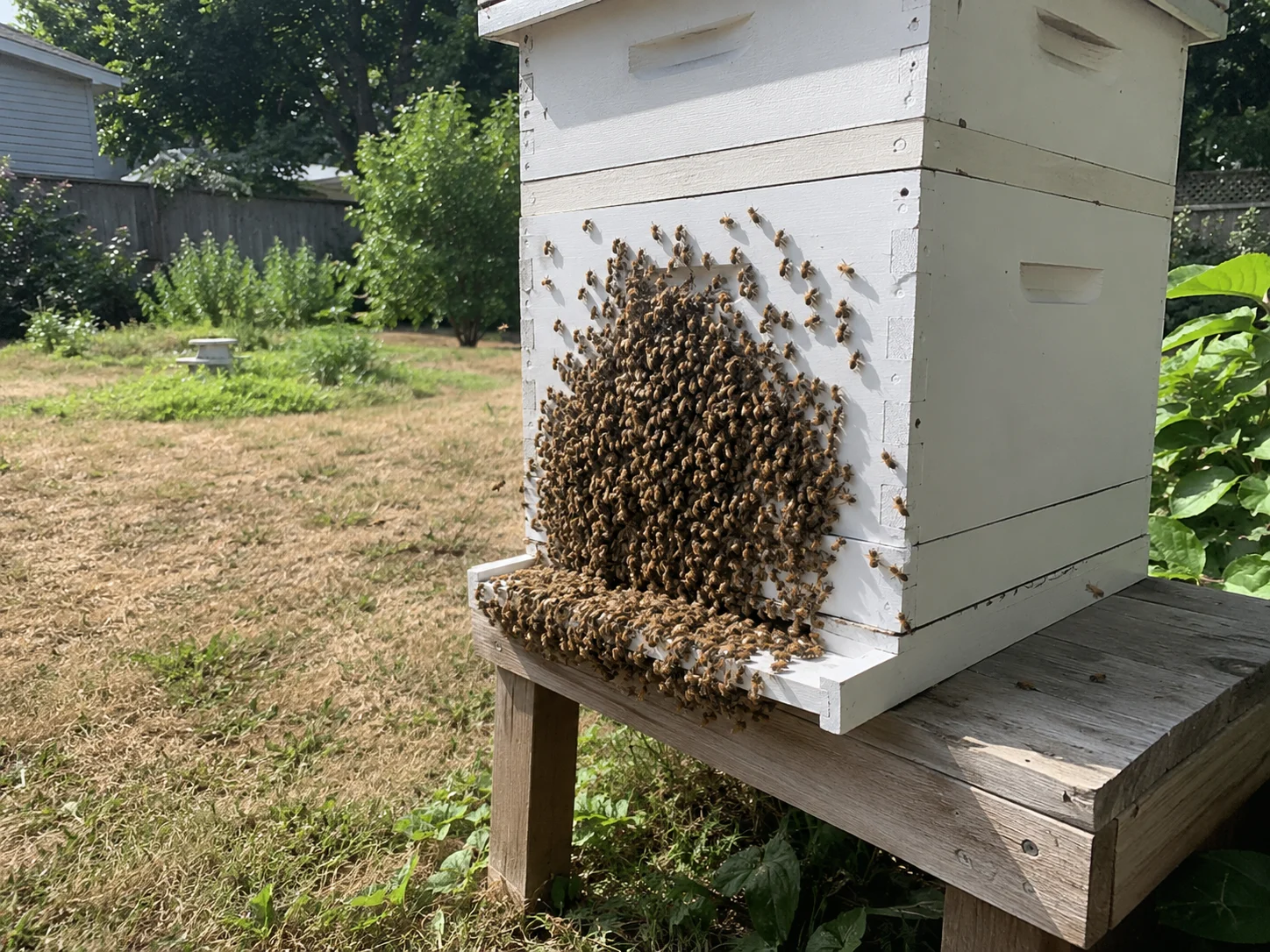
The most obvious summer sign is bearding.
Bearding is when bees gather on the outside of the hive, often around the entrance or hanging down the front like a beard. It can look alarming if you are new, but it is not automatically an emergency.
UC Agriculture and Natural Resources explains that when the inside temperature rises, bees may bring in more water and beard outside the entrance to reduce heat load inside the colony. (UC Agriculture and Natural Resources)
Normal Summer Bearding
Bearding may be normal when:
- It happens in the late afternoon or evening
- The colony is large and strong
- Bees look calm
- There is no frantic running
- The hive has water, shade, and airflow
- Bees go back inside as the temperature drops
Heat Stress Warning Signs
Start paying closer attention if you see:
- Bees bearding heavily all day
- Bees clustering outside in direct sun with no shade
- Bees fanning intensely at the entrance for long periods
- Bees acting agitated or disorganized
- Dead bees near the entrance during extreme heat
- Comb softening or sagging
- Brood problems after repeated heatwaves
- A weak colony with poor population control
Do not panic over one beard. Panic over the setup that forces it to happen constantly.
1. Give the Hive Morning Sun and Afternoon Relief
The best summer hive location is usually not deep shade and not brutal full sun. It is a balance.
A strong setup gives the hive:
- Morning sun to warm and dry the entrance
- Afternoon shade during the hottest part of the day
- Open airflow around the hive
- Protection from reflected heat
Morning sun is useful because it gets bees active earlier and helps reduce dampness. But full afternoon sun can turn the hive area into a heat trap, especially in hot climates.
The dumb version of hive placement is putting the hive wherever the yard looks empty. The smart version is asking: what will this spot feel like at 3 p.m. in July?
Good summer shade options include:
- A small deciduous tree
- A shade cloth raised above the hive
- A nearby hedge
- A pergola-style cover
- A fence that blocks harsh late-day sun
- Tall seasonal planting that does not trap humidity
Bad shade options include:
- Dense damp shade all day
- Heavy branches directly above the hive
- Overgrown weeds around the entrance
- Shade cloth touching the hive and blocking airflow
- A dark, enclosed corner with no breeze
For more on getting the original site right, use this together with backyard beehive placement before problems start.
2. Provide Reliable Water Before the Bees Choose Their Own
Bees need water to cool the hive. If you do not provide it, they will find it somewhere else.
And they will not care if that “somewhere else” is your neighbor’s pool, dog bowl, birdbath, or dripping outdoor tap.
A good bee water source should be:
- Close enough for bees to find easily
- Available every day
- Shallow
- Safe to land on
- Refilled before it dries out
- Placed before the heatwave arrives
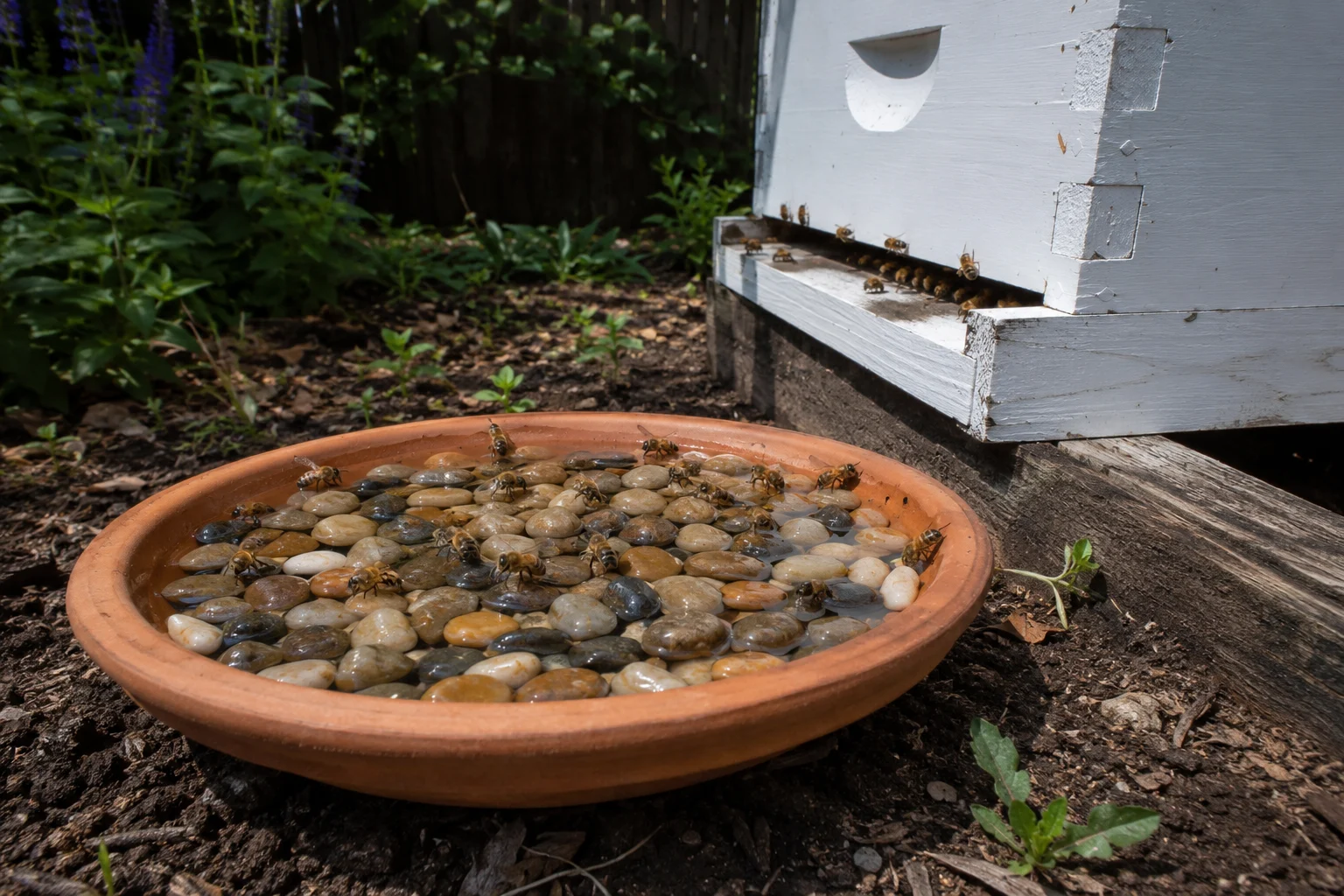
The simplest setup is a shallow dish filled with pebbles, stones, corks, or marbles. The bees land on the hard surfaces and drink without drowning.
Better options include:
- Terracotta saucer with pebbles
- Birdbath with landing stones
- Shallow tray with floating corks
- Dripping water station
- Small basin with rough rocks
Do not create a deep open bowl of water. That is not a bee water source. That is a drowning trap.
Where to Put the Bee Water Source
Place water:
- Near the hive but not directly in the entrance path
- In a consistent location
- In partial shade if possible
- Away from high-traffic human areas
- Before summer heat becomes severe
Once bees memorize a water source, they return to it. That is why you set it up early. Trying to redirect bees after they discover the neighbor’s pool is a miserable game.
3. Improve Ventilation Without Turning the Hive Into a Draft Box
Ventilation matters, but beginners often overcorrect.
The goal is not to rip the hive open and let every breeze blast through the brood nest. The goal is to help warm, moist air escape while still allowing bees to control their internal environment.
Useful summer ventilation options may include:
- Screened bottom board
- Slightly propped outer cover
- Ventilated inner cover
- Upper entrance, if appropriate for your setup
- Enough box space for colony size
- Keeping grass and weeds away from the entrance
But do not blindly add every ventilation trick at once. That is how beginners create chaos and then blame the bees.
Smart Ventilation Rules
Use these rules:
- Change one thing at a time.
If you add a screened bottom board, do not also add three upper vents and a huge entrance change the same day. - Watch the colony response.
If bees become defensive, exposed, or disorganized, you may have overdone it. - Protect against robbing.
Large openings during nectar dearth can invite robbers, especially in late summer. - Keep rain out.
Ventilation that allows water into the hive is not clever. It is bad design.
For a deeper heat-specific guide, connect this post to preventing hive overheating in a heatwave.
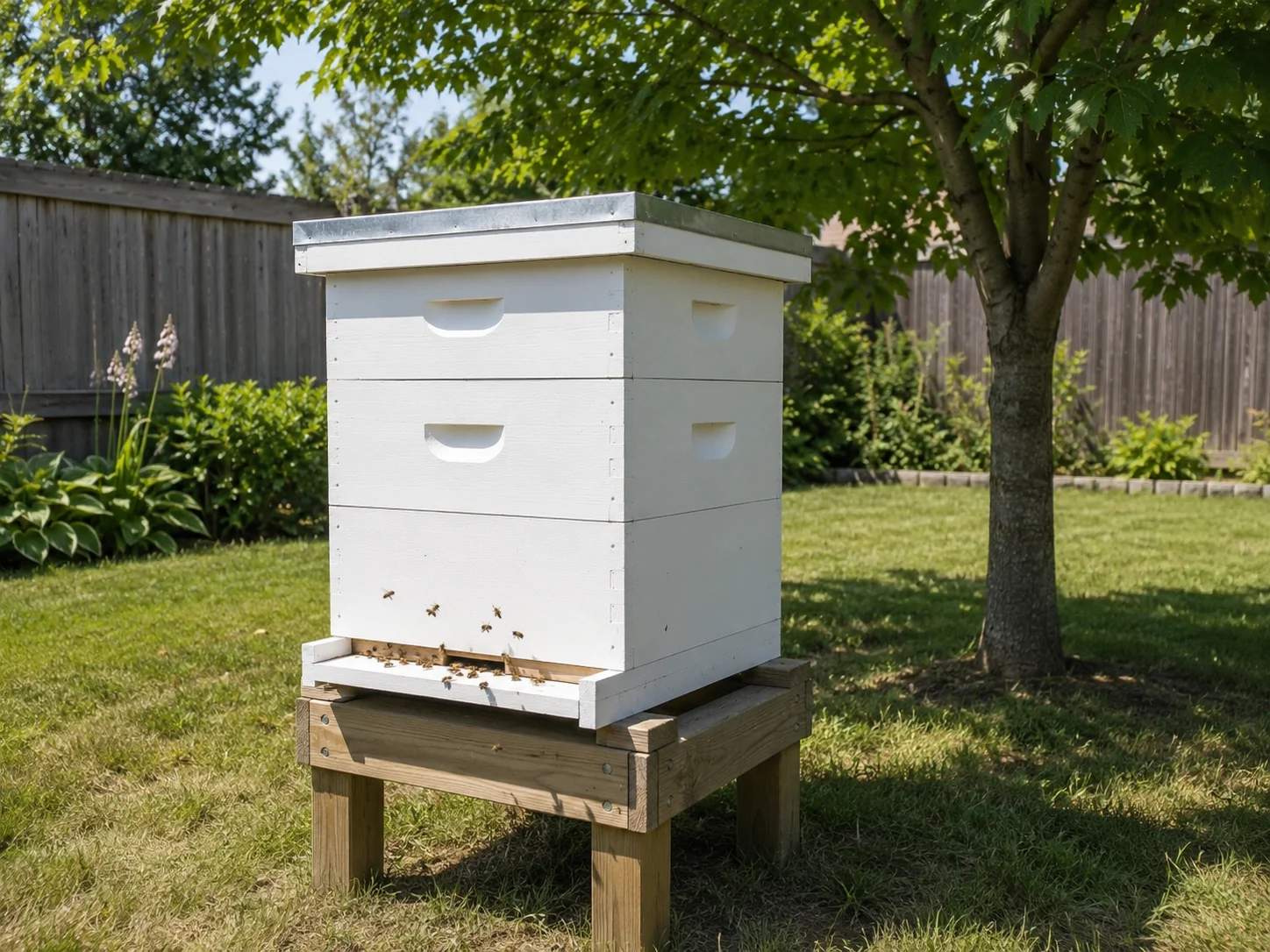
4. Raise the Hive Off the Ground
A hive sitting directly on the ground is beginner nonsense.
Raise it.
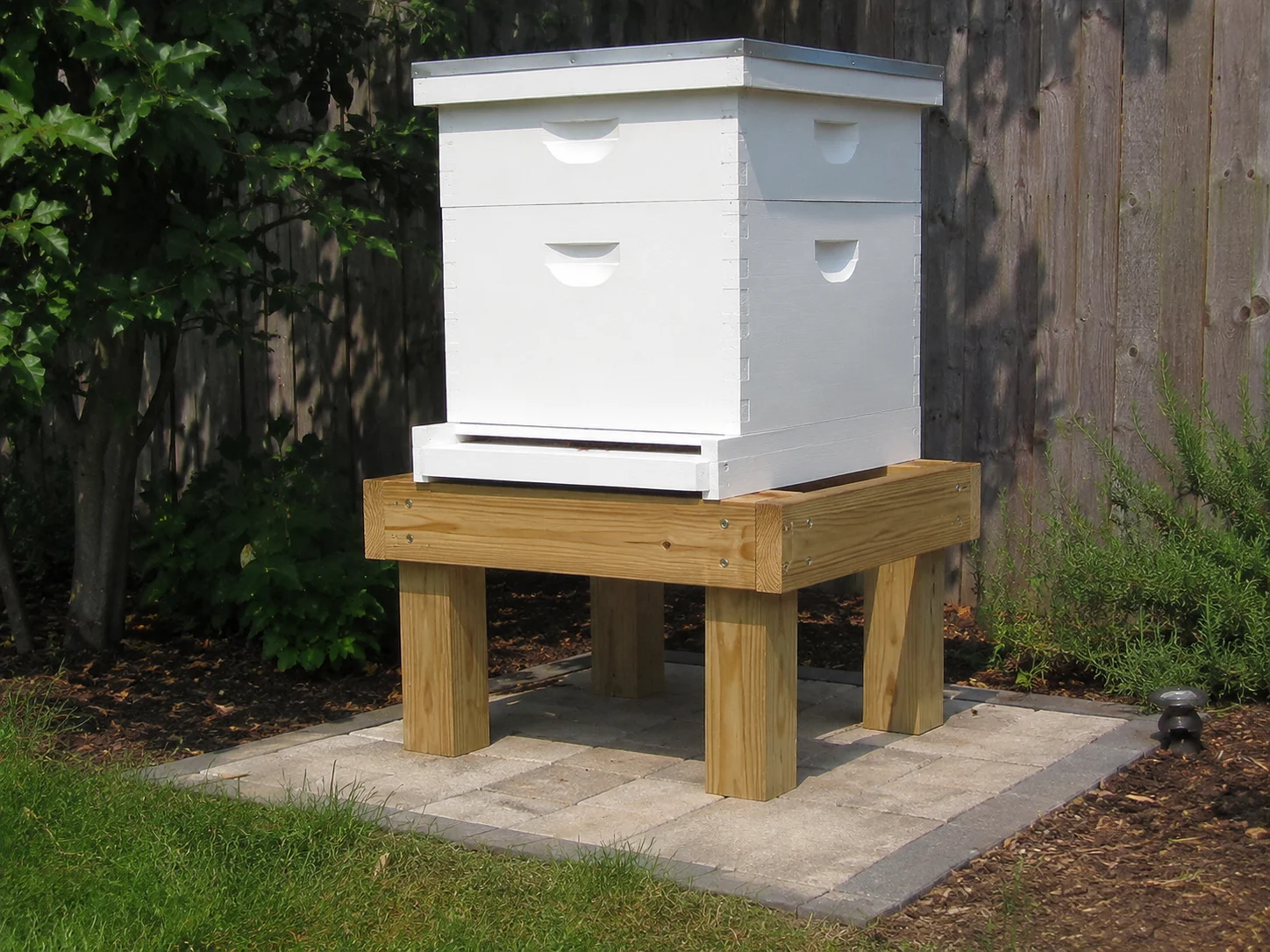
A proper hive stand helps with:
- Airflow under the hive
- Moisture reduction
- Easier inspections
- Keeping grass away from the entrance
- Reducing ground heat and dampness
- Better working height for the beekeeper
You do not need a fancy stand. You need a stable one.
Good hive stand options:
- Concrete blocks with wooden rails
- Metal hive stand
- Treated wooden stand
- Level pavers with a raised frame
- Sturdy bench-style stand
Bad hive stand options:
- Wobbly scrap wood
- Uneven rocks
- Soft soil that sinks after rain
- Tall unstable platforms
- Anything that shifts when boxes are heavy
Honey supers get heavy. A full hive is not a decoration. If the stand is weak, fix it before summer, not after the hive is loaded.
5. Give a Strong Colony Enough Space
Overcrowding makes heat management harder.
A crowded hive has more bodies producing heat, less room for airflow, and more pressure around the brood nest. In summer, strong colonies may need additional space depending on nectar flow, colony size, and local management practices.
Signs the colony may be crowded include:
- Heavy bearding even when conditions are not extreme
- Bees packed tightly across frames
- Little open space for nectar storage
- Comb building in unwanted spaces
- Congestion around the brood nest
- Swarm preparation signs during the right season
Adding space is not always the answer, but ignoring crowding is lazy.
You need to inspect properly and understand whether the colony needs:
- Another brood box
- A honey super
- Better frame management
- Swarm control
- Improved airflow
- Less entrance congestion
For newer beekeepers working in tight spaces, this pairs naturally with small garden beekeeping in under 50m².
6. Avoid Heat-Reflecting Hive Locations
Some backyard locations are hotter than they look.
Avoid placing hives:
- Against south-facing walls in hot climates
- On bare concrete with no shade
- Beside metal sheds
- Near asphalt driveways
- In enclosed corners
- Behind solid fencing with no airflow
- In spots that trap late afternoon heat
These locations can reflect and hold heat long after the air temperature drops. Your weather app may say one temperature, but the hive’s microclimate may be much hotter.
That is the part beginners miss: the hive does not experience the average temperature. It experiences the exact spot you chose.
7. Keep the Entrance Clear
In summer, bees need smooth traffic at the entrance.
Keep the entrance free from:
- Tall grass
- Weeds
- Fallen leaves
- Dead bees
- Random equipment
- Water dishes placed too close
- Garden ornaments
- Narrow barriers
The entrance is not just a door. It is a landing strip, ventilation point, guard station, and traffic zone. Blocking it makes everything harder.
Trim vegetation around the hive, but do not turn the area into bare scorched ground. You want open access, not a heat island.
8. Use Light-Colored Hive Equipment
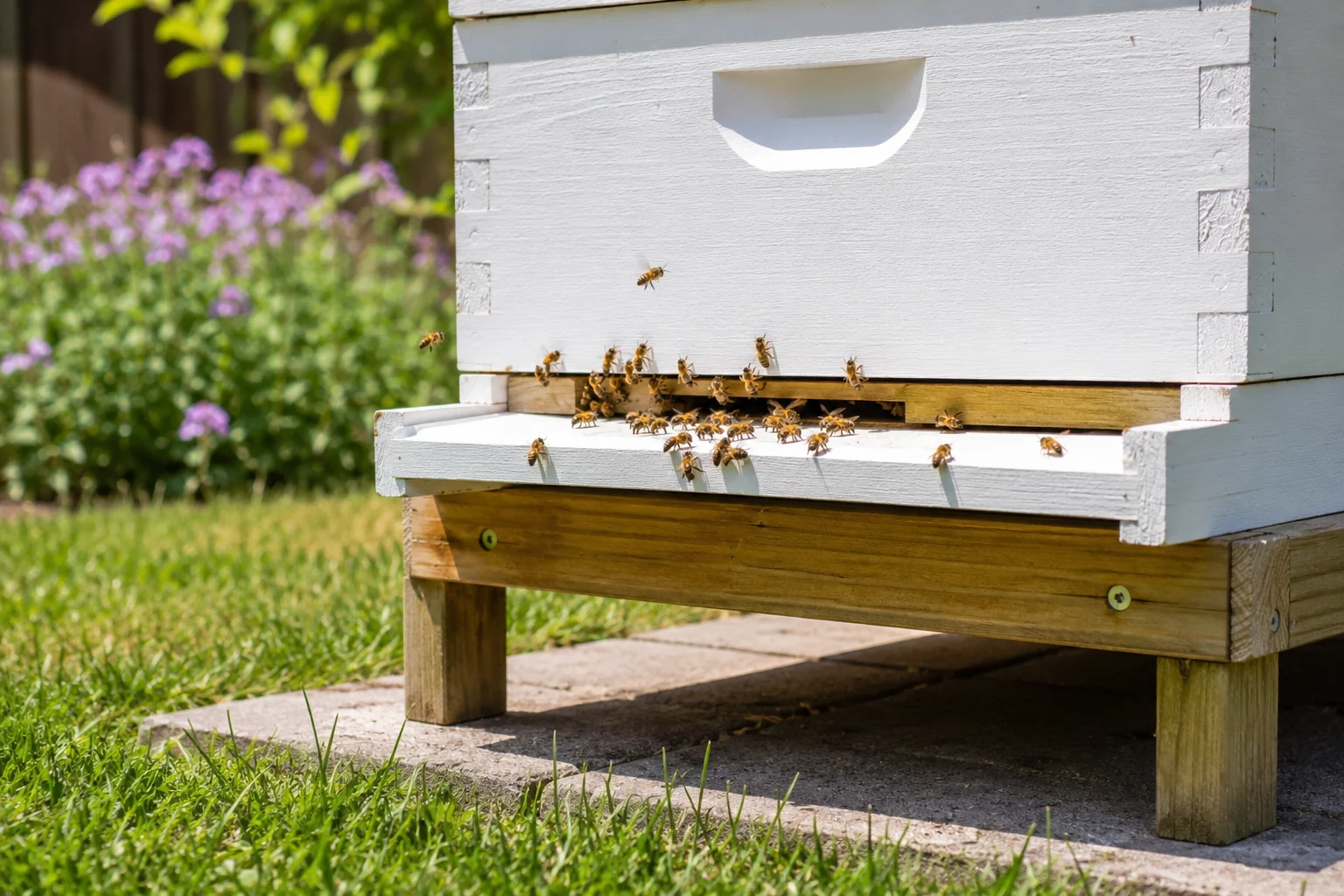
Dark colors absorb more heat. Light-colored hive boxes reflect more sunlight.
This is basic, but people still mess it up because they want the hive to look stylish.
For hot summer regions, choose:
- White
- Cream
- Pale yellow
- Light gray
- Soft natural wood tones if protected properly
Avoid dark paint in harsh climates unless you have a very specific reason and know what you are doing.
A black or dark brown hive in full summer sun may look cool on Pinterest, but the bees are the ones paying the bill.
Summer Beehive Cooling Checklist
Before the worst heat arrives, check this:
- Morning sun: yes
- Afternoon shade: ideally yes
- Water source nearby: yes
- Hive raised off ground: yes
- Entrance clear: yes
- Good airflow: yes
- No heat-reflecting wall: yes
- No overcrowding: inspect and confirm
- Ventilation appropriate: yes
- Stand stable: yes
- Grass trimmed: yes
- Shade cloth not blocking airflow: yes
If your answer is “no” to half of these, your summer setup is weak. Fix the boring basics first.
What Not to Do During Summer Heat
Some “solutions” are worse than the problem.
Do not:
- Spray the hive with water aggressively
- Open the hive repeatedly during peak heat
- Move the hive suddenly without a plan
- Block the entrance with shade materials
- Add excessive ventilation all at once
- Leave sugar syrup fermenting in heat
- Ignore a dry water source
- Assume all bearding means swarming
- Panic and tear the hive apart at 3 p.m.
The most dangerous beginner habit is emotional beekeeping: see something scary, react fast, make it worse.
Observe first. Then act.
Conclusion: Cool Hives Start With Smart Setup
Keeping a backyard beehive cool in summer is not about one magic trick. It is about stacking simple advantages:
- Give the hive morning sun and afternoon relief
- Provide reliable water before bees find a bad source
- Improve ventilation carefully
- Raise the hive off the ground
- Avoid heat-reflecting locations
- Keep the entrance clear
- Manage overcrowding before it becomes stress
A strong colony can do an impressive amount of cooling on its own. Your job is not to micromanage every degree inside the hive. Your job is to stop making their job harder.
So before the next heatwave hits, walk outside and look at your hive like a ruthless beekeeper:
Is this setup helping the bees stay cool — or forcing them to fight the yard you gave them?