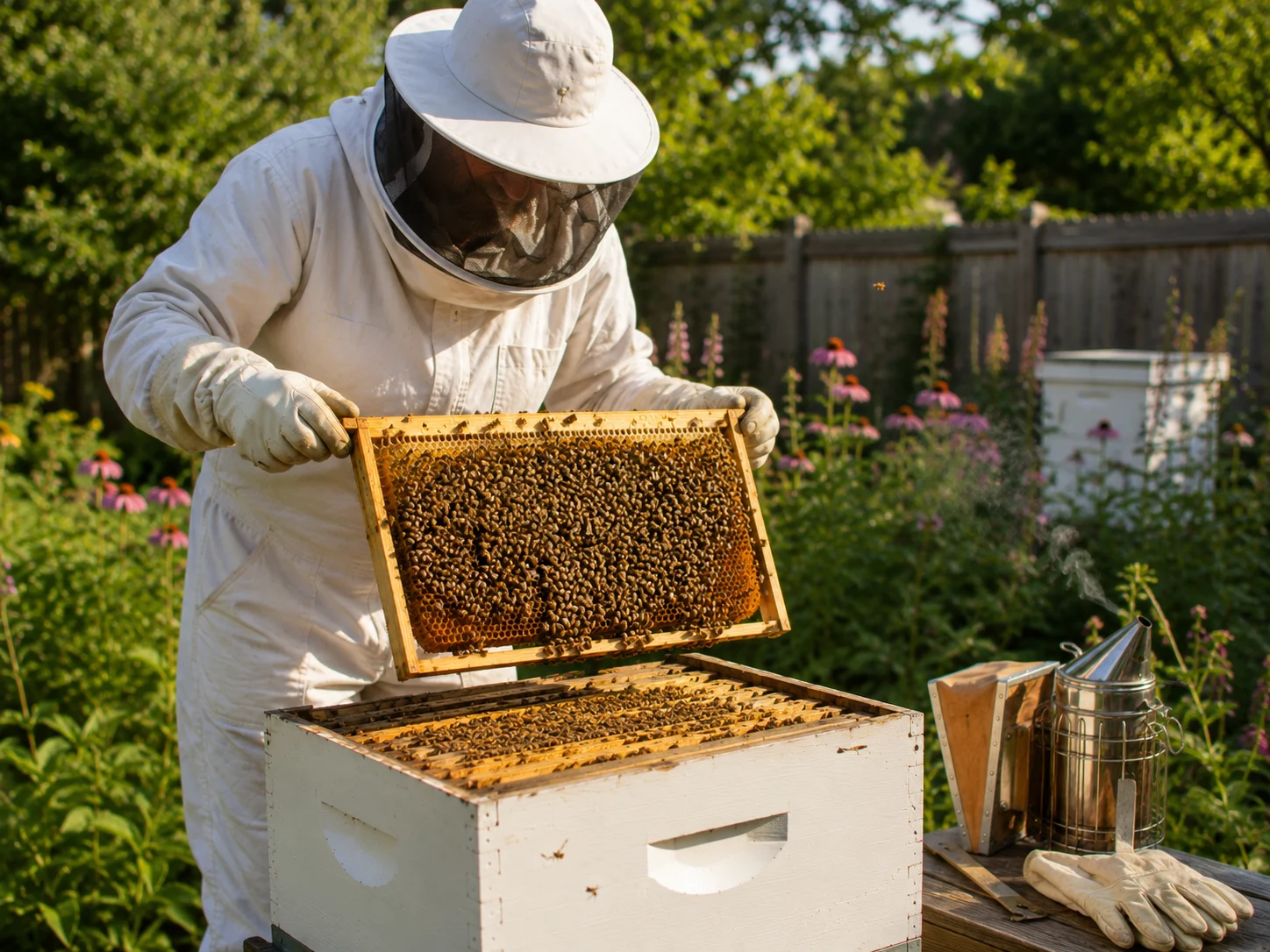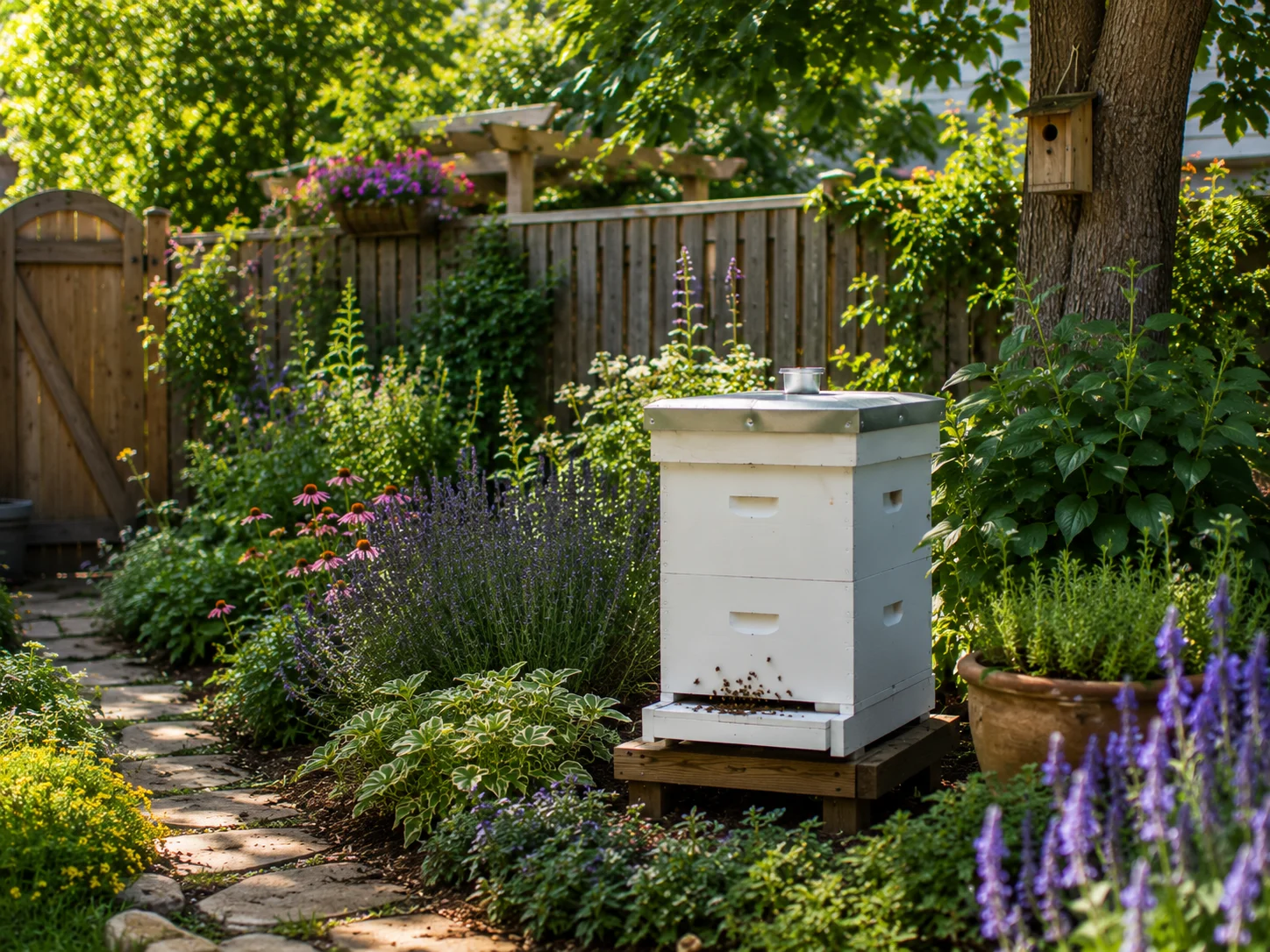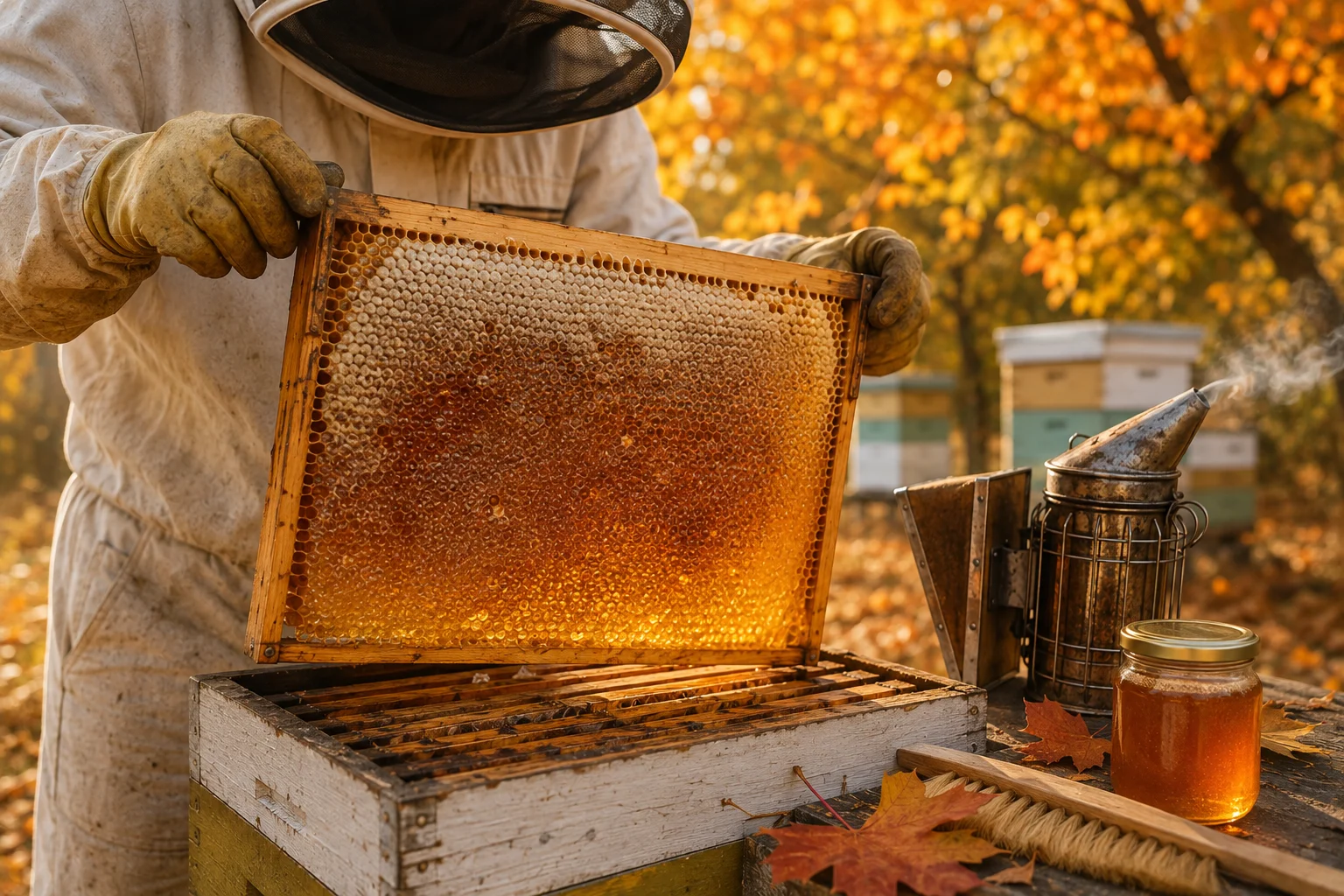

Somewhere inside a humming, warm, impossibly busy hive in the height of summer, a single bee is laying an egg every 20 seconds.
She has been doing this since dawn. She will continue until dusk. She will do it again tomorrow. For weeks on end, through the longest and most demanding months of the colony’s year, the queen is the biological engine at the center of everything — not commanding, not directing, not even aware of the scale of the operation she sustains. She simply lays, and the colony organizes itself around that singular act with a precision that has no parallel in the natural world.
At peak summer population, a thriving Apis mellifera colony contains between 50,000 and 80,000 individuals. The foraging workforce alone can number 20,000 bees making multiple trips per day across a three-mile radius. The brood nest holds up to 200,000 eggs, larvae, and pupae at various stages of development simultaneously. The honey storage frames are being filled and capped faster than at any other point in the year. The thermal regulation system is running at full capacity. And beneath all of it, sustaining the whole extraordinary enterprise, is one queen — a single reproductive female whose daily output of fertilized eggs is the only thing standing between the colony and its collapse.
This post is a deep, thorough look at what that actually means. We’ll cover the queen’s reproductive physiology, her daily laying rhythm and what disrupts it, the mechanics of pheromone-based colony control at scale, what peak population means for colony dynamics and beekeeper management, and how to recognize — and respond to — a queen that’s beginning to fail under the pressure of summer.
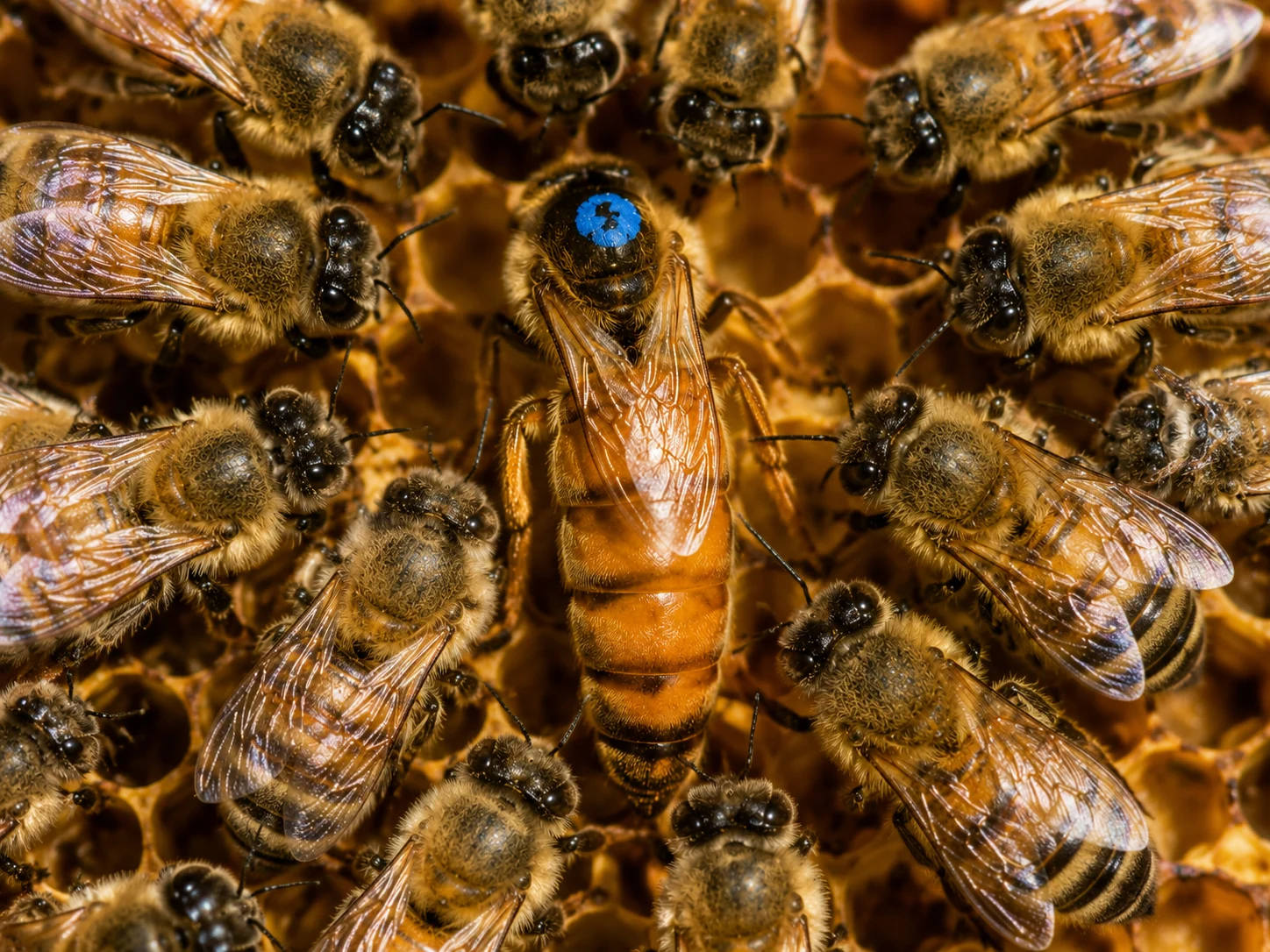
The Queen’s Body: Built for One Thing
To understand what the queen does in summer, you have to start with what she is — because she is physiologically, neurologically, and behaviourally almost a different species from the workers that attend her.
She emerges from the same fertilized egg as a worker. For the first three days, the larva that will become a queen is fed exactly the same diet as any worker larva. Then something decisive happens: the workers seal the larval fate through differential feeding. The queen larva receives unlimited royal jelly — a protein-rich secretion produced by the hypopharyngeal glands of young nurse bees — while worker larvae receive progressively less and transition to a mixture of pollen, nectar, and royal jelly as they develop. This dietary difference triggers a fundamentally different developmental pathway.
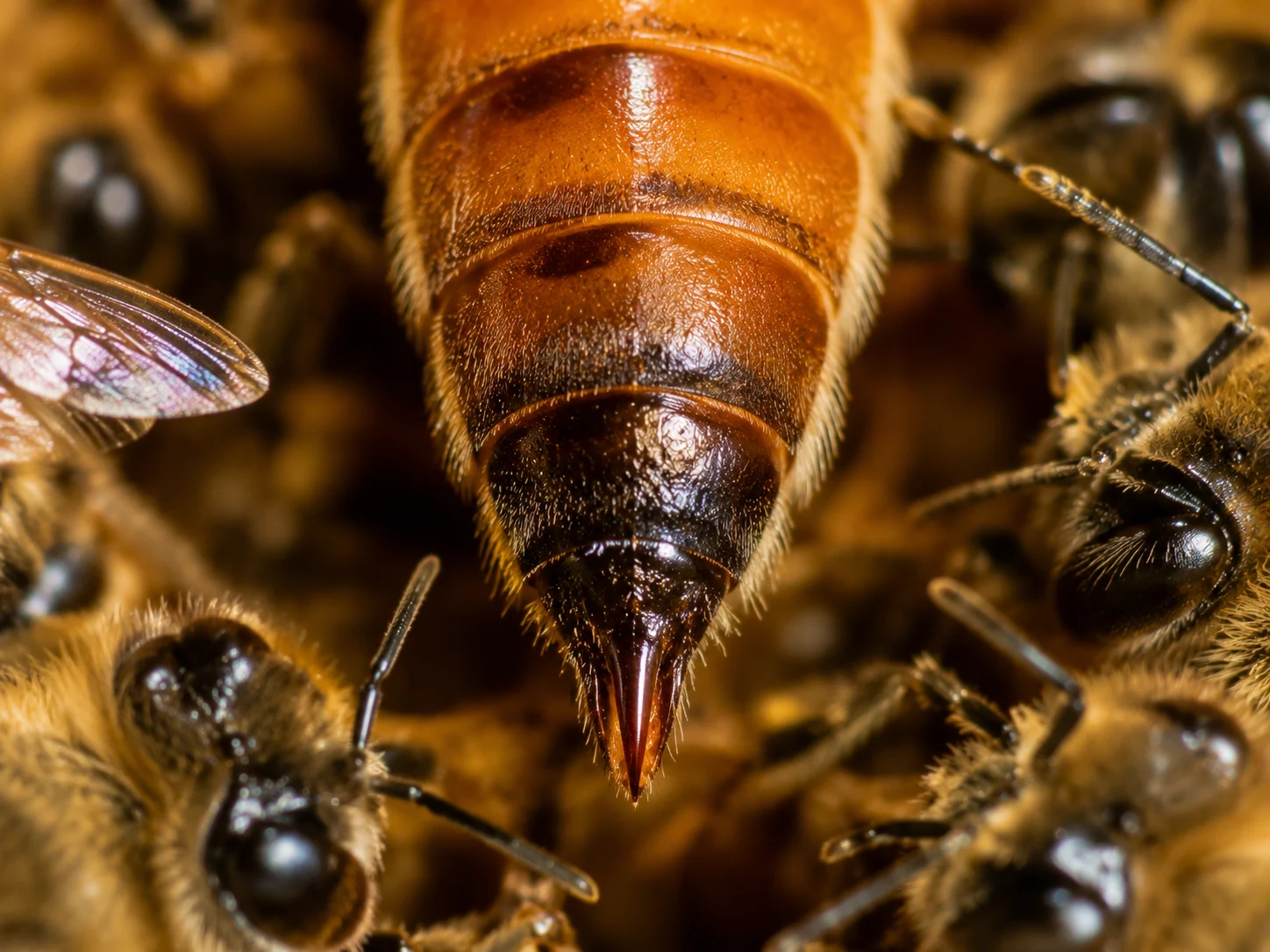
The adult queen that emerges is dramatically different from a worker in almost every measurable way. She lives three to five years compared to a summer worker’s six weeks. Her abdomen is substantially longer, housing ovaries that contain up to 1.5 million eggs in various stages of development. Her mandibles are shaped for fighting rival queens, not manipulating wax or collecting pollen. She has no pollen baskets, no wax glands, no venom apparatus oriented for foraging defence, and no capacity for the full range of tasks a worker performs. She is, in the most literal sense, a reproductive specialist — a body built for one function executed at industrial scale.
Her spermatheca — a small organ in her abdomen — stores the sperm from her mating flights in a state of suspended viability for her entire reproductive life. A well-mated queen mates with 12–20 drones during her mating flights in the days following emergence, collecting and storing millions of sperm cells that she will draw on one by one for the next three to five years. Every fertilized egg she lays — every worker and every queen — is fertilized from that original stored supply. She never mates again.
The Daily Laying Rhythm: 1,500 to 2,000 Eggs Per Day
At peak summer production, a high-quality queen lays between 1,500 and 2,000 eggs per day. That works out to roughly one egg every 30–45 seconds across a 16-hour active period — a sustained output that requires the queen to be in almost continuous motion through the brood nest, attended at every step by a rotating retinue of 8–12 worker bees.
The laying process for each individual egg takes only seconds. The queen moves across the face of a comb, pauses at an empty cell, inserts her abdomen, assesses the cell with sensory organs on her legs and abdomen, and deposits a single egg standing upright at the base of the cell, attached by a thin stalk of mucilage. She moves immediately to the next cell. The workers around her continuously groom her, feed her, and pass information to and from her through antennal contact and trophallaxis.
Her assessment of each cell is a genuine decision with biological consequences. When her abdomen enters a worker-sized cell, she releases a fertilized egg — one sperm cell is drawn from the spermatheca and merges with the egg as it passes through the oviduct. When she encounters a drone-sized cell (distinctly larger, with a domed rather than flat capping), she withholds fertilization — the unfertilized egg that results develops into a male drone through arrhenotoky, the form of parthenogenesis that governs hymenopteran sex determination. The queen is making this fertilization decision thousands of times per day, apparently through tactile sensing of cell diameter and depth alone.
What affects daily egg output:
- Available empty cells — The queen cannot lay faster than the workers can prepare cells. If the brood nest is congested — backfilled with nectar during a heavy flow, or simply too small for the colony’s population — laying rate drops regardless of the queen’s physiological capacity. This is one of the primary triggers for swarming behaviour and is why managing space before the colony runs out of room is the single most important swarm prevention tool a beekeeper has.
- Nutritional state — The queen is fed entirely by her attendants through trophallaxis. Her egg production is directly dependent on the quality and quantity of food she receives, which in turn depends on the colony’s pollen and nectar intake. During the summer nectar dearth, reduced foraging income often translates directly to a modest reduction in laying rate.
- Temperature — The brood nest must be maintained at 34–35°C for optimal queen performance. Heat stress that disrupts thermal regulation can cause the queen to slow or cease laying in affected areas of the comb — a response covered in depth in the full biology of what happens inside the hive when temperatures exceed the colony’s thermoregulation capacity.
- Pheromone feedback — The queen receives chemical signals from the brood and workers that modulate her laying behaviour. A brood nest already packed with healthy eggs and young larvae signals reproductive sufficiency; emerging queenlessness signals urgency. These feedback loops operate continuously.
Queen Pheromones: Chemical Governance of 60,000 Bees
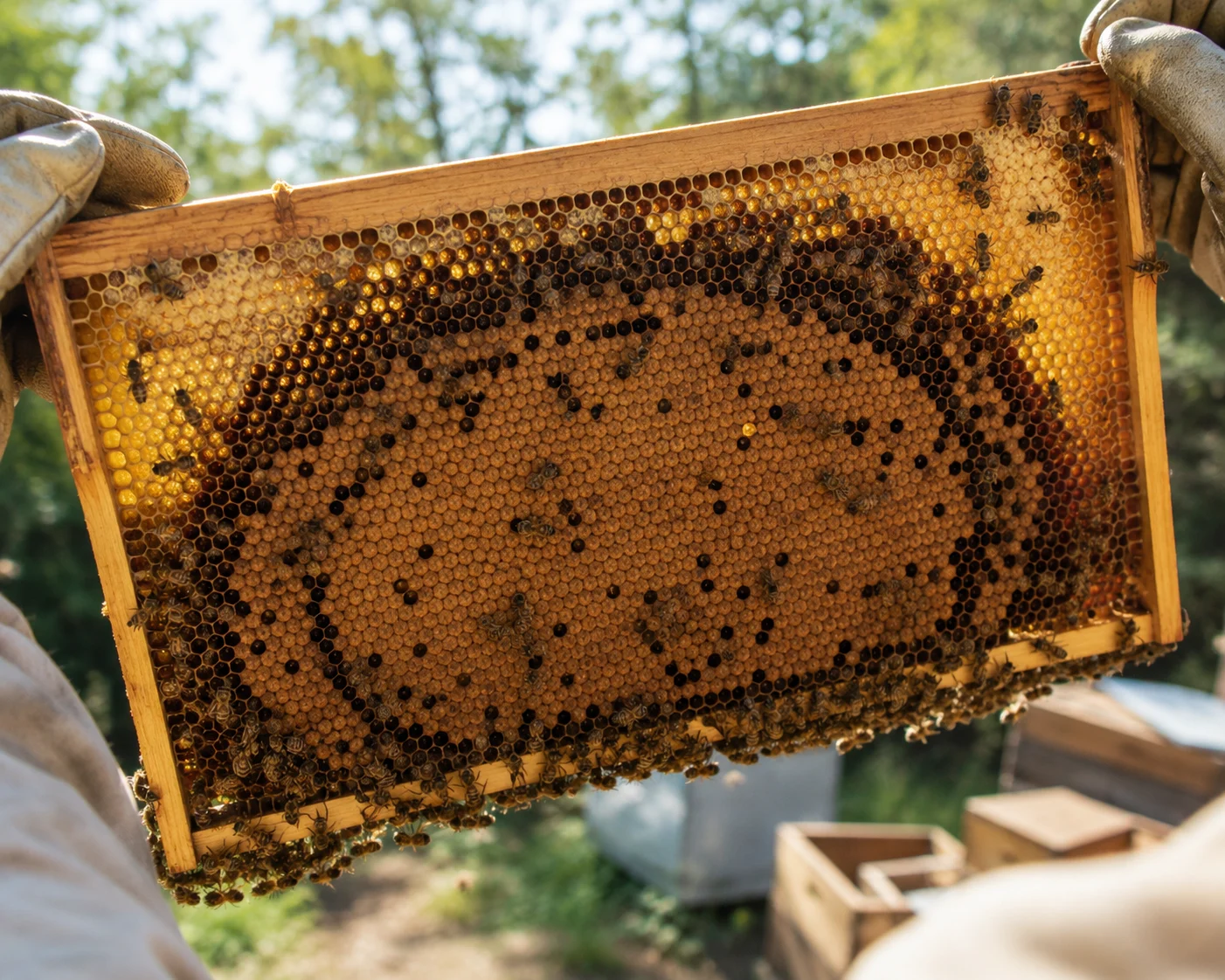
The queen does not manage the colony through behaviour. She does not direct workers, assign tasks, or communicate needs in any way that resembles conscious coordination. She manages the colony chemically — through a complex blend of pheromones that are continuously produced, distributed, and interpreted by every bee in the colony.
The Queen Mandibular Pheromone (QMP) is the most well-studied and most consequential. It is a blend of at least five major compounds — including (E)-9-oxodec-2-enoic acid (9-ODA), the primary long-range attractant — produced by the queen’s mandibular glands and distributed through the colony via direct contact and air movement. QMP is responsible for a remarkable range of colony-level effects:
- Suppression of worker ovary development — In the presence of sufficient QMP, workers do not develop functional ovaries and do not lay eggs. Remove the queen (and her pheromone source) and within 24 hours, some workers begin ovary development. Within days, laying workers can appear in a queenless colony.
- Swarm inhibition — Adequate QMP distribution suppresses the workers’ impulse to raise queen cells. When the colony becomes large enough that QMP cannot reach every worker — typically above a certain population threshold — queen cell construction begins. This is the chemical mechanism behind the population-driven swarming impulse.
- Retinue attraction — QMP is the primary chemical signal that draws the retinue of attendant workers to the queen. The retinue bees groom her, feed her, and — critically — pick up QMP from her body surface and distribute it through the colony via trophallaxis and body contact.
- Forager activation — QMP has been shown to influence foraging motivation and recruitment dance activity in workers. A colony with a strongly-producing queen is a more behaviourally cohesive and productive foraging unit.
Beyond QMP, the queen produces a suite of other pheromones from the tergal glands, Dufour’s gland, and other sources, each contributing to different aspects of colony regulation. The brood pheromone — produced by the larvae themselves, not the queen — works in concert with QMP to suppress worker reproduction and modulate foraging behaviour. Together, the queen and her brood create an integrated chemical environment that governs the behaviour of every individual in the colony without any individual having access to the global picture.
At peak summer population, this chemical governance system is operating at its greatest scale and under its greatest pressure. A queen producing QMP in a colony of 20,000 bees has a very different distribution challenge than the same queen in a colony of 70,000 bees. The physical distance between the queen and the outermost bees is greater. The colony is spread across more frames, more boxes. The attendant retinue must work harder to move pheromone through a larger population.
This scale effect is directly related to swarming impulse: it is not coincidental that swarms occur when colony population peaks. It is a direct consequence of pheromone dilution at large colony size.
Peak Population: What 60,000–80,000 Bees Actually Looks Like
For beekeepers, understanding what peak summer population means in practical terms changes how you inspect, how you read your colony, and how you intervene — or choose not to.
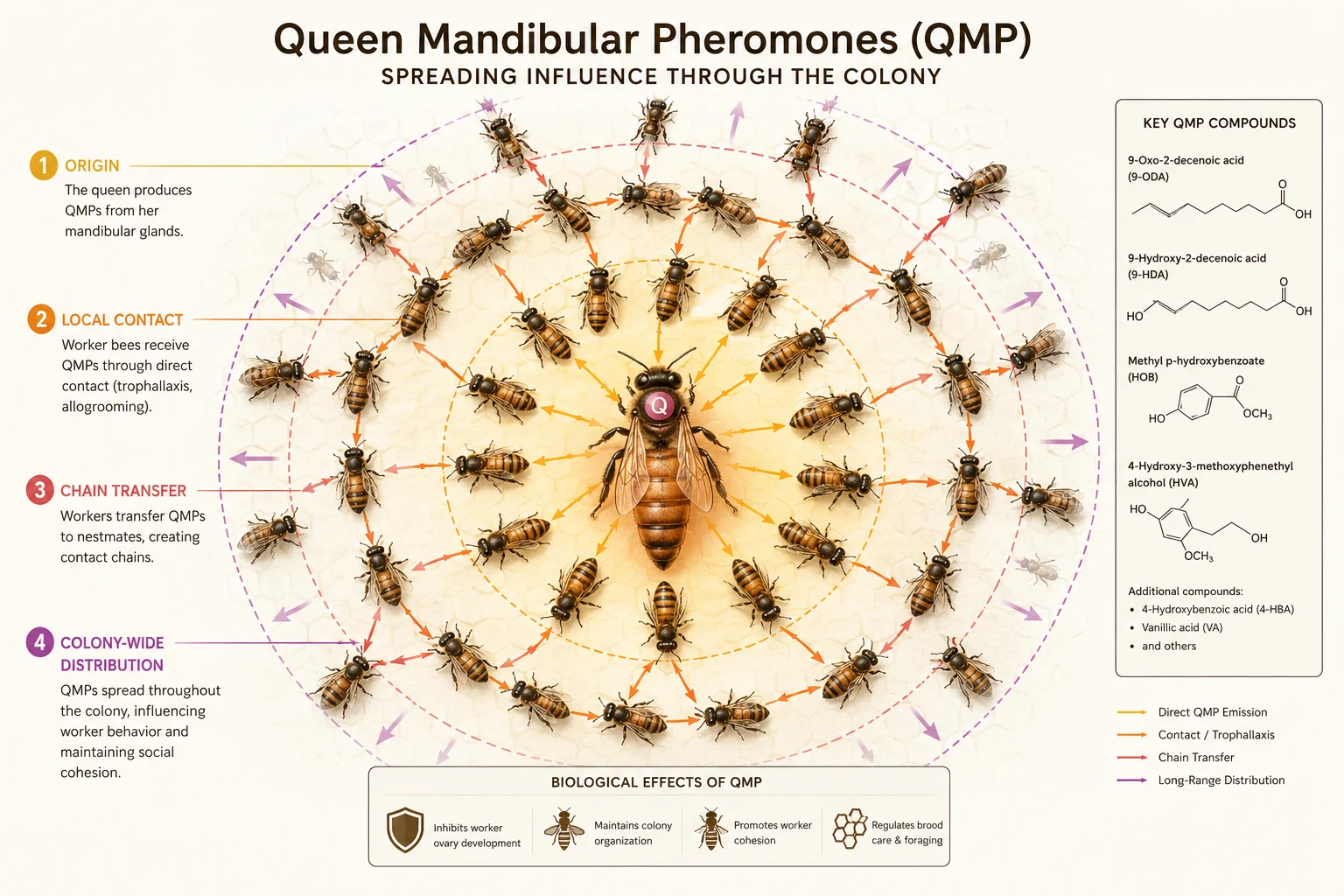
A colony at peak summer population in a standard two-box Langstroth setup will have:
- Brood nest occupying most or all of the lower box — typically 7–8 of 10 frames in active brood production, with the remaining frames holding pollen and honey as immediate stores adjacent to the brood
- A honey super (or two) filling rapidly — a strong colony in a good June flow can fill and cap a standard super in 7–10 days
- A foraging workforce of 15,000–25,000 bees making multiple trips per day, creating a visible flight path that can extend several hundred metres from the hive
- A nurse bee population of similar size, cycling through around-the-clock brood care duties
- A continuous background population of newly emerged bees — at 1,500–2,000 eggs per day with a 21-day worker development cycle, the colony is producing 1,500+ new adults daily at peak season
Walking up to a hive at this population level feels qualitatively different from a spring or autumn inspection. The sound is deeper and more continuous. The entrance is thick with traffic. Opening the hive releases a wave of warm, humid, intensely fragrant air — a combination of wax, propolis, honey, and bee pheromones that experienced beekeepers come to associate immediately with a healthy, thriving colony. The frames are heavy. The bees cover every surface.
Finding the queen in this context is genuinely challenging. In a colony of 70,000 bees distributed across 20 or more frames in two boxes, locating a single unmarked queen requires patience, systematic frame-by-frame inspection, and good eye for the subtle differences in movement and body language that distinguish the queen from her workers — the purposeful, unhurried stride, the parting of workers ahead of her, the characteristic way she pauses at each cell. Marking queens (with a paint pen, using the internationally agreed colour-by-year system) is not just convenient at this scale — it is effectively necessary for efficient inspection.
Reading the Queen’s Performance: What the Brood Tells You
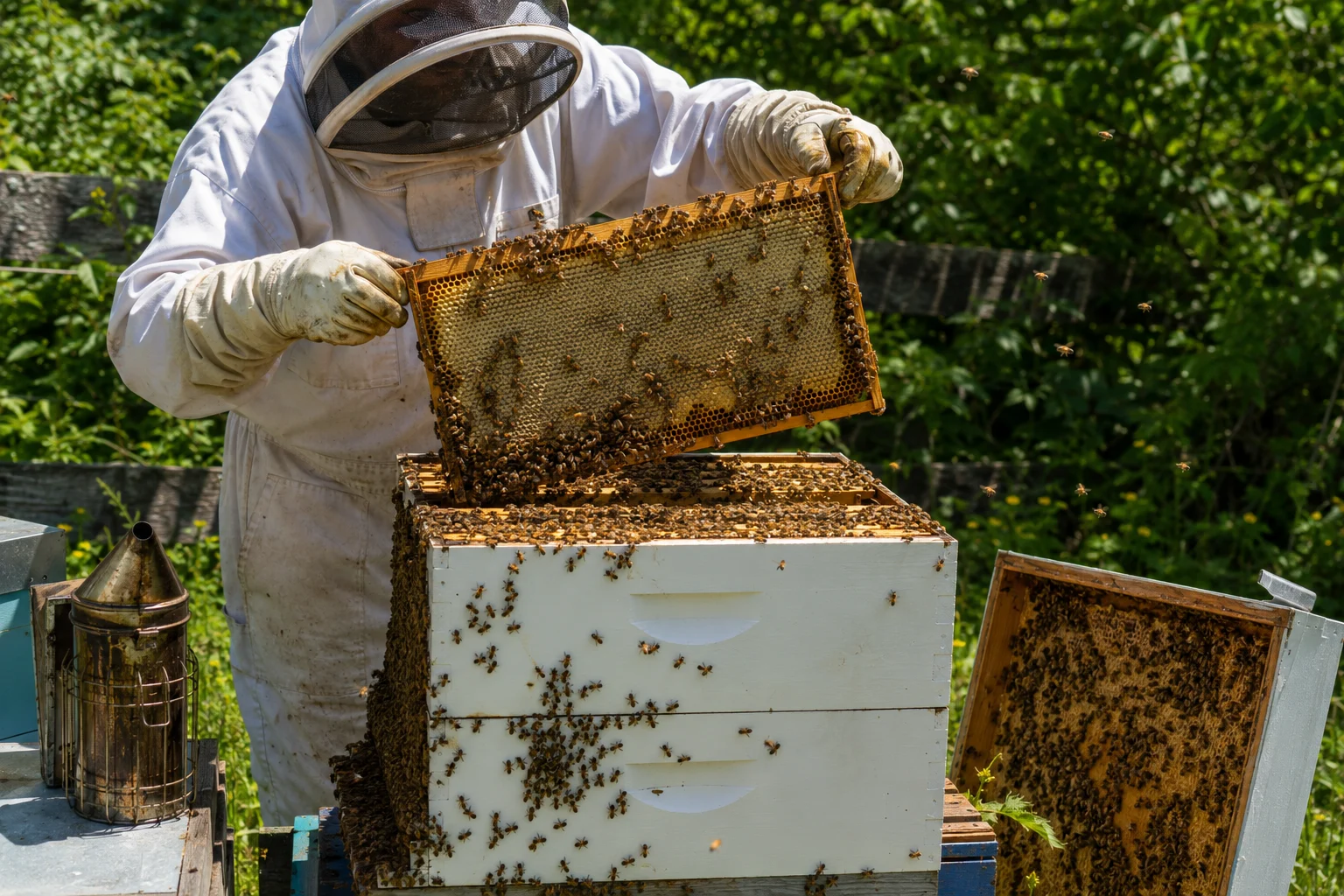
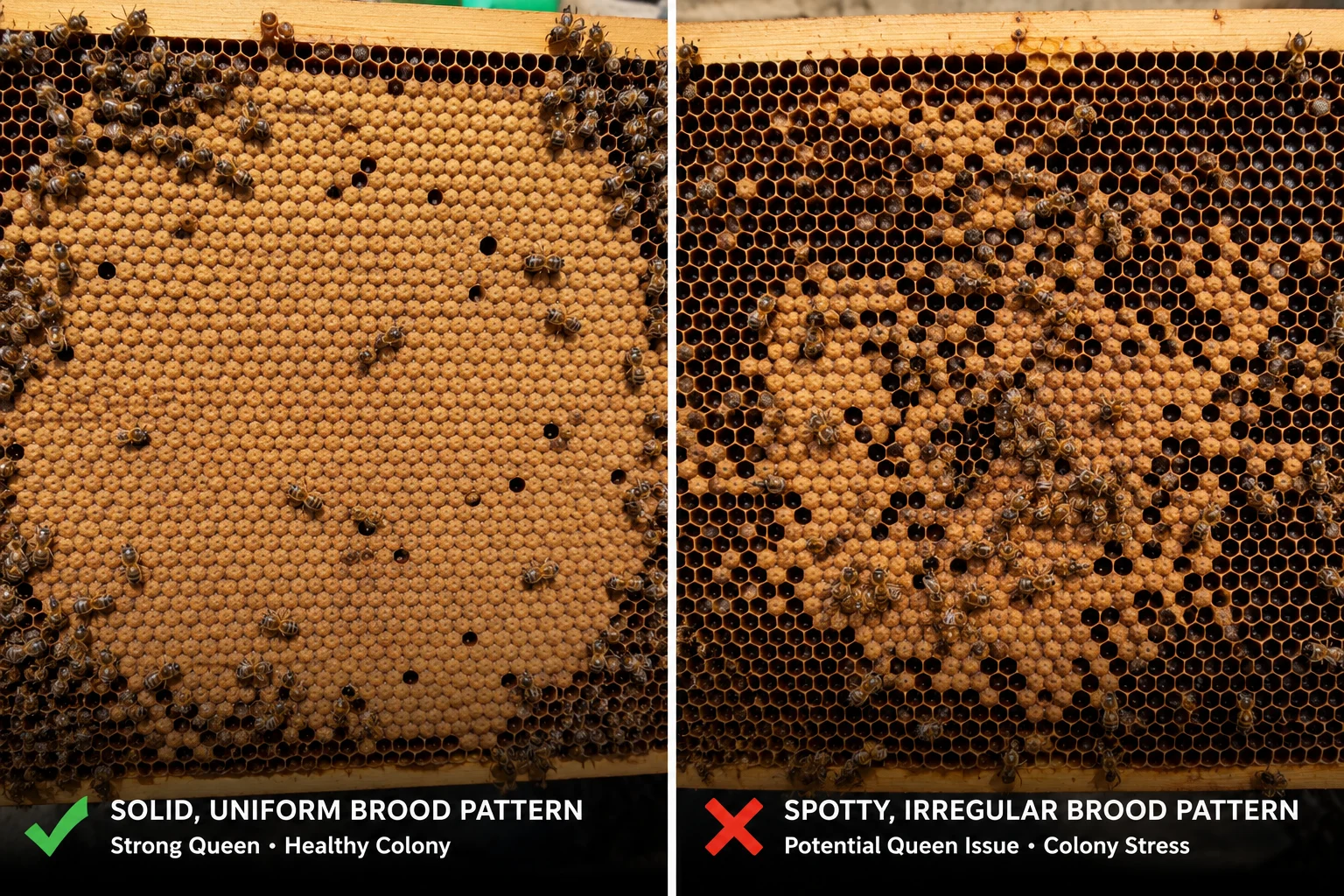
At peak population, the queen herself is rarely the most useful diagnostic tool. The brood pattern she leaves behind is. A frame of brood is a time-stamped record of the queen’s reproductive performance over the preceding three weeks, and an experienced eye can read it the way a doctor reads a test result.
Signs of a high-performing summer queen:
- Solid brood pattern — Capped worker brood covering 85–95% of the available comb face within the brood arc. Occasional empty cells (from emerged bees not yet refilled) are normal; scattered empty cells throughout the capped area suggest a problem.
- Consistent capping height and colour — Healthy capped brood has a slightly convex, tan-coloured surface. Sunken, discoloured, or perforated cappings indicate disease (European or American foulbrood, sacbrood) that may be masking a secondary queen performance issue.
- Presence of all brood stages — A healthy brood nest in summer should show eggs, young larvae in various sizes, older capped larvae, and recently emerged cells at the periphery. The complete arc from egg to emerged bee confirms continuous, uninterrupted laying.
- Appropriate brood-to-stores ratio — The brood nest should be surrounded by a band of pollen and honey stores — the “food frame” that nurse bees draw on continuously. A brood nest with no adjacent stores is a nutritionally stressed colony.
Warning signs of a queen under pressure or beginning to fail:
- Spotty brood pattern — Many empty cells scattered through the capped brood area. Can indicate a failing queen, but also disease, chilled brood from a recent cold spell, or pesticide exposure. Context matters: investigate before concluding queen failure.
- Multiple eggs per cell or eggs on the cell walls — The unmistakable sign of a laying worker colony. If you see this, the queen is gone and has been gone long enough for workers to develop functional ovaries — typically 2–3 weeks.
- Presence of emergency queen cells — Small, irregular queen cells built on the face of the comb (rather than the bottom edge) indicate the workers have detected queen failure or loss and are mounting an emergency response. Check for the queen immediately.
- Reduced brood nest size — A brood nest that has noticeably contracted over successive inspections — fewer frames of brood, smaller arcs — without a corresponding reduction in population can indicate a laying rate decline. In midsummer this is abnormal and warrants investigation.
The undertaker bees that remove dying or dead brood from the colony are part of this quality-control system — they are among the colony’s most specialized and least-understood worker castes, performing sanitation functions that directly affect colony health and queen performance diagnostics.
When the Queen Struggles: Summer Stressors and Failure Modes
Summer is the most demanding season for a laying queen, and it’s the season when the early signs of reproductive decline are easiest to miss — masked by the colony’s size and the visual noise of peak productivity.
Age-related decline is the most common cause of summer queen performance issues. A queen entering her third summer is statistically at risk of spermatheca depletion — the stored sperm from her mating flights may be exhausted or declining in viability, resulting in an increasing proportion of unfertilized eggs laid in worker cells. Worker-sized drone brood (identified by the domed cappings of drone cells in the context of worker-sized comb) is the clearest sign of a drone-laying queen. This colony cannot sustain itself and requires requeening promptly.
Mating quality — determined by how many drones she mated with and the genetic diversity of that drone pool — affects her long-term performance significantly. A poorly-mated queen (one that mated with few drones, perhaps due to poor weather during her mating flights) may show adequate performance in her first year and decline rapidly in her second. The colony’s disease resistance, temperament, winter survival, and productivity are all partially determined by the genetic diversity of the drone sperm she carries.
Nutritional stress during peak summer, particularly during the July–August dearth, can cause temporary laying rate reductions in even high-quality queens. This is normal and self-correcting when forage returns, but it can be alarming if you haven’t read the full seasonal foraging calendar and what the summer nectar gap means for colony stores and queen nutrition. Understanding the dearth context prevents unnecessary requeening of temporarily stressed but otherwise excellent queens.
Heat stress — as covered in the thermoregulation posts in this series — can cause localized brood pattern disruption in the hottest parts of the hive. Spotty brood in outer frames during a heatwave does not necessarily indicate a failing queen; it may indicate a colony that has strategically contracted its brood nest to concentrate thermal management resources. Inspect after the heat breaks before making a requeening decision.
The Decision to Requeen: Timing, Method, and Consequences
Knowing when to requeen a summer colony is one of the most consequential and most frequently mistimed decisions in practical beekeeping.
Requeen too early — in response to a temporary performance dip caused by dearth or heat — and you disrupt a perfectly functional queen-worker relationship, introduce a week or more of laying gap during the colony’s most productive season, and risk queen acceptance failure if the colony hasn’t fully committed to queenlessness.
Requeen too late — allowing a genuinely failing queen to persist through late summer — and the colony enters autumn with a declining population, reduced winter bee production, and compromised colony strength going into the most vulnerable period of the year.
The practical guidelines:
A requeening decision in summer should be based on two or more consistent inspection cycles showing the same pattern — not a single anomalous inspection. The minimum diagnostic cycle for a suspected failing queen is two inspections 7–10 days apart. If the same spotty pattern persists across both inspections, in the absence of disease symptoms and after a heat event has passed, requeening is warranted.
The optimal requeening window in a temperate climate is July to early August — late enough that a new queen can establish her laying pattern before the colony’s autumn population contraction, but early enough that the winter bees she raises in August and September are numerous and well-nourished. A queen introduced in September gives the colony almost no time to benefit from her before winter.
When introducing a mated queen to a peak-population summer colony, slow release via a candy-plug introduction cage is strongly recommended. Large, established colonies with a well-distributed queen pheromone environment can be slow to accept a new queen’s scent profile. A minimum of 72 hours of cage introduction — with a candy plug requiring the workers to chew through before direct contact — gives the colony time to adjust and dramatically improves acceptance rates.
The Queen’s Summer in Context: What It Means for You
Understanding the queen’s summer — her physiology, her pheromone output, her daily rhythm, and her failure modes — is ultimately about becoming a more calibrated beekeeper. It’s about the difference between inspecting a hive and reading a hive.
When you open a peak-population summer colony and see 70,000 bees in controlled, purposeful activity — a honey super filling frame by frame, a brood nest densely packed in a perfect arc, nurse bees cycling through their rounds with mechanical efficiency — what you’re seeing is one queen’s reproductive output, expressed through 70,000 bodies, coordinated entirely through chemistry, executing a collective strategy that has remained essentially unchanged for 34 million years.
That is worth understanding deeply. And understanding it — the physiology behind the brood pattern, the pheromone mechanics behind the colony’s cohesion, the precise conditions required to sustain the queen’s performance — is what turns summer inspections from a guessing game into a diagnostic conversation with the colony.
Keep Reading 🐝
These posts build directly on what you’ve just learned about the queen’s summer and peak colony management:
- 🌡️ What happens inside the hive when heat stress disrupts the brood nest temperature the queen depends on — The thermal biology that directly affects queen laying rate and brood pattern in summer.
- 🐝 The full swarm season guide — how the queen’s pheromone dilution at peak population drives the swarming impulse — The connection between peak population, QMP distribution failure, and swarm initiation.
- 🗓️ The summer harvest calendar and what the July dearth means for queen nutrition and temporary laying rate changes — Understanding the foraging context behind seasonal queen performance variation.
The queen is the colony’s past, present, and future simultaneously. Learn to read her, and you learn to read everything. 🍯