
When most people think of the hardest time for a backyard beehive, they immediately picture the freezing depths of winter. But for many beekeepers, the real silent killer sneaks up in the sweltering heat of mid-summer.
It’s called the summer nectar dearth, or what we like to call the “July Nectar Crash.”
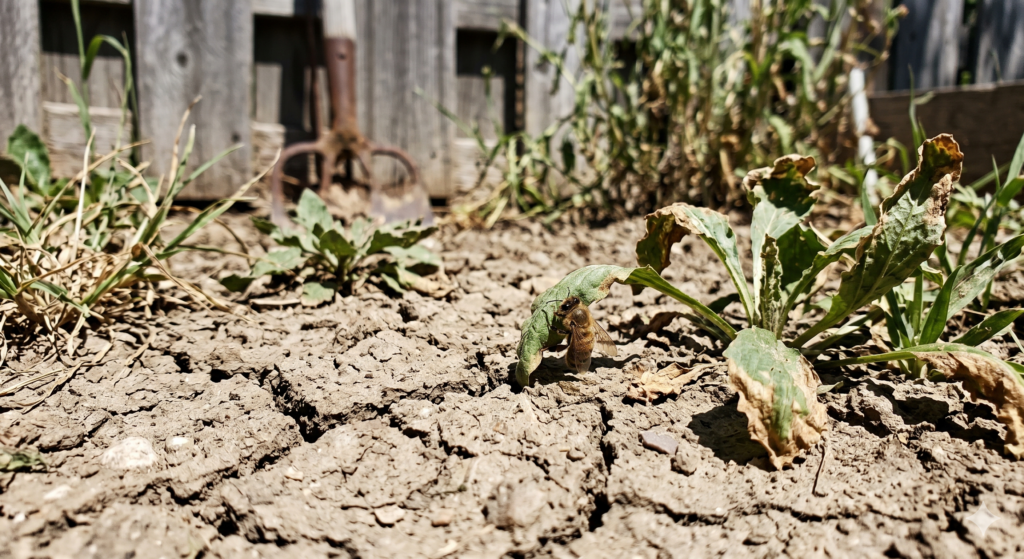
Right after the massive explosion of spring wildflowers drops off, and before the late autumn blooms begin, there is a brutal gap in July and August. The weather is scorching, the ground is dry, and the bees are left flying miles out of their way just to find a few drops of nectar. If a colony isn’t prepared, they can actually starve in the middle of a bright, sunny summer.
The solution? You have to plant the bridge.
What is a “Bridge Bloom” Garden?
A Bridge Bloom garden is a deliberately planned landscape designed specifically to feed pollinators during the mid-summer gap.
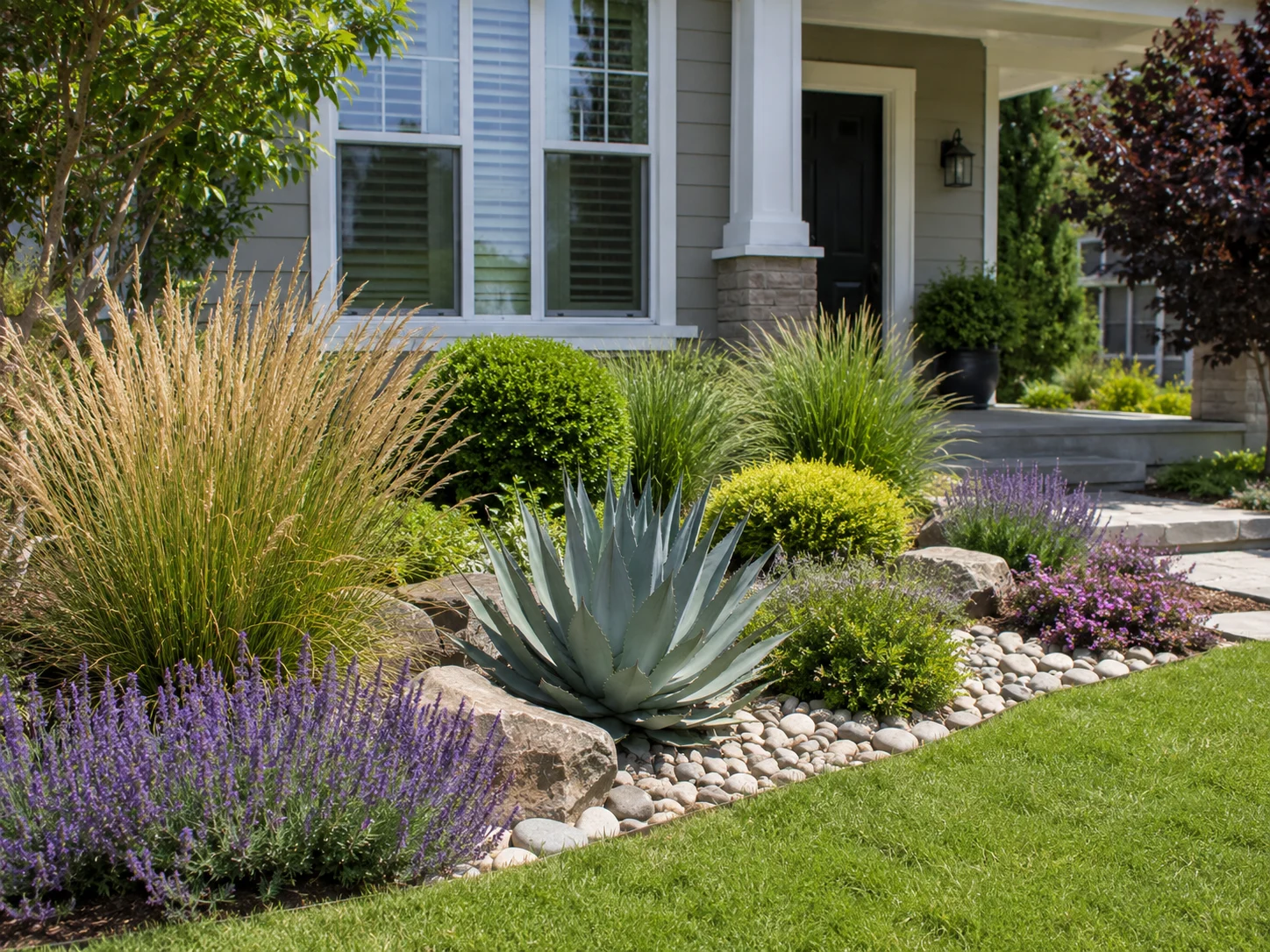
Instead of focusing on traditional spring flowers, you intentionally plant drought-resistant, mid-to-late summer bloomers near your hives. These plants act as a vital “bridge” of calories that carries your colony safely from the spring flow straight into the autumn harvest.
The Warning Signs of a Starving Hive
How do you know if the July Nectar Crash is hitting your apiary? The bees will tell you, and their behavior shifts dramatically when the flowers dry up. If you are paying attention, you’ll notice a few massive red flags:
- Increased Aggression: When resources are scarce, bees get defensive. A normally calm hive might start head-butting your veil or getting highly agitated during routine inspections.
- Robbing Behavior: This is the most dangerous sign. Without nectar to forage, strong colonies will attack weaker colonies to steal their honey stores. You’ll see frantic, zig-zagging flight patterns at the hive entrance and intense wrestling matches on the landing board.
- Kicking Out the Drones: Drone bees (the males) don’t forage and they don’t defend the hive; they just eat. When food gets tight in mid-summer, the worker bees will physically drag the drones out of the hive and leave them to die to conserve honey for the winter.
Recognizing these signs early is crucial, but planting a bridge garden helps prevent them from happening in the first place.
Top Lifesaver Plants for the Summer Dearth
To provide real value to your hives, you need plants that don’t just look pretty, but actually produce high volumes of nectar even when rain is scarce. Here are the heavy hitters you should include in your garden layout:
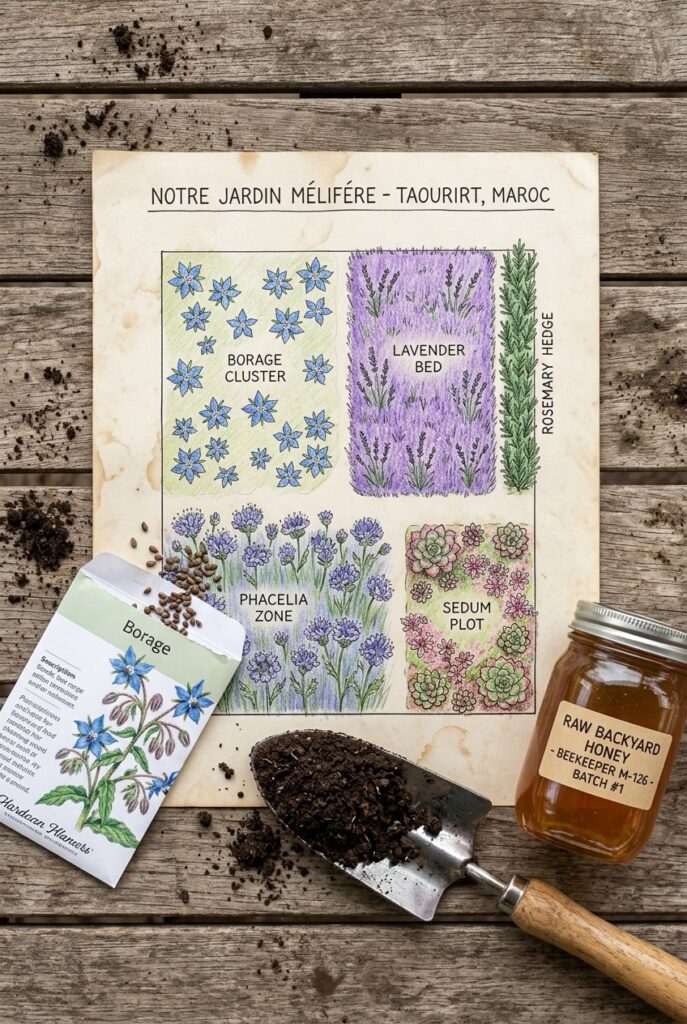
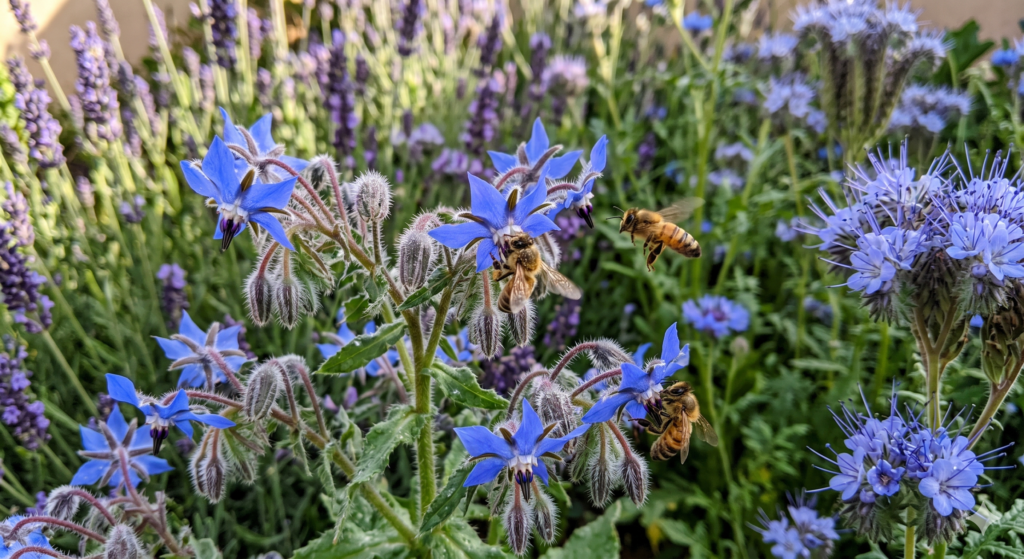
- Borage (Starflower): This is a beekeeper’s best friend. Borage replenishes its nectar cup incredibly fast—sometimes within minutes of a bee visiting it. It thrives in poor soil and blooms straight through the hottest months.
- Phacelia: Often used as a cover crop, Phacelia produces a massive amount of pollen and high-quality nectar. It’s a magnet for bees when everything else has dried up.
- Lavender & Rosemary: These tough, drought-tolerant herbs are essential. They don’t mind the blazing sun, require very little water once established, and provide a steady, reliable food source that also gives your late-season honey a beautiful, complex flavor.
- Sedum (Stonecrop): A succulent that saves its best blooms for late summer and early fall, offering a critical late-stage bridge just as the bees are preparing their winter stores.
- Vitex (Chaste Tree): If you have the space for a large shrub or small tree, Vitex is an absolute powerhouse. It thrives in baking heat and poor soil, producing massive spikes of purple flowers in the dead of summer when almost nothing else is blooming. The bees will cover it from dawn until dusk.
- Globe Thistle (Echinops): These spiky, architectural plants look like they belong in a harsh, dry landscape, and they are incredibly drought-hardy. They bloom right in the middle of the July crash, offering high-quality nectar that keeps the worker bees busy and well-fed.
How to Layout Your Apiary Garden
Throwing a few seeds in the dirt isn’t enough. Bees rely on efficiency. If they have to expend more energy flying to a flower than they get back in nectar, the colony loses.
- Plant in Clumps, Not Rows: Bees are attracted to large blocks of color and scent. Plant your Borage and Lavender in dense clusters (at least 3 feet by 3 feet) rather than dotting single plants around the yard. This allows them to forage efficiently in one spot.
- Keep it Close: Position your summer bridge blooms within 10 to 20 feet of the hive entrance. During a July heatwave, saving the bees a long flight means they retain more hydration and energy.
- Provide a Water Station: Nectar isn’t the only thing missing in July. Bees need water to cool the hive. Place a shallow birdbath filled with pebbles (so the bees don’t drown) right next to your bridge blooms.
Water: The Unsung Hero of the July Garden
During a severe summer heatwave, nectar isn’t the only thing missing—water is just as critical. Honeybees don’t just drink water; they use it as an air conditioning system. Forager bees bring water back to the hive, spread it over the brood comb, and fan their wings to create evaporative cooling. If they can’t find water, the wax comb can actually melt, destroying the colony.
When designing your bridge bloom layout, you must incorporate a reliable, safe water source.
- Create a “Bee Beach”: Bees are terrible swimmers and easily drown in deep birdbaths. Take a shallow terracotta saucer, fill it with clean gravel, pebbles, or floating wine corks, and add fresh water just below the top of the stones. This gives them a safe place to land and drink.
- Location Matters: Place your watering station right next to your Borage and Lavender clusters, preferably in a spot that gets dappled afternoon shade. This saves the bees from making exhausting, miles-long flights just to cool down their hive.
The Bottom Line
Beekeeping isn’t just about managing the boxes; it’s about managing the environment around them. By taking the time to design a Bridge Bloom garden this season, you aren’t just decorating your yard—you are actively insuring your colony’s survival through the toughest part of the year.
Have you experienced the mid-summer nectar dearth in your area? Check out our recommended seed catalog in the shop to start planting your bridge blooms today!
More from the Honey Road Journal
If you found this guide helpful, check out some of our other recent deep-dives into the fascinating (and sometimes brutal) world of bees and apiary gardens:
- Is Your Garden Truly Safe? 7 Common Toxic Plants to Avoid (And What to Plant Instead!) – A must-read if you are currently planning your yard layout!
- 💀 The Hive’s Grim Reapers: Meet the “Undertaker” Bees
- 🔥 Nature’s Biological Oven: How Honeybees Roast “Murder Hornets” Alive