

Gardening is one of life’s most rewarding pleasures. Stepping out into your own backyard, breathing in the fresh air, and watching your meticulously cultivated plants bloom brings an unparalleled sense of peace. Whether you are an experienced green thumb or a beginner starting your first flower bed, creating an outdoor oasis is a beautiful and fulfilling journey.
However, as we plan our vibrant color palettes and lush landscapes, one critical element is often overlooked: garden safety.
Behind the alluring petals and vibrant foliage of many popular nursery plants lies a hidden danger. Several common plants are actually highly toxic to curious children and our beloved pets. Dogs love to dig up bulbs, cats are notorious for nibbling on leaves, and toddlers explore their newly discovered world by putting everything into their mouths.
The good news? You do not have to choose between a breathtaking garden and the safety of your family. For every dangerous plant out there, there is an equally stunning, non-toxic alternative. We have put together a comprehensive guide to seven common toxic plants you should avoid, along with gorgeous, “safe swaps” to protect your pets and kids all season long.
1. The Toxic Culprit: Foxglove
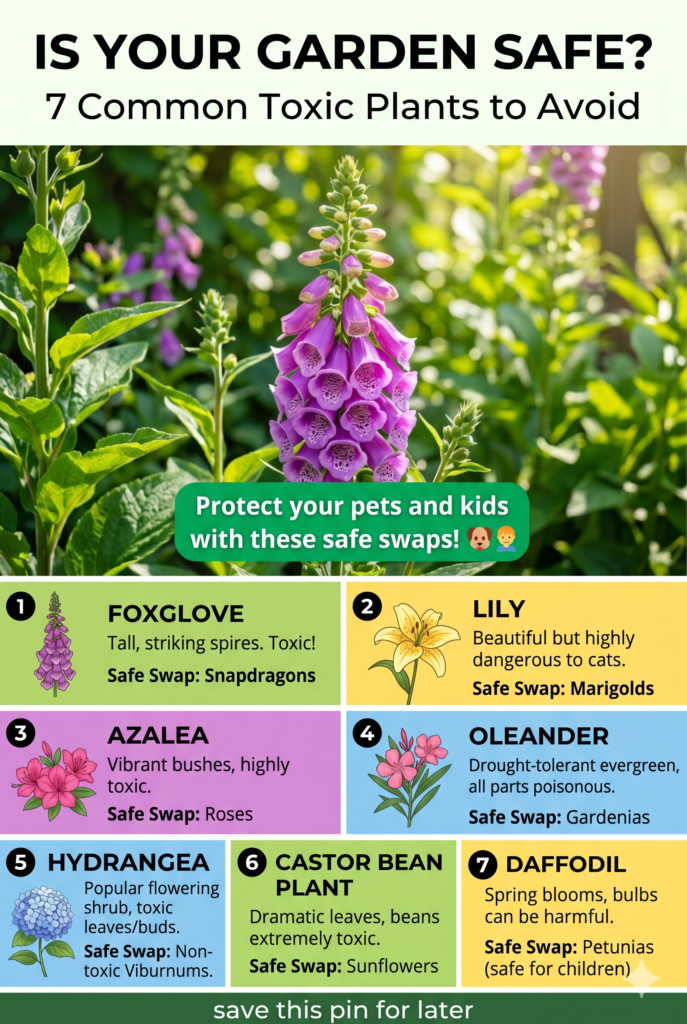
Foxgloves are the quintessential cottage garden flower. With their towering, striking spires and speckled, bell-shaped blooms, they add incredible vertical interest to any landscape. However, Foxgloves are highly toxic. The entire plant contains naturally occurring poisons that severely affect the heart. If a child, dog, or cat ingests even a small amount, it can cause severe health issues, including nausea, dizziness, and dangerous cardiac arrhythmias.
🌿 The Safe Swap: Snapdragons
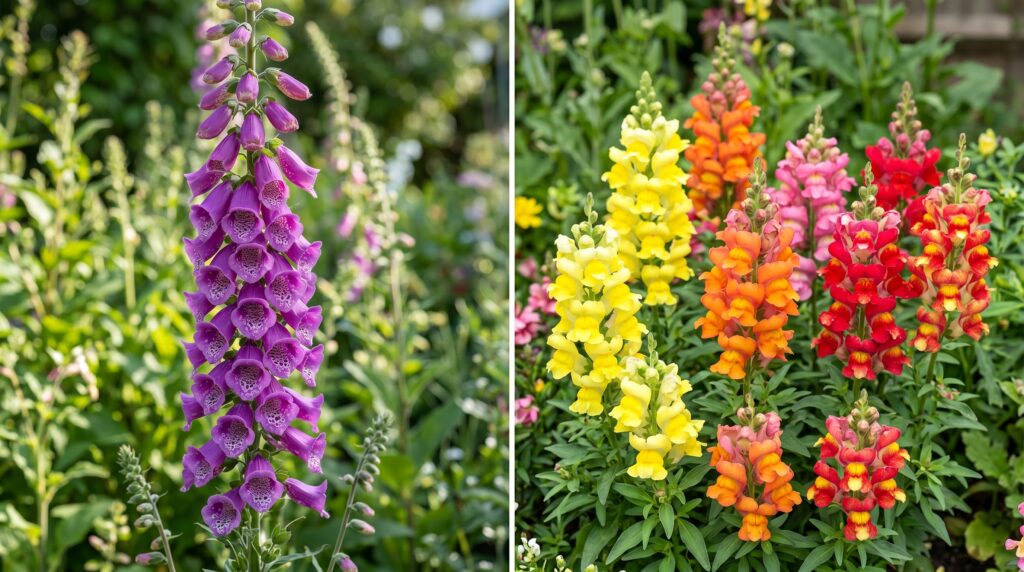
If you desire that dramatic, tall, spiky look without risking a trip to the emergency room, Snapdragons are your perfect solution! They provide similar vertical columns of vibrant colors but are completely non-toxic. Furthermore, they are incredibly kid-friendly. Children are fascinated by gently squeezing the sides of the blossoms to make the “dragon’s mouth” snap open and shut.
2. The Toxic Culprit: Lily
Lilies are undeniably elegant, producing massive, show-stopping blooms with an intoxicating fragrance. But if you share your home with a feline friend, true lilies must be strictly banned from your property. They are exceptionally dangerous to cats. Every single part of the lily—from the petals and leaves to the pollen and even the water in a vase—can cause rapid, acute, and fatal kidney failure in cats.
🌿 The Safe Swap: Marigolds
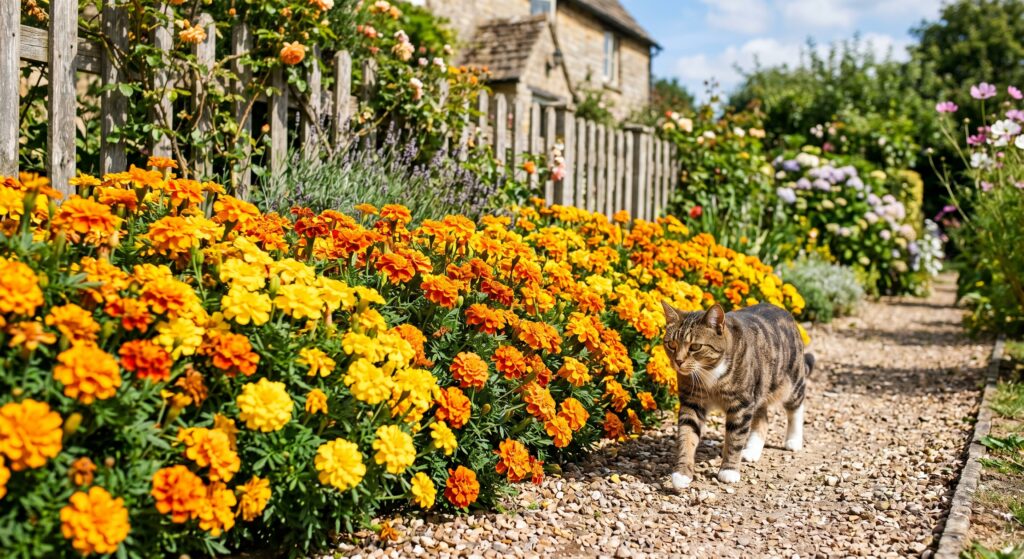
If you want to inject bright, eye-catching pops of sunshine yellow and orange into your garden borders, opt for Marigolds. Not only are they completely safe for dogs and cats, but they are also a gardener’s best friend. Marigolds act as a natural pest deterrent, helping to keep unwanted insects away from your delicate vegetables and other plants.
3. The Toxic Culprit: Azalea
In many neighborhoods, massive, vibrant Azalea bushes are the ultimate sign that spring has arrived. Exploding with dense clusters of pink, red, and white flowers, they are a landscape favorite. Unfortunately, Azaleas contain grayanotoxins. Eating even a few leaves or flowers can lead to severe stomach upset, excessive drooling, weakness, and central nervous system depression in pets.
🌿 The Safe Swap: Roses
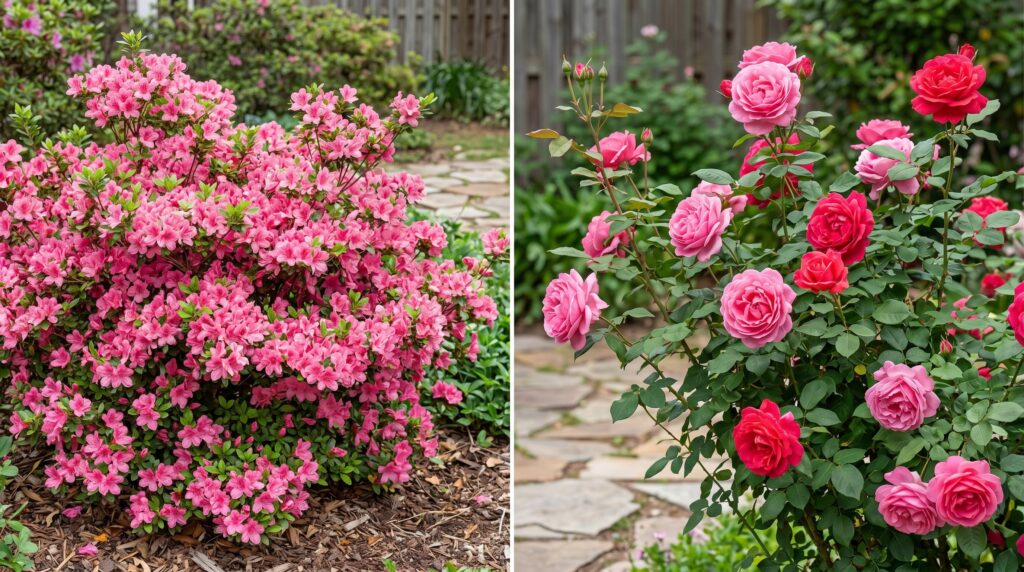
To achieve that lush, romantic, flowering shrub aesthetic without the chemical dangers, look no further than the classic Rose. Roses offer the same dense, bushy volume and spectacular blooms, but they are entirely non-toxic. While you should teach children to be mindful of the thorny stems to avoid scratches, the petals and foliage pose no toxic threat, making them a safe and luxurious addition to your yard.
4. The Toxic Culprit: Oleander
Oleander is immensely popular in warm, dry climates due to its hardiness. It is a drought-tolerant evergreen that thrives on neglect while producing lovely pink and white flowers. But beware: Oleander is one of the most poisonous plants commonly grown in gardens. Absolutely all parts of the plant are highly toxic. Ingesting any part can cause severe, sometimes fatal, heart complications in both humans and animals.
🌿 The Safe Swap: Gardenias
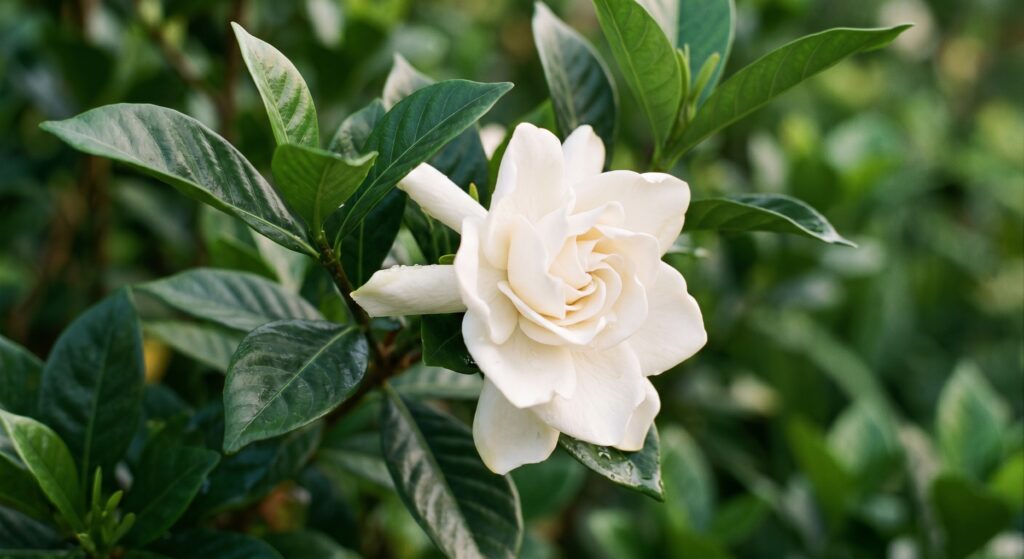
Swap out the hazardous Oleander for the incredibly elegant Gardenia. Gardenias provide beautiful, glossy evergreen foliage year-round, along with stunning, creamy white flowers. Best of all, they emit an intoxicating, sweet, and tropical fragrance that will perfume your entire patio, all while being completely safe for your household explorers.
5. The Toxic Culprit: Hydrangea
Hydrangeas are a staple in many gorgeous gardens, known for their massive, snowball-like clusters of blue, pink, and white flowers. However, it breaks many gardeners’ hearts to learn that the leaves and flower buds of this popular shrub are actually toxic. They contain cyanogenic glycosides, which can cause severe gastrointestinal distress, vomiting, and lethargy in pets if chewed and swallowed.
🌿 The Safe Swap: Non-Toxic Viburnums
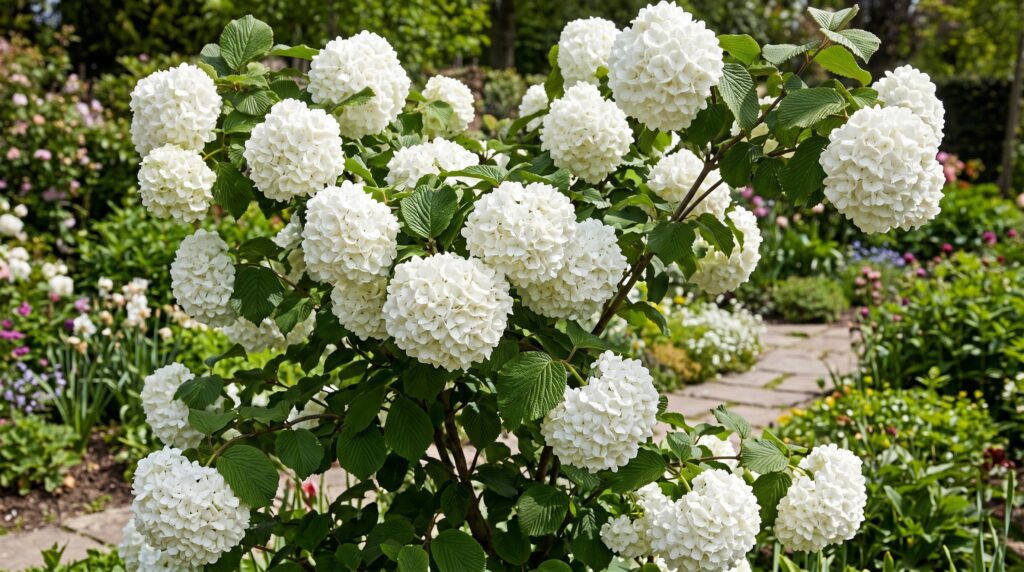
If you love the aesthetic of big, clustered, pom-pom flowers on a large, leafy shrub, look into non-toxic varieties of Viburnum. Often referred to as “mock hydrangeas,” certain Viburnums (like the Chinese Snowball Bush) produce large, spherical clusters of flowers that perfectly mimic the hydrangea look. They are robust, visually stunning, and won’t cause tummy aches for your furry friends.
6. The Toxic Culprit: Castor Bean Plant
Gardeners are often drawn to the Castor Bean plant for its incredibly fast growth and massive, dramatic, star-shaped foliage. It easily gives any yard an instant, lush tropical feel. However, the beans (seeds) of this plant contain ricin, one of the most potent and deadly naturally occurring toxins known to man. It is extremely dangerous and absolutely not worth the risk if you have children or pets who might put things in their mouths.
🌿 The Safe Swap: Sunflowers
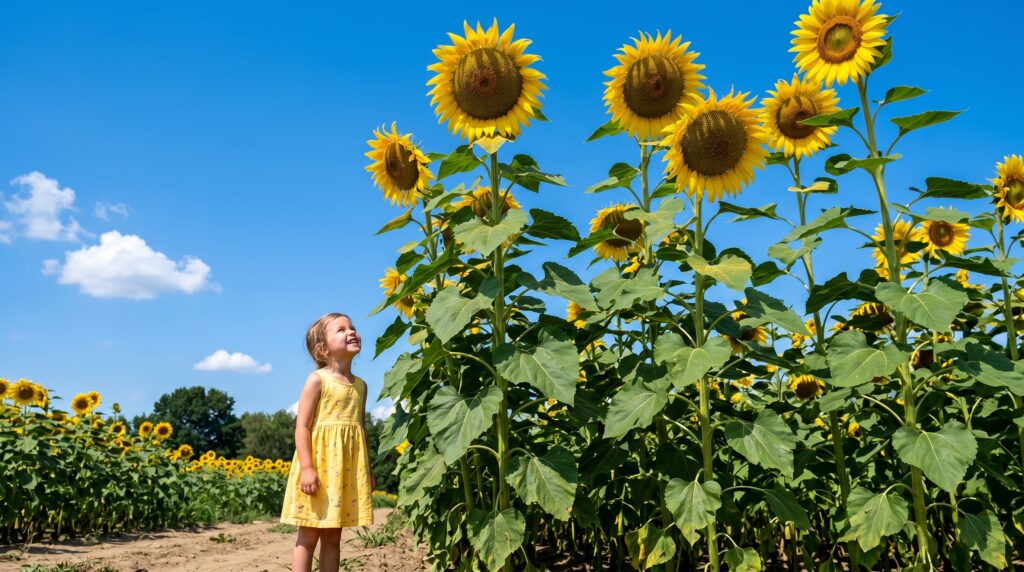
If you are looking for rapid growth, dramatic height, and a massive visual statement, Sunflowers are the ultimate safe swap. They shoot up toward the sky in a single season, bringing a cheerful, radiant vibe to your garden. Furthermore, they are 100% non-toxic. At the end of the season, harvesting the sunflower seeds makes for a fun, edible treat for your family and the local birds!
7. The Toxic Culprit: Daffodil
Nothing heralds the arrival of spring quite like the bright yellow trumpet of a Daffodil. While the flowers themselves can cause mild upset, the true danger lies underground. Daffodils grow from bulbs, which contain toxic compounds. If you have a dog that loves to dig in the dirt, unearthing and chewing on a daffodil bulb can lead to severe vomiting, diarrhea, and dangerous heart arrhythmias.
🌿 The Safe Swap: Petunias
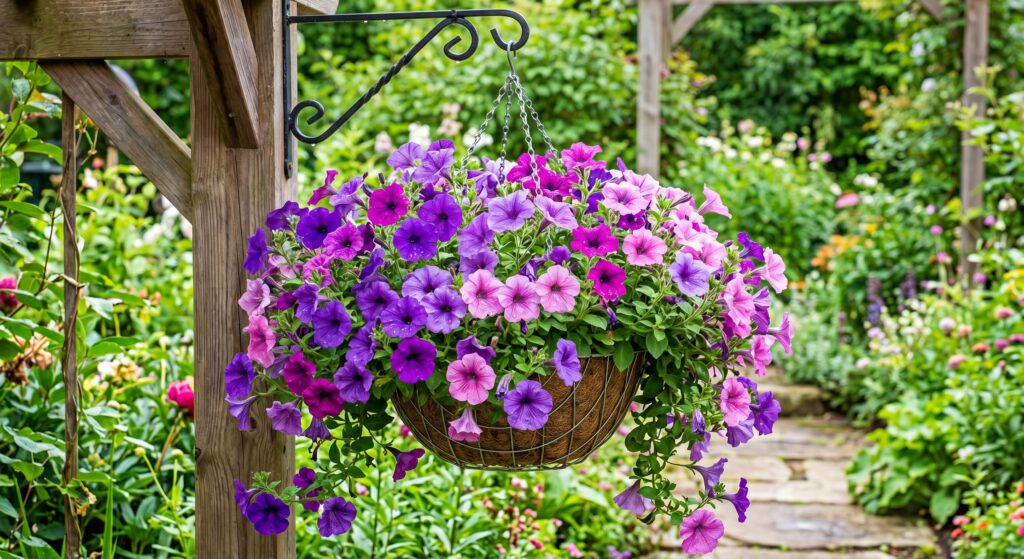
To get that vibrant burst of spring and early summer color without the hidden dangers buried in the soil, plant Petunias instead. They are incredibly safe for children and pets. Whether planted in the ground, spilling beautifully out of raised beds, or cascading from hanging baskets, petunias give your yard a brilliant, worry-free pop of color.
Final Thoughts on a Family-Friendly Garden
Creating a safe sanctuary for your loved ones does not mean your garden has to be boring or devoid of color. By being intentional with your plant choices and opting for these beautiful “safe swaps,” you can cultivate a landscape that is both visually stunning and completely worry-free.